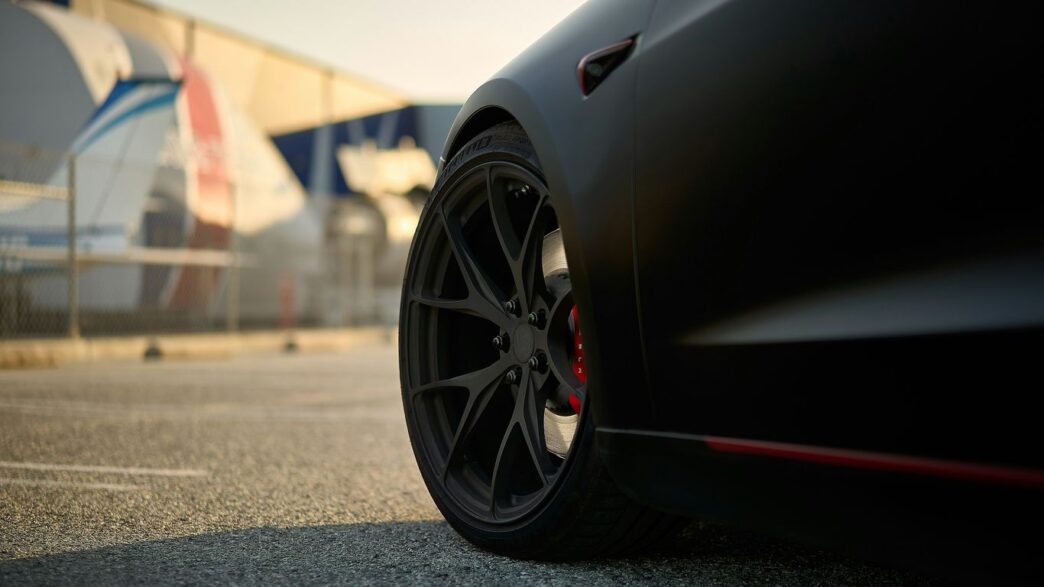
So, you’ve got a Tesla and you’re thinking about new wheels? It’s a pretty common thought. Whether you want your car to look a bit different, handle better, or maybe even go a little further on a charge, the right set of tesla wheels can make a big difference. But with all the options out there, it can get a little confusing. This guide is here to help you sort through it all, from understanding the specs to picking the best wheels for your specific Tesla model.
Key Takeaways
- Knowing your Tesla’s bolt pattern, center bore, diameter, width, and offset is super important before buying new wheels.
- Model 3 owners have lots of choices, from factory wheels to aftermarket options, but watch out for fitment issues like the stepped hub on performance models.
- Model Y drivers can pick from various OEM wheels or go aftermarket for looks and better performance, with fitment being key.
- For Model S, you can find OEM wheels that balance luxury and speed, or go for wider aftermarket setups for a more aggressive stance.
- When choosing tesla wheels, think about how weight and design affect performance and how far you can go on a single charge, plus pick the right tires to match.
Understanding Tesla Wheel Specifications
So, you’re thinking about new wheels for your Tesla. That’s awesome! But before you go picking out the flashiest set, let’s talk about what actually matters. It’s not just about looks; it’s about making sure they fit right and work with your car. Think of it like buying shoes – you need the right size and type for what you’re doing.
Bolt Pattern and Center Bore Essentials
This is probably the most important stuff to get right. The bolt pattern is how many lug holes there are and how far apart they are. For most Teslas, you’ll see a 5x120mm pattern, but some models, like the Model 3, use a 5×114.3mm pattern. The center bore is the hole in the middle of the wheel that sits on your car’s hub. If this isn’t the right size, the wheel won’t sit flush, and that’s a big no-no. Most Teslas share a 64.1mm center bore, but always double-check for your specific model and year.
Wheel Diameter, Width, and Offset Explained
- Diameter: This is the overall size of the wheel, usually measured in inches (like 19", 20", 21"). Bigger isn’t always better; it can affect ride comfort and range.
- Width: This is how wide the wheel is, also in inches (e.g., 8.0", 9.0"). It needs to be compatible with your tire size.
- Offset: This is super important for how the wheel sits in the wheel well. It’s the distance from the wheel’s mounting surface to the centerline of the wheel. A positive offset (like +40mm) means the wheel is tucked in more, while a negative offset pushes it out. Getting this wrong can cause rubbing or affect handling. For example, the 20" Uberturbine wheels on a Model 3 have a 20×9.0" size with a +34mm offset.
Load Rating and Material Considerations
Don’t forget the load rating! This tells you the maximum weight a wheel can safely support. Your Tesla’s wheels need to handle the car’s weight plus passengers and cargo. Always make sure any aftermarket wheels meet or exceed the OEM specifications. Most Tesla wheels are made from aluminum alloy, which is a good balance of strength and weight. Some high-performance or off-road wheels might use different materials, but for daily driving, aluminum is usually the way to go. Lighter wheels can help with both acceleration and efficiency, which is pretty neat.
Model 3 Wheel Upgrades and Considerations
So, you’ve got a Tesla Model 3 and you’re thinking about new wheels. Maybe you want your car to look a bit different from the sea of identical Teslas in the parking lot, or perhaps you’re chasing better performance or even a few extra miles of range. Whatever your reason, swapping out the stock wheels can make a big difference. It’s not just about looks, though; the right wheels can affect how your car drives and how far it can go on a charge.
OEM Wheel Options for Model 3
Tesla offers a few different wheel styles for the Model 3, and they’re designed with the car’s electric nature in mind. You’ve got the 18-inch Aero wheels, which are all about maximizing your driving range. Then there are the 19-inch Sport wheels, offering a nice balance between looks and performance. If you’ve got a Performance model, you might have come with the 20-inch Uberturbine wheels, which look pretty aggressive and are geared towards sporty driving.
Here’s a quick look at some common factory wheel specs:
| Wheel Size | Width | Offset | Stock Tire Size |
|---|---|---|---|
| 18" Aero (V1/V2) | 8.5" | +40 | 235/45R18 |
| 19" Sport | 8.5" | +40 | 235/40R19 |
| 20" Sport | 8.5" | +35 | 235/35R20 |
| 20" Uberturbine | 9" | +34 | 235/35R20 |
These factory wheels all use a 5×114.3 bolt pattern and have a 64.1mm center bore. They’re a solid starting point, but there’s definitely room to customize.
Aftermarket Wheels for Model 3 Performance
When you start looking at aftermarket wheels, things get really interesting. You can go for lighter wheels to potentially improve acceleration and range, or wider wheels to fit stickier tires for better grip. The key is finding wheels that not only look good but also meet the load rating requirements for your Model 3. For a Model 3, you’ll want wheels with a minimum load rating of around 628.5kg (1386 lbs) per wheel, though many reputable aftermarket brands aim higher, often around 690kg (1521 lbs) for wheels designed for this bolt pattern.
When choosing aftermarket wheels, keep these points in mind:
- Bolt Pattern: Stick with the factory 5×114.3 pattern. Also, make sure the wheels are drilled for M14x1.5 bolts, as the Model 3 uses larger studs than some other cars.
- Center Bore: While most aftermarket wheels will have a 64.1mm center bore, some might come with a larger bore and require hub-centric rings to ensure a perfect fit and prevent vibrations.
- Weight: Lighter wheels can help with both performance and efficiency. Every pound saved can make a difference.
- Material: Wheels can be made from different materials, like cast aluminum or forged aluminum. Forged wheels are generally lighter and stronger but also more expensive.
Fitment Gotchas for Model 3 Wheels
Okay, so you’ve picked out some awesome new wheels. Before you slap them on, there are a few quirks with the Model 3 you need to be aware of. These are the "gotchas" that can trip you up if you’re not careful.
- Model 3 Performance Stepped Hub: This is a big one if you have a Performance model. The hub on the Performance model has a stepped lip. The part closest to the car is 70.1mm, and it steps down to 64.1mm. Your wheels need to accommodate this, or you might need specific hub rings.
- Brake Clearance: Make sure your new wheels have enough space for the brake calipers. This is especially important if you’re going for a lower offset or a wider wheel.
- Wheel Speed Sensors: If you decide to run wider tires, there’s a chance they could rub against the factory wheel speed sensors. It’s a good idea to check their position and maybe zip-tie them out of the way behind the suspension knuckle. If these get damaged, your car’s warning lights will go crazy, and safety systems might shut down.
- Rotor Retaining Bolt: Some Model 3s have a small bolt that holds the brake rotor in place. It sticks out a bit. If your new wheels don’t have a spot for it, you can usually just remove it. It’s not doing much heavy lifting, just helping to position the rotor.
Getting the right fitment is all about paying attention to these details. It might seem like a lot, but once you know what to look for, it’s totally manageable. And hey, a unique set of wheels is a great way to make your Model 3 truly yours.
Model Y Wheel Choices for Every Driver
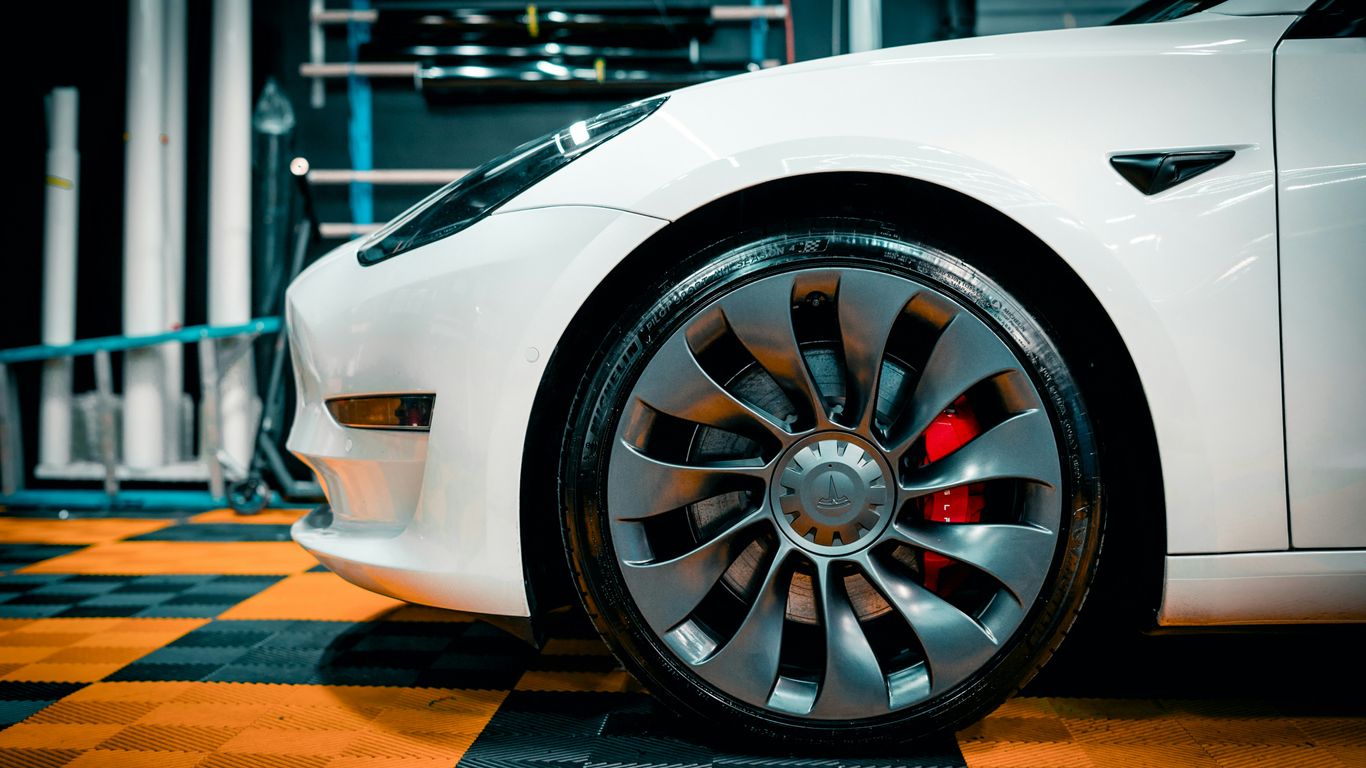
Alright, let’s talk about making your Tesla Model Y look and feel just right. The wheels are a big part of that, right? They totally change the vibe of the car, from how it looks to how it drives. Tesla gives you a few solid options straight from the factory, and then there’s a whole world of aftermarket stuff if you want to get really specific.
Exploring Model Y OEM Wheel Designs
Tesla’s factory wheels for the Model Y are designed with a few things in mind: looks, efficiency, and fitting the car perfectly. You’ve got a few main players here. The 19-inch Gemini wheels are pretty standard and look sharp with their split-spoke design. They’re a good all-around choice, balancing style with decent range. Then, if you’re looking at the Performance version, you’ll often see the 20-inch Induction wheels. These have a more aggressive, turbine-like look and are built for, well, performance. They’re wider in the back, which helps with grip.
- Gemini Wheels (19-inch): Great for everyday driving, good balance of style and efficiency.
- Induction Wheels (20-inch): Sportier look, better grip for performance driving.
- Uberturbine Wheels (21-inch): Found on some Performance models, these are the largest factory option and really make a statement.
It’s worth noting that these OEM wheels are engineered to work with your car’s systems, including tire pressure monitoring. If you’re sticking with factory sizes, you usually don’t have to worry about compatibility issues. You can find detailed specs for these OEM wheel and tire fitments to make sure you know exactly what you’re getting.
Performance Wheels for Model Y
If you’re someone who likes to push your Model Y a bit, or maybe you just love the look of a more aggressive stance, aftermarket wheels are where it’s at. People often go for lighter wheels to shave off some weight, which can help with acceleration and handling. You can also find wheels designed to be wider, allowing for fatter tires. This means more rubber on the road, which translates to better traction, especially if you’re cornering hard or want more grip in different conditions. Some folks even go for larger diameter wheels, like 21 or 22 inches, to fill out the wheel wells and give the car a more imposing look. Just remember, bigger and wider usually means heavier, which can impact your range, so it’s a trade-off.
Wheel and Tire Fitment for Model Y
Getting the fitment right is super important. You don’t want wheels that rub against the fenders or suspension components. For the Model Y, the factory wheels typically have an offset that keeps them tucked nicely within the wheel wells. When you go aftermarket, you need to pay attention to the wheel’s width and offset. A common setup for a sportier look involves wider wheels, especially in the rear, and sometimes a lower offset to push the wheel out a bit. For example, you might see setups with 20×9.5 inch wheels up front and 20×10.5 inch wheels in the rear. This staggered setup is common on performance cars. Always double-check the bolt pattern (which is standard for Tesla) and the center bore size to make sure everything lines up. Getting the right tire size to match your new wheels is just as critical for ride quality and speedometer accuracy. If you’re unsure, consulting with a wheel specialist or checking out guides specific to your Model Y year can save you a lot of headaches.
Model S Wheel Enhancements for Luxury and Speed
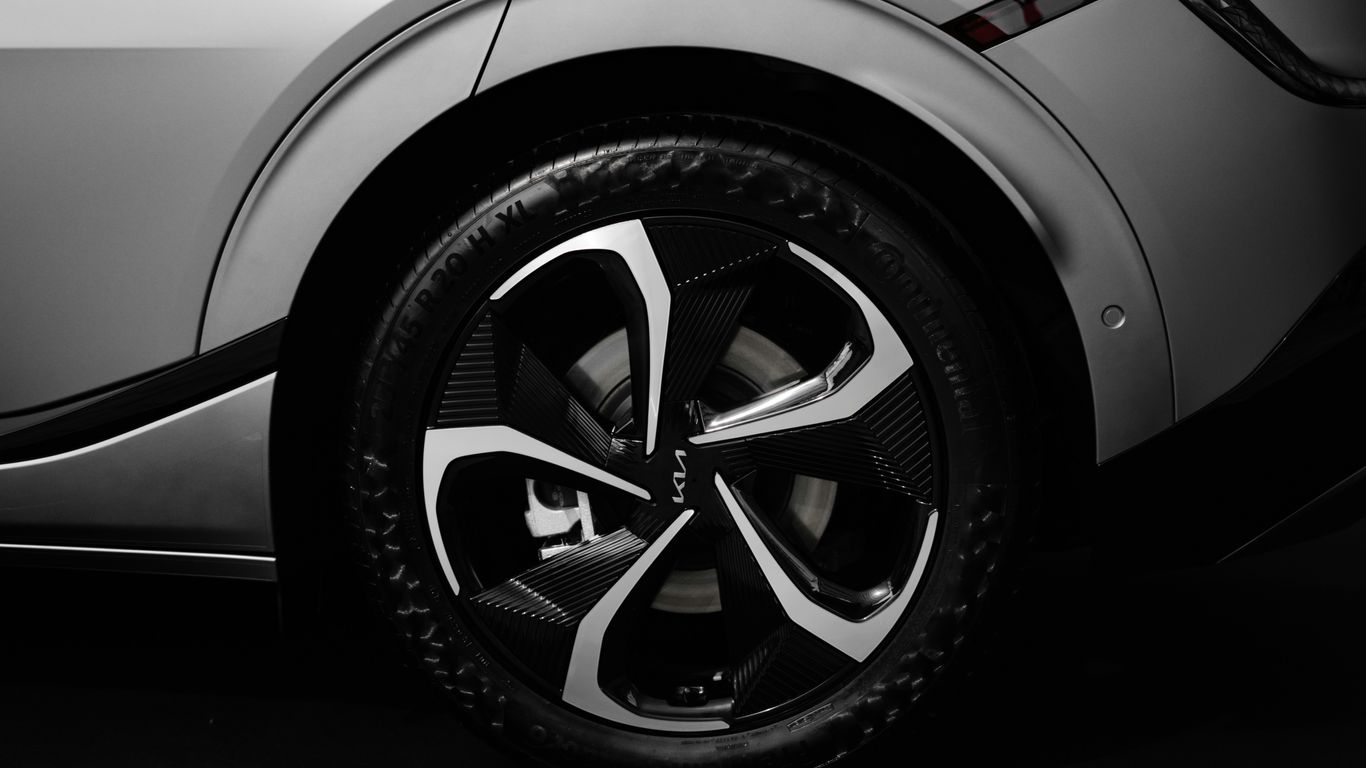
The Model S, especially the newer 2021+ versions with their Long Range and Plaid configurations pushing over 1,000 horsepower, is a serious machine. It’s built for both comfort and speed, and the wheels play a big part in that. You can really change the look and feel of your Model S with the right set.
OEM Wheel Specifications for Model S
Tesla offers some pretty sharp wheels straight from the factory. For the 2021 and newer Model S, they’ve widened the body, which means the wheels can be wider too. This is great for stability and looks. They’ve got options like the 19-inch Cardenio Aero wheels, which are designed to be efficient and look good. Then there are the 21-inch Arachnid wheels, which definitely give the car a sportier stance. These OEM choices are engineered to balance performance with how far you can go on a charge.
Here’s a quick look at some common OEM sizes for recent Model S:
| Wheel Size | Style Name | Model Years |
|---|---|---|
| 19" | Cardenio Aero | 2021+ |
| 21" | Arachnid | 2021+ |
Aftermarket Wheel Options for Model S
If you’re looking to really make your Model S stand out or fine-tune its performance, the aftermarket is where it’s at. You can find wheels that are lighter than stock, which can help with acceleration and handling. Plus, there are tons of designs out there, from sleek and minimalist to bold and aggressive. Many aftermarket wheels are built with strength and light weight in mind, which is a big deal for a car like the Model S.
When picking aftermarket wheels, think about:
- Material: Forged wheels are generally lighter and stronger than cast wheels, but they cost more.
- Design: Do you want something that looks understated or something that screams performance?
- Fitment: Make sure the wheels will clear your brakes, especially if you have a performance model or plan to upgrade them later.
Wider Fitments for Model S Performance
For those who have the Model S Plaid or just want that extra bit of grip and a more planted look, going wider is a popular choice. The newer Model S can handle wider wheels, with the front now accommodating 9.5 inches and the rear up to 10.5 inches. This opens the door for more aggressive tire sizes. You can go for a staggered setup, meaning wider tires in the back, using sizes like 265 in the front and 295 in the rear. Or, if you’re all about maximum performance and a wide stance, you can run a square setup with tires as wide as 315. This kind of setup is great for putting down power and handling corners, but it’s worth checking tire clearance carefully.
Cybertruck Wheel Selection
Alright, let’s talk about the wheels on the Cybertruck. This thing is built tough, and its wheels need to match. Tesla put some serious thought into what goes on this beast, and there are definitely options if you want to change things up.
Cybertruck Wheel Specifications
The stock wheels on the Cybertruck are pretty unique, designed to handle whatever you throw at them. They’re built with durability in mind, which makes sense given the truck’s whole vibe. These wheels are designed to be rugged and functional, just like the truck itself.
Here’s a quick rundown of the factory specs:
- Bolt Pattern: 6×139.7mm. This is a common pattern for trucks, so it’s good to know.
- Center Bore: 84mm. This is the hole in the middle of the wheel that sits on your truck’s hub.
- Size: 20×9 inches. This is the diameter and width of the wheel.
- Offset: +58.5mm. This tells you how the wheel sits relative to the hub mounting surface.
- Lug Nut Size: 21mm, with a 14×1.50 thread. Make sure you have the right socket!
- Torque Spec: 151 lb-ft. Don’t overtighten or undertighten these.
These factory wheels come in around 35.2 lbs, but that goes up to almost 40 lbs if you include the aero cover. They usually come wrapped in Goodyear Wrangler Territory RT or Pirelli Scorpion ATR tires, sized at 285/65R20, which gives you a big tire with a diameter of about 34.6 inches. Pretty beefy.
Off-Road and Performance Cybertruck Wheels
Now, if you’re looking to customize, there are some cool aftermarket options out there. People are already making wheels that can handle serious off-roading or give the Cybertruck a more aggressive look. You can find wheels in different sizes, like 18-inch beadlock wheels if you’re really going off the beaten path, or stick closer to the OEM size with 20-inch options. Some companies are even making 22-inch and massive 24-inch wheels for the Cybertruck, which really change its stance.
When you’re picking out new wheels, think about what you’ll be doing. If you plan on hitting trails, you’ll want something strong with good tire clearance. For street driving, you might prioritize looks or even try to find lighter wheels to help with range. Just remember to check that any aftermarket wheels you consider have the correct bolt pattern and offset, or you might run into fitment issues. It’s always a good idea to talk to a wheel specialist if you’re unsure.
Optimizing Tesla Wheels for Performance and Range
So, you’ve got your Tesla, and you’re thinking about wheels. It’s not just about looks, though that’s a big part of it, right? The wheels and tires you choose can actually make a pretty noticeable difference in how your car drives and how far it can go on a charge. It’s a bit of a balancing act, really.
The Impact of Wheel Weight on Performance
Think about it: every time your car accelerates, it has to get those wheels spinning. Lighter wheels mean less work for the motors. This is especially true for electric cars where every bit of energy counts. We’re talking about "unsprung weight" here – that’s the weight of everything not supported by the suspension, like your wheels, tires, and brakes. Less unsprung weight means the suspension can do its job better, giving you a smoother ride and better handling. Plus, lighter wheels mean less energy used to get moving from a stop, which can add up over time.
- Cast wheels: These are usually the heaviest and least expensive. They’re made by pouring molten metal into a mold. Good for everyday driving, but not ideal if you’re chasing performance or maximum range.
- Flow-formed wheels: A step up from cast. They’re stronger and lighter, offering a good middle ground for many drivers.
- Forged wheels: These are the lightest and strongest, but also the priciest. They’re made by hammering metal into shape. If you want the best performance and the lowest weight, forged is the way to go.
The lighter the wheel, the better it is for both acceleration and efficiency.
Aerodynamic Wheel Designs for Enhanced Range
Beyond just weight, the shape of your wheels matters too. Some wheel designs are made to cut through the air more smoothly. Think of it like a fan – a smooth, closed-off design can reduce drag. This is where those aero wheels that come standard on some Teslas come into play. They’re designed to keep air flowing neatly around the car, reducing resistance. When you’re cruising down the highway, this can make a real difference in how many miles you get out of your battery. Aftermarket wheels can also have aero-focused designs, sometimes with removable covers or specific spoke patterns to help with airflow.
Choosing Tires for Your Tesla Wheels
Finally, don’t forget the tires! They’re the only part of your wheel setup actually touching the road. The type of tire you choose has a huge impact on both performance and range. Low rolling resistance tires are designed to minimize friction, which helps extend your range. They often have a harder compound and a more streamlined tread pattern. On the flip side, performance tires with a softer compound and aggressive tread offer more grip, which is great for spirited driving or track days, but they usually come at the cost of some range. It’s all about what you prioritize for your driving needs.
Hit the Road in Style
So, we’ve gone over a lot of ground, from the sleek Aero wheels on the Model 3 to the beefier options for the Model S Plaid and Cybertruck. Picking the right wheels isn’t just about looks, though they definitely help your Tesla stand out. It’s also about how your car drives, how far it can go on a charge, and how safe it is. Whether you’re aiming for a sportier feel, better efficiency, or just want your ride to turn heads, there’s a wheel out there for you. Take what you’ve learned here and find that perfect set that makes your Tesla truly yours. Happy driving!
Frequently Asked Questions
What does ‘bolt pattern’ mean for my Tesla wheels?
The bolt pattern tells you how the wheel attaches to your car. It’s usually shown as two numbers, like 5×114.3. The first number (5) is how many bolts there are, and the second number (114.3) is the distance across them in millimeters. This needs to match your car’s hub so the wheel fits right.
Why is wheel diameter and width important?
Wheel diameter is the size across the wheel, like 18 inches or 20 inches. Width is how wide the wheel is. Bigger wheels can look cool and might help with handling, but they can also make the ride bumpier and use more energy. Choosing the right size is key so the wheel fits perfectly and doesn’t rub.
Can I put Model 3 wheels on my Model Y?
Sometimes! Many Tesla models share the same bolt pattern and hub size, so you might be able to swap wheels between a Model 3 and a Model Y. However, you always need to double-check the exact sizes and offsets to make sure they will fit correctly without any problems.
How do aftermarket wheels affect my Tesla’s range?
Aftermarket wheels can change your car’s range. Lighter wheels usually help improve range because they require less energy to spin. Also, wheels with a more aerodynamic design can help cut through the air better, which also saves energy and extends how far you can drive.
What is ‘offset’ and why does it matter for my Tesla wheels?
Offset is the distance from the center of the wheel to where it bolts onto your car. A positive offset pushes the wheel inward, while a negative offset pushes it outward. Getting the offset wrong can cause the wheel to rub against your car’s body or suspension parts, so it’s important to choose the correct offset for a good fit.
Do heavier wheels make my Tesla slower?
Yes, heavier wheels can make your Tesla a little slower and use more energy. This is because it takes more power to get heavier wheels spinning and to stop them. Choosing lighter wheels can help your car feel quicker and might even give you a bit more driving range.