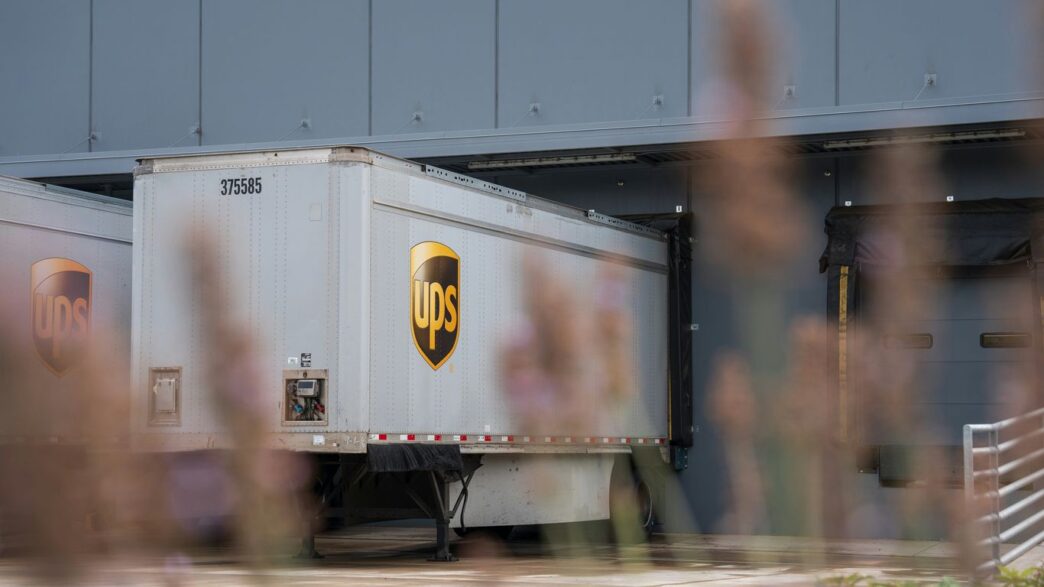
The Rise Of The Ups Robot In Logistics
You know, it feels like robots are popping up everywhere these days, and the world of package delivery is no exception. UPS is really leaning into this, making some big moves to get more automation into their warehouses. It’s not just a small experiment either; this looks like one of the biggest plays in the whole logistics game to use robots.
Investing In Warehouse Automation
So, UPS is reportedly dropping about $120 million on around 400 robots. These aren’t just any robots; they’re designed to actually unload delivery trucks and those big shipping containers. This is part of a much larger plan, a whopping $9 billion investment across their entire network aimed at making things more automated. The goal? To save about $3 billion by 2028. That’s a serious chunk of change.
The Pickle Robot Co. Partnership
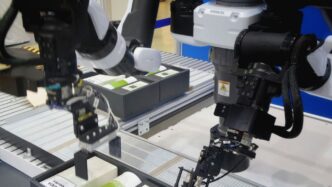
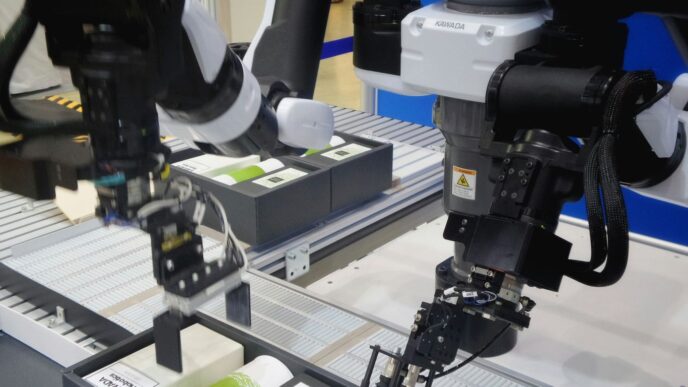
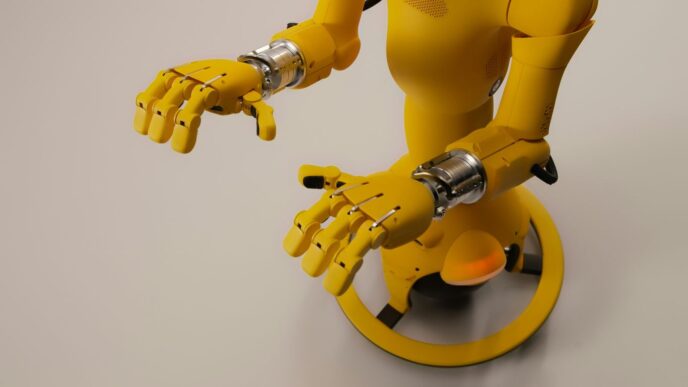
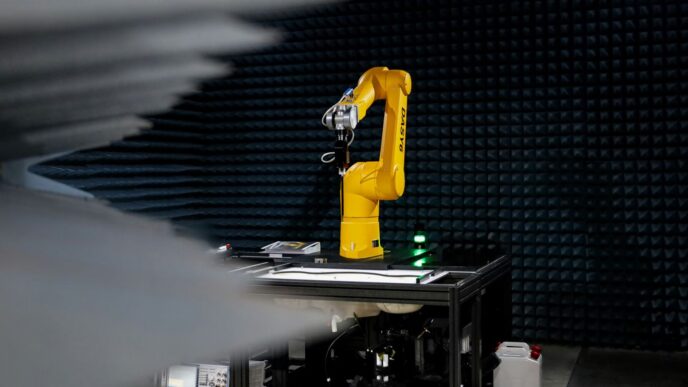
The robots themselves are coming from a company called Pickle Robot Co., based out of the Boston area. UPS has been working with them for a couple of years now, so it’s not a brand-new relationship. These machines have a mobile base and a robotic arm that can grab boxes, even ones weighing up to 50 pounds, and put them onto conveyor belts. Apparently, one robot can unload a standard truck in about two hours. That’s pretty quick when you think about how long it can take people.
AI And Sensor Integration For Ups Robots
What makes these robots smart? Well, they’re packed with AI, sensors, and cameras. This tech helps them figure out what kind of boxes they’re dealing with, no matter the shape or size, and grab them without dropping them. It’s all about making sure they can handle the job safely and efficiently. UPS plans to start rolling these out in different facilities starting in the second half of 2026 and into 2027, after putting them through years of testing. They want to make sure these robots actually help cut down on labor costs and make things run smoother. The good news is, they’re designed to fit into the warehouses they already have, so no major construction needed.
Transforming Package Handling With Ups Automation
You know, unloading trucks and shipping containers is a pretty rough job. It’s mostly done by hand, and it can really slow things down. UPS is changing that by bringing in robots to handle some of the most repetitive and tough tasks. This isn’t just about making things faster, though. It’s a big part of their plan to save money and make their whole operation run smoother.
Automating Repetitive Warehouse Tasks
Think about all the boxes that come through a UPS facility every single day. A lot of the work involves just picking up boxes, moving them, and putting them down again. It’s the kind of work that can wear people out and, honestly, it’s where mistakes can happen. UPS is using new robots, like those from Pickle Robot Co., to take over these kinds of jobs. These robots have arms that can grab boxes, some weighing up to 50 pounds, and put them onto conveyor belts. One robot can unload a whole truck by itself in about two hours. That’s a huge time saver compared to how it’s done manually.
Ups’s $9 Billion Automation Strategy
This isn’t a small experiment for UPS. They’re putting a massive amount of money, around $9 billion, into automation across their entire network. Part of that includes buying about 400 of these unloading robots, costing around $120 million. The goal is to cut costs by $3 billion by 2028. It’s a clear signal that they see automation as the way forward to stay competitive and efficient in the fast-paced world of package delivery.
Impact On Labor Costs And Productivity
So, what does this mean for the people working at UPS? The company says these robots are meant to help, not replace, their human workers. By taking on the most back-breaking and monotonous tasks, the robots free up employees to focus on other, perhaps more complex, jobs. This could lead to fewer injuries from repetitive strain and a general boost in how much work gets done. While it’s hard to put an exact number on it yet, the expectation is that this shift will significantly improve productivity and, over time, help manage labor costs more effectively. It’s all about finding a better balance between human effort and machine capability.
Ups Robot Deployment And Future Outlook
So, when are these UPS robots actually going to show up and start doing their thing? It’s not like they’re going to appear overnight. UPS is planning a pretty careful rollout, starting in the second half of 2026 and stretching into 2027. This isn’t some rushed experiment; they’ve been kicking the tires on this tech for a couple of years already, making sure it actually works and makes sense for their massive operations.
Phased Rollout In Facilities
The plan is to introduce these robots gradually across different UPS facilities. Think of it like testing the waters before diving in. They want to see how these machines handle the real-world chaos of a busy warehouse, not just a controlled lab environment. This phased approach lets them iron out any kinks and make sure the robots can actually keep up with the pace of package handling without causing new problems.
Years Of Testing And Validation
Before you even saw a prototype, UPS was putting these robots through their paces. We’re talking about extensive testing to figure out if they really cut down on labor costs and boost how much work gets done. It’s a big investment, so they needed solid proof that these robots are a smart move. This isn’t just about having cool tech; it’s about making the business run better and saving money in the long run.
Adapting To Existing Warehouse Setups
One of the neat things about these robots is that they’re designed to fit right into the warehouses UPS already has. They aren’t demanding a complete overhaul of their buildings. This means less disruption and a quicker path to getting them operational. It’s all about making automation work with what’s already there, not forcing a whole new system from scratch. Here’s a quick look at what they’re designed to do:
- Unload delivery trucks and shipping containers: Taking on the heavy lifting.
- Handle boxes up to 50 pounds: Dealing with a good chunk of the packages.
- Work with conveyor belts: Integrating into existing workflows.
- Use AI and sensors: To identify and safely grab packages of various shapes and sizes.
Beyond Warehouse Robots: Drone Integration
Drone Technology For Last-Mile Delivery
So, while robots are busy inside the warehouses, UPS is also looking up. They’re seriously exploring drones for getting packages to people’s doors. Think about it: a drone flying from a truck or a local hub right to your house. This could really speed things up, especially for those urgent, small packages. UPS has been testing this out, even using drones to deliver medicine to an island off the coast. It’s not just about speed, though. They’re also looking at how drones can help in places that are hard to get to, like delivering supplies in disaster areas. It’s a big shift from just having trucks on the road.
Autonomous Drone Routes And Charging
Making drones fly themselves isn’t as simple as just pointing them in the right direction. UPS is working on making these flights totally autonomous. This means the drone figures out the best way to go, avoiding obstacles, and getting to the destination without a person controlling it every second. They’ve even tested systems where a drone launches from the roof of a delivery truck. The driver loads the package, hits a button, and off it goes on a pre-set path. The drone can even recharge while it’s docked on the truck. Right now, the flight times are around 30 minutes, and they can carry about 10 pounds. The idea is that the driver can keep making other stops while the drone is out on its delivery. It’s all about making the whole process more efficient.
Humanitarian And Inventory Applications
It’s not all about regular deliveries, though. UPS is using drones for some pretty important stuff. They’ve partnered with groups to deliver things like blood and vaccines to remote areas where getting there by road is tough. It’s a way to get life-saving supplies where they’re needed fast. On the flip side, they’re also using drones inside their own warehouses. These drones can fly up and check inventory on high shelves, which is a job that’s usually pretty difficult and time-consuming for people. So, drones are proving useful both out in the field and behind the scenes in their operations.
The Intelligence Driving Ups Automation
You know, it’s not just about slapping some metal arms onto a machine and calling it a day. The real magic behind UPS’s robot fleet, and honestly, a lot of modern automation, is the brainpower. We’re talking about Artificial Intelligence (AI) and some pretty sophisticated sensors working together to make these robots smart.
AI For Planning And Decision-Making
Think about it: a robot needs to figure out how to grab a box, where to put it, and how to do it without dropping it or bumping into anything. That’s where AI comes in. It’s not just following a simple script. These systems use AI to look at a situation – like a pile of packages in a truck – and decide the best way to tackle it. They can figure out the shape of a box, how much it weighs, and the quickest, safest way to move it. This ability to perceive, decide, and act independently is what separates true automation from just a fancy machine. It’s like the difference between a remote-controlled car and a self-driving one.
Continuous Learning And Optimization
What’s really cool is that these robots aren’t static. They learn. Every time a robot handles a package, it’s gathering data. This data feeds back into the AI, helping it get better over time. If a certain way of grabbing a box isn’t working well, the AI can adjust its approach for the next time. It’s a constant cycle of improvement, making the whole operation smoother and more efficient. This learning process is key to how UPS is trying to save money and speed things up.
Machine-Speed Logistics Operations
All this intelligence means things happen incredibly fast. We’re talking about decisions being made and actions being taken at speeds humans just can’t match. This isn’t just about moving packages quicker; it’s about creating a whole system that can react to changes almost instantly. If there’s a sudden surge in packages or a delay somewhere, the AI can help reroute things or adjust robot tasks without missing a beat. It’s about building a logistics network that operates at machine speed, making the entire delivery process more responsive and reliable.
Autonomous Logistics: The Future Network
We’re moving beyond just automating tasks; we’re talking about entire networks that can think and act on their own. This is where AI really shines, turning logistics into a self-managing system. Think of it like a super-smart brain for the entire supply chain, constantly learning and adjusting.
Predictive Freight and Route Optimization
This is all about using data to figure out the best way to move stuff. AI looks at everything – traffic jams, weather forecasts, even how much fuel costs at different times – to plot the most efficient paths. It’s not just about saving time; it’s about saving fuel and cutting down on emissions too. UPS already uses systems like ORION, which helps them cut down on millions of miles driven each year. It’s like having a crystal ball for deliveries.
Autonomous Warehousing and Sorting
Inside warehouses, robots are getting smarter. Instead of just following pre-set paths, they can now adapt on the fly. If there’s a sudden rush of orders, these robots can change their sorting and moving strategies instantly. They work around the clock, handling everything from picking items to packing them, all with minimal human input. This means fewer mistakes and faster processing, even when things get hectic.
The Evolution From Automation to Autonomy
For a long time, we’ve had automation – machines doing specific jobs. But autonomy is different. It’s about machines that can actually perceive their surroundings, make decisions, and then act on those decisions without a human telling them what to do every step of the way. It’s a big leap from a robot that just stacks boxes to one that can figure out the best way to stack them based on real-time inventory changes and delivery schedules. This shift means that instead of people managing machines, the machines are managing the flow of goods themselves, making the whole system much more responsive and efficient.
The Road Ahead
So, what does all this robot talk mean for UPS and for us? It looks like the company is really going all-in on automation, especially with those new robots for unloading trucks. It’s a big bet, for sure, aiming to save money and speed things up. They say it’s not about replacing people, but more about taking the grunt work off their plates so they can focus on other stuff. It’s a huge shift, and it’s happening across the whole shipping world. We’re seeing more robots working with people, handling the tough, repetitive jobs. It’s going to be interesting to see how this all plays out, but one thing’s for sure: the way packages get to our doors is changing, and robots are a big part of that future.