The energy world is changing fast, and if you’re in the utilities sector, you’ve probably noticed. Things like more electricity use from data centers and electric cars, plus the move to cleaner energy, are really shaking things up. It’s not just about keeping the lights on anymore; it’s about planning for a future that looks pretty different from today. We’re going to look at some of the big shifts happening and what they mean for how utilities operate.
Key Takeaways
- Electricity demand is shooting up, mainly because of data centers and more electric devices, making grid planning a bigger challenge.
- Planning how to move power across the country is getting way more complicated, especially with lots of new renewable energy sources being added.
- Keeping the grid reliable is tougher with weather changes affecting solar and wind power, plus older power plants shutting down.
- Smaller energy sources like home solar and batteries are becoming more important, and utilities need to figure out how to use them better.
- Utilities are spending a lot on upgrades, but they’re facing pushback on costs and need new ways to fund everything, all while keeping the grid safe from cyber threats.
Navigating Skyrocketing Electricity Loads
It feels like everywhere you look, electricity demand is just going up, up, up. And it’s not just a little bump; we’re talking about a serious surge. A big chunk of this is thanks to the explosion of data centers, especially those powering all the AI stuff. Plus, more and more things are getting electrified, like electric cars and heat pumps, which all need power. It’s a lot for the grid to handle.
The Surge in Demand Driven by Data Centers and Electrification
So, why all this sudden demand? Well, data centers are a huge part of it. They need a ton of electricity to run all those servers and keep them cool. Think about all the information and services we use online – that all lives in these massive buildings that are basically power hogs. On top of that, the push to electrify everything, from our cars to our homes, adds another layer of demand. It’s a double whammy that’s really stretching the grid.
Managing Interconnection Queues for Large Loads
When these big energy users, like data centers, want to connect to the grid, they have to go through a process called interconnection. Right now, these queues are getting really long. It’s like a massive waiting list, and it’s slowing down new projects. Some states are trying to speed things up by creating new rules or tariffs for these large loads, trying to figure out who’s serious and who’s just speculating. It’s a tricky balance between letting new businesses connect and making sure the grid can handle it without causing problems for everyone else.
State and Federal Regulatory Approaches to Load Growth
This whole load growth situation has gotten the attention of regulators, both at the state and federal levels. States are looking at things like special pricing for big users or ways to make sure they contribute fairly to grid upgrades. Meanwhile, the federal government is also stepping in, with agencies like the Department of Energy pushing for more oversight on how these large loads connect. There’s a bit of a tug-of-war happening as everyone tries to figure out the best way to manage this new demand without breaking the bank or the grid. It’s a complex puzzle with a lot of different pieces to consider.
The Evolving Landscape of Energy Transmission Planning
From Local Solutions to Complex, Long-Range Networks
Transmission used to be pretty straightforward. Utilities built power plants near where people needed electricity, and the wires connecting them weren’t usually a huge headache. But that’s changed, big time. Now, with wind and solar farms popping up where the sun shines brightest or the wind blows strongest, we’re talking about moving power over much, much longer distances. Think hundreds of miles, crossing different utility areas and even state lines. This makes planning a whole lot trickier.
Integrating Abundant Renewable Energy Sources
Getting all that renewable energy onto the grid is a puzzle. Unlike traditional power plants that can ramp up or down as needed, solar and wind are a bit more unpredictable. We need to figure out how to build transmission lines that can handle these variable sources without causing blackouts or wasting clean energy. It’s about making sure the grid is flexible enough to use what’s available, when it’s available.
Coordination and Cost Allocation Across Jurisdictions
When you’re building transmission lines that span multiple states or utility territories, figuring out who pays for what becomes a major hurdle. It’s not just about the physical construction; it’s about getting all the different players – utilities, regulators, and even the public – on the same page. This requires a lot more talking and planning than it used to. The days of simple, localized transmission projects are largely behind us; we’re now in an era of complex, multi-jurisdictional planning.
Here’s a look at some key considerations:
- Who benefits? Determining how different regions or customer groups will gain from new transmission lines.
- Who pays? Developing fair methods for sharing the costs among all involved parties.
- Who approves? Navigating the various regulatory processes and permitting requirements across different areas.
- What’s needed? Accurately forecasting future energy needs and resource availability to justify the investment.
Enhancing Grid Resilience Amidst Unpredictability
So, the grid’s gotta be tough, right? It’s not just about keeping the lights on when things are normal. We’re talking about dealing with all sorts of curveballs thrown our way. Think about it: the weather’s getting wilder, and we’re plugging in more and more stuff that relies on the sun and wind. That means things aren’t as predictable as they used to be.
Balancing Variable Renewable Energy Integration
This is a big one. We’re seeing a lot more solar panels and wind turbines popping up, which is great for the environment. But here’s the catch: they only work when the sun’s shining or the wind’s blowing. If it’s a cloudy, calm day, suddenly you’ve got less power. It’s like trying to run your house on a battery that only charges sometimes. When these renewables are just a small piece of the puzzle, it’s easier to make up the difference with other power sources. But when they become a major player, a sudden drop in their output can really put a strain on the whole system. We need ways to smooth out these ups and downs.
Addressing the Retirement of Firm Generation Assets
On top of the renewable variability, we’re also seeing older, reliable power plants – the ones that could always be counted on – start to shut down. These were like the dependable backup singers for the renewable headliners. Now that they’re retiring, we’ve got fewer of those steady sources to fill in the gaps when the sun isn’t shining or the wind isn’t blowing. It’s like losing a safety net.
Forecasting Shifting Load Patterns and Profiles
It’s not just about where the power is coming from; it’s also about where it’s going and when. People are using electricity differently now. For example, are we going to see a massive jump in demand from all those new data centers? How quickly will everyone start driving electric cars and charging them up? These are big questions that utilities have to try and answer to make sure there’s enough power available when and where it’s needed. Planning for this future demand is getting trickier by the day.
The Rise of Distributed Energy Resources and Virtual Power Plants
It feels like everywhere you look, there are more gadgets and gizmos in our homes and businesses that can talk to the grid. Think smart thermostats, electric car chargers, and even those fancy new refrigerators. On top of that, more people are putting solar panels on their roofs and adding battery storage. This whole trend is leading to something pretty interesting: the idea of a Virtual Power Plant, or VPP.
Harnessing Rooftop Solar and Battery Storage
Basically, a VPP isn’t a single building with a bunch of generators. Instead, it’s a network of all these smaller, distributed energy resources (DERs) that can be managed together. Utilities are starting to see the value in this. Instead of just building bigger power plants, they can tap into these existing resources when the grid needs a boost. It’s like having a bunch of tiny power sources that can all work in sync. This is especially helpful when we have a lot of solar power coming online, which can be unpredictable. Batteries, whether they’re in homes or larger grid-scale projects, are key to smoothing out that variability. They can store excess solar energy when the sun is shining bright and then release it when demand spikes or the sun goes down. This makes the grid more stable and less reliant on older, less flexible power sources.
The Growing Role of Electric Vehicles in Demand Response
Electric vehicles (EVs) are another huge piece of this puzzle. We’re seeing more EVs on the road every year, and they represent a massive potential load, but also a massive potential resource. When plugged in, these cars have batteries that can actually send power back to the grid if needed. This is called vehicle-to-grid (V2G) technology. Utilities can use this capability to help manage demand during peak hours. Imagine thousands of EVs plugged in overnight; instead of just drawing power, they could potentially send some back to help keep the lights on elsewhere. This is a big deal for demand response programs, where customers are incentivized to reduce their electricity use during critical times. EVs can be programmed to charge when electricity is cheap and abundant, and potentially discharge during peak times, all without the owner really having to do anything. It’s a way to make our transportation infrastructure work for the grid, too.
Maximizing Value from Existing Grid Resources
So, what does all this mean for utilities and us? It means we’re moving away from a one-way street of power delivery to a more dynamic, two-way conversation with our energy system. Utilities are realizing they can get more out of what they already have by coordinating these distributed resources. This can help defer or even avoid the need for expensive new transmission lines and power plants, especially as demand from places like data centers and widespread electrification continues to climb. It’s about being smarter with our energy. Instead of just building more, we’re learning to manage and optimize the energy we already generate and consume. This approach can lead to a more resilient, flexible, and potentially more affordable grid for everyone. It’s a shift that requires new software, new ways of thinking, and a lot more coordination, but the payoff could be significant.
Investing in the Future of Energy Infrastructure
So, the big question is, how do we pay for all this grid modernization and expansion? It’s a massive undertaking, and frankly, it’s getting more complicated. We’re looking at what some are calling an infrastructure "super-cycle," where utilities are planning to spend a whole lot more money in the coming years – think trillions, not billions. This surge is driven by a few things, like the huge demand from data centers and the general push towards electrification.
The Super-Cycle of Utility Spending and Its Funding Challenges
This isn’t just a small bump in spending; it’s a significant ramp-up. Estimates suggest utilities might double their spending over the next decade compared to the previous one. That’s a lot of new wires, substations, and technology.
- Massive Investment Needs: The sheer scale of upgrades and new builds required is unprecedented.
- Drivers of Spending: Data centers, electric vehicles, and integrating more renewables all demand a stronger, more flexible grid.
- Projected Spending: Industry watchers predict anywhere from $1.1 trillion to $1.4 trillion by 2030.
Navigating Ratepayer Backlash and Regulatory Scrutiny
But here’s the rub: who foots the bill? Mostly, it’s us, the customers, through our electricity rates. And let’s be honest, nobody likes seeing their bills go up. Utilities are already facing pushback from customers, regulators, and politicians who are watching these spending plans very closely. It’s a tough balancing act to make the necessary investments while keeping costs manageable for households and businesses.
Securing Adequate Funding Through Debt, Equity, and Innovation
So, how are utilities trying to get the money they need? The traditional routes – like getting approval for rate increases, or borrowing money through debt and selling stock (equity) – might not be enough on their own. The Deloitte Research Center pointed out that these methods could be strained, especially with rising electricity bills already a concern. This means utilities are going to have to get creative, looking for new funding models and innovative ways to finance these critical upgrades. Finding sustainable funding is going to be key to building the grid of tomorrow.
Leveraging Advanced Technologies for Grid Modernization
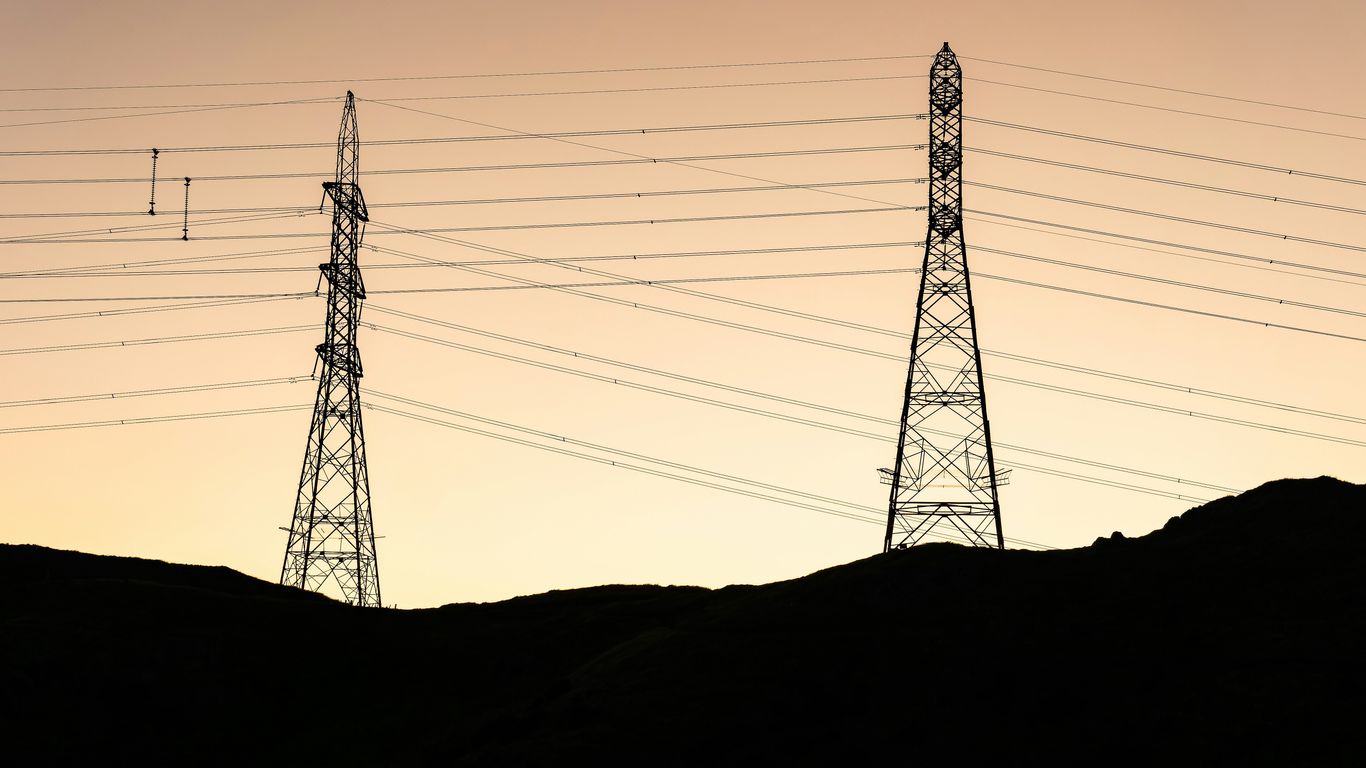
Okay, so the grid is getting pretty old, right? Like, over 70% of the U.S. power grid is older than 25 years. That’s a big deal when you think about how much we rely on electricity for everything. Plus, with all these crazy weather events happening more often, that old infrastructure is really getting put to the test. We need to get smarter about how we maintain it, and that’s where new tech comes in.
The Critical Role of Smart Grid Technologies
Think of a smart grid as the grid getting a major upgrade with digital brains. It lets utilities see what’s happening with electricity flow in real-time. This is super helpful for figuring out where problems might pop up before they actually cause an outage. It also helps manage all the new stuff coming onto the grid, like solar panels and electric cars. Basically, it makes the whole system work better and more efficiently.
- Real-time monitoring: Utilities can see exactly how much power is being used and where it’s going, moment by moment.
- Improved efficiency: By understanding the flow, utilities can reduce waste and make sure power gets where it’s needed without a hitch.
- Easier integration: New energy sources, like rooftop solar, can be plugged into the grid more smoothly.
- Faster outage response: When something does go wrong, smart grids help pinpoint the issue quicker, so power can be restored faster.
Advanced Battery Storage for Grid Stability
We’re seeing a lot more renewable energy, which is great, but the sun doesn’t always shine and the wind doesn’t always blow. That’s where advanced battery storage comes in. These aren’t just your AA batteries; we’re talking about big systems that can store excess energy when it’s plentiful and then release it when demand is high or when renewable sources aren’t producing. This helps keep the lights on consistently, even with all the ups and downs of renewables.
AI-Driven Energy Forecasting and Management
This is where things get really interesting. Artificial intelligence, or AI, is becoming a game-changer for predicting how much electricity people are going to need. With things like data centers and electric vehicles adding a lot of new demand, forecasting is getting way more complicated. AI can crunch huge amounts of data to make pretty accurate predictions about future energy use. This helps utilities plan better, manage their resources more effectively, and avoid costly mistakes. It’s like having a crystal ball for the power grid, but based on actual data and smart algorithms.
Fortifying Cybersecurity in an Increasingly Connected Grid
Our power grid is getting more connected by the day, which is great for efficiency but also opens up new doors for trouble. Think about it: more digital systems talking to each other means more places for bad actors to try and get in. We’ve seen a big jump in cyberattacks on utilities lately – some reports say over 70% more last year alone. These aren’t just minor glitches; they can range from ransomware that locks up systems to more serious intrusions targeting the very controls that keep the lights on.
Protecting Against Evolving Cyber Threats
The threats are always changing, and staying ahead is a constant challenge. It’s not just about putting up a basic firewall anymore. We’re talking about sophisticated attacks that can disrupt operations, steal sensitive customer information, or even cause physical damage to equipment. Utilities are looking at things like AI-powered systems that can spot weird activity in real-time, which is a big step up from older methods. Plus, sticking to rules like the NERC CIP standards is a must, but it’s really just the starting point.
Ensuring Business Continuity and Data Security
What happens if an attack actually gets through? That’s where business continuity planning comes in. It’s about having a solid plan to get things back up and running quickly, minimizing downtime and the impact on customers. This includes protecting all the data that flows through these connected systems. Losing customer data or operational secrets could be just as damaging as a blackout. Building security into the design from the ground up, rather than trying to add it later, is proving to be a much more effective and less costly approach.
Building Trust Through Robust Security Measures
Ultimately, all these technical steps come down to trust. Customers and regulators need to know that their power supply is safe and secure. This means being transparent about the risks and the steps being taken to address them. It involves regular testing of security systems, training staff on best practices, and having clear incident response plans ready to go. It’s a continuous effort, but a necessary one to keep the grid reliable and secure for everyone.
Looking Ahead
So, we’ve talked about a lot of big changes happening in how we move electricity around. Things like more and more demand from places like data centers, making sure the power stays on when the weather gets wild, and figuring out how to get power from where it’s made to where it’s needed, often over long distances. It’s a lot to handle. Utilities have to get smarter about planning, use new tech, and work with everyone involved to keep the lights on. It’s not going to be simple, but getting this right is super important for all of us. The way utilities handle these shifts now will really set the stage for how we get our power for years to come.