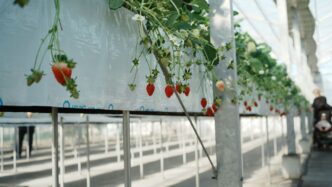
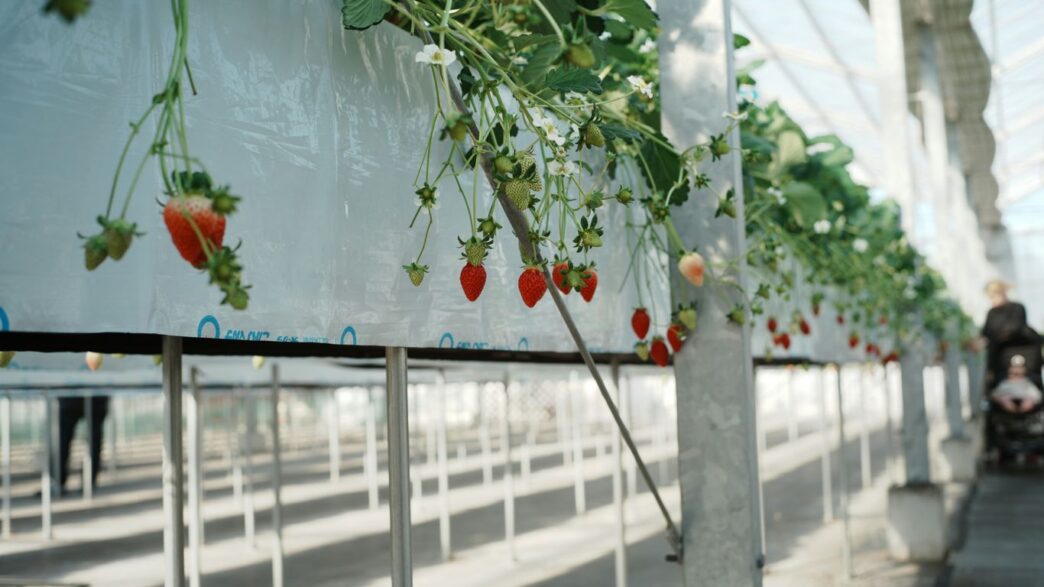
It feels like every other day, there’s news about how we need to grow food differently. We’ve got more people, weird weather, and less space to farm. So, what’s the answer? Many people are pointing to vertical farming. It’s this idea of growing food in stacked layers, usually indoors, using fancy tech. Think of it like a farm, but inside a building, and way more efficient. It’s not just a sci-fi concept anymore; it’s actually happening now and could change how we get our food.
Key Takeaways
- Vertical farming uses stacked layers indoors to grow crops, making it possible to produce more food in less space, which is great for cities and areas with limited land.
- This method uses much less water than traditional farming, often recycling water and nutrients, which helps conserve a vital resource.
- By growing food close to where people live, vertical farms cut down on the long trips produce usually takes, reducing transportation emissions and food waste.
- Technology like automation, AI, and smart sensors helps vertical farms run efficiently, controlling conditions precisely for better yields and less waste.
- While challenges like energy use and initial costs exist, ongoing innovation and global interest show that vertical farming is a serious contender for the future of food production.
Revolutionizing Food Production with Vertical Farming
The way we grow food is changing, and fast. Think about it: more people are packing into cities, the weather’s getting wilder, and we’re running out of good land to farm. It’s a lot, right? Well, vertical farming is stepping up to the plate, offering some pretty smart answers to these big problems. Instead of sprawling fields, we’re talking about growing food in stacked layers, often right inside urban areas. This isn’t some far-off sci-fi idea; it’s happening now, using tech to grow more food with way less stuff.
Addressing Land and Water Constraints
One of the most obvious wins with vertical farming is how little space it takes up. By stacking crops vertically, these farms can produce a surprising amount of food in a tiny footprint. We’re talking potentially hundreds of times more food per square foot compared to traditional farming. This is a game-changer for cities or places where farmland is scarce or just too expensive.
And then there’s water. Traditional agriculture can be a thirsty business. But vertical farms? They’re incredibly efficient. Many use closed-loop systems where water is recycled. This means they can use up to 90% less water than field farming. Imagine growing a kilogram of tomatoes using just a fraction of the water it used to take. This is huge, especially in areas struggling with drought.
Meeting Urbanization and Climate Change Demands
Cities are growing like crazy. More people means more mouths to feed, and doing that in a dense urban environment is tough. Vertical farms can be built right where people live, cutting down on the need for long, complicated supply chains. This means fresher food for city dwellers and less stress on transportation networks.
Climate change is also making farming unpredictable. Extreme weather can wipe out crops. But with vertical farms, the growing conditions are controlled. Rain, shine, or snowstorm outside, the plants inside are kept at the perfect temperature and humidity. This makes food production much more reliable, even when the weather outside is acting up.
A New Era of Resilient Food Systems
Putting it all together, vertical farming is helping build a food system that’s tougher and more dependable. It’s about growing food locally, using resources wisely, and making sure we have access to fresh produce no matter what’s happening in the world.
Here’s a quick look at why this matters:
- Less Travel: Food doesn’t need to be shipped thousands of miles, cutting down on transport emissions and spoilage.
- Year-Round Supply: Crops can be grown 365 days a year, unaffected by seasons or weather.
- Resource Savings: Significant reductions in water and land use compared to conventional methods.
- Urban Integration: Farms can be located within cities, improving access to fresh food and creating local jobs.
Sustainability at the Core of Vertical Farming
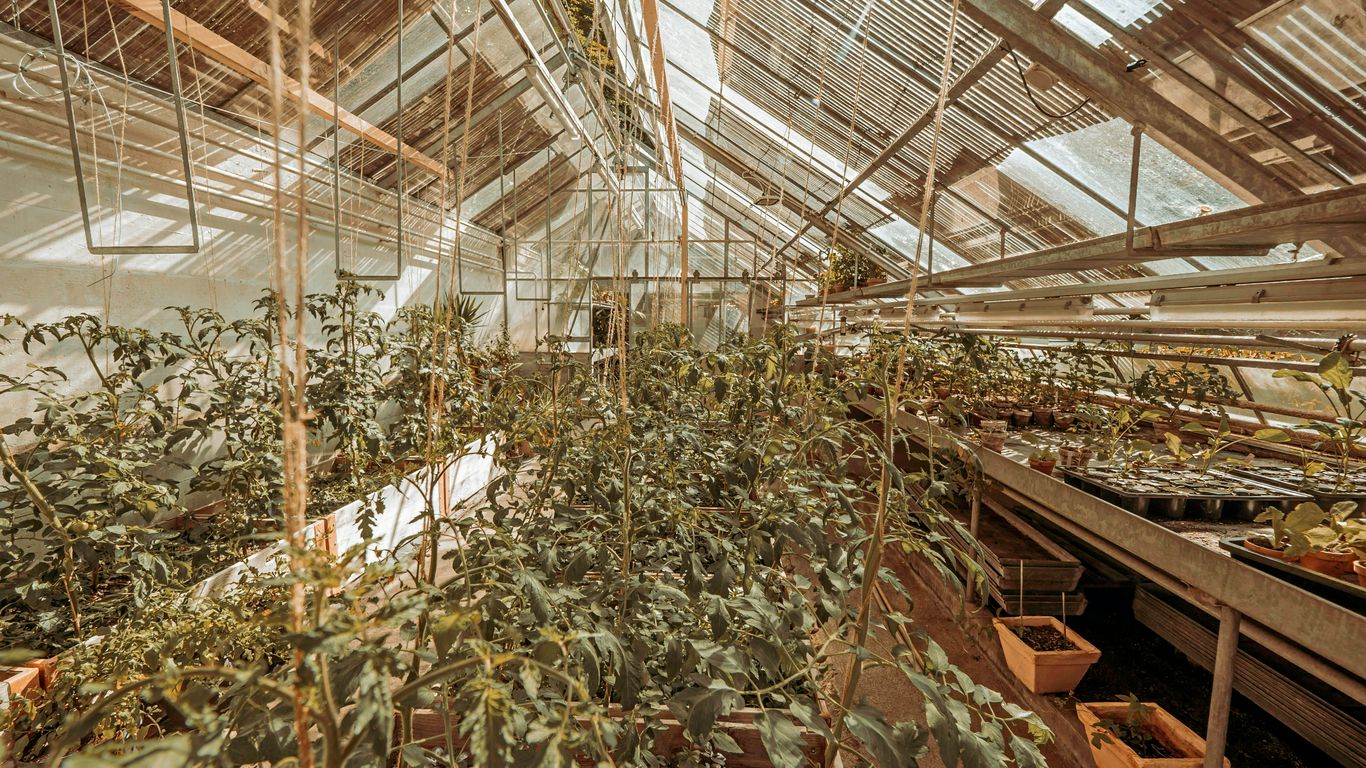
When we talk about vertical farming, sustainability isn’t just a buzzword; it’s pretty much the whole point. With the planet feeling the strain and resources getting tighter, this way of growing food offers a real alternative. It’s about producing food in a way that’s smart and doesn’t mess things up for the future. Let’s look at how it actually works.
Maximizing Resource Efficiency
Vertical farms are built to get the most out of every little bit. Think about water: instead of letting it all run off like in traditional fields, these systems often recirculate nutrient-rich water. This means they can use up to 90% less water. Pretty wild, right? Plus, by stacking crops and controlling things like light and nutrients precisely, they can grow a lot more food in a much smaller space. Some farms are seeing yields that are hundreds of times higher per square foot compared to regular farms. It’s all about doing more with less, and that’s a big deal.
Cutting Emissions Through Localized Production
One of the biggest wins for vertical farming is growing food right where people live. You know how much food travels, sometimes thousands of miles, before it hits your plate? That journey, often by truck or plane, creates a lot of pollution. By setting up farms in or near cities, vertical farms cut out most of that long-haul transport. This means less greenhouse gas emissions. It also means fresher food for us. Plus, many of these farms use old buildings or rooftops, so they aren’t clearing land to make space. Growing indoors also means they can produce food all year, regardless of the weather, which makes our food supply a lot more stable.
Renewable Energy Integration and Innovation
Okay, so vertical farms do use energy, especially for lighting and climate control. But the industry is really pushing to make this cleaner. Many farms are looking into using renewable energy sources like solar and wind power to run their operations. There’s also a lot of work going into developing more energy-efficient LED lighting systems that give plants exactly the light they need without wasting power. It’s a constant process of finding smarter, greener ways to power these high-tech farms, making them a more viable part of a sustainable future.
Technology Powering Vertical Farming’s Growth
It’s pretty wild how much technology is changing how we grow food, right? Vertical farming is a prime example. It’s not just about stacking plants; it’s about using smart systems to make it all happen efficiently. Think of it as a high-tech greenhouse, but way more controlled and often indoors.
Automation, AI, and Smart Farming
This is where things get really interesting. We’re talking about farms that can pretty much run themselves. Sensors are everywhere, constantly checking things like temperature, humidity, CO2 levels, and nutrient concentrations in the water. This data is fed into systems that automatically adjust conditions to give the plants exactly what they need, when they need it. It’s like having a personal chef for every single plant, all day long.
- Robotics: Robots are starting to handle tasks like planting seeds, moving trays, and even harvesting crops. This not only speeds things up but also reduces the need for manual labor, which can be a big deal in urban areas.
- AI and Machine Learning: Artificial intelligence analyzes all the data coming from the sensors. It learns what works best for different crops and can predict potential problems before they even show up. This means less guesswork and more consistent yields.
- IoT (Internet of Things): All these connected devices – sensors, lights, pumps, climate control – talk to each other. This network allows for real-time monitoring and control from anywhere, often through a simple app on your phone.
The Rise of Data-Driven Agriculture
Because these farms are so automated, they generate a ton of data. And farmers are using this data to get smarter. Instead of relying on gut feelings or old-school methods, they’re making decisions based on actual numbers. This data helps them figure out:
- The optimal light spectrum and duration for specific crops.
- The precise mix of nutrients needed at different growth stages.
- When to harvest for the best quality and yield.
- How to minimize water and energy use without sacrificing growth.
This approach means less waste and more predictable harvests, which is a huge win for food security. It’s a shift from farming by tradition to farming by science.
Advanced Lighting and System Design
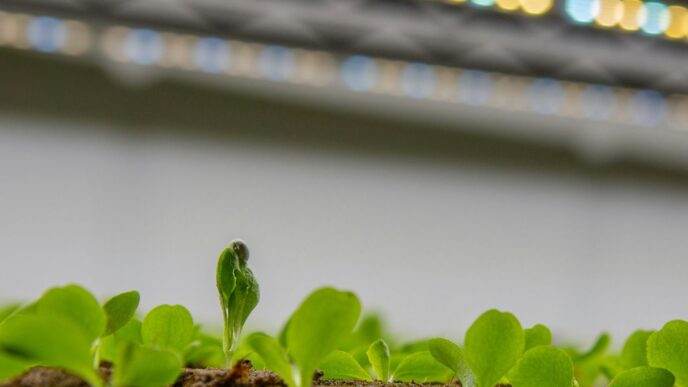
Lighting is a big one. Traditional farms rely on the sun, but vertical farms use specialized LED lights. These lights can be tuned to emit specific wavelengths of light that plants need most for photosynthesis. This means you can give the plants exactly the kind of light they thrive on, and you don’t have to worry about cloudy days.
Beyond lighting, the actual design of the growing systems matters. We’re seeing a lot of innovation here:
- Hydroponics: Growing plants in nutrient-rich water without soil.
- Aeroponics: Misting plant roots with nutrient-rich water.
- Aquaponics: Combining fish farming with hydroponics, where fish waste fertilizes the plants.
Each system has its pros and cons, but they all aim to use water and nutrients more efficiently than traditional soil-based farming. The whole setup is designed to maximize space, often using vertical racks and automated systems to move crops around. It’s a carefully engineered environment, built for maximum output in a small footprint.
Global Models Leading Vertical Farming
It’s pretty amazing to see how different countries are jumping into vertical farming. Some places are really going all-in, with big government plans to back them up. These examples show us how vertical farms can actually help meet national food goals, especially in busy cities.
Singapore’s 30 by 30 Vision
Singapore has this really clear goal: they want to grow 30% of their own food needs by the year 2030. They call it the "30 by 30" plan. It makes sense because they import over 90% of their food right now. Since Singapore doesn’t have much land for farming, vertical farming is a huge part of their strategy. Companies there are using stacked systems that can grow way more food in the same amount of space compared to regular farms. They’re also using much less water. It’s a great way to show that vertical farming can work, even in crowded cities where resources are tight.
China’s Policy-Driven Acceleration
China is dealing with super-fast city growth, and that puts a lot of pressure on how they feed everyone, especially since they don’t have a ton of farmland. So, the Chinese government is putting a lot of support behind vertical farming. They’re offering incentives, financial help, and setting up special tech parks for farming. This is making vertical farming a big piece of their long-term food plan. In fact, the market for vertical farming in China is expected to grow really fast over the next few years. A big part of this is making sure vertical farms are included right from the start when they plan out new city areas. This helps solve land use problems and makes sure city folks get fresh food.
International Adoption and Investment
Across the globe, the vertical farming market is really taking off. We’re seeing numbers that show it’s not just a small trend anymore. The market was worth billions in 2021 and is projected to grow into the tens of billions by 2030, and even more by 2035. What’s driving this? A few big things: more people living in cities, climate change making outdoor farming trickier, and the general push for smarter, more efficient ways to grow food that don’t take up huge amounts of land. Vertical farming is adaptable; it doesn’t need perfect soil or weather. It just needs space, light, and good systems. This makes it a strong option for feeding our growing world. Different regions have their own focus, but the main drivers are similar everywhere. The US is seeing a lot of investment in controlled environment agriculture, while China is scaling up rapidly thanks to government backing and its need for local food production.
The Evolving Landscape of Vertical Farming
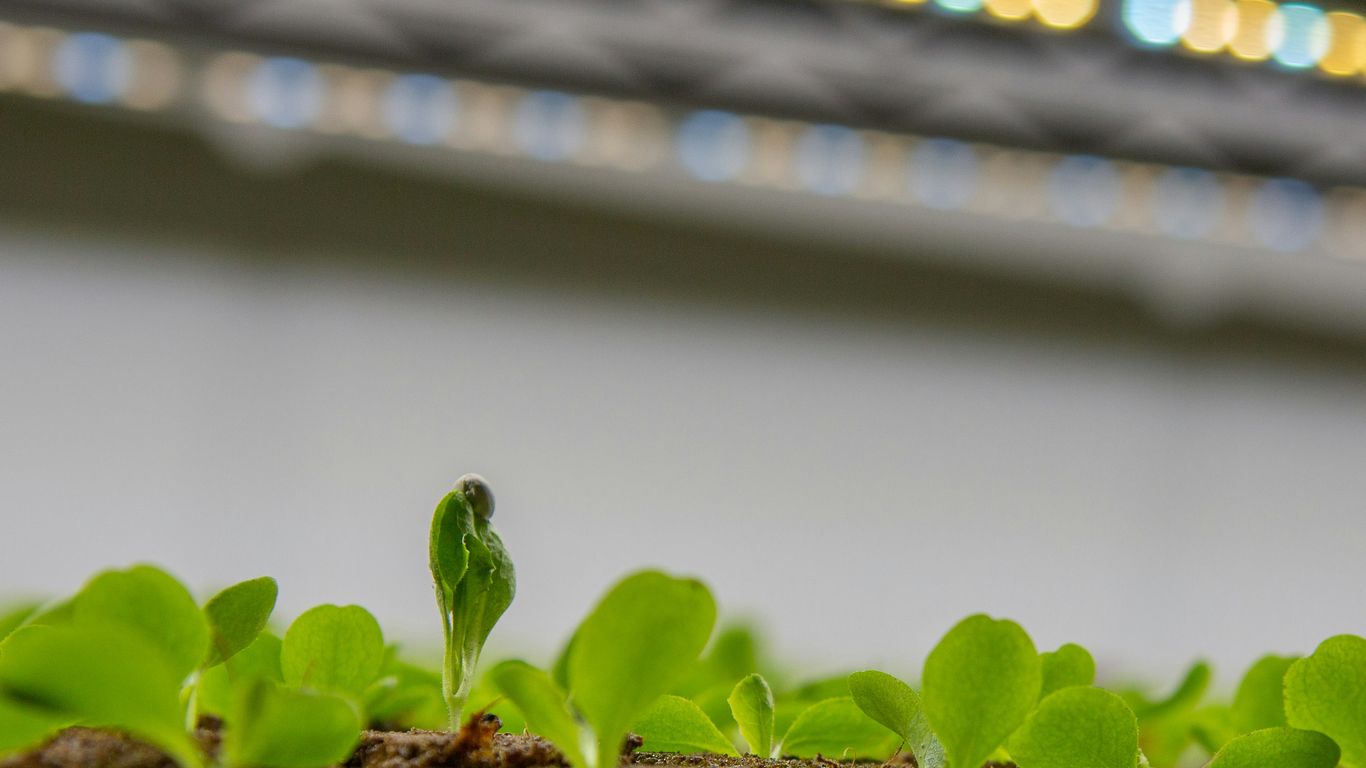
Vertical farming is moving way beyond its early days of stacked greens in warehouses. There’s a wider range of crops, new designs in urban buildings, and a steady stream of tech updates shaping tomorrow’s farms. It’s no longer just about lettuce on racks. Here’s what’s changing right now.
Crop Diversification Beyond Leafy Greens
People used to think vertical farms could only handle lettuce, spinach, and maybe a few herbs. That’s changing fast. Farms are producing all sorts of foods, thanks to better lighting, smarter water systems, and improved climate control. Now, you can find everything from cherry tomatoes and strawberries to peppers, microgreens, and even a few root veggies growing in these stacked setups. Growing more types of crops strengthens business, and helps communities avoid relying on only a few imports.
- More options for shoppers—think strawberries in January instead of just lettuce.
- Reduces risks for farmers if one crop fails or sells slowly.
- Lets urban markets offer a broader diet, not just salad mixes.
Here’s a quick glimpse at what crops some leading vertical farms are now producing:
| Crop Type | Percentage of Revenue (Estimated) |
|---|---|
| Leafy Greens | 55% |
| Tomatoes | 25% |
| Herbs | 10% |
| Berries | 7% |
| Others | 3% |
Integrating Farming into Urban Architecture
Cities are now putting farms almost everywhere—rooftops, inside empty malls, and even in the basements of busy apartment blocks. This isn’t just for show. Building farms into urban architecture shortens food supply chains, keeps produce fresher, and makes local eating feel normal.
- Apartment complexes with a floor just for farming.
- Grocery stores with greens growing right behind the shelves.
- Public buildings that double as food suppliers for local families.
For city planners, it’s a smart way to tackle food deserts—places where finding fresh veggies is tough. For residents, there’s more trust in food that grows just down the street.
Future Innovations in Controlled Environment Agriculture
What’s next? A lot, honestly. Controlled Environment Agriculture (CEA) is getting smarter and more automatic by the year. Farms are installing sensors, using artificial intelligence to tweak conditions in real time, and experimenting with totally new lighting systems that help different crops thrive side-by-side.
- AI systems that notice a crop disease before any human spots it.
- Custom LED recipes so that one column of tomatoes and another of basil can grow side-by-side under the same roof.
- Robots handling planting, harvesting, and packing with almost zero waste.
So, vertical farming today is much more than stacks of lettuce in a warehouse. Thanks to all this change, it’s starting to look like the start of something a lot bigger for how we all get our food.
Overcoming Challenges in Vertical Farming
While vertical farming sounds like a dream come true for food production, it’s not without its hurdles. We’ve got to be real about the tough spots so we can figure out how to get past them. It’s a bit like trying to assemble IKEA furniture without the instructions – looks simple, but can get complicated fast.
Addressing High Energy Consumption
This is a big one. Running all those lights, climate control systems, and pumps takes a serious amount of electricity. Think about it: you’re essentially creating a perfect little world for plants 24/7, and that requires power. The industry is actively working on making these systems more energy-efficient. This includes using smarter LED lighting that uses less power and generates less heat, and optimizing airflow to reduce fan usage. Plus, there’s a growing push to power these farms with renewable energy sources like solar and wind, which helps cut down on both costs and the carbon footprint.
Reducing Upfront and Operational Costs
Setting up a vertical farm isn’t cheap. The initial investment in technology, building materials, and specialized equipment can be pretty high. Then there are the ongoing costs of energy, water, nutrients, and labor. It’s a lot for any business, especially newer ones, to handle. To tackle this, we’re seeing more modular farm designs that allow for phased growth and lower initial outlays. Companies are also exploring leasing options for equipment and looking into public-private partnerships to share the financial load. Making the technology more standardized and accessible is key to bringing these costs down over time.
Building Market Awareness and Knowledge
Let’s face it, not everyone knows what vertical farming is or why it’s important. Investors, grocery store owners, and even everyday consumers might be skeptical or just uninformed. This means vertical farms have to spend time and resources explaining their value proposition. They need to show how they can provide fresh, local produce year-round, regardless of the weather. Building trust and understanding involves clear communication, showing off the benefits like reduced water use and shorter supply chains, and maybe even offering tours or educational programs. It’s about getting people excited about this new way of growing food and showing them it’s a reliable and smart choice.
The Future is Growing
So, there you have it. Vertical farming isn’t some far-off dream; it’s happening now, and it’s changing how we get our food. It tackles big issues like feeding growing cities, dealing with a changing climate, and not having enough land or water. By using smart tech and clever design, these farms grow food right where we live, using way less water and space than old-school methods. Countries are already seeing how this can make their food supply more secure. As the technology gets even better with things like AI and robots, these farms will become even more efficient. It’s exciting stuff, and it looks like the future of farming is here to stay, making our food system stronger and more sustainable for everyone.
Frequently Asked Questions
What exactly is vertical farming?
Imagine growing plants not in a field, but in stacked layers, like shelves in a tall building, often inside a city. That’s vertical farming! It uses special lights and controlled conditions to grow food all year, no matter the weather outside.
Why is vertical farming considered so good for the environment?
It’s super efficient! Vertical farms use way less water, sometimes up to 90% less, because they recycle it. Plus, growing food right in cities means it doesn’t need to travel far, cutting down on pollution from trucks and planes. It also uses less land than traditional farms.
Can vertical farms grow more than just lettuce?
Yes! While lettuce and other leafy greens were the first big stars, vertical farms are now growing things like tomatoes, strawberries, peppers, and herbs. Scientists are finding ways to grow even more types of food this way.
Does vertical farming use a lot of electricity?
It can, because of the special lights needed. But farmers are getting smarter! They’re using more energy-saving lights and even trying to power their farms with clean energy sources like solar and wind power to reduce their electricity use.
Is vertical farming expensive to set up?
Setting up a vertical farm can cost a good amount of money at first because of all the technology involved. But, as more farms are built and technology gets better, the costs are coming down. Plus, they save money in the long run by using fewer resources.
Will vertical farming replace all traditional farms?
Probably not! Traditional farming still has its place, especially for crops that need a lot of space or outdoor conditions. Vertical farming is more like a powerful addition to our food system, helping us grow food in new places, like cities, and making sure we have fresh food even when the weather is bad.