The Evolution of Waymo’s Autonomous Driving Technology
Waymo’s journey into self-driving cars didn’t just start yesterday. It’s been a long road, building on years of work and a clear vision. Waymo, a part of Alphabet (you know, Google’s parent company), has been focused on making transportation safer and simpler for everyone. They’ve been at this since 2009, initially as a project within Google, before becoming its own dedicated company. This focus allowed them to really push the boundaries.
Introducing the Waymo 6th Generation Driver
The latest iteration, the 6th Generation Driver, represents a significant leap forward. It’s not just about adding more tech; it’s about making everything work together better. Think of it as refining a complex recipe over many years to get the perfect flavor. This generation is designed to handle a wider range of driving situations with more confidence and precision, paving the way for truly driverless operations.
Advancements in Sensor Technology
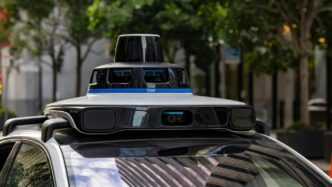
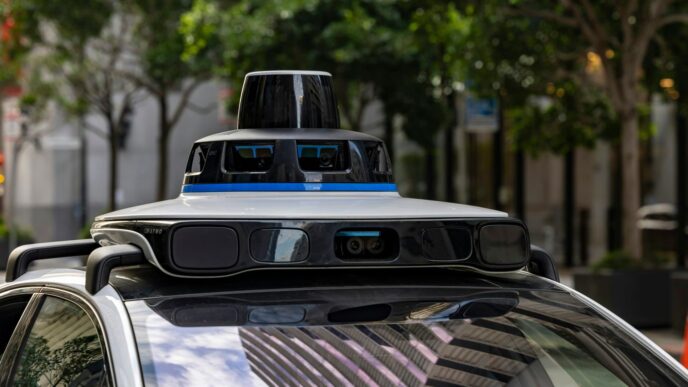
To see the world like a human driver, but better, Waymo relies on a suite of sensors. We’re talking about cameras that see in color, radar to detect objects even in bad weather, and LiDAR units that create detailed 3D maps of the surroundings. The 6th Gen driver integrates these sensors more effectively. It’s like upgrading from a basic map to a high-definition, real-time satellite view. This allows the car to build a really clear picture of what’s happening around it, all the time.
- LiDAR: Provides precise distance and shape information.
- Radar: Works well in rain, fog, and darkness.
- Cameras: Capture visual details and read signs.
- Audio Detectors: Pick up sounds like sirens.
The Role of Simulation in Development
Driving millions of real-world miles is important, but it’s not enough. Waymo puts its technology through billions of miles in simulation. This is where they can test crazy scenarios – things that are rare or too dangerous to try on public roads. Imagine testing a million different ways a pedestrian might step out from behind a parked car, all in a single day. This virtual testing helps the Waymo Driver learn and adapt much faster than real-world driving alone could ever allow. It’s this combination of real-world experience and vast simulated practice that makes the 6th Generation Driver so capable.
Rigorous Testing and Safety Protocols
Before Waymo’s 6th Generation Driver hits the streets for public use, it goes through a testing process that’s pretty intense. Think of it like this: Waymo doesn’t just send its cars out there and hope for the best. They have a whole system in place to make sure these vehicles are as safe as they can possibly be.
Comprehensive On-Road Testing Miles
Waymo’s vehicles have spent a lot of time driving on real roads. We’re talking millions of miles logged in places like Arizona, California, Texas, and Washington. This isn’t just casual driving; it’s about encountering all sorts of everyday situations that a car might face. They track how the car handles traffic, different weather, and unexpected events. This real-world driving is key to understanding how the technology performs outside of a controlled environment. It helps them gather data on how the car reacts to things like sudden braking from other drivers or pedestrians stepping out.
Dedicated Closed-Course Testing Facilities
Beyond public roads, Waymo has its own special testing grounds. They’ve built a private facility, about 91 acres, that’s designed to mimic a real city. It has everything from busy streets and intersections to quieter suburban roads and even things like railroad crossings. This allows them to test specific scenarios that might be too dangerous or rare to try out on public streets. They can practice tricky maneuvers, test how the car handles extreme weather conditions they create, and work on edge cases – those unusual situations that don’t happen every day but are important to get right. It’s like a controlled laboratory for their self-driving tech.
Virtual Testing and Simulation Capabilities
This is where things get really interesting. Waymo runs a massive simulation program. Every day, they have thousands of virtual Waymo cars driving billions of miles in a simulated world. This isn’t just a simple video game; it’s a highly detailed digital replica of the real world. They can use this to test new software updates or hardware changes millions of times over without putting any real cars at risk. It’s incredibly efficient for testing a huge number of scenarios, especially those rare but critical situations. They can even recreate past accidents in simulation to see how their system would have performed, which is a pretty powerful way to learn and improve.
Waymo’s Commitment to Safety and Public Trust
Building trust with the public is a big deal when you’re talking about cars that drive themselves. Waymo knows this, and they’ve put a lot of effort into showing how seriously they take safety. It’s not just about making the tech work; it’s about making sure people feel comfortable and confident using it.
Waymo’s Safety Report and Data Transparency
Waymo puts out a safety report, which is pretty cool. It’s like they’re saying, "Here’s the data, judge for yourself." They share information about how their vehicles perform on public roads. This transparency is important because it helps everyone understand the technology better. They’ve even shared datasets with researchers to help the whole field move forward. It’s a way to show they’re not hiding anything and that they’re invested in the broader safety conversation.
Redundancy in Autonomous Systems
Think about it like having backup plans for your backup plans. Waymo builds its systems with a lot of redundancy. This means if one part of the system has an issue, there are other parts ready to take over. This applies to everything from the sensors that see the road to the computers that make decisions. It’s all about making sure the vehicle can handle unexpected problems safely, even if something goes wrong with a component.
Continuous Improvement Through Real-World Data
Every mile Waymo’s vehicles drive, whether on public roads or in simulations, is a learning opportunity. They collect tons of data from these experiences. This real-world information is used to constantly update and improve the Waymo Driver software. It’s a cycle: drive, collect data, learn, improve, and then drive again. This ongoing process helps the system get better at handling all sorts of driving situations, making it safer over time.
Scaling Autonomous Operations with the 6th Generation Driver
So, Waymo’s 6th Generation Driver isn’t just about making the cars smarter; it’s really about getting them out there, doing the job, and serving more people. Think about it – all that advanced tech needs to translate into actual, everyday services. That’s where the scaling comes in.
Expanding Ride-Hailing Services
Waymo’s been steadily growing its ride-hailing service, Waymo One. The 6th Gen driver is key to making this expansion smoother and more reliable. They’re not just adding more cars; they’re making sure the service works well in more places and at more times. This means handling different weather conditions, more complex city streets, and a higher volume of rides without missing a beat. The goal is to make autonomous rides as common and easy as calling a regular taxi, but safer and more convenient.
- Phoenix Expansion: Continuing to build on their established presence, Waymo is increasing the number of vehicles and service areas within the Phoenix metro. This allows more residents to experience autonomous rides.
- San Francisco and Los Angeles Growth: The service is also being scaled up in these major California cities, tackling denser traffic and more varied road layouts.
- New Market Entry: The 6th Gen driver is designed to be adaptable, paving the way for Waymo to launch in new cities more efficiently.
Future Prospects for Freight and Logistics
Beyond people-moving, Waymo sees huge potential in using its autonomous tech for hauling goods. The 6th Gen driver is built with this in mind, too. Imagine trucks driving themselves on highways, day and night, without needing a human behind the wheel for long stretches. This could really change how goods get from point A to point B, making it faster and maybe even cheaper.
- Highway Autonomy: The technology is being refined for long-haul highway driving, where conditions are often more predictable than city streets.
- Hub-to-Hub Models: The initial focus is likely on moving freight between distribution centers or logistics hubs.
- Integration with Existing Logistics: Waymo is looking at how its autonomous trucks can fit into the current supply chain without major disruptions.
Global Expansion Strategies
Waymo isn’t just thinking about the US. The 6th Generation Driver is being developed with an eye toward international markets. Different countries have different driving rules, road conditions, and even driving cultures. The adaptability of this new system is what will allow Waymo to eventually bring its services to people all over the world. It’s a big step, but one that seems to be on the horizon.
The Technological Foundation of the Waymo 6th Generation
So, how does Waymo’s latest system actually work? It’s a pretty complex setup, but at its core, it’s all about making the car "see" and "think" like a human driver, only much, much better. They’ve really leaned into a few key areas to make this happen.
Integration of AI and Machine Learning
Artificial intelligence, especially machine learning, is the brain of the operation. Think of it like this: the system learns from every mile driven, every scenario encountered. It’s not just programmed with rules; it actually adapts and improves over time. This means the more Waymo vehicles are out there, the smarter the entire fleet gets. They use neural networks, which are kind of inspired by how our own brains work, to process all the information coming in from the car’s sensors. This allows the system to recognize objects, predict what other road users might do, and make decisions in real-time. It’s a constant cycle of learning and refining.
Advanced Sensor Fusion Techniques
To "see" the world, Waymo uses a whole suite of sensors. We’re talking about LiDAR, which uses lasers to create a 3D map of the surroundings, cameras that provide visual detail, and radar for detecting objects even in bad weather. The real magic, though, is in "sensor fusion." This is where the system takes the data from all these different sensors and combines it into a single, coherent picture of what’s happening around the car. This integrated view is Waymo’s secret sauce for understanding complex environments. Each sensor has its strengths and weaknesses, but by combining their inputs, the system gets a much more reliable and detailed understanding than any single sensor could provide on its own.
The Importance of Automotive Networks
All this technology needs to talk to each other, and it needs to do it fast and reliably. That’s where automotive networks come in. Waymo’s vehicles have sophisticated internal networks that allow the different computers and sensors to communicate instantly. This is also important for when the vehicles need to communicate with external systems, like traffic management or even other vehicles in the future. Think of it as the nervous system of the car, making sure all the parts are in sync and working together. This high-speed communication is what allows the car to react quickly to changing road conditions, which is obviously super important for safety.
Waymo’s Vision for Future Mobility
Improving Urban Quality of Life
Waymo’s whole deal is about making cities better places to live. Think about it: fewer cars stuck in traffic means less noise, less pollution, and more space for people. The Waymo Driver is designed to move smoothly and efficiently, which could really cut down on those frustrating traffic jams we all deal with. It’s not just about getting from point A to point B; it’s about making the journey itself less of a hassle and freeing up time for other things. Imagine reclaiming those hours spent stuck in traffic for something you actually want to do.
Reducing Traffic Congestion and Emissions
This is a big one. When you have more autonomous vehicles on the road, especially in a ride-hailing setup like Waymo One, they can be used more efficiently. Instead of everyone owning a car that sits idle most of the day, a shared fleet can be constantly on the move, picking up and dropping off passengers. This means fewer cars overall needed on the road. Fewer cars mean less exhaust, which is good for the air we breathe. Waymo’s goal is to make transportation cleaner and more sustainable, and that’s something we can all get behind.
Making Transportation Safer and More Accessible
Safety is Waymo’s top priority, and that’s clear from all the testing they do. By taking human error out of the equation – things like distraction or fatigue – autonomous vehicles have the potential to drastically reduce accidents. Plus, think about people who can’t drive right now, whether due to age, disability, or just not having a license. Waymo’s service could give them a new level of independence and freedom to get around. It’s about opening up mobility to everyone.
The Road Ahead
So, Waymo’s sixth-generation driver is a pretty big deal. They’ve been putting in the work, testing like crazy on roads and in simulations, and it really shows. It’s not just about getting cars to drive themselves; it’s about making transportation safer and easier for everyone. While other companies are also in the race, Waymo seems to have a solid lead, building on years of development and a clear vision. It’s exciting to think about what this means for how we’ll get around in the future, and Waymo is definitely a major player shaping that future.