Thinking about renewable energy? It’s a hot topic, and for good reason. We’re all hearing about how it’s the future, but like anything, it’s not all sunshine and rainbows. There are definitely good things about it, but also some not-so-great parts we need to talk about. This article is going to break down the advantages and disadvantages of renewable energy, so you can get a clearer picture of what it’s all about. We’ll look at the environmental side, the money matters, how the tech works, and even how it affects communities.
Key Takeaways
- Renewable energy sources like solar and wind produce zero emissions during operation, which is great for the environment and public health by reducing air and water pollution.
- While the upfront costs for renewable energy systems can be high, the long-term savings on energy bills and the rapidly decreasing prices of technologies like solar panels make them increasingly affordable.
- A major challenge for renewables is their dependence on weather conditions, leading to inconsistent power generation that often requires expensive energy storage solutions like batteries.
- Setting up renewable energy projects, especially large-scale ones, can require significant amounts of land and may face hurdles with integrating into existing power grids and transmission lines.
- Renewable energy projects can create local jobs and offer energy independence, but they can also lead to visual impacts on landscapes and sometimes noise concerns for nearby residents.
Environmental Advantages and Disadvantages of Renewable Energy
When we talk about renewable energy, the first thing that usually pops into mind is how good it is for the planet. And for the most part, that’s true. These energy sources, like the sun and wind, don’t burn fossil fuels to make electricity. This means they don’t pump out the nasty stuff that causes air pollution or contributes to climate change.
Zero Operational Emissions and Reduced Pollution
Once a solar panel is up and running or a wind turbine is spinning, they’re pretty clean. They don’t release greenhouse gases like carbon dioxide, which is a big deal for fighting global warming. Think about it: a typical solar setup can stop several tons of carbon emissions each year. That’s like planting a bunch of trees! Plus, they don’t spew out other harmful pollutants, like sulfur dioxide or nitrogen oxides, that make the air dirty and can cause serious health problems. This means cleaner air for everyone and fewer trips to the doctor.
Climate Change Mitigation
This is probably the biggest environmental win for renewables. By switching away from coal, oil, and natural gas, we can significantly slow down climate change. Scientists have been saying for a while now that we need to get a huge chunk of our electricity from renewable sources by 2050 if we want to keep global warming from getting too out of hand. It’s a massive global effort, and renewables are at the heart of it.
Impact on Wildlife and Ecosystems
Now, it’s not all sunshine and rainbows. Even clean energy can have some downsides for nature. For example, wind turbines, while great for making power, can sometimes be a hazard for birds and bats. They might fly into the blades, which is obviously not good for them. Also, building large solar farms or hydroelectric dams can change the landscape quite a bit. This can affect the homes and habitats of various animals and plants. Sometimes, the construction itself can disrupt local ecosystems. It’s a balancing act, trying to get clean energy without causing too much harm to the natural world around us.
Economic Benefits and Financial Considerations
When we talk about renewable energy, the money side of things is a pretty big deal. It’s not just about saving the planet; it’s also about saving and making money. The long-term cost savings are a major draw, especially as the technology gets cheaper.
Long-Term Cost Savings and Declining Prices
Think about it: once you’ve got solar panels on your roof or a wind turbine spinning, the ‘fuel’ – sunlight and wind – is free. This is a huge shift from fossil fuels, where prices can swing wildly based on global markets and politics. With renewables, you get a much more predictable energy bill over the years. Plus, the cost of the technology itself has been dropping like a stone. Solar panels and wind turbines are way cheaper now than they were even a decade ago, and experts think they’ll keep getting more affordable.
Here’s a rough idea of how much cheaper things are expected to get:
| Technology | Projected Cost Reduction by 2030 |
|---|---|
| Solar PV | 20-30% |
| Offshore Wind | 30-40% |
| Energy Storage | 50-70% |
| Green Hydrogen | 50-80% |
This trend makes renewables a really smart financial choice for both homeowners and big businesses looking to cut down on operating expenses.
High Upfront Capital Investment
Okay, so the long-term picture is bright, but we can’t ignore the initial sticker shock. Setting up a renewable energy system, whether it’s for your house or a whole power plant, requires a significant chunk of cash upfront. We’re talking thousands of dollars for a home solar setup, and millions for large-scale wind or solar farms. This can be a real hurdle, especially for individuals or communities that don’t have a lot of spare cash lying around. It means that while the payback period might be good, getting to that point requires a substantial initial investment.
Job Creation and Economic Independence
Switching to renewables isn’t just about energy; it’s also about jobs. The renewable energy sector is a growing employer, creating positions in manufacturing, installation, maintenance, and research. Globally, millions of people already work in this field, and that number is only expected to climb. For countries, relying more on domestic renewable resources means less dependence on imported fossil fuels. This boosts energy security and can help keep more money within the national economy. It’s a move towards greater self-sufficiency and can insulate economies from the ups and downs of international energy markets.
Technological and Operational Aspects
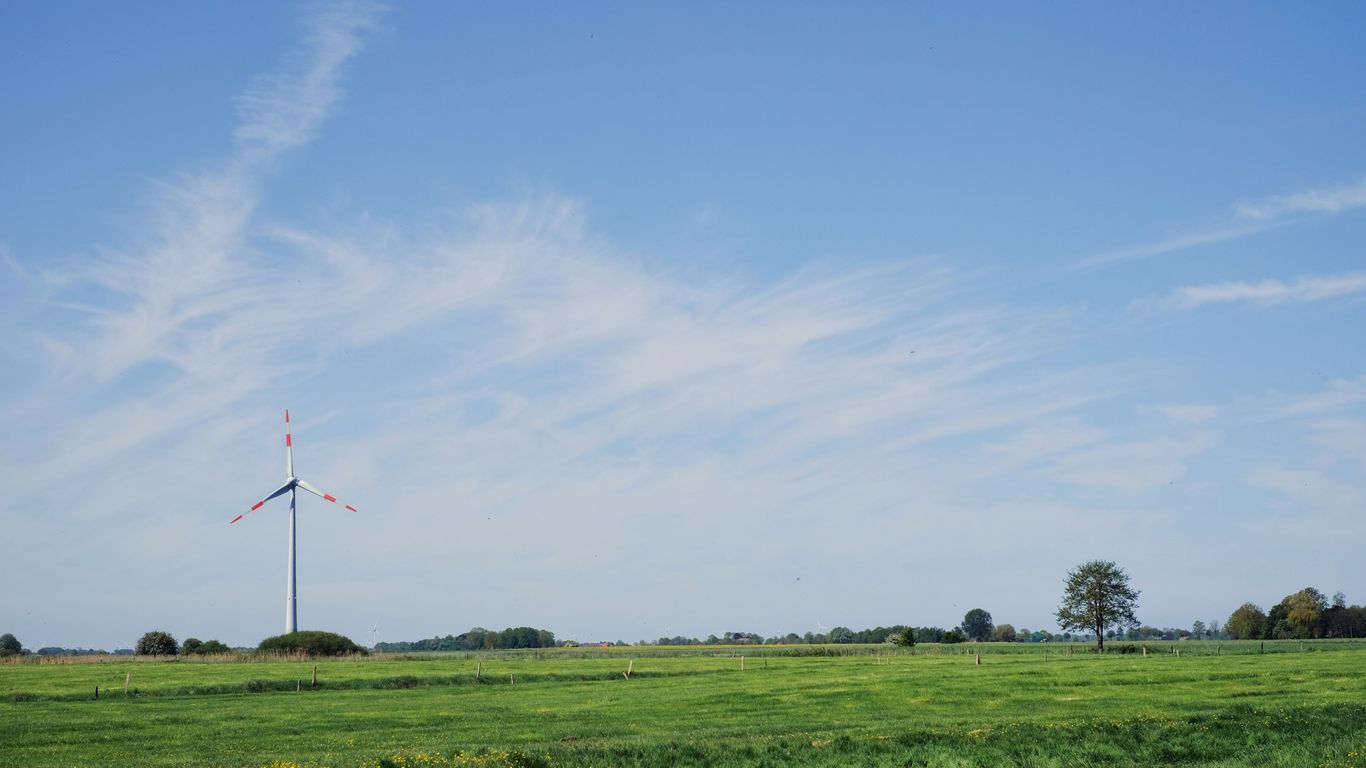
When we talk about renewable energy, it’s not just about the sun shining or the wind blowing. There’s a whole lot of tech and how it all works together that matters. The biggest hurdle we’re still figuring out is how to make sure the lights stay on even when the sun isn’t shining or the wind isn’t blowing.
Scalability and Modular Design
One of the neat things about many renewable technologies, especially solar and wind, is how you can scale them up or down. You can put a few solar panels on your roof, or you can build a massive solar farm that covers acres. This flexibility is a big plus. It means we can tailor solutions to different needs, from powering a single home to supplying a whole city. This modular approach also means that if one part of a system has an issue, it doesn’t necessarily shut down the whole operation. It’s like building with LEGOs – you can add more pieces or swap them out pretty easily.
Intermittency and Weather Dependence
This is the big one, right? Solar panels only work when the sun is out, and wind turbines only spin when there’s enough wind. This means their power output isn’t constant. We call this intermittency. Think about it: a cloudy week in winter can really cut down on solar power generation. Similarly, a calm spell can stop wind turbines in their tracks. This unpredictability is a major challenge for grid operators who need a steady, reliable supply of electricity. We’re getting better at predicting weather patterns, which helps, but it doesn’t eliminate the core issue.
Energy Storage Requirements
Because of that intermittency problem, storing energy is super important. If we generate a lot of solar power during the day, we need a way to save it for use at night. Likewise, if the wind is really strong for a few days, we want to store that extra energy. Battery technology is improving fast, and costs are coming down. We’re seeing huge battery installations at the grid level, and even electric cars can potentially feed power back into the grid. Other storage methods are also being explored, like pumped hydro (using water and gravity) and even creating hydrogen. It’s all about bridging the gap between when energy is produced and when it’s needed.
Maintenance and Lifespan
Compared to traditional power plants with lots of moving parts, many renewable systems are actually pretty low maintenance. Solar panels, for instance, don’t have many moving parts, so beyond occasional cleaning, they don’t need a ton of upkeep. Wind turbines do have moving parts and require regular checks, but generally, the maintenance needs are different and often less intensive than, say, a coal plant. As for lifespan, solar panels typically last 25-30 years, and wind turbines are often rated for 20-25 years. While this is a good long run, it also means we need to think about what happens when these systems reach the end of their useful life, especially regarding recycling.
Geographic and Infrastructure Challenges
Okay, so we’ve talked about how great renewable energy can be, but let’s get real for a second. It’s not all sunshine and smooth sailing. There are some pretty big hurdles when it comes to where we put this stuff and how we connect it all up.
Geographic Limitations and Resource Availability
First off, you can’t just plop a solar farm anywhere and expect it to work wonders. The sun doesn’t shine equally everywhere, right? Some places are blessed with tons of sunshine, perfect for solar panels, but maybe they’re not so windy. Other spots might be windy but not ideal for solar. This uneven distribution means we have to be smart about where we build. It also means we might need to build really long power lines to get that clean energy from where it’s made to where people actually need it. Think about it: a massive wind farm out in the middle of nowhere needs to send its power all the way to a city. That’s a whole infrastructure project in itself.
Land Use Requirements
Renewable energy projects, especially solar and wind farms, can take up a lot of space. We’re talking acres and acres. A solar farm might need several acres for every megawatt of power it generates. Wind farms, even more so, because you need space between those giant turbines so they don’t bump into each other. This can sometimes put them in competition with other land uses, like farming or just, you know, natural habitats. It’s a balancing act, for sure.
Transmission and Grid Integration Needs
Our current power grid wasn’t really built with renewable energy in mind. It was designed for big, predictable power plants. Now, we’re adding sources that can be a bit… unpredictable. The grid needs to be updated, made smarter, to handle all this variability. This means investing a ton of money in new transmission lines, substations, and digital controls. It’s like trying to upgrade a highway system while everyone is still driving on it. We need to make sure the electricity can flow smoothly and reliably from all these new renewable sources to our homes and businesses. It’s a massive undertaking, and frankly, it’s one of the biggest bottlenecks we face right now.
Societal and Community Impacts
Beyond the environmental and economic upsides, renewable energy projects can really change the feel of a place and how people live. It’s not just about cleaner air or cheaper bills; it’s about how these big changes affect everyday folks and their neighborhoods.
Energy Access for Remote Areas
One of the really cool things about renewables, especially solar, is how it can bring power to places that have been left in the dark for ages. Think about remote villages or isolated farms that are too far from the main grid to ever get connected. Small, localized solar setups or mini-grids can be a game-changer, giving people access to electricity for the first time. This means lights for studying, power for small businesses, and better communication. It’s a pretty big deal for improving quality of life and opening up opportunities.
Visual and Noise Concerns
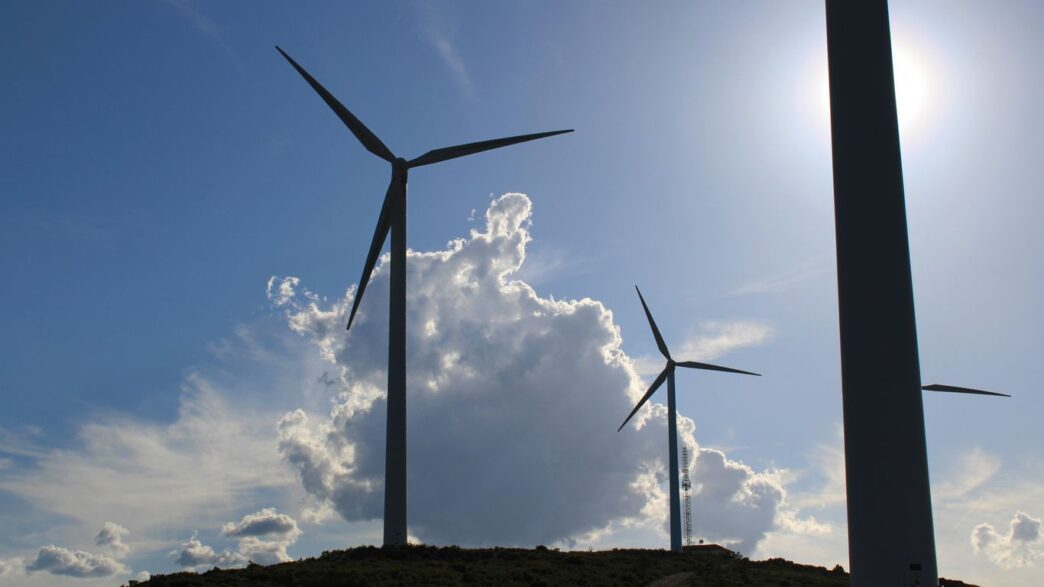
Now, not everyone is thrilled about having a wind farm or a big solar array nearby. Wind turbines, for example, can be quite tall and visible from miles away, and some people find them to be an eyesore. They can also make a bit of a whooshing noise, which might bother folks living close by. Solar farms take up a lot of space, and while they’re quieter, their sheer size can change the landscape. It’s a trade-off, and communities often have strong feelings about how these projects affect the look and feel of their home.
Potential for Social Displacement
Sometimes, building these large renewable energy projects can lead to people having to move. This is especially true if the land needed for a big solar farm or a new transmission line is currently where people live or farm. While the goal is to create a better future, it’s important to make sure that the transition doesn’t negatively impact the people who are already there. Finding ways to involve the community and offer fair compensation or alternative solutions is key to making sure everyone benefits.
Here are some things to consider when thinking about community impacts:
- Local Job Opportunities: While renewables create jobs, they might not always be the same kind of jobs lost from fossil fuel industries. Training and support are often needed.
- Land Use Conflicts: Farmers might have to share their land with turbines, or large solar arrays could take over land that was once used for agriculture or natural habitats.
- Community Buy-in: Projects go much smoother when the local community feels heard and has a say in how things are done. This can involve public meetings, local partnerships, or even community ownership models.
Wrapping It Up
So, we’ve looked at the good and the not-so-good sides of renewable energy. It’s pretty clear that things like solar and wind power are a big deal for our planet, helping us cut down on pollution and maybe even saving us some cash in the long run. Plus, they’re getting cheaper and better all the time. But, yeah, it’s not all sunshine and rainbows. We still have to deal with cloudy days, the initial cost can be a hurdle, and sometimes finding the right spot for them is tricky. It’s a balancing act, for sure. The big picture is that renewables are definitely the way forward, but we’ve got some work to do to smooth out the bumps in the road.