Thinking about making your house a bit more, well, ‘smart’? It’s a big trend these days, with everything from lights to locks getting connected. People are doing it for all sorts of reasons, like making life easier or saving a bit on bills. But before you go out and buy a bunch of gadgets, it’s a good idea to pause and think. Like most things, there are good points and not-so-good points. We’ll break down the smart home advantages and disadvantages so you can figure out if it’s the right move for your place.
Key Takeaways
- Smart homes can make daily life much more convenient, letting you control things like lights and temperature from your phone or with your voice.
- Security gets a boost with smart locks, cameras, and sensors that can alert you to issues even when you’re not home.
- Automated systems can help manage energy use, potentially lowering your utility bills and reducing environmental impact.
- Getting started can be pricey, and you’ll need a good, steady internet connection for most devices to work right.
- There are worries about privacy and security with so many devices connected online, and sometimes the tech can be tricky to set up and keep working together.
Understanding Smart Home Advantages and Disadvantages
What Constitutes a Smart Home?
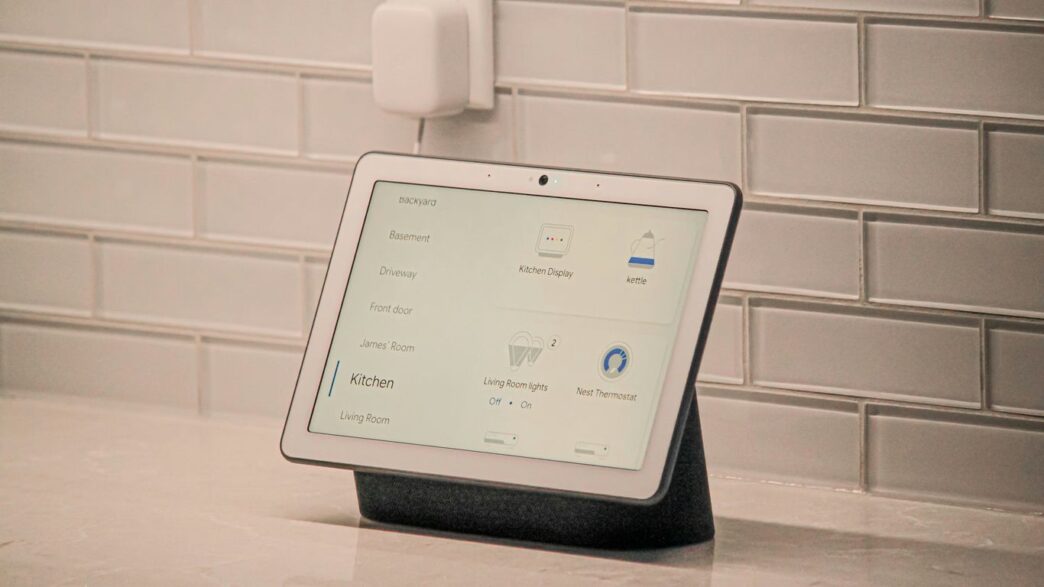
So, what exactly makes a home "smart"? At its core, a smart home is a residence outfitted with various devices and systems that can be controlled remotely and often automated. Think of things like smart thermostats that adjust the temperature before you even get home, lights you can turn on or off with your phone, or security cameras you can check from anywhere. These gadgets connect to your home’s Wi-Fi network, allowing them to talk to each other and to you through apps or voice commands. It’s about making your living space more responsive and, ideally, more convenient.
The Evolution of Connected Living
This whole idea of a connected home isn’t exactly brand new, but it’s certainly come a long way. Years ago, this kind of tech was mostly for the super wealthy, with complicated setups and hefty price tags. Now, though, with the internet being everywhere and technology getting cheaper, smart home stuff is way more accessible. It’s moved from a niche luxury to something many people are considering for their everyday lives, changing how we interact with our homes.
Weighing the Pros and Cons
Like most things in life, bringing smart technology into your home isn’t all sunshine and roses. There are some really great benefits, like making your life easier and potentially saving some money on energy bills. But there are also downsides to think about. It’s important to look at both sides before you jump in.
Here’s a quick rundown of what to consider:
- Convenience: Automating tasks, controlling things remotely.
- Security: Better monitoring, alerts for unusual activity.
- Efficiency: Potential energy savings through smart management.
- Cost: Initial investment can be quite high.
- Reliability: Depends heavily on a stable internet connection.
- Privacy: Concerns about data collection and security breaches.
- Complexity: Setting up and managing devices can be tricky.
Key Advantages of Smart Home Technology
So, you’re thinking about making your home a bit more, well, smart. It’s not just about fancy gadgets; there are some real benefits that can make your day-to-day life noticeably better. Let’s break down why people are increasingly connecting their homes.
Unparalleled Convenience and Comfort
Honestly, who doesn’t want life to be a little easier? Smart home tech really shines here. Imagine this: you’re snuggled up on the couch, and you realize you left the upstairs lights on. Instead of getting up, you just tell your voice assistant to turn them off. Or maybe you’re heading home on a cold evening, and you can turn up the heat from your phone so the house is cozy when you walk in. It’s about those little things that add up, making chores less of a hassle and your home more of a relaxing space.
- Automated Routines: Set up schedules for lights to turn on and off, or for your coffee maker to start brewing before you even get out of bed.
- Remote Control: Manage thermostats, locks, and appliances from anywhere using your smartphone.
- Voice Commands: Control multiple devices with simple spoken instructions, freeing up your hands.
Enhanced Home Security and Peace of Mind
This is a big one for a lot of folks. Knowing your home is secure, even when you’re not there, is a huge relief. Smart security systems can give you eyes on your property 24/7. You can get alerts on your phone if a door opens unexpectedly or if motion is detected when no one should be home. Smart locks mean you don’t have to worry about lost keys anymore; you can grant temporary access to guests or service people remotely.
- Real-time Alerts: Get instant notifications on your phone for unusual activity.
- Remote Monitoring: Check in on your home via security cameras from your phone or tablet.
- Smart Locks: Keyless entry and the ability to lock/unlock doors remotely.
Improved Energy Efficiency and Sustainability
Saving money on utility bills while also being kinder to the planet? That’s a win-win. Smart thermostats are pretty clever; they learn your habits and adjust the temperature when you’re away or asleep, so you’re not heating or cooling an empty house. Smart lighting can also make a difference, dimming or turning off lights in unoccupied rooms automatically. Plus, many systems let you track your energy usage, giving you a clearer picture of where your power is going and how you can cut back.
| Feature | Benefit |
|---|---|
| Smart Thermostats | Learns schedules, reduces heating/cooling waste |
| Smart Lighting | Auto-off in empty rooms, dimming options |
| Energy Monitoring | Tracks usage, identifies power-hungry devices |
Potential Drawbacks of Smart Home Integration
While the idea of a smart home sounds pretty great, it’s not all sunshine and automated rainbows. There are definitely some things to think about before you go all-in on connected gadgets. It’s easy to get caught up in the cool factor, but it’s smart to look at the downsides too.
Significant Initial Investment Costs
Let’s be real, kitting out your home with smart tech isn’t cheap. You’re looking at buying individual devices, and if you want to automate a few things, like your lights, thermostat, and maybe some locks, the costs really start to add up. It’s not just the purchase price either; sometimes you need special hubs or professional installation to get everything working right. So, before you start picking out smart bulbs, take a good look at your bank account. Is the convenience really worth that big upfront hit?
Dependence on Internet Connectivity
This is a big one. Most smart home devices rely heavily on your Wi-Fi to do their thing. If your internet goes down, or if it’s just plain slow in certain parts of your house, your smart home can quickly become not-so-smart. Imagine trying to turn on your lights with your voice, but nothing happens because the Wi-Fi is acting up. Or maybe you can’t check your security cameras when you’re away because the connection is spotty. It can be pretty frustrating when the tech you paid for stops working because of something as simple as a router glitch.
Privacy and Security Vulnerabilities
Anything connected to the internet can potentially be a target. Smart home devices collect a lot of information about your habits and routines. This data, while useful for the system, could be a concern if it falls into the wrong hands. Think about it: your smart speaker is always listening, your cameras are watching, and your thermostat knows when you’re home. It’s super important to use strong, unique passwords for everything and keep your devices updated to patch any security holes. Otherwise, you might be opening your home up to unwanted access or data breaches. It’s a trade-off between convenience and keeping your personal information safe.
Navigating Smart Home Complexity
So, you’re thinking about making your home a bit smarter, huh? It sounds great on paper – lights that turn on by themselves, thermostats that know when you’re coming home. But let’s be real, getting all these gadgets to play nice together can sometimes feel like trying to herd cats. It’s not always as simple as plugging something in and expecting it to work perfectly.
Technological Complexity and Setup Challenges
Setting up a smart home isn’t always a walk in the park. You’ve got different brands, different apps, and sometimes, they just don’t talk to each other. It can be a real head-scratcher trying to get your smart speaker to control your smart lights, especially if they’re from different companies. You might find yourself spending hours reading manuals or watching online videos, only to end up more confused than when you started. It’s like building a puzzle where some pieces don’t quite fit.
Ensuring Device Compatibility
This is a big one. Before you buy anything, you really need to check if the devices you want will actually work together. Think of it like this:
- Smart Hubs: These are often the brains of the operation. Make sure your chosen hub supports the brands you’re interested in.
- Protocols: Devices use different ‘languages’ like Wi-Fi, Bluetooth, Zigbee, or Z-Wave. They need to speak the same language, or you’ll need a translator (like a compatible hub).
- App Ecosystems: Some brands work best within their own app. If you want to control everything from one place, you need to be careful.
It’s easy to get excited about a cool new gadget, but if it can’t connect to your existing setup, it’s just a fancy paperweight. A little research upfront can save a lot of headaches later.
Over-Reliance on Automation
While automation is a huge perk, it’s also something to think about. What happens when the internet goes down? Or when a software update messes with your settings? You might find yourself unable to turn on your lights or adjust the heat manually if you’ve gotten too used to the automated way. It’s good to have a backup plan or at least know how to operate things the old-fashioned way, just in case your smart home decides to take a little nap.
Making an Informed Smart Home Decision
So, you’re thinking about making your home a bit more ‘smart’? That’s a big step, and honestly, it’s not a one-size-fits-all kind of thing. Before you go buying every gadget you see, it’s really important to stop and think about what actually makes sense for your household. It’s not just about having the latest tech; it’s about whether that tech will actually make your life easier or just add another layer of complication.
Assessing Your Household’s Needs
First off, what problems are you trying to solve? Are you constantly forgetting to turn off lights, or maybe you worry about whether you locked the front door after leaving in a rush? Perhaps you’re looking to shave a bit off your energy bill, or maybe you just want the house to feel a certain way when you walk in. Think about the daily routines and potential pain points in your home.
Here are a few things to consider:
- Convenience: Do you want to control lights, temperature, or entertainment systems with your voice or a tap on your phone?
- Security: Are you interested in smart locks, cameras, or sensors for added peace of mind?
- Energy Savings: Would you like to automate your thermostat or lighting to reduce waste and lower utility costs?
- Assistance: Are there specific tasks you’d like automated, like vacuuming or managing schedules?
Don’t just jump on the bandwagon because it’s popular. Figure out what features would genuinely benefit you and your family.
Evaluating Your Budget and Willingness to Invest
Let’s be real, smart home tech can get pricey. It’s not just the initial cost of the devices themselves, but sometimes you need a central hub, or maybe you’ll need to upgrade your internet. Some systems are plug-and-play, while others might require professional installation, which adds to the bill.
Think about it like this:
| Item Type | Estimated Cost Range (USD) | Notes |
|---|---|---|
| Smart Speaker | $30 – $150 | Basic voice control |
| Smart Thermostat | $100 – $250 | Energy savings potential |
| Smart Lighting Kit | $50 – $200 | Starter pack for a few rooms |
| Security Camera | $100 – $300 | Per camera, subscription may apply |
| Smart Lock | $150 – $300 | Keyless entry and remote access |
| Hub/Controller | $50 – $200 | Needed for some integrated systems |
This is just a rough idea, of course. The total cost can climb quickly if you’re looking to automate multiple rooms or specific appliances. It’s wise to start small and expand as you see what works and what you actually use. Are you prepared for potential ongoing costs like subscriptions for cloud storage for cameras or app updates?
Considering Your Comfort Level with Technology
This is a big one. If the thought of setting up a new Wi-Fi router makes you break out in a sweat, then diving headfirst into a fully automated home might be a bit much. Smart devices often require app management, troubleshooting when things don’t connect, and keeping software updated.
Ask yourself:
- Do you feel comfortable using smartphone apps for daily tasks?
- Are you patient enough to learn how new devices work?
- Do you have someone in the household who is tech-savvy and willing to help if issues arise?
- How do you feel about your data being collected by these devices?
If you’re not particularly tech-inclined, maybe start with just one or two simple devices, like a smart speaker or a smart plug for a lamp. See how you adapt to it before committing to a whole system. It’s better to have a few smart devices that you actually use and understand than a house full of gadgets that just sit there, confusing you.
So, Is a Smart Home Worth It?
Alright, so we’ve talked a lot about how cool smart homes can be – think adjusting the lights from your couch or getting alerts if something’s up at home. It’s pretty neat how technology can make life a bit easier and maybe even save a bit on energy bills. But, let’s be real, it’s not all sunshine and automated rainbows. The price tag to get started can be pretty steep, and you’re pretty much tied to having a good internet connection. Plus, there’s always that nagging worry about who’s seeing your data and if everything will actually work together. Ultimately, whether a smart home fits your life really comes down to what you need, what you can afford, and how much you’re willing to tinker with gadgets. It’s a personal call, for sure.
Frequently Asked Questions
What exactly is a smart home?
A smart home is basically a house with special gadgets and systems that you can control from far away, like using your phone or voice. Think of smart lights, thermostats that adjust themselves, or security cameras you can watch from anywhere. These devices talk to each other and the internet to make your life easier and your home more efficient.
Are smart homes really worth the money?
That’s a big question! Smart homes can save you money on energy bills over time, make your home more secure, and add a lot of convenience. However, buying all the gadgets can be quite expensive at first. You have to decide if the long-term savings and benefits are worth the initial cost for your family.
Do I need super-fast internet for a smart home?
Yes, a good and reliable internet connection is pretty important for most smart home devices to work right. If your internet goes out or is really slow, your smart lights might not turn on, or your security cameras might not send you alerts. So, a stable connection is key.
Are smart homes safe from hackers?
That’s a concern for many people. Since these devices connect to the internet, there’s always a small chance someone could try to access them. It’s really important to use strong passwords, keep your devices updated, and make sure your home Wi-Fi network is secure to protect your privacy and information.
Is it hard to set up and use smart home stuff?
It can be a bit tricky sometimes, especially if you’re not used to dealing with technology. Setting up different devices and making sure they all work together might take some time and patience. Some people find it easier to get help from professionals or start with just a few simple devices.
What if I become too dependent on smart home tech?
It’s true that smart homes make things very easy, and it’s possible to start relying on them for almost everything. While convenience is great, it’s good to remember how to do things manually too. Finding a balance is important so you don’t lose basic skills or stop interacting with people as much.