The healthcare industry has a big impact on the environment. Think about all the energy used, the waste produced, and the food that has to be transported. It adds up. But what if there was a way to make healthcare more sustainable? That’s where WellFarm comes in. They’re looking at new ways to grow food right where it’s needed, using smart technology and farming methods that are better for the planet. This article explores how WellFarm is trying to change things for the better, making healthcare greener and healthier.
Key Takeaways
- WellFarm aims to lower the healthcare industry’s environmental impact by using vertical farming.
- The project focuses on bringing food production closer to hospitals to cut down on transportation.
- Vertical farming, also known as controlled environment agriculture, uses resources like water and energy more efficiently.
- WellFarm is exploring how technology and smart farming can lead to healthier food and better patient outcomes.
- The initiative also looks at improving food security and reducing waste within healthcare settings.
The WellFarm Vision For Sustainable Healthcare
Healthcare, as an industry, has a pretty significant impact on the environment. We’re talking about a substantial chunk of greenhouse gas emissions, especially here in the US. It’s not just about the buildings themselves, but also the supply chains, the waste generated, and the energy used. WellFarm is looking to change that by rethinking how healthcare facilities operate and source their resources. We believe that by integrating smarter practices and technologies, we can drastically cut down on this environmental footprint.
Reducing Healthcare’s Environmental Footprint
It’s easy to overlook, but hospitals and clinics use a lot of energy. Think about the constant need for climate control, specialized equipment, and lighting. Then there’s the sheer volume of materials used, from single-use plastics to packaging. We’re aiming to tackle this head-on. This involves looking at everything from energy efficiency upgrades in existing buildings to rethinking procurement policies to favor more sustainable options. It’s a big job, but every step counts.
Integrating Circular Economy Principles
Instead of the usual ‘take-make-dispose’ model, we’re pushing for a circular approach. This means looking at waste not as something to throw away, but as a resource. For example, organic waste from kitchens or even certain medical byproducts could potentially be repurposed. It’s about closing loops and keeping materials in use for as long as possible. This not only reduces waste going to landfills but can also create new value streams.
Leveraging Technology for Healthier Outcomes
Technology plays a big role in our vision. It’s not just about fancy gadgets, but about using tools that help us operate more efficiently and sustainably. This could mean using data analytics to better manage energy consumption, implementing smart systems for waste sorting and recycling, or even using advanced farming techniques to grow fresh produce right where it’s needed. The goal is to create a healthcare system that’s not only good for people’s health but also good for the planet’s health.
Innovations in Vertical Farming for WellFarm
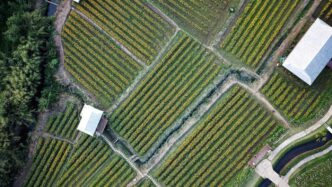
Vertical farming is pretty neat, and it’s a big part of what WellFarm is all about. It’s basically growing crops indoors, stacked up in layers, often in a city or close to where people live. This way, we don’t need huge fields of land, which is great for the environment.
Controlled Environment Agriculture Explained
Controlled Environment Agriculture, or CEA, is the fancy term for growing plants in a place where we can manage pretty much everything. Think of it like a high-tech greenhouse, but way more precise. We control the light, temperature, humidity, and even the CO2 levels. This means we can grow crops year-round, no matter what’s happening outside. It also helps us avoid pests and diseases that can ruin crops grown outdoors. This level of control allows for consistent, high-quality produce.
Optimizing Resource Use in Vertical Farms
One of the best things about vertical farms is how little water they use. Compared to traditional farming, they can use up to 95% less water. This is because the water is often recirculated. We also use LED lights that are specifically tuned to the needs of the plants, so we’re not wasting energy. Here’s a quick look at how resources stack up:
| Resource | Traditional Farming | Vertical Farming |
|---|---|---|
| Water | High | Very Low |
| Land | High | Very Low |
| Pesticides | Often Used | Rarely Used |
| Energy | Varies | Controlled & Optimized |
The Role of Precision Agriculture
Precision agriculture is all about using data and technology to farm smarter. In vertical farms, this means using sensors to monitor everything about the plants and their environment. We can track growth, nutrient levels, and any signs of stress. This information helps us make tiny adjustments to make sure the plants are getting exactly what they need. It’s like having a personal nutritionist for every single plant. This approach helps us:
- Grow plants faster and healthier.
- Use only the exact amount of water and nutrients needed.
- Predict and prevent potential problems before they start.
- Reduce waste by harvesting only what’s ready.
WellFarm’s Impact on Food Security and Nutrition
Localizing Food Production for Hospitals
Think about it: hospitals are usually pretty far from where most of our food comes from. That means long trips, spoilage, and a less fresh product by the time it gets to patients and staff. WellFarm changes that by setting up vertical farms right on or near hospital grounds. This isn’t just about convenience; it’s about making sure the food served is as fresh as possible. We’re talking about greens and herbs picked just hours before they hit the plate, not days or weeks. This local approach cuts down on transportation emissions too, which is a nice bonus for the environment.
Enhancing Nutritional Value of Produce
One of the cool things about controlled environments is that we can really dial in the conditions for growing. With WellFarm, we’re not just growing lettuce; we’re growing nutrient-dense food. By carefully managing light, water, and nutrients, we can actually boost the levels of vitamins and minerals in our crops. For example, we can grow spinach with higher levels of iron or kale with more Vitamin C. This means patients get food that’s not only fresh but also packed with the good stuff their bodies need to heal and stay healthy. It’s a step beyond just providing calories; it’s about providing real nourishment.
Addressing Food Waste in Healthcare Settings
Food waste is a huge problem in hospitals. A lot of it happens because produce gets old before it can be used, or because meals aren’t fully consumed. WellFarm helps tackle this in a couple of ways. First, by growing food on-site, we can harvest only what’s needed, when it’s needed. This drastically reduces the amount of food that spoils in transit or storage. Second, the produce from our vertical farms is often more consistent in quality and size, which can lead to better portion control and less waste during preparation. We’re also looking into ways to use any unavoidable scraps, like turning vegetable trimmings into nutrient-rich compost for other uses, closing the loop.
Here’s a quick look at how WellFarm can cut down on waste:
- Reduced Spoilage: On-demand harvesting means less food goes bad before it’s used.
- Optimized Inventory: Precise growing allows for better planning and less overstocking.
- Scrap Utilization: Exploring options for composting or other uses for unavoidable food scraps.
Ultimately, WellFarm aims to provide fresher, more nutritious food while significantly reducing the environmental impact and waste associated with traditional food supply chains in healthcare.
The WellFarm Approach to Operational Efficiency
Healthcare facilities are big operations, and like any big operation, there’s a lot of room to make things run smoother and use fewer resources. That’s where WellFarm steps in, looking at how hospitals and clinics work day-to-day and finding ways to trim waste and boost efficiency. It’s not just about saving money, though that’s a nice bonus; it’s about making sure the whole system is more sustainable.
Energy Analysis in Healthcare Facilities
Hospitals use a ton of energy, day and night. Think about all the lights, the machines, the heating and cooling systems – it all adds up. WellFarm looks closely at where all that energy is going. We’re talking about detailed studies to see which departments use the most power and at what times. This helps pinpoint areas where we can make changes, like upgrading to more efficient equipment or adjusting schedules to use less power during peak times.
- Identify high-usage areas: Pinpointing departments or equipment that consume the most energy.
- Optimize HVAC systems: Ensuring heating, ventilation, and air conditioning run only when and where needed.
- Upgrade lighting: Switching to LED lights and smart controls that dim or turn off when rooms are empty.
- Explore renewable energy: Investigating options like solar panels to supplement power needs.
Streamlining Operating Room Practices
Operating rooms are the heart of many hospitals, but they can also be major resource consumers. WellFarm examines the entire process, from scheduling surgeries to the materials used. The goal is to cut down on waste and make sure everything flows as it should. This might involve better planning to reduce cancellations, using reusable instruments where safe and practical, and managing supplies more carefully to avoid overstocking and spoilage.
Waste Management Innovations
Healthcare generates a lot of waste, and not all of it can be recycled or composted easily. WellFarm is looking at new ways to handle this. We’re exploring better sorting systems to separate different types of waste, finding partners to recycle materials that are usually hard to process, and looking into ways to reduce the amount of single-use items that end up in the trash. The aim is to move towards a more circular model, where materials are reused or repurposed as much as possible.
Here’s a look at how waste can be categorized and managed:
| Waste Type | Current Management | WellFarm’s Approach |
|---|---|---|
| General Waste | Landfill | Increased recycling, composting of organic materials |
| Recyclables | Mixed recycling | Improved sorting, partnerships for specialized items |
| Medical Waste | Incineration/Landfill | Segregation, exploring sterilization for reuse where appropriate |
| Food Waste | Landfill | Composting, donation of edible surplus food |
Cultivating a Healthier Future with WellFarm
Fostering Entrepreneurship in Sustainable AgTech
WellFarm isn’t just about growing food; it’s about growing new ideas and businesses. We believe that the future of healthcare sustainability relies on a strong ecosystem of innovators. That’s why we’re actively looking for entrepreneurs who are developing groundbreaking solutions in areas like advanced hydroponics, AI-driven farm management, and novel nutrient recycling systems. These ventures are key to scaling sustainable practices across the healthcare sector. We’re not just talking about a few farms; we’re talking about a network that can truly shift how healthcare operates.
Building Resilient Food Systems
One of the biggest challenges facing hospitals and healthcare facilities is the fragility of current food supply chains. Relying on long-distance transport means vulnerability to disruptions, from weather events to global logistics issues. WellFarm’s approach is to build localized, resilient food systems. By establishing vertical farms directly within or near healthcare campuses, we drastically cut down on transportation miles and ensure a consistent, fresh supply of produce, no matter what’s happening elsewhere.
Here’s a look at how we’re strengthening these systems:
- Reduced Supply Chain Risk: Shorter distances mean fewer points of failure.
- Consistent Availability: Controlled environments provide predictable yields year-round.
- Local Economic Support: We partner with local businesses and talent whenever possible.
The WellFarm Community Initiative
We see WellFarm as more than just a project; it’s a movement. Our community initiative aims to bring together healthcare professionals, urban planners, ag-tech developers, and local residents to share knowledge and collaborate. We host workshops, open days at our facilities, and online forums to discuss best practices, challenges, and opportunities in sustainable healthcare food production. It’s about creating a shared vision and working together to make it a reality. We believe that by connecting people and ideas, we can accelerate the adoption of these vital sustainable practices.
Exploring the Science Behind WellFarm
Biotechnology in Food Production
Biotechnology is a big part of how WellFarm works. It’s not just about growing plants; it’s about making them better, healthier, and more resilient. We’re talking about using advanced techniques to improve crop yields and nutritional content. Think about developing plant varieties that naturally resist common pests, cutting down the need for any sprays. Or perhaps engineering crops to absorb specific nutrients more efficiently from the water and nutrient solutions we use. This means less waste and more goodness in the final product. The goal is to create food that’s not only sustainable to grow but also packed with the vitamins and minerals people need.
Food Safety and Processing Advancements
When you’re growing food indoors, you have a lot more control over the environment. This is where food safety really shines. WellFarm uses cutting-edge methods to keep everything clean and safe from farm to fork. We’re talking about:
- Sterile Growing Environments: Our vertical farms are designed to minimize contamination risks from the start.
- Advanced Monitoring Systems: Sensors constantly check air quality, water purity, and nutrient levels, alerting us to any potential issues immediately.
- Traceability Technology: Every batch of produce can be tracked from seed to harvest, giving us complete visibility.
These steps help make sure the food reaching hospitals and consumers is as safe as possible. We also look at processing methods that keep the nutrients intact, avoiding harsh treatments that can strip away goodness.
Understanding Agricultural Economics
It might seem like high-tech farming is expensive, and sometimes it is to set up. But when you look at the long game, it makes a lot of sense. Vertical farming, especially with WellFarm’s approach, can actually be more economical in the long run. Here’s why:
- Reduced Transportation Costs: Growing food right where it’s needed cuts down massively on shipping expenses and spoilage.
- Lower Water Usage: Vertical farms use a fraction of the water compared to traditional agriculture, which is a huge cost saving, especially in dry areas.
- Consistent Yields: Controlled environments mean predictable harvests, year-round, which helps stabilize supply and pricing.
We analyze all these factors to make sure WellFarm is not just good for the planet and people’s health, but also makes financial sense for healthcare institutions and the wider community.
Wrapping It Up
So, that’s the lowdown on WellFarm. It’s pretty clear that this whole vertical farming thing isn’t just a fad. It’s a smart way to grow food closer to home, using way less water and land than traditional methods. Plus, it cuts down on all those miles food usually travels, which is good for the planet. We’re talking about a system that can help make healthcare more sustainable, which, let’s be honest, is something we all need. It’s not going to solve every problem overnight, but it’s a big step in the right direction for healthier people and a healthier world.
Frequently Asked Questions
What is WellFarm trying to achieve?
WellFarm aims to make hospitals and healthcare places much greener. It uses special indoor farms, called vertical farms, to grow fresh food right where it’s needed. This helps cut down on pollution from transporting food and makes sure everyone gets healthy, tasty food.
How does WellFarm use technology?
WellFarm uses smart technology to grow plants indoors. Think of it like a high-tech greenhouse! It controls everything – light, water, and nutrients – to grow food perfectly. This means less water and energy are used, and the plants grow faster and healthier.
What is vertical farming?
Vertical farming is a way of growing crops in stacked layers, often indoors. Instead of spreading out in fields, the plants grow upwards in tall structures. This saves a lot of space and allows farming in cities or places where land is scarce.
How does WellFarm help with food security?
By growing food right at or near hospitals, WellFarm makes sure there’s always a fresh supply. This is super important because it means hospitals don’t have to rely on food that travels long distances, which can sometimes run out or get spoiled. It’s like having a local garden for the hospital!
Does the food grown by WellFarm taste good and is it healthy?
Yes! Because the plants are grown in a controlled environment, they can be harvested at their peak freshness. This often means they have more flavor and are packed with vitamins and nutrients. It’s a great way to get healthy food for patients and staff.
How does WellFarm deal with waste?
WellFarm is all about being resourceful. It tries to use resources wisely, like recycling water and using energy efficiently. It also looks for ways to reduce food waste that happens in hospitals, making sure less food is thrown away.