Figuring out what are bitcoins worth today can feel like a puzzle. The price swings quite a bit, and there’s a lot that goes into it. From its mysterious beginnings to how it’s used now, Bitcoin has a unique story. This article breaks down the current value, how it got here, and what it all means for the future.
Key Takeaways
- Bitcoin’s value changes constantly, influenced by many global factors, making it a dynamic asset.
- Created by the pseudonymous Satoshi Nakamoto, Bitcoin launched in 2009 as the first decentralized digital currency.
- Market sentiment, institutional interest, and government regulations all play a role in Bitcoin’s price.
- Bitcoin is viewed by some as a store of value, similar to digital gold, and has a growing ecosystem around it.
- Understanding Bitcoin mining, the halving mechanism, and secure storage methods are important for users.
Understanding Bitcoin’s Current Value
What Are Bitcoins Worth Today?
Figuring out what a Bitcoin is worth right now is a bit like watching a stock ticker, but on a global, 24/7 scale. The price of Bitcoin (BTC) against the US dollar isn’t set by any single bank or government; it’s determined by supply and demand across countless exchanges worldwide. This means the exact number can shift by the minute, or even the second. It’s a truly global asset, and its value reflects the collective buying and selling activity happening all over the planet.
Real-Time BTC to USD Price Fluctuations
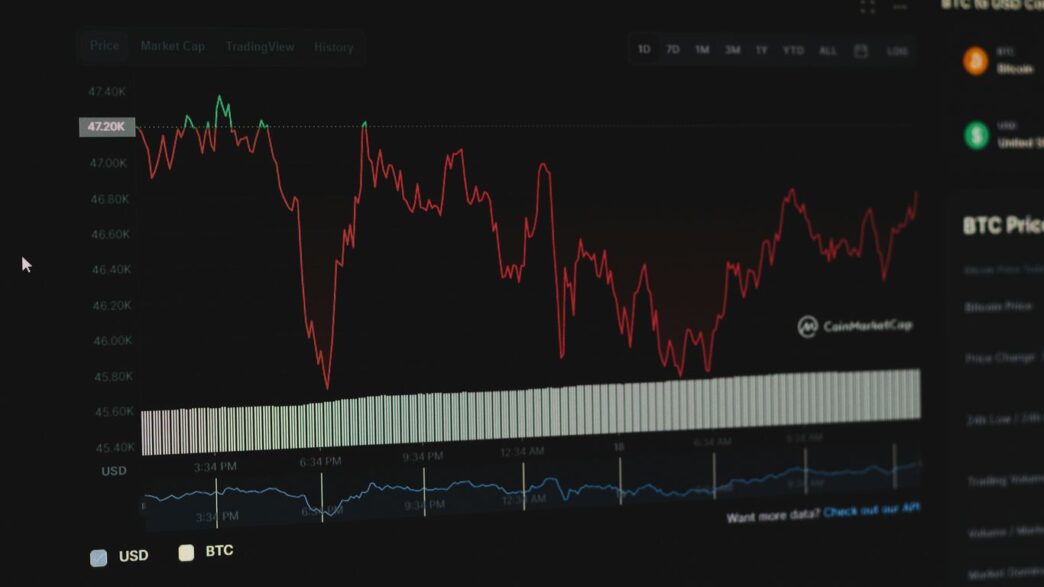
The value of Bitcoin against the US dollar is constantly changing. Think of it as a live auction where bids and offers are coming in from everywhere, all the time. This volatility is a key characteristic of Bitcoin. While it can be exciting for traders, it also means that the price you see one moment might be different just a short while later. This dynamic nature is why checking a live price feed is so important if you’re looking to buy, sell, or just understand the current market.
Here’s a snapshot of some key metrics, though remember these numbers change rapidly:
| Metric | Value (as of April 16, 2026) |
|---|---|
| BTC to USD | $75,058.86 |
| Market Cap | $1,502,440,792,303 |
| Volume (24h) | $18,395,577,672 |
| Circulating Supply | 20.02M BTC |
Factors Influencing Bitcoin’s Valuation
So, what makes the price of Bitcoin go up or down? It’s a mix of things, really. Here are some of the main drivers:
- Market Sentiment: How people feel about Bitcoin plays a big role. Positive news, endorsements from big companies, or general excitement can push prices up. Conversely, negative news or regulatory crackdowns can cause prices to drop.
- Supply and Demand: Like anything else, if more people want to buy Bitcoin than sell it, the price tends to rise. The total supply of Bitcoin is capped at 21 million coins, which is a fixed limit. New coins are created through mining, but the rate at which they enter circulation slows down over time due to events called ‘halving’.
- Adoption and Utility: When more businesses start accepting Bitcoin as payment, or when more people use it for everyday transactions, its perceived value can increase. Institutional investors buying and holding Bitcoin also signals growing acceptance.
- Global Events and Regulations: Actions taken by governments, like banning or restricting cryptocurrency trading (as seen in some countries), can significantly impact prices. Major economic events or shifts in financial policy can also influence investor behavior towards assets like Bitcoin.
- Mining Costs and Difficulty: The cost and complexity of mining new Bitcoins can also affect supply. If it becomes more expensive to mine, it might influence the price at which miners are willing to sell their newly acquired coins.
The Genesis and Evolution of Bitcoin
The Mystery of Satoshi Nakamoto
It all started with a whitepaper published back in 2008. The author? Someone, or maybe a group of people, using the name Satoshi Nakamoto. To this day, nobody knows for sure who Satoshi Nakamoto really is. This anonymity has added a layer of mystique to Bitcoin, making its origins even more fascinating. Was it a programmer? A team of cryptographers? The mystery continues to fuel speculation, but whoever it was, they laid the groundwork for something pretty revolutionary.
Bitcoin’s Launch and Early Transactions
After the whitepaper dropped, the Bitcoin network officially went live on January 3, 2009. This happened when Satoshi Nakamoto mined the very first block, known as the Genesis Block. In those early days, getting your hands on Bitcoin was mostly about mining, which didn’t require super fancy equipment. You could probably do it with a decent home computer. Transactions were few and far between, and the value was practically zero. The most famous early transaction, the one that people still talk about, happened in May 2010. A programmer bought two pizzas for 10,000 BTC. Yeah, you read that right. If you think about what Bitcoin is worth today, that was one expensive pizza order!
Pioneering Decentralized Digital Currency
Before Bitcoin, the idea of digital money that wasn’t controlled by any bank or government was mostly just a concept. Bitcoin changed that. It was designed from the ground up to be a peer-to-peer system. This means you can send money directly to someone else without needing a middleman like a bank. This was a huge deal. It created the blueprint for thousands of other digital currencies that came after it. Even though other cryptocurrencies have popped up, Bitcoin remains the original and, for many, the standard. It really kicked off the whole digital currency industry as we know it.
Bitcoin’s Market Dynamics and Trends
Navigating Bitcoin Market Sentiment
Understanding how people feel about Bitcoin is a big part of figuring out its price. Sometimes, everyone’s really excited, and prices go up. Other times, people get nervous, and prices drop. This feeling, or sentiment, can be influenced by news, what big investors are doing, or even just general economic conditions. It’s like a rollercoaster, and trying to predict the ups and downs based on mood is a whole game in itself. The overall market sentiment can lead to either bullish (prices going up) or bearish (prices going down) trends. Keeping an eye on social media, news headlines, and expert opinions can give you a sense of the current mood, but it’s never a perfect science.
Institutional Involvement in Bitcoin
It wasn’t too long ago that big companies and financial institutions wouldn’t touch Bitcoin. They thought it was too risky. But things have really changed. Now, many major players are buying Bitcoin, sometimes in huge amounts. This is partly because they see it as a potential store of value, like digital gold, and partly because their customers are asking for it. This increased interest from institutions can have a big impact on Bitcoin’s price and its acceptance in the wider financial world. It’s a sign that Bitcoin is becoming more mainstream.
Global Regulatory Impacts on Bitcoin
Governments around the world are still figuring out how to deal with Bitcoin and other cryptocurrencies. Some countries are embracing it, even making it legal tender, while others are cracking down hard, banning trading and mining. These different approaches create a complex global picture. For example, while some nations might restrict Bitcoin activities, others might see a surge in mining operations. This patchwork of regulations can affect how Bitcoin is traded, how easily people can buy it, and its overall price stability. It’s a constantly evolving situation that anyone involved in Bitcoin needs to watch closely. The way different countries handle Bitcoin regulation can really shape its future.
Bitcoin’s Role in the Financial Landscape
Bitcoin as a Store of Value
People have been talking about Bitcoin as a way to keep their money safe for a long time. Think of it like digital gold. In times when the regular money we use might lose value, some folks turn to Bitcoin. It’s not tied to any single government, which is a big deal for some. This independence from traditional financial systems is a key reason why many see it as a hedge against inflation or economic uncertainty. Of course, its price can jump around a lot, which makes it a bit of a wild ride compared to, say, actual gold. But the idea is that over the long haul, it might hold its worth, or even grow.
Bitcoin vs. Other Digital Currencies
When you look at the world of digital money, Bitcoin is the original. It kicked things off. But since then, a whole bunch of other digital currencies, often called altcoins, have popped up. Ethereum is a big one, but it’s different. While Bitcoin is mostly seen as digital cash or a place to store value, Ethereum is more like a platform where people can build all sorts of applications. Think of it like this:
- Bitcoin: Primarily a digital currency and store of value.
- Ethereum: A platform for decentralized apps and smart contracts, with its own currency (Ether).
- Other Altcoins: These can do all sorts of things, from faster payments to specific industry uses.
Each has its own tech and purpose. Bitcoin is still the biggest player in terms of how much it’s worth overall, but others are trying to do new things.
The Growing Ecosystem Around Bitcoin
It’s not just about buying and selling Bitcoin anymore. A whole bunch of businesses and services have sprung up around it. You’ve got companies that make it easier to buy and sell, places to store it safely, and even ways to use it for everyday things, though that’s still catching on. Then there are the big companies. A few years back, the idea of a major company holding Bitcoin on its books seemed crazy. But now, some big names have bought significant amounts. They see it as a way to diversify their assets, kind of like how they might invest in gold or other commodities. This corporate interest is a pretty big sign that Bitcoin is becoming a more accepted part of the financial world, even if it’s still a bit of a new frontier.
Acquiring and Storing Bitcoin
So, you’re thinking about getting some Bitcoin, huh? It’s not as complicated as it might seem at first. The first step is usually figuring out where to actually buy it. There are a bunch of places out there, kind of like how you have different stores for different things. Some people like using apps on their phone, while others prefer more traditional online platforms. The key is to pick a place that feels safe and easy for you to use.
Where to Buy Bitcoin (BTC)
When you’re ready to jump in, you’ll need to choose a platform. Think of these as your gateway to the Bitcoin world. Each one has its own way of doing things, so it’s worth looking around a bit. Some popular choices include:
- Mobile Apps: These are super convenient for buying and selling on the go. You can often link them directly to your bank account.
- Online Exchanges: These tend to offer more features and a wider range of cryptocurrencies, but might have a slightly steeper learning curve.
- Peer-to-Peer Platforms: Here, you buy directly from other individuals, which can sometimes offer different payment options.
No matter where you decide to start, make sure the platform is reputable and understand any fees involved. You can find a good starting point by looking at options like Robinhood or PayPal.
Understanding Bitcoin Wallets
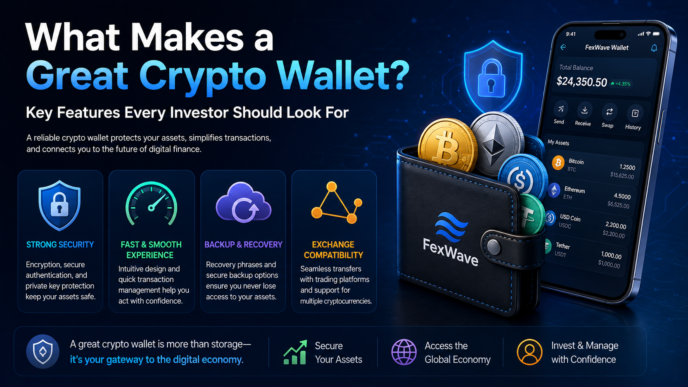
Once you’ve bought some Bitcoin, you need a place to keep it safe. This is where a Bitcoin wallet comes in. It’s not like a physical wallet you carry around; it’s more like a digital account that holds your Bitcoin. There are a couple of main types to consider:
- Software Wallets (Hot Wallets): These are apps or programs on your computer or phone. They’re connected to the internet, which makes them easy to access for quick transactions. Think of them like your everyday spending wallet – convenient, but maybe not for storing large amounts long-term.
- Hardware Wallets (Cold Wallets): These are physical devices, kind of like a USB drive, that store your Bitcoin offline. Because they aren’t connected to the internet, they’re considered much more secure against online threats. This is often recommended for holding significant amounts of Bitcoin.
Choosing the right wallet depends on how much Bitcoin you have and how often you plan to use it. Security is the main thing here.
The Smallest Unit: Satoshis Explained
Bitcoin is divisible, meaning you don’t have to buy a whole Bitcoin. In fact, you can own tiny fractions of one. The smallest unit of Bitcoin is called a satoshi, named after Bitcoin’s mysterious creator, Satoshi Nakamoto. One Bitcoin is equal to 100 million satoshis. So, if you see a price for Bitcoin that seems really high, remember you can buy just a few satoshis if you want to start small. It’s like buying a single gram of gold instead of a whole bar. This divisibility makes Bitcoin accessible to almost anyone, no matter their budget.
The Technology Behind Bitcoin’s Value
So, how does this whole Bitcoin thing actually work? It’s not magic, even though sometimes the price swings feel like it. At its core, Bitcoin is a digital currency that runs on a special kind of technology called a blockchain. Think of the blockchain as a giant, shared digital ledger. Every single Bitcoin transaction ever made is recorded on this ledger, and copies of it are spread across thousands of computers all over the world. This makes it super hard to cheat the system because you’d have to change the ledger on a massive number of computers all at once.
How Bitcoin Mining Works
This is where the "mining" part comes in. It’s not like digging for gold, but it’s how new Bitcoins are created and how transactions get confirmed. Special computers, called miners, solve really complex math problems. It’s a bit like a global competition. The first miner to solve the problem gets to add the next "block" of verified transactions to the blockchain. As a reward for their effort and electricity use, they get some newly created Bitcoin, plus any transaction fees from the transactions in that block. This process is what keeps the network secure and adds new coins into circulation.
The Bitcoin Halving Mechanism
Now, here’s something pretty interesting: the reward miners get for solving those math problems isn’t always the same. It gets cut in half roughly every four years. This event is called the "halving." It’s built into Bitcoin’s code to control the supply of new coins. The idea is that as time goes on, fewer new Bitcoins are created, making the existing ones potentially more scarce. It’s a key part of why Bitcoin has a limited supply, capped at 21 million coins.
Here’s a look at how the block reward has changed over time:
| Halving Event | Approx. Date | Block Reward (BTC) |
|---|---|---|
| Genesis Block | Jan 2009 | 50 |
| 1st Halving | Nov 2012 | 25 |
| 2nd Halving | Jul 2016 | 12.5 |
| 3rd Halving | May 2020 | 6.25 |
| 4th Halving | Apr 2024 | 3.125 |
Securing the Bitcoin Network
So, how do we know all these transactions are legit? That’s where cryptography comes in. Every transaction is digitally signed, and the blockchain itself is protected by strong encryption. The fact that the ledger is distributed across so many computers also adds a huge layer of security. If someone tried to tamper with a transaction, the rest of the network would reject it because it wouldn’t match all the other copies of the ledger. It’s a pretty clever system designed to be resistant to fraud and censorship.
Corporate Adoption and Bitcoin Holdings
It wasn’t that long ago that the idea of a big company putting Bitcoin on its official financial books seemed pretty wild. Back then, Bitcoin was seen as way too jumpy in price for any serious business to touch. Even big-name investors like Warren Buffett called it a "bubble waiting to pop." But things have really shifted.
Since around 2020, a bunch of major companies have started buying up Bitcoin. MicroStrategy, a business intelligence firm, really kicked things off. They bought a huge chunk of Bitcoin in late 2020, and since then, others like Tesla have jumped in too. MicroStrategy has become the biggest corporate holder of Bitcoin by a wide margin, treating it as their main reserve asset.
Here’s a look at some of the top corporate Bitcoin holders:
| Company | Approximate BTC Holdings | Notes |
|---|---|---|
| MicroStrategy | ~129,699 BTC | Primary reserve asset |
| Marathon Digital Holdings | ~10,054 BTC | Bitcoin mining company |
| Coinbase | ~9,000 BTC | Major cryptocurrency exchange |
| Square Inc. (Block) | ~8,027 BTC | Financial services and payments company |
| Hut 8 Mining Corp. | ~7,078 BTC | Bitcoin mining company |
Note: Holdings are approximate and can change frequently based on market activity and company decisions. Data is based on information available up to late 2022.
Why are these companies buying Bitcoin? Well, many see it as a way to protect against inflation, kind of like digital gold. It’s a way to diversify their assets beyond traditional cash or stocks. Plus, as more companies adopt it, it builds confidence in the asset itself. It’s a pretty interesting shift from just a few years ago when it was mostly individual investors in the game.
So, What’s the Takeaway on Bitcoin’s Value Today?
Alright, so we’ve looked at what Bitcoin is worth right now and some of the stuff that makes its price bounce around. It’s clear that Bitcoin isn’t just some digital plaything anymore; it’s a big deal in the financial world, and a lot of people are watching it closely. Whether you’re thinking about buying some, selling it, or just curious, remember that the price can change super fast. Keep an eye on the news and what’s happening in the markets, because today’s Bitcoin value might be different tomorrow. It’s a wild ride, for sure.
Frequently Asked Questions
What exactly is Bitcoin and why is it called ‘digital gold’?
Bitcoin is like digital money that you can send to anyone, anywhere, without needing a bank. It’s called ‘digital gold’ because, like gold, its supply is limited, and some people see it as a safe place to store their money for a long time, hoping its value will go up.
Who created Bitcoin, and where did it come from?
A mysterious person or group called Satoshi Nakamoto created Bitcoin. They wrote a plan for it in 2008, and it officially started in 2009. Nobody knows who Satoshi Nakamoto really is, which adds to the mystery!
How do I buy Bitcoin if I’m new to it?
You can buy Bitcoin on special websites called cryptocurrency exchanges. Think of them like online marketplaces where you can trade regular money for Bitcoin. Some popular ones include Binance, Coinbase, and Kraken. It’s a good idea to learn more before you start buying.
How can I keep my Bitcoin safe?
You need a special digital ‘wallet’ to store your Bitcoin. These wallets have a secret code (private key) that only you should know. It’s like a digital safe for your money. You can get software wallets on your computer or phone, or even special hardware devices.
Why does the price of Bitcoin change so much?
The price of Bitcoin is like a rollercoaster because lots of people buy and sell it based on how they feel about it, what news they hear, and what big companies are doing. It’s a global market, so many things can affect its price every minute!
What is ‘Bitcoin mining’ and why is it important?
Bitcoin mining is how new Bitcoins are made and how transactions are checked and added to the public record (the blockchain). Miners use powerful computers to solve hard math problems. They get rewarded with new Bitcoins for their work, which helps keep the whole system running securely.