Thinking about getting a new gaming PC in 2026? It can feel a bit overwhelming with all the options out there. Whether you’re looking to buy a pre-built machine or put one together yourself, this guide is here to help you figure out what you need and where to find it. We’ll cover everything from understanding what games demand from your hardware to finding the best deals and making sure your new rig will last. Let’s get you set up to buy a gaming PC that’s perfect for you.
Key Takeaways
- Figure out what kind of games you play to know what performance level you really need in a gaming PC.
- Decide if buying a ready-made gaming PC or building your own makes more sense for your budget and tech comfort level.
- When buying a pre-built gaming PC, look at trusted brands and check customer reviews for support and warranty info.
- Building your own gaming PC requires understanding each part, like the graphics card and processor, and making sure they all work together.
- Keep an eye on market trends, like component prices and new tech, to get the best value when you buy a gaming PC.
Understanding Your Gaming PC Needs
Alright, so you’re looking to snag a new gaming PC in 2026. That’s awesome! But before you go clicking around and looking at shiny boxes, let’s get real for a second. What do you actually need this thing to do? It’s not just about picking the most expensive parts; it’s about matching the machine to your playstyle and your wallet. Figuring out your requirements is the first, and maybe most important, step.
Assessing Performance Requirements for Your Games
Think about the games you play, or want to play. Are you all about those massive open-world epics with all the bells and whistles turned up to max? Or are you more into fast-paced shooters where every millisecond counts and you need smooth, high frame rates? Maybe you’re dabbling in VR, which is a whole other beast. Different games and different settings demand different levels of power. A PC that can run Cyberpunk 2077 at 4K with ray tracing cranked up is going to be a lot more beefy (and expensive) than one that’s perfectly happy running Valorant at 1080p with high frame rates.
Here’s a quick way to think about it:
- 1080p Gaming: This is your standard HD resolution. Most games will run well here, especially if you’re not chasing the absolute highest settings. Good for budget and mid-range builds.
- 1440p Gaming: This is a step up in clarity and detail. It’s becoming the sweet spot for many gamers, offering a great balance of visual quality and performance. You’ll likely need a more capable graphics card for this.
- 4K Gaming: Ultra-high definition. This looks amazing, but it requires a seriously powerful (and pricey) graphics card to run smoothly, especially in demanding titles.
- High Refresh Rates (144Hz+): If you play competitive games, you’ll want your monitor to refresh its image many times per second. This makes motion look incredibly smooth, but it also means your PC needs to be able to push out a lot of frames per second to keep up.
Budget Considerations for Buying a Gaming PC
Let’s talk money. Gaming PCs can range from a few hundred bucks to several thousand. It’s easy to get carried away, but having a budget in mind from the start is super helpful. You don’t want to end up with a PC that costs more than your rent, right?
Here’s a rough idea of what you might expect for different budgets in 2026:
| Budget Range | Target Resolution/Performance | Typical Use Cases |
|---|---|---|
| $700 – $1,000 | 1080p gaming, decent settings | Entry-level gaming, esports titles, general use |
| $1,300 – $1,900 | 1440p gaming, high settings; some 4K possible | Mid-range gaming, streaming, content creation |
| $2,000 – $3,500+ | 4K gaming, max settings, ray tracing, VR | High-end gaming, demanding simulations, future-proofing |
Remember, these are just ballpark figures. Prices can change, and sales can make a big difference. The graphics card is usually the biggest chunk of the cost, so that’s often where you’ll see the most variation.
Choosing Between Prebuilt and Custom Gaming PCs
This is a big one. You’ve got two main paths: buy a pre-built PC from a company, or build one yourself (or have someone build it for you). Each has its pros and cons.
- Prebuilt PCs: These are ready to go right out of the box. They’re convenient, often come with a warranty, and you don’t have to worry about compatibility issues. Companies like Alienware, HP Omen, and others offer a range of options. The downside? You might pay a bit of a premium, and sometimes the components aren’t exactly what you’d pick yourself.
- Custom-Built PCs: This is where you pick every single part. It can be cheaper if you shop smart, and you get exactly what you want. It’s also a great learning experience! But, it takes time, research, and a bit of technical know-how. If something goes wrong, you’re the one troubleshooting.
Think about how much time and effort you want to put into this. If you just want to plug it in and play, prebuilt is probably the way to go. If you enjoy tinkering and want total control, building your own might be more your speed.
Where to Buy Prebuilt Gaming PCs
Figuring out where to snag a decent prebuilt gaming PC can feel a bit overwhelming. Options are everywhere these days, but finding the right one comes down to a few things: brand reputation, price, and support.
Exploring Top Gaming PC Brands
Before you even look at deals, it’s good to know which brands you can actually count on. The major gaming PC makers are known for reliability, performance, and support. Here’s a quick breakdown of top names in 2026:
| Brand | Best For | Entry Price | Warranty Length |
|---|---|---|---|
| iBUYPOWER | Customization | $900 | 1-3 years |
| Alienware | Build Quality | $1200 | 1 year |
| CyberPowerPC | Value | $800 | 1 year |
| HP Omen | Versatility | $950 | 1-2 years |
| ASUS ROG | High-Performance | $1100 | 1-2 years |
Here’s what to keep in mind when you’re choosing a brand:
- Look for brands with a solid track record of build quality and good customer feedback.
- Make sure the desktop has room for future upgrades – extra RAM slots or storage bays can save headaches later.
- Don’t just shop on price; customer support and warranty matter too.
Finding Deals on Gaming Desktops
Bagging a great deal takes a bit of patience and some comparison shopping. Here are a few ways to save money without ending up with outdated gear:
- Monitor the official websites—brands sometimes run flash sales that aren’t matched at big box stores.
- Retailers like Best Buy and Amazon often bundle in free games or peripherals, especially around holidays.
- Don’t skip refurbished or open-box options if you want more bang for your buck, but double-check warranties first.
- Check for student or military discounts on gaming PC sites. Even 5% off can be a chunk on a $1000 rig.
Sometimes, timing is everything: big game launches and back-to-school season often come with juicy discounts.
Evaluating Customer Support and Warranties
Buying a gaming PC isn’t just a one-time thing—issues pop up. Who you buy from matters. Great customer service can mean the difference between a quick fix and days of frustration. Here’s what to look out for:
- 24/7 tech support, especially if you’re new to PC gaming.
- Clear return and repair policies—look for no-hassle returns, at least for the first 30 days.
- Community forums—helpful if you like troubleshooting issues on your own with other gamers.
- Warranty lengths can vary. Some brands offer the chance to buy extended coverage for an extra fee, which can be good peace of mind.
In short, shop from brands that stand by their work and actually help you when stuff goes sideways. It’ll pay off in the long run, especially if you hit a snag right out of the box.
Building Your Own Gaming PC in 2026
So, you’re thinking about building your own gaming PC in 2026? That’s awesome! It might seem a bit daunting at first, like trying to assemble IKEA furniture without the instructions, but honestly, it’s totally doable and can be really rewarding. Plus, you get exactly what you want, no compromises. Building your own rig means you have complete control over performance and budget.
Essential Components for a Gaming PC Build
Before you even think about buying parts, you need to know what goes into a gaming PC. It’s not just a bunch of random bits thrown together. Here’s the rundown of what you’ll need:
- CPU (Processor): This is the brain of your PC. For gaming in 2026, you’ll want something with good clock speeds and at least 6 cores, maybe more if you plan on streaming or doing other heavy tasks alongside gaming.
- GPU (Graphics Card): This is arguably the most important part for gaming. It handles all the visuals, so a better GPU means smoother gameplay and prettier graphics. This is where a good chunk of your budget will likely go.
- Motherboard: This connects everything. Make sure it’s compatible with your CPU and has enough slots for RAM and other components.
- RAM (Memory): Think of this as your PC’s short-term memory. 16GB is a good starting point for most games, but 32GB is becoming more common and offers more breathing room.
- Storage (SSD/HDD): You need a place to store your games and operating system. Solid State Drives (SSDs), especially NVMe ones, are way faster than traditional Hard Disk Drives (HDDs), making your PC boot up and load games much quicker. A 1TB NVMe SSD is a solid choice for most builds.
- Power Supply Unit (PSU): This provides power to all your components. Don’t skimp here; get a reliable one with enough wattage for your parts, plus a little extra for future upgrades.
- CPU Cooler: Your CPU generates heat, and you need something to keep it cool. This could be an air cooler or a liquid cooler.
- Case: This is the box that holds everything. Make sure it has good airflow to keep your components from overheating.
- Operating System: You’ll need Windows or another OS to run everything.
Understanding Component Compatibility
This is where things can get a little tricky, but it’s super important. Not all parts play nicely together. For example, your CPU needs to fit into a specific type of socket on the motherboard. RAM also has different types (like DDR5) that motherboards support. You don’t want to buy a fancy new CPU only to find out your motherboard can’t handle it. Tools like Newegg’s Custom PC Builder can help you check if your chosen parts will work together before you buy them. It’s like a compatibility checker for PC parts, saving you a lot of headaches and potential returns.
Cost Expectations for DIY Gaming Rigs
Okay, let’s talk money. How much does it actually cost to build a gaming PC in 2026? Well, it really depends on what you want to do. You can build a decent machine for around $700-$1,000 that’s good for 1080p gaming. If you’re aiming for 1440p gaming, streaming, or more demanding tasks, you’re probably looking at the $1,300-$1,900 range. For those who want to max out settings at 4K or future-proof their build for years to come, costs can easily go upwards of $2,000, sometimes much more. The graphics card is usually the biggest expense, followed by the CPU and storage. It’s a balancing act, but planning ahead helps a lot.
Key Components for Gaming Performance
Getting a smooth and enjoyable gaming experience starts with the right parts. Picking each component can feel overwhelming, but knowing what matters for your games and needs goes a long way. Let’s break down the parts that truly shape your gaming PC’s capabilities.
Graphics Cards: The Heart of Gaming
Your graphics card, or GPU, does most of the heavy lifting, especially with graphics-intensive titles in 2026. It decides how sharp, detailed, and smooth your games run. If you’re aiming for 4K or high frame rates, the GPU is the most important investment. Modern games also rely on features like ray tracing and upscaling tech, both handled by the GPU.
Some key tips when selecting a GPU:
- Look for at least 8GB of VRAM for 1080p gaming; 12GB or higher if you play at 1440p or 4K.
- Check for support of up-to-date technologies like ray tracing, DLSS (or its new equivalents), and other visual enhancements.
- Pricing often jumps rapidly between mid-range and flagship models, so weigh features vs. your budget. Check out this gaming desktop performance guide for GPU comparisons and advice.
| Resolution | Typical VRAM Needed | Example Use Case |
|---|---|---|
| 1080p | 8-10GB | Esports/casual AAA |
| 1440p | 10-12GB | Modern AAA & high FPS |
| 4K | 12GB+ | High fidelity, VR |
Processors for Gaming and Multitasking
The CPU determines how well your PC can keep up with complex game logic, open-world simulations, and running multiple tasks. New CPUs (2026 models) offer both fast single-core performance and many cores for streaming or multitasking. Here’s what to consider:
- For pure gaming, 6 to 8 cores is a good spot—don’t overspend on many extra cores unless you also stream or do creative work.
- Gamers who edit videos or stream might want to bump up to 12 or more cores.
- Always balance your CPU and GPU. A super-fast GPU with an older CPU can hold back your system’s true potential.
- Watch out for compatibility—make sure your motherboard fits the CPU’s socket and chipset.
RAM and Storage Solutions
Memory and storage are easy to overlook but make a big difference in day-to-day gaming.
RAM (Memory):
- DDR5 is now standard in new builds.
- 16GB is the absolute minimum; most gamers prefer 32GB for newer titles and multitasking.
- Faster speeds (measured in MHz) can help some games and apps, but don’t overpay just for top-end speeds.
Storage:
- NVMe SSDs are much faster than old-school hard drives. Install your operating system and favorite games on NVMe if possible.
- Big game libraries still need space: many gamers combine a smaller, fast SSD for essentials with a large HDD for less frequently played titles.
Here’s a quick table comparing storage options:
| Storage Type | Speed | Best Use Case |
|---|---|---|
| NVMe SSD | Extremely fast | Games, OS, apps |
| SATA SSD | Fast | Game storage, backups |
| HDD | Slow | Large media, old games |
Building around these components sets the stage for a solid gaming setup. If you want to look further into specifics, brands, and up-to-date benchmarks, check out some recent gaming desktop reviews and guides. Remember, every PC build is a balancing act, so focus on the areas that matter most for how you like to play.
Navigating the Gaming PC Market
Shopping for a gaming PC in 2026 can feel overwhelming, especially now that prices for memory, graphics cards, and even SSDs are all over the place. If you’re staring at options and wondering whether now’s the right time to buy, you’re definitely not alone. There’s a huge mix of options, prices are unpredictable, and what looks like a deal one week might not be so hot the next. Let’s break down what’s really happening in the market this year, and how you can avoid disappointment.
Current Market Trends and Challenges
Right now, several things are shaking up the gaming PC scene:
- The cost of RAM and SSDs has gone up, likely due to worldwide supply issues.
- Entry-level graphics cards are sometimes just as hard to find—or as expensive—as their high-end cousins.
- Sometimes, buying a full prebuilt system actually costs less than upgrading individual parts, mostly because of how components are bundled and sold by bigger gaming PC brands.
Here’s a quick look at what’s affecting prices in March 2026:
| Component | Price Trend (2024-2026) | Availability | Notes |
|---|---|---|---|
| Graphics Cards | +50% | Low | High demand, short supply |
| RAM (32GB kit) | +35% | Moderate | Price hikes since 2024 |
| SSD (1TB NVMe) | +20% | High | Still affordable option |
If you’re seeing steep costs, you’re not imagining things. Some retailers, however, still offer ready-to-go machines from top series like the Corsair Vengeance and Alienware Area-51, which sometimes slip under the radar for flash sales.
Identifying Value in Gaming PC Purchases
Finding a PC that’s actually worth your money requires a slightly different approach now:
- Compare complete systems against the cost of building your own. Sometimes prebuilt PCs win because of bundled discounts.
- Look for models with upgradable parts—maybe get by with less RAM at first, then upgrade when prices drop.
- Check warranty policies and tech support; a solid return policy can really save you if something goes wrong just after unboxing.
Here’s what separates a good deal from a risky one:
- Transparent specs (no mystery components)
- Strong user reviews—look past the perfect five stars for consistent issues
- No outdated hardware at new-hardware prices
Future-Proofing Your Gaming Setup
With tech moving so fast, it’s tough to know what’ll still be considered decent next year. A few tips to keep in mind:
- Prioritize the GPU and CPU—those are hardest to swap out later.
- Pick a motherboard that supports the upcoming generation, so you’re not boxed in when you want to upgrade.
- Think about your power supply wattage—can it handle a better GPU later?
If you’re on the fence, it’s totally fine to get a mid-range machine now, then plan to upgrade components in a year or two. Rushing for the absolute latest parts isn’t always worth the sticker shock—sometimes it’s smarter to hold off and upgrade over time.
There you have it: 2026’s gaming PC market is tough, but with a little planning and a close eye on deals, it’s possible to walk away with something you’ll actually enjoy using.
Essential Peripherals for Your Gaming PC
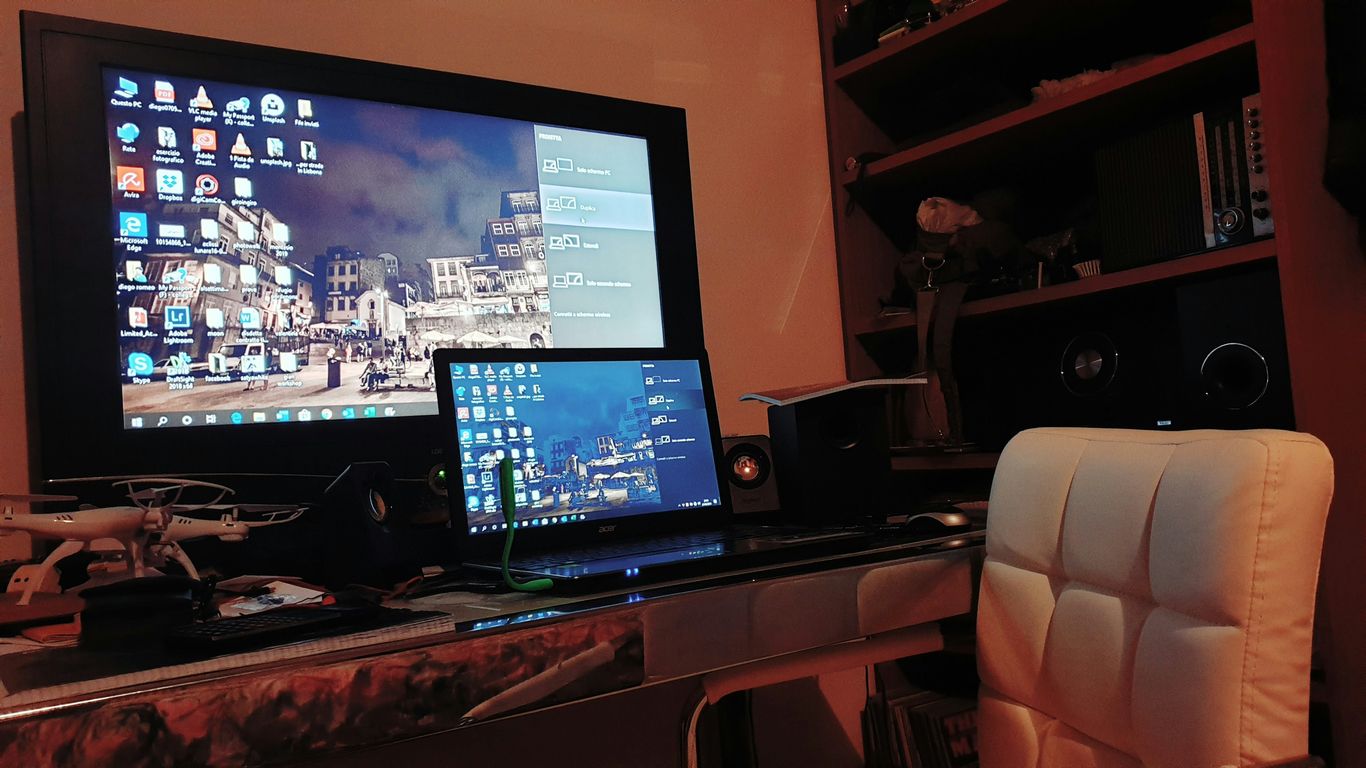
So, you’ve got your beast of a gaming PC, but what about the stuff you actually use to play? Your PC is only as good as the gear you connect to it, right? It’s like having a supercar but driving it with a steering wheel from a tricycle. We need to talk about the bits and pieces that make gaming actually happen.
Choosing the Right Gaming Monitors
This is a big one. Your monitor is your window into the game world. In 2026, we’re seeing some really cool tech. You’ve got OLEDs, which are amazing for deep blacks and colors that just pop. Then there are QLEDs, which get super bright and show off vibrant colors too. The resolution and refresh rate are probably the most important things to check. Higher refresh rates mean smoother motion, which is a lifesaver in fast-paced games. Think about what you play most. If it’s shooters, you want that high refresh rate. If it’s more about pretty worlds, maybe focus on resolution and color.
Here’s a quick rundown:
- Resolution: 1080p is still fine, but 1440p is becoming the sweet spot for many. 4K is gorgeous but needs a powerful PC.
- Refresh Rate: 144Hz is great, 240Hz is even better for competitive play.
- Panel Type: OLED for contrast, QLED for brightness, IPS for good all-around color and viewing angles.
- Response Time: Lower is better to avoid ghosting.
Input Devices for Competitive Play
Okay, how do you actually control the game? For most PC gaming, it comes down to your mouse and keyboard. For competitive stuff, you want a mouse that feels good in your hand and has a high, adjustable DPI (dots per inch) so you can fine-tune your sensitivity. Programmable buttons are handy too, letting you map common actions to your mouse. Keyboards are a bit more personal. Mechanical keyboards are popular because they feel clicky and responsive, but there are tons of options. Some people like low-profile keys, others like them tall. It really comes down to what feels right for typing and gaming.
And don’t forget controllers! If you’re into racing games or certain action titles, a good gamepad can make a world of difference. Modern controllers have cool features like haptic feedback that can make explosions feel more impactful.
Immersive Audio Solutions
Sound is half the experience, seriously. You can have the best graphics, but if you can’t hear the footsteps creeping up behind you, you’re at a disadvantage. A good gaming headset is pretty much a must-have for multiplayer. They let you hear exactly where sounds are coming from, which is huge in games where every second counts. Plus, they usually have a decent microphone so you can chat with your team. If you’re not into headsets, a solid pair of speakers can also do the trick, though they won’t give you that same directional audio advantage. Just make sure whatever you choose, it sounds clear and doesn’t distort at higher volumes.
Wrapping Up: Finding Your Next Gaming PC
So, there you have it—buying a gaming PC in 2026 is a bit of a wild ride, but it’s definitely doable. Prices are all over the place, and there are more choices than ever, whether you want to build your own rig or just grab a prebuilt one and get gaming right away. The main thing is to think about what you actually need. Don’t get swept up in the hype for the latest and greatest if you’re mostly playing indie games or just want something that’ll run your favorites smoothly. If you’re after high frame rates and all the fancy graphics, sure, go for the beefier options. But honestly, there’s a solid PC out there for every budget and every type of gamer. Take your time, compare your options, and don’t be afraid to ask questions or read reviews. At the end of the day, the best gaming PC is the one that fits your needs and makes you excited to play. Good luck, and happy gaming!
Frequently Asked Questions
What’s the biggest difference between buying a pre-built gaming PC and building my own?
Buying a pre-built PC means you get a computer that’s already put together by a company. It’s usually ready to go right out of the box. Building your own PC means you buy all the parts separately and put them together yourself. This can sometimes save you money and lets you pick exactly what you want, but it takes more time and effort.
How much should I spend on a gaming PC in 2026?
The cost really depends on what games you want to play and how good you want them to look. For playing games at a basic level (like 1080p), you might spend around $700 to $1,000. If you want to play newer games with great graphics or play at higher resolutions (like 1440p or 4K), you’ll probably need to spend more, maybe $1,300 to $3,500 or even higher for the very best.
What’s the most important part of a gaming PC?
The graphics card (GPU) is usually the most important part for gaming. It’s like the engine that makes the game look good and run smoothly. After that, the processor (CPU) is also very important for how fast your PC can handle everything, especially in complex games or when you’re doing other things at the same time.
Are RAM shortages still a big problem for buying gaming PCs?
Yes, the shortage of RAM (and other parts like SSDs and graphics cards) can still make prices higher than usual. This means that sometimes, buying a whole pre-built PC might actually be cheaper than buying all the parts separately, which is a bit unusual but can happen.
What are some good brands for pre-built gaming PCs?
Some popular and trusted brands that make good pre-built gaming PCs include Alienware, iBUYPOWER, and others that you can find on major tech websites. It’s always a good idea to look at reviews and see what other gamers recommend.
What else do I need besides the PC itself to start gaming?
You’ll need a few other things to really enjoy your gaming PC. A good gaming monitor is important for clear and smooth visuals. You’ll also need a comfortable keyboard and mouse for playing, and a headset or speakers for great sound. These are called peripherals and they can make a big difference in how much fun you have.