Thinking about making the switch to cleaner energy for your place? It’s a big decision, and honestly, figuring out which of the following renewable source of energy is the best fit can feel a bit overwhelming. You’ve got options like the sun, the wind, and even the earth’s heat. Let’s break down what each one means for your home, what it costs, and how to pick the right path forward without getting lost in the technical stuff. It’s all about finding what works for you and your budget.
Key Takeaways
- Solar panels are a popular choice for homes, converting sunlight into electricity and even storing extra power for later use, potentially saving you money on bills.
- Small wind turbines can be installed at home, either on the roof or in the yard, offering another way to generate your own power and possibly earn a little by selling excess energy back.
- Heat pumps, both geothermal (from underground) and air-source (from outside air), are efficient for heating and cooling your home using natural temperature differences.
- In areas with deregulated energy markets, you can choose a provider that specializes in renewable sources, often offering flat-rate plans for predictable billing.
- While initial setup costs for renewables can be high, government incentives, tax credits, and long-term savings on energy bills often make them a worthwhile investment.
Exploring Solar Energy For Your Home
So, you’re thinking about going solar? It’s a pretty popular choice these days, and for good reason. The sun is, you know, always there (mostly!), and turning that sunshine into electricity for your house is becoming more and more doable. Let’s break down how it works and what you need to know.
Understanding Photovoltaic Solar Panels
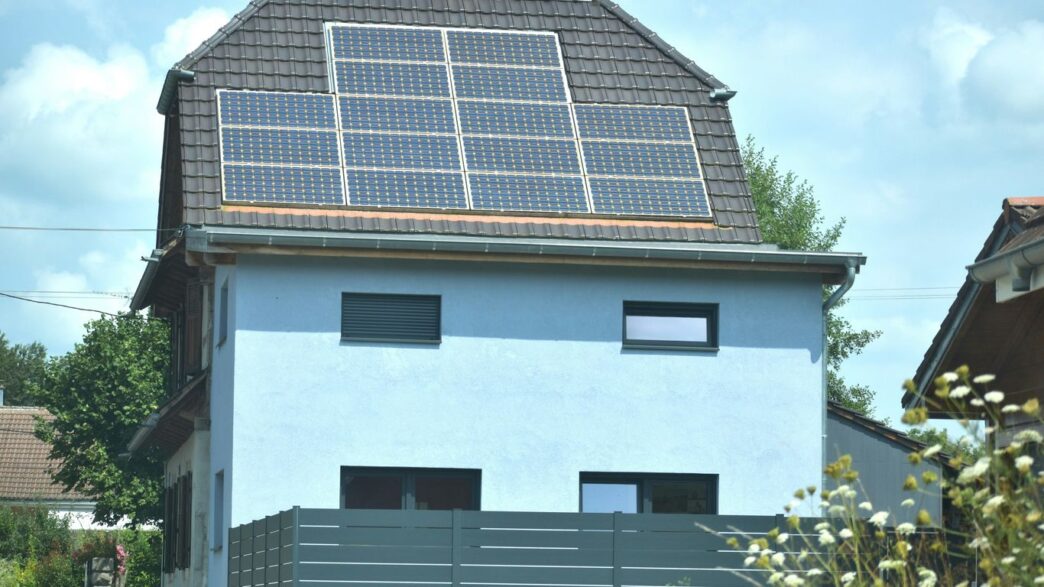
This is the most common type you’ll see. Photovoltaic, or PV, panels are those dark rectangles you see on rooftops. They’re made up of smaller solar cells, usually silicon, that have a neat trick: when sunlight hits them, they create a direct current (DC) of electricity. It’s kind of like a tiny, silent power plant on your roof. These panels can generate electricity even when it’s cloudy, though the output will be lower. You’ll also need an inverter to change that DC electricity into the alternating current (AC) that your appliances use. If you’re thinking about storing power for later, like for nighttime use or during a power outage, you can add a battery system to your setup. It’s a bit like having your own personal energy reserve.
How Concentrated Solar Panels Work
Concentrated solar power (CSP) is a bit different. Instead of directly converting sunlight to electricity like PV panels, CSP systems use mirrors or lenses to focus sunlight onto a small area. This concentrated light then heats up a fluid, which in turn creates steam. That steam drives a turbine, which then generates electricity. Think of it like a magnifying glass focusing sunlight to start a fire, but on a much larger, more controlled scale. While CSP is more common for large-scale power plants, the principle is about concentrating the sun’s energy to create heat, which is then converted to electricity. It’s a different approach to harnessing solar power, often involving more moving parts than standard PV systems.
Benefits of Rooftop Solar Installation
Putting solar panels on your roof is a big step, and there are some solid upsides. For starters, you’re generating your own clean electricity, which can significantly cut down your monthly energy bills. Over the long haul, this can add up to some serious savings. Plus, you’re reducing your reliance on fossil fuels, which is good for the planet. Another perk? If your system generates more electricity than you’re using, you might be able to sell that excess power back to the utility company. It’s like getting paid to be green!
Here are a few more things to consider:
- Lower Electricity Bills: The most immediate benefit is often a noticeable drop in your monthly energy costs.
- Environmental Impact: You’re directly reducing your home’s carbon footprint.
- Increased Home Value: Homes with solar installations can be more attractive to buyers.
- Energy Independence: You’re less dependent on the grid and fluctuating energy prices.
Harnessing Wind Power For Residential Use
Wind power might seem like something reserved for those vast, open plains with those giant turbines you see on TV, but it’s actually becoming a real option for homeowners too. We’re talking about smaller-scale wind turbines, often called micro wind turbines, that can be installed right on your property. These systems capture the kinetic energy of the wind and convert it into electricity for your home.
Micro Wind Turbine Installation
Putting up a micro wind turbine isn’t quite as complicated as you might think, though it does require some planning. You don’t necessarily need acres of land. Many systems can be mounted directly onto your roof, provided your roof structure can handle it and local regulations allow it. Alternatively, a standalone pole in your yard is another common setup. The key is finding a spot with consistent, unobstructed wind flow. Think about what’s around your house – tall trees or neighboring buildings can create turbulence and reduce how much power your turbine can generate.
Wind Turbine Placement Options
When it comes to where you put your turbine, a few things matter. The higher up you can get it, generally the better the wind speed and consistency. This is why rooftop mounts or taller poles are popular. You’ll want to consider:
- Wind Speed: Your area needs a decent average wind speed to make a turbine worthwhile. Some areas are just naturally windier than others.
- Obstructions: Trees, houses, and even hills can block or disrupt wind flow. You need a clear path for the wind to hit the blades.
- Noise: While smaller turbines are much quieter than their industrial counterparts, they still make some noise. Placement should consider proximity to living spaces and neighbors.
- Local Ordinances: Some towns have rules about how tall structures can be or where they can be placed in residential areas.
Addressing Wind Energy Unpredictability
One of the biggest challenges with wind power, even on a small scale, is that the wind doesn’t always blow. This unpredictability means you might not generate enough electricity on calm days. Because of this, most homes using wind power also stay connected to the main electrical grid. This acts as a backup, so you always have power. If your turbine generates more electricity than you’re using on a particularly windy day, you might even be able to sell that excess power back to your utility company, which can help offset costs. Some people also pair wind turbines with battery storage systems to save up extra power for those less windy times.
Geothermal And Air Source Heat Pumps
How Geothermal Heat Pumps Function
Geothermal heat pumps are pretty neat. Instead of relying on the outside air, which can fluctuate wildly, they tap into the earth’s consistent temperature. Think about it: even on the coldest winter day or the hottest summer afternoon, the ground a few feet down stays at a pretty stable temperature. Geothermal systems use this stable underground temperature to heat and cool your home. They work by circulating a fluid through underground pipes. In the winter, this fluid absorbs heat from the earth and brings it into your house. In the summer, the process reverses, pulling heat from your house and sending it back into the cooler earth. It’s like having a natural air conditioner and heater all in one, powered by the planet itself.
The Role of Air Source Heat Pumps
Air source heat pumps are a bit more common and often simpler to install than geothermal. These systems work by transferring heat from the outside air into your home during the winter and reversing the process to cool your home in the summer. They’re essentially air conditioners that can also run in reverse. While they do rely on the outside air temperature, modern units are surprisingly efficient, even in colder climates. They don’t generate heat by burning fuel; instead, they move existing heat from one place to another. This makes them a much more energy-efficient option compared to traditional furnaces or air conditioners.
Applications in Home Heating and Cooling
Both geothermal and air source heat pumps can handle your home’s heating and cooling needs. They’re also great for heating your water. Here’s a quick rundown:
- Heating: They pull warmth from the ground (geothermal) or outside air (air source) to warm your living spaces.
- Cooling: They reverse the process, moving heat from inside your home to the cooler ground or outside air.
- Water Heating: Many systems can be configured to also heat your domestic hot water, further reducing your reliance on separate water heaters.
While the initial setup for geothermal can be more involved due to the underground piping, both systems offer significant long-term savings on energy bills and a reduced environmental impact compared to fossil fuel-based systems.
Choosing A Renewable Energy Provider
So, you’ve decided to go green with your home’s energy. That’s awesome! But before you start looking at solar panels or wind turbines for your own backyard, let’s talk about something a bit simpler: picking the right company to supply your electricity. If you live in an area with a deregulated energy market, you actually have a choice about who provides your power. This is a big deal because it means you can actively select a supplier that focuses on renewable sources.
Understanding Deregulated Energy Markets
Think of it like this: in a deregulated market, the company that owns the power lines and poles (the utility) is separate from the company that actually sells you the electricity. Your utility still handles the delivery, but you get to shop around for the best electricity plan and price from different suppliers. It’s kind of like choosing your cell phone provider – the network is the same, but you pick the company that offers the plan you like best. Not every state has this setup, so it’s worth checking if yours does. If it does, you’ve got the power (pun intended!) to choose a greener path.
Selecting Suppliers Focused on Renewables
When you’re shopping around, look for suppliers that are upfront about their commitment to renewable energy. This means they source a significant portion, or even all, of their electricity from sources like solar, wind, hydro, or biomass. Some companies even have programs where they invest in environmental projects for every new customer they sign up. It’s a good idea to check their websites and see what they say about their energy mix. You might find companies that offer:
- Electricity generated from 100% renewable sources.
- Plans that support the development of new renewable energy projects.
- Options to purchase Renewable Energy Certificates (RECs) to offset your usage.
- Information on where their renewable energy comes from.
Benefits of Flat-Rate Energy Plans
One of the really nice things about choosing a renewable energy supplier is that many offer what’s called a flat-rate or fixed-rate plan. This means you pay the same price per kilowatt-hour (kWh) for your electricity, no matter how much you use or what’s happening with the market prices. It makes budgeting so much easier! Instead of your bill jumping all over the place depending on the season or demand, you know exactly what to expect each month. It takes a lot of the guesswork out of your energy costs, and honestly, that peace of mind is pretty great. Plus, knowing that your predictable bill is also supporting clean energy? That’s a win-win.
Evaluating The Costs And Benefits
So, you’re thinking about going green with your home’s energy. That’s awesome! But before you jump in, let’s talk about the money side of things. It’s not just about saving the planet; it’s also about making smart financial choices for your household.
Initial Investment Versus Long-Term Savings
Okay, let’s be real. Setting up renewable energy systems like solar panels or a geothermal heat pump isn’t exactly cheap upfront. You’re looking at a pretty significant initial investment. Think of it like buying a really good quality appliance that’s built to last. The good news is, once it’s installed and running, your monthly energy bills can drop dramatically. Over the years, these savings can really add up, often paying back the initial cost and then some. It’s a long game, for sure, but one that can pay off handsomely.
Government Incentives And Tax Credits
This is where things get interesting and can make that initial cost a lot more manageable. Many governments, at both federal and local levels, want to encourage people to switch to renewable energy. Because of this, there are often tax credits, rebates, and other incentives available. These can significantly reduce the amount you actually have to spend out-of-pocket. It’s definitely worth doing your homework to see what programs you qualify for in your area. Sometimes these incentives are time-limited, so it’s good to know what’s available before you commit.
Selling Excess Energy Back To The Grid
Here’s a cool perk: if your renewable energy system, like solar panels, generates more electricity than your home is using at any given moment, you might be able to sell that extra power back to the utility company. This is often called
Factors Influencing Your Best Renewable Choice
So, you’re thinking about going green at home, which is awesome. But with all the options out there – solar, wind, geothermal – how do you actually pick the one that makes the most sense for your place? It’s not a one-size-fits-all deal, you know. The best renewable energy source for your home really depends on a few key things specific to your situation. Let’s break down what you need to consider.
Assessing Your Home’s Location And Resources
First off, where you live matters a ton. Think about what nature offers you right outside your door. Do you get a lot of sunshine year-round? If so, solar panels are probably a strong contender. We’re talking about how much direct sunlight your roof or yard gets, and for how many hours a day. Some places just get way more sun than others, making solar a no-brainer.
Then there’s wind. Is your property out in an open area where the wind blows pretty consistently? If you’re in a sheltered valley or surrounded by tall buildings or trees, a wind turbine might not get enough breeze to be worth it. You’ll want to look at average wind speeds for your specific location. Sometimes, even a small turbine can work if the wind is steady, but if it’s gusty and weak, you might be better off looking elsewhere.
Geothermal is a bit different. It taps into the stable temperature of the earth below your home. This works pretty much anywhere, but the installation can be more involved, especially if you have rocky soil or a small yard. It’s less about what’s happening above ground and more about what’s below.
Considering Energy Storage Solutions
Okay, so you’ve got your renewable source picked out, but what happens when the sun isn’t shining or the wind isn’t blowing? That’s where energy storage comes in. Batteries are becoming a really popular way to store the excess energy you generate during peak times. This way, you can use that stored power when your system isn’t producing enough, like at night for solar or on a calm day for wind.
Think of it like this:
- Solar Power: You generate electricity all day. Store the extra in batteries for use after sunset.
- Wind Power: You generate electricity when it’s windy. Store it for those still days or nights.
- Geothermal: This is usually more about direct heating and cooling, so storage isn’t as big a concern for electricity generation itself, but you might still want batteries for other home uses.
The size and type of battery system you need will depend on how much energy you use and how much you want to store. It’s an added cost, for sure, but it can make your renewable system much more reliable and reduce your reliance on the grid even further.
Compatibility With Other Home Systems
Finally, you’ve got to think about how your chosen renewable energy system will play nice with your existing home setup. For example, if you’re looking at solar panels, you’ll want to make sure your roof is in good shape and can handle the weight. You’ll also need to consider your home’s electrical panel and wiring to make sure it can handle the new system.
If you’re leaning towards geothermal or air source heat pumps, you’ll need to think about your existing heating and cooling ductwork. Sometimes, upgrades are needed to make everything work together efficiently. It’s not just about the energy source itself, but how it integrates with the rest of your house. You don’t want to install a fancy new system only to find out your old furnace ducts can’t handle it, right? Talking to installers about your current setup is a really good idea before you commit.
Wrapping It Up
So, we’ve looked at a few ways to bring cleaner energy into your home, from solar panels on the roof to wind turbines in the yard, and even those clever heat pumps. It’s clear that going green at home isn’t just a trend; it’s becoming more doable and even affordable. While the upfront costs can seem a bit much, remember that over time, you’re likely to save money and, more importantly, help out the planet. Picking the right option really comes down to your specific situation – where you live, what your house is like, and what your budget allows. But no matter what, making a switch, even a small one, makes a difference. It’s about taking a step towards a cleaner future, one home at a time.