Ever wondered who’s actually behind those Rivian trucks you’re seeing more of on the road? It’s easy to get caught up in the hype of new electric vehicles, but understanding the company that makes them is key. We’re going to break down how Rivian came to be, who’s backing them, and what their plans are for the future. So, who makes the Rivian truck? Let’s find out.
Key Takeaways
- Rivian was founded by RJ Scaringe, who had a clear vision for electric adventure vehicles. The company focuses on in-house design and engineering.
- Amazon plays a massive role, placing a huge order for delivery vans and having exclusive rights for a period. This deal is central to Rivian’s business.
- Besides the Amazon vans, Rivian is also making the R1T electric pickup and the R1S electric SUV for consumers.
- Major investors, including Ford and significant venture capital firms, have backed Rivian, culminating in a large IPO valuation.
- Rivian faces challenges in scaling up production, especially balancing the demand for Amazon’s vans with their consumer vehicles, and dealing with supply chain issues.
The Genesis Of Rivian: A Visionary’s Pursuit
RJ Scaringe’s Entrepreneurial Drive
It all started with RJ Scaringe. He’s the guy who founded Rivian, and he’s got this big idea about changing how we think about energy and transportation. Back in the day, even before Rivian, he was already tinkering with new ideas, like robotics. Scaringe’s vision wasn’t just about making another electric car; it was about tackling bigger environmental issues. He saw a future where we’d run out of fossil fuels and mess up the planet, and he wanted to do something about it. He believed that by tapping into our natural desire to explore, we could find ways to keep the world worth exploring for generations to come. It’s a pretty grand way to look at things, right? He’s not just building vehicles; he’s trying to build a whole new category around adventure and sustainability. It’s a far cry from just wanting to build a faster car.
In-House Engineering and Design Philosophy
Rivian really prides itself on doing a lot of the engineering and design work themselves. They call it
Amazon’s Pivotal Role In Rivian’s Trajectory
It’s hard to overstate just how important Amazon has been for Rivian. Back in September 2019, Jeff Bezos, who was then the big boss at Amazon, made a pretty big announcement. He said Amazon was going to order a whopping 100,000 electric delivery vans, and these would be built by a company most people hadn’t even heard of yet: Rivian.
The Landmark Delivery Van Order
This wasn’t just a small order; it was a game-changer. For Rivian, it meant instant credibility and a massive business deal. Suddenly, they weren’t just another startup with a cool idea; they had a real, tangible order from one of the biggest companies in the world. This deal immediately set them apart from other EV hopefuls. The sheer scale of this order provided Rivian with the financial backing and a guaranteed customer base that many startups only dream of. It was the kind of endorsement that opened doors and attracted other big investors.
Exclusive Rights and Future Commitments
While the initial order was huge, it also came with some interesting terms. The agreement basically put Rivian in a strong position with Amazon, but it also meant Amazon wasn’t locked into buying only from Rivian. They could still work with other companies, which is a bit of a safety net for Amazon as they look to electrify their massive fleet. Still, the expectation is that this 100,000-van order is just the beginning. If Amazon is serious about its goal of becoming carbon neutral, they’ll need a lot more electric vehicles, and Rivian is positioned to be a major supplier.
Amazon’s Investment and Validation
Beyond the van order itself, Amazon also put its money where its mouth was. They led a significant investment round in Rivian back in early 2019. This wasn’t just about buying vans; it was a vote of confidence. Having Amazon, a company known for its forward-thinking logistics, invest in and partner with Rivian gave other investors a strong signal. It validated Rivian’s technology and its potential to actually deliver on its promises, especially for commercial applications. It’s like Amazon saying, "We believe in this, and we’re putting our money down to make it happen."
Rivian’s Product Lineup: Beyond The Delivery Van
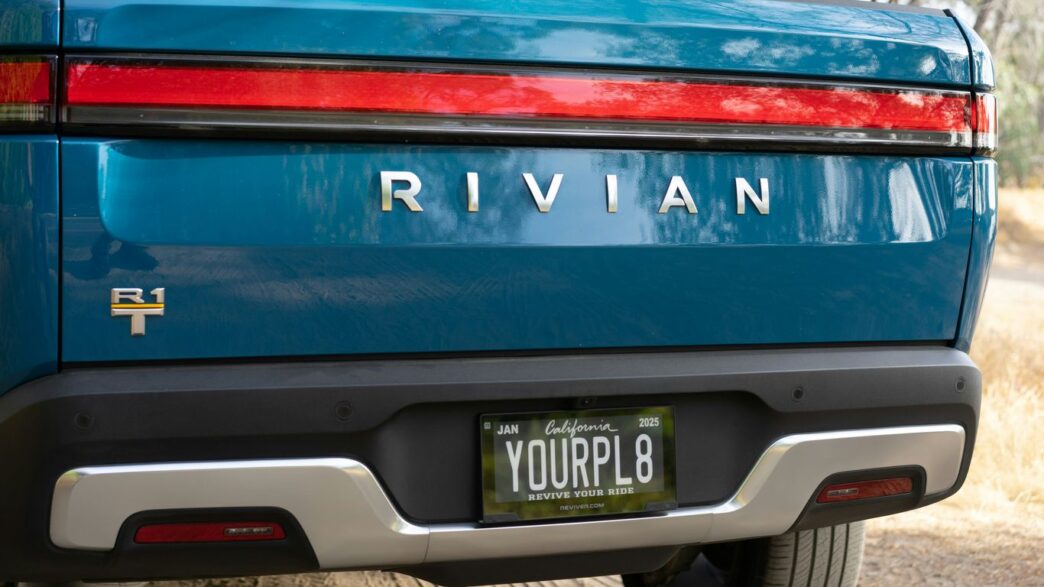
While the Amazon delivery van deal has been a huge part of Rivian’s story, it’s not the only thing they’re making. Back when the company first showed itself to the world, it was all about two consumer vehicles: the R1T electric pickup truck and the R1S electric SUV. These were the vehicles that really got people talking about Rivian’s vision for the future of driving.
The R1T Electric Pickup Truck
The R1T was the first vehicle Rivian officially unveiled. It’s a pickup truck designed for people who want something a bit different. Think of it as a blend of adventure and everyday utility, all powered by electricity. Rivian put a lot of thought into making it capable off-road, but also comfortable and practical for daily use. They designed pretty much everything in-house, from the lights to the battery system, which is a pretty big undertaking. It’s got a unique front trunk, called a ‘gear tunnel,’ that runs through the vehicle, offering extra storage space.
The R1S Electric SUV
Right alongside the R1T, Rivian showed off the R1S. This is essentially the SUV version of the R1T. It shares a lot of the same technology and design philosophy but offers more passenger space and a traditional SUV body style. It’s aimed at families or anyone who needs more room for people and gear. Like the R1T, it boasts impressive performance and range, making it a compelling option in the growing electric SUV market.
Balancing Consumer and Commercial Vehicles
It’s clear that Rivian is trying to do two very different things at once: build cool electric trucks and SUVs for regular folks, and also produce a massive fleet of delivery vans for Amazon. This is a tough balancing act. The company has had to make some tough calls about production priorities. For a while, it seemed like the Amazon vans were getting all the attention, and the R1T and R1S were being produced in smaller numbers. This strategy helps secure that big Amazon contract, which is a huge deal for Rivian’s finances and future. But it also means that customers waiting for their R1T or R1S might have to wait a bit longer. It’s a constant push and pull between satisfying a massive commercial order and meeting the demand for their original consumer vehicles.
Key Investors And Financial Backing
Early Investment Rounds
Before Rivian even started shipping vehicles, they managed to attract some serious attention from investors. It’s kind of wild when you think about it – a company that hasn’t put a single truck or SUV into a customer’s hands is already being talked about in the same breath as established auto giants. This early backing wasn’t just pocket change; it was a clear signal that people believed in RJ Scaringe’s vision and Rivian’s potential to shake things up.
Ford Motor Company’s Involvement
Ford, a company that knows a thing or two about building trucks, made a significant investment in Rivian. This wasn’t just about throwing money at a startup. It was a strategic move, showing that even a legacy automaker saw the future in electric vehicles and Rivian’s approach. They were betting on Rivian’s technology and design, which is pretty telling.
The Significance of the IPO Valuation
When Rivian went public, the valuation was eye-popping. We’re talking about a market cap that, at times, dwarfed established players like Ford and GM. This massive valuation wasn’t just based on current sales, because, well, there weren’t many. Instead, it was heavily influenced by the perceived potential of the electric vehicle market and Rivian’s place in it. Investors were buying into the idea of what Rivian could become, not just what it was on paper at that moment. It’s a classic case of betting on the future category potential rather than just past performance, which is a big shift in how companies are being valued these days.
Manufacturing And Production Challenges
Building a whole new kind of vehicle is tough. Like, really tough. Rivian found this out pretty quickly as they tried to get their R1T trucks and R1S SUVs rolling off the assembly line. It’s not just about having a cool design; it’s about actually making thousands of them, consistently, and on time.
Scaling Up Production
Getting from a few prototypes to a full-blown factory churning out vehicles is a massive leap. Rivian’s plant in Normal, Illinois, is the heart of this operation. They had to figure out how to ramp up production without sacrificing quality. This involves setting up complex assembly lines, training a huge workforce, and making sure all the parts are there when they’re needed. It’s a delicate balancing act, and any hiccup can cause delays. The sheer complexity of automotive manufacturing is something many new companies underestimate.
Prioritizing Van Production Over Pickups
Early on, Rivian made a strategic decision that caused some head-scratching among potential truck and SUV buyers. They decided to focus heavily on fulfilling Amazon’s massive order for electric delivery vans first. While this made business sense due to the guaranteed large order and investment from Amazon, it meant that consumer vehicle production, like the R1T, had to take a backseat. This led to longer wait times for customers who had already put down deposits, creating some frustration.
Navigating Supply Chain Disruptions
Like almost every automaker out there right now, Rivian has had to deal with supply chain issues. Think about all the tiny parts that go into a car – from computer chips to specialized batteries. When there’s a shortage of even one of these components, it can bring the whole production line to a halt. They’ve had to get creative, finding new suppliers and sometimes redesigning parts to use more readily available materials. It’s a constant challenge to keep the flow of parts coming in smoothly.
The Future Outlook For Rivian
So, what’s next for Rivian? It’s a big question, especially with how much has happened already. The company has managed to get a lot of attention, and frankly, a lot of cash, but the real test is still ahead. They’ve got this massive order from Amazon, which is great, but it also means they’re pretty tied to what Amazon needs. The big challenge is balancing those commercial van orders with getting their consumer trucks and SUVs into more people’s driveways.
Potential for Additional Commercial Orders
Beyond Amazon, there’s a whole world of delivery and logistics companies out there. Think about all the businesses that rely on fleets to get their goods around. Rivian’s electric vans could be a really attractive option for them, especially as more places look to cut down on emissions. It’s not just about saving the planet, either; running electric vehicles can often be cheaper in the long run due to lower fuel and maintenance costs. If Rivian can prove its vans are reliable and cost-effective, they could snag deals with other big players in shipping and delivery. This could really help diversify their customer base and make them less dependent on just one giant client. It’s a smart move to explore these other markets, and it seems like they’re already laying the groundwork for that kind of expansion.
Expanding the Electric Vehicle Market
Rivian isn’t just trying to grab a piece of the existing EV pie; they’re aiming to make the pie bigger. By focusing on trucks and SUVs, they’re tapping into vehicle types that a lot of people want but haven’t had many electric options for. Remember how popular big vehicles are? Rivian is betting that people will switch to electric if the vehicles are capable and appealing. They’ve got a lot of pre-orders for their R1T and R1S, which shows there’s definitely interest. The hope is that by offering these kinds of vehicles, they’ll encourage more people who might not have considered an EV before to make the jump. It’s about showing that electric doesn’t just mean small, quirky cars anymore.
Meeting Consumer Demand and Expectations
This is where things get really interesting, and maybe a little tricky. Rivian has built up a lot of hype, and people who’ve put down deposits are eager to get their hands on their trucks and SUVs. The company needs to ramp up production significantly to meet that demand. It’s not just about building them, though; it’s about building them well. Quality control is going to be super important. If the early vehicles have issues, it could hurt their reputation fast. Plus, they need to think about the whole ownership experience: charging infrastructure, service, and support. Making a cool truck is one thing, but making sure customers are happy long after they drive off the lot is another. It’s a balancing act, for sure.
So, Who’s Behind the Wheel?
When you look at Rivian, it’s clear that while RJ Scaringe is the visionary leading the charge, the company’s path is heavily shaped by its major partners, especially Amazon. That massive order for delivery vans isn’t just a big sale; it’s the backbone of Rivian’s current operations, giving them steady income and a clear focus. While the cool electric trucks and SUVs grab headlines, the real engine right now seems to be those vans. It’s a balancing act, trying to build for everyday drivers while fulfilling a huge commercial contract. Whether Rivian can keep both sides of its business humming and truly become the ‘Patagonia of pickups’ remains to be seen, but for now, Amazon’s needs are definitely steering the ship.
Frequently Asked Questions
Who is the main person behind Rivian?
The person who started Rivian is RJ Scaringe. He had a big dream to build cool electric vehicles, and he’s been working hard to make it happen.
Does Amazon own Rivian?
Amazon is a very important customer and investor in Rivian. They placed a huge order for electric delivery vans and have a special deal that gives them rights to Rivian’s delivery vehicles for a while.
What kind of vehicles does Rivian make?
Rivian makes electric pickup trucks called the R1T and electric SUVs called the R1S for regular people. They also make electric delivery vans for companies like Amazon.
Where are Rivian trucks made?
Rivian’s vehicles are built at a factory in Normal, Illinois. This factory was bought by Rivian to make their cars.
Has Rivian had any problems making its trucks?
Yes, like many car companies, Rivian has faced challenges. They’ve had to work hard to build enough vehicles, especially with problems like not having enough computer chips and trying to make both delivery vans and customer trucks at the same time.
What’s next for Rivian?
Rivian hopes to get more orders for its delivery vans from other companies and keep making its electric trucks and SUVs for customers. They want to keep growing and be a big part of the electric vehicle world.