In 2026, cybersecurity is no longer just an IT concern — it is a boardroom priority.
From ransomware attacks targeting hospitals to AI-powered phishing campaigns hitting enterprises, the global threat landscape has grown more sophisticated and more expensive. According to recent industry reports, cybercrime damages are projected to exceed $10 trillion annually, making cybersecurity one of the fastest-growing sectors in technology.
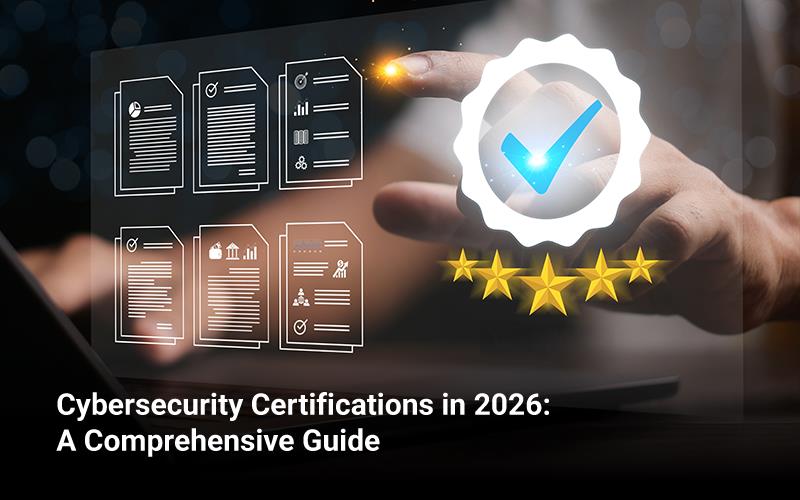
Against this backdrop, cybersecurity certifications have become the single most strategic career move for IT professionals looking to accelerate growth, increase salary, and secure long-term relevance.
But why now? And what makes 2026 different from previous years?
The Talent Shortage Has Reached Critical Levels
The global cybersecurity workforce gap remains in the millions. Companies are not just looking for general IT professionals — they need specialists who understand risk assessment, threat modeling, compliance frameworks, and cloud security architecture.
The challenge for employers is validation.
Degrees provide theoretical grounding. Experience shows exposure. But certifications demonstrate verified, up-to-date technical competency.
As a result, organizations increasingly prioritize candidates who have proven expertise through structured learning paths and recognized credentials, often supported by preparation systems from a cybersecurity certification training platform that simulates real-world exam scenarios and domain-focused assessments.
The message is clear: validated skills matter.
Why Cybersecurity Is Recession-Resistant
While many tech sectors experience cyclical hiring slowdowns, cybersecurity remains resilient.
Why?
Because security is not optional.
Organizations cannot “pause” protecting customer data, regulatory compliance, or cloud infrastructure. As digital transformation expands, attack surfaces grow — and so does the need for skilled professionals.
This makes cybersecurity one of the few IT specializations that:
- Maintains steady demand during economic downturns
- Commands premium salaries
- Offers remote and global opportunities
- Provides long-term career stability
Professionals entering the field in 2026 are stepping into a market with structural demand, not temporary hype.
The Salary Multiplier Effect
Compensation data across North America and Europe consistently shows a strong correlation between certifications and salary growth in cybersecurity roles.
Popular certifications such as:
- CompTIA Security+
- Certified Information Systems Security Professional (CISSP)
- Certified Ethical Hacker (CEH)
- AWS Security Specialty
often act as gateways to higher compensation tiers.
But it’s not just about the credential itself.
Certifications signal to employers:
- Commitment to continuous learning
- Alignment with industry standards
- Capability in structured problem-solving
- Familiarity with compliance and governance frameworks
In competitive hiring markets, that signal matters.
Cloud, AI, and the Expanding Attack Surface
2026 introduces new variables that make cybersecurity even more urgent.
1. Cloud-First Architectures
Organizations are now fully cloud-native or operating hybrid environments. Securing distributed systems requires new skill sets beyond traditional perimeter defense.
2. AI-Driven Threats
Attackers are leveraging automation and artificial intelligence to scale phishing and social engineering attacks. Defensive strategies must evolve accordingly.
3. Regulatory Expansion
Governments worldwide are introducing stricter data protection and reporting requirements. Compliance expertise is increasingly valuable.
Cybersecurity certifications are evolving alongside these trends, integrating cloud security, automation, zero-trust architecture, and AI threat detection into their frameworks.
Professionals who certify now position themselves at the intersection of security and emerging technology.
Beyond Passing Exams: Building Practical Competence
One common misconception is that certifications are simply about memorizing answers.
In reality, modern cybersecurity exams emphasize:
- Scenario-based problem solving
- Risk-based decision-making
- Real-world infrastructure design
- Compliance evaluation
Preparation methods have evolved accordingly. Structured practice environments, timed simulations, and domain analytics allow candidates to strengthen weak areas and build confidence before exam day.
The key distinction in 2026 is not just earning a certification — it is mastering the underlying competencies.
Career Flexibility and Global Mobility
Another reason cybersecurity certifications are surging in popularity is portability.
Unlike region-specific degrees, cybersecurity credentials are globally recognized. A certified professional in London, New York, or Singapore speaks a standardized technical language understood across industries.
This opens doors to:
- International roles
- Remote consulting opportunities
- Cross-industry transitions (finance, healthcare, tech, government)
As remote work continues to normalize, globally transferable skills become even more valuable.
The Psychological Edge
Beyond technical skills and salary increases, certifications provide something equally important: confidence.
Professionals often report that after earning cybersecurity credentials, they:
- Participate more actively in strategic discussions
- Advocate security best practices with authority
- Approach audits and compliance reviews with less anxiety
- Negotiate compensation more effectively
In competitive markets, confidence combined with validated expertise becomes a powerful differentiator.
Is 2026 the Right Time to Start?
Yes — and possibly the most strategic time in the last decade.
Cybersecurity is transitioning from reactive defense to proactive resilience. Organizations are building long-term security frameworks, not short-term fixes.
This creates sustained demand for:
- Security analysts
- Cloud security engineers
- Governance and compliance specialists
- Security architects
- Penetration testers
The professionals who invest in certification today will be positioned for leadership roles tomorrow.
Final Thoughts
Technology will continue to evolve. Threat actors will continue to adapt. Regulatory pressure will increase. Cloud adoption will expand.
In this environment, cybersecurity expertise is not just valuable — it is indispensable.
For IT professionals seeking a career move that combines strong salary potential, long-term stability, and global opportunity, cybersecurity certifications represent one of the smartest investments of 2026.
The question is no longer whether the demand exists.
The question is whether you are prepared to meet it.
To explore structured certification preparation resources, visit: https://certmage.com/