Understanding Climate Tipping Points
Defining Earth’s Critical Thresholds
So, what exactly are these "tipping points" everyone’s talking about? Think of them like a line in the sand for our planet’s climate system. When we push things too far, certain parts of Earth’s climate can suddenly shift into a new state, and there’s no going back. It’s not a gradual change anymore; it’s a flip. These are critical thresholds, and once crossed, they can lead to irreversible breakdown in major Earth systems. We’re talking about changes that could happen much faster than we might expect, and they’re not just theoretical anymore.
The Growing List of Potential Tipping Elements
Scientists used to talk about a few key areas that could tip over. But the list has gotten longer. What was once a handful of concerns has expanded significantly. Researchers have identified more potential tipping elements, and our understanding of the risks associated with them has grown a lot. It’s like finding out there are more dominoes in the line than you initially thought.
Here are some of the major ones scientists are watching:
- Ice Sheets: Like the Greenland and West Antarctic ice sheets.
- Permafrost: The frozen ground in the Arctic.
- Coral Reefs: These vibrant underwater ecosystems.
- Ocean Currents: Such as the Atlantic Meridional Overturning Circulation (AMOC).
- Forests: Including the Amazon rainforest.
The Concept of Irreversible Breakdown
The scary part about these tipping points is the "irreversible" bit. Once a system like the Greenland ice sheet passes its tipping point, it starts a kind of runaway effect. Even if we managed to cool the planet down later, that ice sheet would likely continue to melt away. It’s a one-way street. This means that even small increases in global temperature could trigger these massive, permanent changes. The danger is that we might be closer to these points of no return than we previously realized.
The Accelerating Timeline to Irreversibility
It feels like just yesterday we were hearing that major climate tipping points were something we’d worry about well into the next century. But surprise! New research is painting a much scarier picture, suggesting these critical thresholds could be closer than we thought. We’re talking about points of no return for huge parts of our planet’s systems, and the clock seems to be ticking faster.
New Studies Indicate Earlier Trigger Points
Remember those older reports that said we had more breathing room, maybe until we hit 3.6 degrees Fahrenheit (2 degrees Celsius) of warming? Well, some recent studies are saying, ‘Nope, not so much.’ It turns out, some of these major tipping points might be triggered at lower temperature increases than we initially figured. This means the window to act is shrinking, and frankly, it’s a bit unsettling.
Interconnectedness of Tipping Points
One of the big reasons for this accelerated timeline is that scientists are getting a better handle on how all these tipping points are linked. It’s not just one thing going wrong; it’s more like a row of dominoes. If the Arctic permafrost melts, it releases more greenhouse gases, which warms things up even more, potentially melting ice sheets faster and stressing coral reefs. It’s a chain reaction, and once one domino falls, the others could follow pretty quickly. This interconnectedness is a major concern.
The Danger Zone for Key Earth Systems
Scientists have been looking at a bunch of these potential tipping points, and some are definitely in what they call the "danger zone." This means they’re getting really close to their breaking point. We’re talking about:
- Ice Sheets: The Greenland and West Antarctic ice sheets are particularly worrying. Some research suggests they might have already passed their lowest potential tipping points. That’s a big deal for sea-level rise.
- Permafrost: The vast frozen ground in the Arctic is thawing, releasing trapped gases.
- Coral Reefs: These vibrant underwater cities are facing mass die-offs due to warming oceans.
- Ocean Currents: Key currents, like one in the Labrador Sea, are showing signs of slowing down, which could have widespread effects on weather patterns.
It’s a sobering list, and the fact that some of these are already in the "danger zone" really underscores the urgency of the situation.
Specific Tipping Points Approaching
When it comes to climate change, it’s not just one thing breaking down. A handful of Earth’s systems are now inching—or in some cases, racing—towards collapse, and scientists are more anxious than ever about how fast it’s all going. Here’s a look at three that experts are most worried about.
Ice Sheets and Permafrost Vulnerability
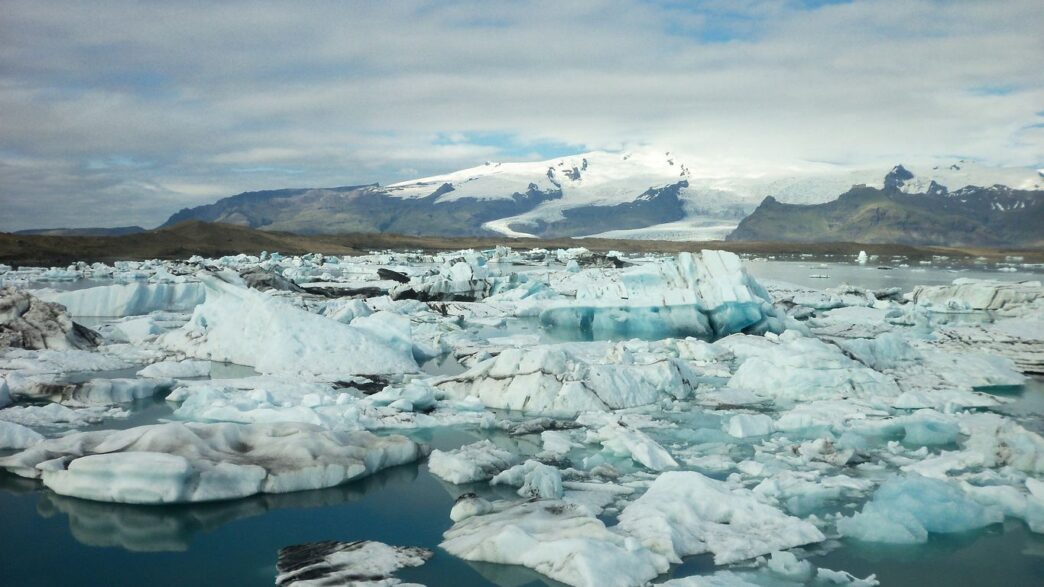
The Greenland and West Antarctic ice sheets are showing signs they might already be past their lowest tipping points. That’s a scary thought because, once these massive blocks of ice start shrinking for good, there’s little hope of reversing it—even if the world cools back down someday. The other big one is the Arctic permafrost. As it thaws, it releases more greenhouse gases, which just makes everything heat up even faster. We’re talking about a cycle that’s hard to stop once it gets rolling.
What’s at stake?
- Rising sea levels—threatening coastal cities everywhere
- More carbon and methane escaping into the atmosphere
- Local wildlife losing their homes, and possibly vanishing
| Ice Sheet / Permafrost | Estimated Tipping Point | Current Status |
|---|---|---|
| Greenland | 0.8°C above preindustrial | Past threshold |
| West Antarctica | 1.0°C above preindustrial | Likely past or near |
| Arctic Permafrost | ~1.5°C above preindustrial | Approaching |
Coral Reefs Facing Mass Extinction
Coral reefs aren’t just pretty underwater forests—they support about a quarter of all ocean life. Right now, they’re in rough shape. Heat waves are making the water too hot, causing mass bleaching events almost every year. It’s not just the bright colors fading; the reefs can actually die off, and if enough of them go, the whole system they support could go with them.
Here’s what’s happening:
- Mass bleaching is becoming more common
- Loss of habitat for thousands of fish and marine species
- Threats to local economies that rely on tourism and fishing
Ocean Currents Under Threat
It’s hard to overstate how important ocean currents are. They move heat around the planet, shape weather patterns, and even help keep Europe warmer than it would be otherwise. But massive currents like the Atlantic Meridional Overturning Circulation (AMOC) are slowing down. If one of these currents changes or stops, it could throw weather, sea levels, and marine ecosystems into chaos.
If the trend carries on:
- European winters could get much colder
- Monsoon patterns in Africa and South America might change, hurting crops
- More dramatic sea level changes along North American coastlines
The overall point? We’re edging closer to a bunch of lines that, once crossed, aren’t really lines at all anymore—they’re cliffs. There’s no easy switch to flip everything back, so these warning signs aren’t just for scientists to stress about. They’re for everyone.
The Impact of Crossing Thresholds
So, what actually happens when we push Earth’s systems past their breaking point? It’s not just a little bit warmer or a bit more rain. We’re talking about changes that are hard to come back from, and they can happen faster than we think.
Increased Frequency of Extreme Weather
When climate tipping points get crossed, the weather gets wilder. Think more intense heatwaves that bake cities, longer and more destructive wildfire seasons, and heavier downpours that cause flash floods. These aren’t just isolated incidents anymore; they’re becoming the new normal in many places. Even a small increase in global warming, like 1.5 degrees Celsius, means we’ll see extreme events that were once rare happening much more often. Sea level events that used to happen once every hundred years could be an annual thing in many coastal spots by the end of this century.
Unprecedented Events Becoming Commonplace
We’re already seeing weather events that seem to come out of nowhere, and this trend is set to continue. These aren’t just slightly worse versions of what we’ve seen before. They are events that historical records don’t even prepare us for. Imagine storms of a magnitude never recorded, or droughts that last far longer than anyone remembers. The scary part is that these "unprecedented" events will likely become commonplace if we continue on our current path.
Long-Term Irreversible Changes to Earth Systems
Crossing a tipping point means a part of the Earth’s climate system changes so drastically that it doesn’t just bounce back. It’s like a domino effect. For example, if the permafrost in the Arctic melts too much, it releases greenhouse gases that warm the planet even more, which then melts more ice, and so on. This can lead to:
- Melting Ice Sheets: Major ice sheets, like those in Greenland and West Antarctica, could pass a point of no return. This means they’ll continue to melt, raising sea levels significantly, even if we manage to cool the planet later.
- Coral Reef Collapse: Warming oceans and acidification are already devastating coral reefs. Once they reach a certain threshold, the damage becomes permanent, leading to the loss of entire ecosystems that support a huge amount of marine life.
- Ocean Current Slowdown: Key ocean currents, like the Atlantic Meridional Overturning Circulation (AMOC), which helps regulate global temperatures, could slow down or even stop. This would drastically alter weather patterns, leading to extreme cold in some areas and heat in others, impacting rainfall for billions.
These aren’t just theoretical problems. They represent fundamental shifts in how our planet works, with consequences that will last for centuries, if not millennia.
The Urgency of Climate Action
Why Will Climate Change Be Irreversible by 2050?
Climate change isn’t some far-off crisis anymore—it’s here and picking up speed. By 2050, experts warn that we’ll pass certain thresholds that can’t easily be undone. Once we move beyond those limits, things like melting polar ice and dying coral reefs will trigger a series of changes we can’t stop even if we dramatically reduce emissions later. The risks affecting our food, health, homes, and general safety become much harder to reverse the longer we wait to act. At this point, scientists say the best tool we have is to prevent those "points of no return," not try to fix them once they’re gone.
The Role of Greenhouse Gas Emissions
One of the main drivers behind climate change is the steady rise in greenhouse gas emissions, especially carbon dioxide (CO₂) and methane. These gases trap heat in our atmosphere and keep driving up global temperatures. Here’s a quick look at recent numbers:
| Year | CO₂ (ppm) | Global Methane (ppb) |
|---|---|---|
| 2000 | 369 | 1750 |
| 2010 | 390 | 1790 |
| 2023 | 423 | 1920 |
Sources: World Meteorological Organization, UNEP Reports 2024
Even though there have been promises and green pledges, emissions keep rising. Fossil fuel use is still high, and new records are set almost every year. This push to keep burning coal, oil, and gas puts pressure on nearly every system we rely on—oceans, forests, farms, the list goes on.
The Need for Immediate Emission Reductions
We don’t have to wait for new inventions to get started—there’s already a long list of steps that could lower emissions now. Here are just a few:
- Speed up the shift to renewable energy (wind, solar, etc.)
- Cut support for new fossil fuel projects
- Promote energy efficiency at home, work, and in transport
- Change farming practices and protect natural areas that absorb carbon
- Encourage individual and community action (like using less energy, eating less meat)
It’s a lot to take in, but also kind of motivating, since it means every bit of action makes a dent. The bottom line? The window to act is still open, but it won’t be for much longer. If we want a shot at avoiding an irreversible climate shift by 2050, we have to start making big changes today, not tomorrow.
Potential Pathways to Avoid Catastrophe
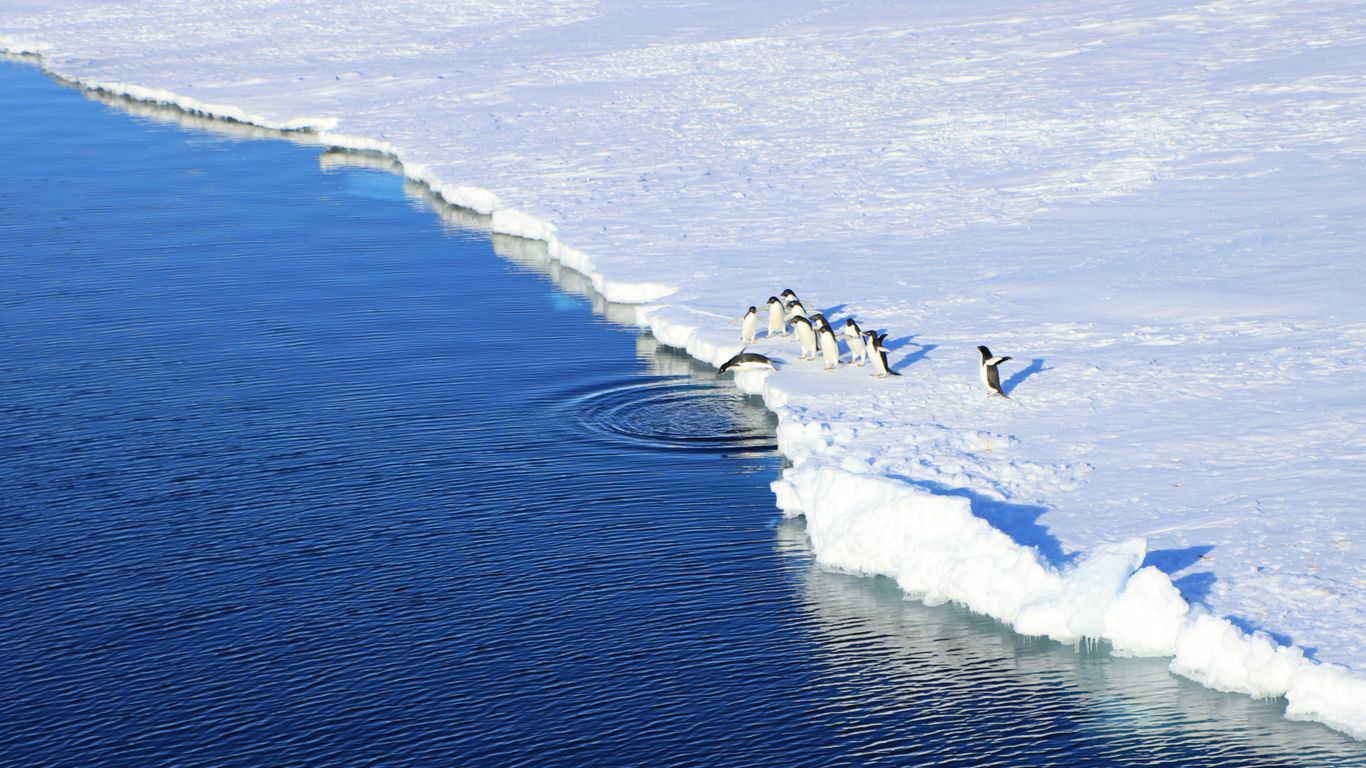
When it comes to climate change, it’s easy to feel powerless or even doomed, but that’s definitely not the full story. In fact, experts say we still have a real shot at stopping some of the worst outcomes if we act now. Here’s a closer look at what those solutions could look like.
The Goal of Limiting Global Warming
The world’s primary aim is to keep average global temperature rise well below 2°C—and push for a limit of 1.5°C if possible. It sounds abstract, but this matters. Every extra tenth of a degree makes a difference for weather extremes and the risk of tipping points. Staying under the threshold means:
- Reducing the chance we’ll trigger more tipping points.
- Lowering the number and intensity of extreme weather events.
- Keeping more ecosystems—like coral reefs—intact, at least for a while.
Countries have set their own targets for cutting emissions, but the globe is still not on track. Here’s a simple table from recent UN reports to show where we stand:
| Scenario | Projected Warming (by 2100) |
|---|---|
| Current policies | 2.5–2.9°C |
| Promised targets | 2.1–2.4°C |
| Needed for 1.5°C | Below 1.5°C |
Achieving Net Zero Emissions
Net zero means balancing the carbon we emit with the carbon we remove. To get there, these actions are needed fast:
- Replace fossil fuels (coal, oil, gas) with renewable energy sources—solar, wind, hydro.
- Make buildings, transport, and industry way more energy efficient.
- Support new tech that can pull carbon out of the air, like direct air capture and reforestation.
- Stop deforestation and protect natural carbon sinks (forests, wetlands, etc.).
Getting everyone on board isn’t easy—some countries and industries are changing faster than others. The longer we delay, the steeper the climb.
The Possibility of Social Tipping Points
Here’s something hopeful: societies can change quickly when the momentum kicks in, even if things look stuck for a while. These are called social tipping points. They can be triggered by:
- People shifting their habits, like ditching meat or choosing public transit.
- Governments and businesses passing new laws, taxes, or incentives that make low-carbon options the norm.
- Movements and campaigns that pressure leaders to act bigger and faster.
Once change gathers speed, it snowballs. Think about how fast cell phones or the internet took over our lives. The same thing could happen with climate action.
So, yes, the window is closing. But the tools are right in front of us, and it’s not game over yet. It’s really about doing all of this—right now, and everywhere we can.
So, Are We Doomed by 2050?
Look, the science is pretty clear: we’re already seeing changes that won’t be undone for a long, long time. Some of these big climate systems, like the ice sheets and coral reefs, are really close to a point of no return, and some might have already passed it. It’s not exactly a cheerful thought. But here’s the thing: experts are saying we’re not completely out of options yet. If we can make some really big, fast cuts to greenhouse gas emissions – like, cutting them in half by 2030 and hitting zero by 2050 – we can still avoid the worst of it and maybe even start to reverse some of the damage. It’s going to take a massive shift, maybe even a social tipping point where everyone demands action, but the message is, we’re not doomed if we act now. Every little bit of warming we prevent really does matter.