
The World Energy Summit 2026 is coming up, and it looks like it’s going to be a big deal. It’s all about new ideas and figuring out how we’re going to power the world in the future, especially with climate change being such a focus. Lots of investment is going into cleaner energy tech, and there’s a real push to make sure that what we talk about at the summit actually leads to changes in how businesses operate and how policies are made. It feels like a critical moment for global energy.
Key Takeaways
- The World Energy Summit 2026 is a major event focusing on innovation and investment in the global energy sector, especially for low-carbon technologies.
- Artificial intelligence is highlighted as a key tool for improving grid stability, integrating renewable energy sources, and developing climate solutions.
- Challenges in solar power deployment, like managing large projects and grid integration, will be discussed, alongside the impact of global politics on manufacturing.
- New features at the summit include the FUSE AI Cleantech Pavilion and the Greenhouse Startup Showcase, alongside collaborations like the Greenpeace Cinema.
- The summit emphasizes international collaboration and regional partnerships to drive the clean energy transition and address global power distribution needs.
World Energy Summit 2026: A Nexus of Innovation and Investment
The World Energy Summit 2026 is shaping up to be a really big deal this year, more than ever before. It’s not just another conference; it’s where a lot of the big ideas about our energy future are actually getting discussed and, hopefully, put into motion. Think of it as a central meeting point for everyone involved – from the folks making the policies to the people investing the money and the innovators coming up with new tech. This year, the focus is really on turning those big climate goals into actual projects and solutions.
Global Gathering for Climate Action
This summit is a major international get-together, and it’s happening at a time when we’re seeing a huge amount of money flowing into cleaner energy options. We’re talking over $386 billion in just the first half of 2025 for low-carbon technologies. That’s a massive number, right? The event is designed to bring together leaders from governments, businesses, and research institutions to figure out how we can actually make these climate targets happen. It’s a place where global ambitions are put on display, and the conditions are set to actively pursue them.
Record Investment in Low-Carbon Technologies
Speaking of investment, it’s pretty wild to see how much is being poured into things like solar, wind, and other green tech. The numbers are higher than ever. This summit is a prime spot to see where that money is going and what kind of projects are getting funded. It’s a chance for investors to connect with companies that have promising ideas and for those companies to show what they’re working on.
Here’s a quick look at the investment trend:
| Technology Area | Investment (First Half 2025) |
|---|---|
| Solar Power | $150 Billion |
| Wind Power | $120 Billion |
| Battery Storage | $70 Billion |
| Green Hydrogen | $46 Billion |
| Other Low-Carbon Tech | $20 Billion |
Bridging Policy with Business Growth
What’s really interesting about this summit is how it tries to connect the dots between what governments are saying they want to do (policy) and what businesses can actually do (growth and profit). It’s not just about talking; it’s about making deals, forming partnerships, and getting real-world projects off the ground. They’ve got different areas like national showcases and startup zones to help make these connections happen. It’s about making sure that the push for cleaner energy also makes good business sense.
Harnessing Artificial Intelligence for a Sustainable Energy Future
Artificial intelligence (AI) is no longer just a buzzword; it’s becoming a real workhorse in the energy sector. At the World Future Energy Summit 2026, we’re looking at how AI can actually help us build a cleaner energy system. It’s not just about fancy algorithms; it’s about practical applications that can make a difference.
AI’s Role in Grid Stability and Renewable Integration
One of the biggest headaches with renewable energy, like solar and wind, is that they aren’t always on. The sun doesn’t shine at night, and the wind doesn’t always blow. AI is stepping in to help manage this unpredictability. Smart grid systems powered by AI can predict energy supply and demand with much better accuracy. This means we can balance the grid more effectively, making sure there’s enough power when we need it and reducing waste when there’s a surplus. Think of it like a super-smart traffic controller for electricity.
- Predictive analytics: AI can forecast renewable energy generation based on weather patterns and historical data.
- Demand-side management: It helps adjust energy consumption in real-time to match supply.
- Storage optimization: AI can manage battery storage systems to store excess energy and release it when needed most.
Transformative AI Applications in Energy
Beyond the grid, AI is showing up in all sorts of places. It’s helping design more efficient buildings that use less energy, for example. New design tools can test out different layouts and materials virtually to see what works best for saving power and water, all before construction even begins. We’re also seeing AI used in forecasting weather with incredible detail, which is a game-changer for farming and smart agriculture. Knowing exactly what conditions to expect helps farmers make better choices about crops and when to plant or harvest.
| Application Area | Potential Energy Savings | Notes |
|---|---|---|
| Building Design | Up to 60% | Optimizing energy and water use through AI-powered design tools. |
| Grid Management | Significant | Balancing supply and demand, integrating renewables, reducing waste. |
| Predictive Maintenance | Varies | Identifying equipment issues before they cause downtime or inefficiency. |
Responsible AI Deployment for Climate Solutions
Now, all this AI power comes with a catch. Running all these AI systems uses a lot of electricity, and we need to make sure that energy is clean. The summit is also talking about how to manage AI’s own energy footprint. The goal is to grow AI capabilities without increasing our carbon emissions. This means powering AI data centers with renewable energy sources, like the big solar and battery project in Abu Dhabi. It’s about making sure that as AI gets smarter, it’s helping us solve climate problems, not creating new ones. We need clear goals and human oversight to make sure AI is used to tackle real issues, not just for the sake of using AI.
Addressing Challenges in Solar Power Deployment
Solar power is really taking off, which is great news for the planet. We’re seeing huge jumps in how much solar capacity is being installed globally. But, as with anything that grows this fast, there are some bumps in the road. It’s not just about putting up more panels anymore; it’s about making sure all that new power can actually be used effectively and reliably.
Managing Complex Solar Portfolios
Think about managing a bunch of different solar farms, each with its own quirks and output levels. It gets complicated fast. Companies are dealing with more and more projects, and keeping track of them all, making sure they’re running smoothly, and getting the most out of them is a big job. We need smart ways to handle these growing collections of solar assets. This means using better software and systems to monitor performance, predict output, and fix problems before they become major headaches. It’s about making sure every watt generated is accounted for and put to good use.
Overcoming Grid Integration Barriers
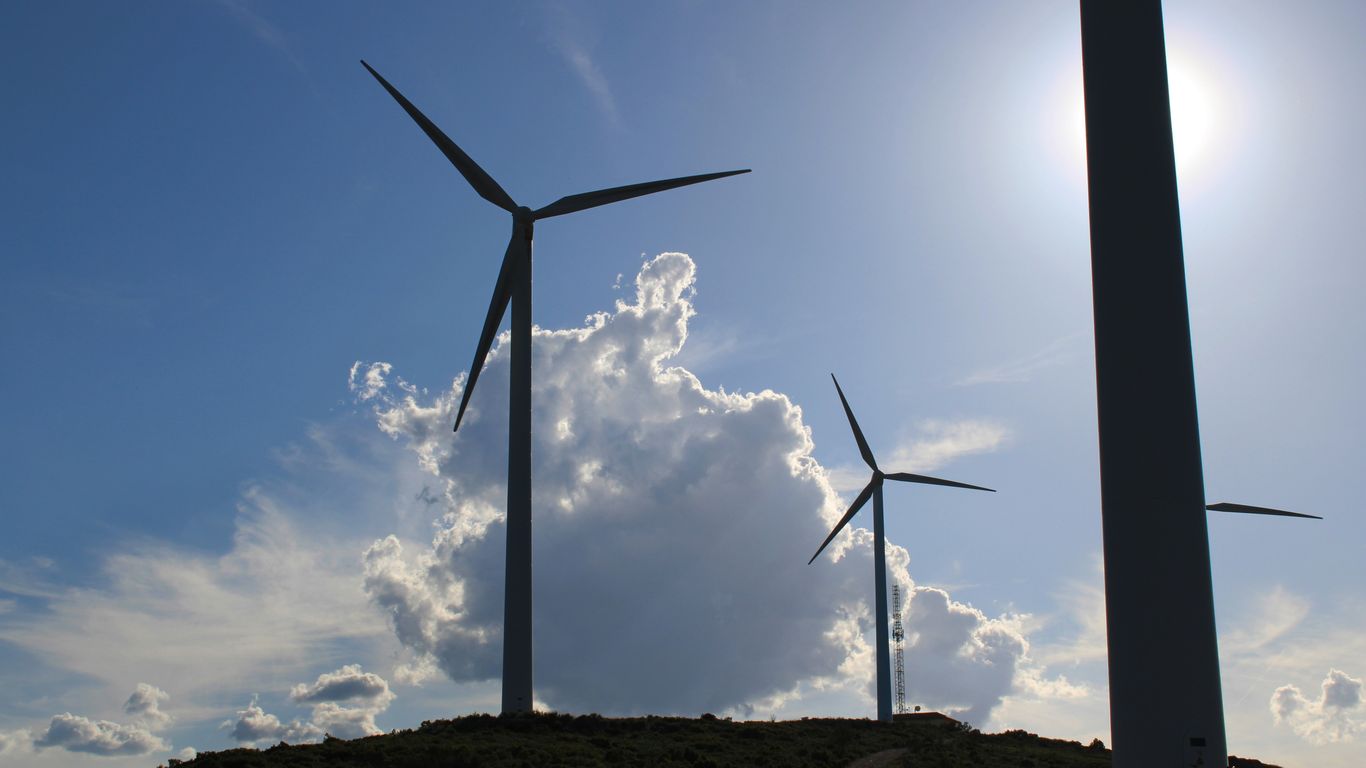
This is a big one. Our electricity grids weren’t really built for the kind of variable power that solar provides. When the sun shines brightly, we get a lot of power, but when it’s cloudy or night, that power disappears. This can cause all sorts of issues for the grid, like voltage swings and instability. Plus, getting new solar projects connected to the grid can be a slow and expensive process. Some places are looking at big battery storage systems, smarter grids that can react faster, and even AI to help balance everything out. It’s a puzzle, for sure, trying to fit all this new solar power into the existing system without causing blackouts or other problems.
The Impact of Geopolitics on Solar Manufacturing
Where do all those solar panels and parts come from? A lot of it is made in just a few places around the world. This can be a problem if there are trade disputes or political tensions between countries. We’re seeing a push to make more solar components closer to home, in different regions, to create more stable supply chains. This way, if one country has issues, we don’t suddenly run out of the equipment needed to build more solar farms. It’s all about making the whole process more secure and less dependent on a single source.
Innovations Showcased at the World Future Energy Summit 2026

This year’s World Future Energy Summit is really pulling out all the stops, showing off some seriously cool new ideas. It feels like they’re trying to get everyone on the same page, from the folks making the big policy decisions to the people actually building the tech.
The FUSE AI Cleantech Pavilion
Okay, so this is a brand new thing for 2026, and it’s all about artificial intelligence in the energy world. They’ve got this whole zone dedicated to it, plus a two-day conference. Think of it as a deep dive into how AI can help make our power grids more stable, especially when we’re trying to use more solar and wind power. It’s also about how AI can help us figure out better ways to deal with climate change. Lots of companies are showing off what they’ve built, and it’s pretty impressive. It seems like a lot of countries in the Middle East are really pushing hard on AI right now, investing a ton of money to get ahead.
The Greenhouse Startup Showcase
This is where the newer, smaller companies get their moment. It’s like a marketplace for fresh ideas in clean energy, water tech, and other climate-related stuff. They’re bringing together over 50 startups, and the whole point is to connect them with people who have money to invest and big companies that might want to partner up. It’s a successor to an older event called CLIX, but it sounds like they’re really trying to make it more hands-on this time around.
Greenpeace Cinema for Environmental Storytelling
This is a new collaboration with Greenpeace, and it sounds pretty interesting. Instead of just talking about problems, they’re using films and visual stories to get the message across about environmental issues. It’s a way to connect with people on a different level, using art to highlight what’s going on. They’re also holding a short conference to talk about practical ways to make things better, focusing on how to make the shift to cleaner energy fair for everyone. The idea is to move beyond just awareness and actually get things done.
Driving Global Collaboration and Partnerships
It’s pretty clear that tackling climate change isn’t a solo mission. The World Future Energy Summit 2026 really hammers this home, showing how important it is for countries and companies to work together. Think of it like a giant potluck – everyone brings something different to the table, and the whole meal ends up being way better. This year, there’s a big focus on making these connections happen, moving beyond just talking about problems to actually solving them.
International Collaboration in Clean Energy
This isn’t just about signing papers; it’s about practical steps. We’re seeing a lot more joint projects where different nations pool their resources and knowledge. For example, countries are teaming up on research for new battery technologies or sharing best practices for managing large-scale solar farms. It’s about recognizing that no single country has all the answers, and working together speeds things up considerably. The sheer scale of the clean energy opportunity means we have to collaborate.
Regional Interconnections for Power Distribution
Imagine a neighborhood where everyone shares their extra power. That’s kind of the idea here, but on a much bigger scale. Building stronger grids that connect different regions, and even different countries, means we can move renewable energy more easily. If one area has too much sun and is generating tons of solar power, that energy can be sent to a neighboring area that might be experiencing lower wind speeds. This makes the whole system more stable and reliable, reducing waste and making sure power gets where it’s needed.
Country Pavilions Highlighting National Initiatives
Walking through the summit, you’ll see these dedicated spaces, or pavilions, where each country gets to show off what they’re doing in the clean energy space. It’s a great way to see the diverse approaches being taken around the world. You might find:
- Technological Showcases: Countries presenting their latest innovations in solar, wind, or hydrogen.
- Policy Spotlights: Highlighting government programs designed to encourage renewable energy adoption.
- Investment Opportunities: Information on national projects seeking international partners and funding.
It’s a fantastic way to get a snapshot of global progress and identify potential areas for partnership and investment.
Key Themes and Conference Tracks for 2026
This year’s World Energy Summit is really zeroing in on the big topics that will shape how we power our world. It’s not just about talking anymore; it’s about figuring out the practical steps and the tech that will get us there.
Artificial Intelligence Conference
AI is everywhere, and the energy sector is no exception. This track is all about how artificial intelligence can help make our power grids more stable, especially when we’re trying to bring in more solar and wind power. We’ll look at how AI can predict energy needs, manage different renewable sources, and even help with things like weather forecasting for agriculture. The focus is on using AI to solve real problems, not just for the sake of using new tech. We’ll also discuss how to use AI responsibly, making sure it helps us reach our climate goals without creating new issues.
Solar and Clean Energy Forum
Solar power is a huge part of the clean energy puzzle, but it comes with its own set of headaches. This forum will tackle how to manage big solar projects, especially when they’re spread out. We’ll also get into the nitty-gritty of connecting all that solar power to the grid without causing problems like voltage dips. Plus, there’s the whole issue of where solar panels are made and how global politics can mess with supply chains. It’s a complex picture, and this forum aims to bring clarity.
eMobility and Sustainable Cities Track
This track looks at how we can make our cities cleaner and more livable. It’s not just about electric cars, though that’s a big part of it. We’ll explore how different transport systems can work together, how cities can be designed to use less energy, and what infrastructure needs to be in place to support all this. Think smart traffic lights, better public transport, and buildings that are energy efficient. It’s about creating urban environments that are good for people and the planet.
Looking Ahead: The Path Forward
So, the World Energy Summit 2026 wrapped up, and it’s clear we’re at a really interesting point. We saw a lot of talk about new tech, especially AI, and how it could help us manage energy better and make things more efficient. There’s a big push for more solar and other clean sources, but we also heard about the real problems, like making sure the power grid can handle it all and how to get new projects connected. It’s not just about having the technology; it’s about figuring out how to actually use it, especially with all the global stuff going on. The summit showed that lots of people are trying to work together, from big companies to startups and governments. The big takeaway? We need smart ideas and real action to keep moving towards a cleaner energy future, and it looks like the conversations started here will keep going.