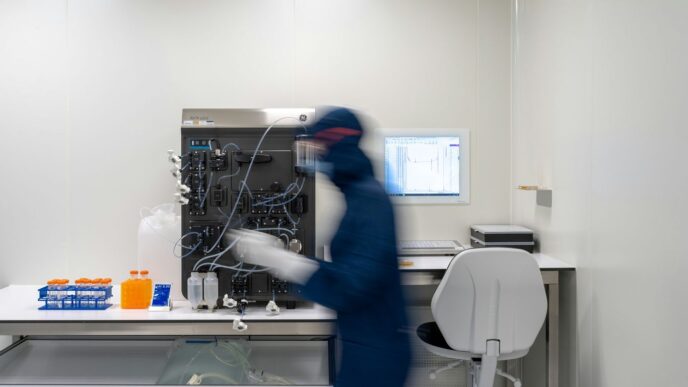
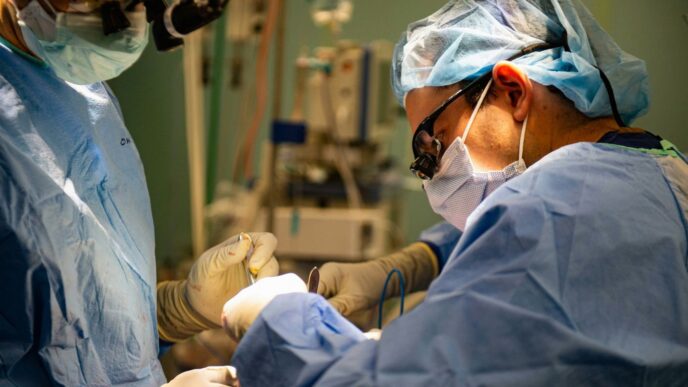
Get ready for the World Health Summit 2026 in Berlin! This big meeting is all about figuring out new ways to tackle health problems around the world and dealing with the tough challenges we’re facing. It’s a place where smart people from different fields come together to share ideas and make plans for a healthier future. We’ll be looking at how we can get better at handling health crises, making sure everyone has access to care, and working together across borders.
Key Takeaways
- The World Health Summit 2026 in Berlin will focus on innovative solutions and addressing major global health issues.
- Building stronger, more resilient health systems is a top priority, especially with ongoing geopolitical and economic challenges.
- New partnerships between public and private sectors, along with smart investments, are needed to fund health initiatives.
- Protecting scientific integrity and academic freedom is vital for making evidence-based decisions.
- The summit will explore how to improve pandemic preparedness and strengthen global health governance.
Innovations Shaping Global Health
This section of the World Health Summit 2026 is all about the new ideas and approaches that are changing how we think about health worldwide. It’s not just about new medicines or gadgets, though those are important. It’s also about smarter ways of working together and using what we know to solve big health problems.
Catalyzing Collaborative Solutions
Getting everyone on the same page is a huge part of making progress. Think about it: doctors, researchers, governments, and even regular people all have a piece of the puzzle. The summit is a place where these different groups can actually talk and figure out how to work together. It’s about moving past just talking and actually creating plans that can be put into action. We saw this in 2025 with discussions on how to combine money from different sources – governments, private companies, and charities – to fund health projects. The goal is to make sure these projects help everyone, not just a select few.
Science-Based Approaches to Health
We’re seeing a real push to make sure that health decisions are based on solid facts and research. This sounds obvious, right? But sometimes, political or economic pressures can make it hard to stick to what the science says. The summit is a chance to talk about how we protect scientific research and make sure that the people making decisions are actually listening to the experts. It’s about keeping research budgets healthy, even when times are tough, and making sure that academic freedom isn’t threatened. We need to trust the science to guide us.
The Role of Academic Networks
Universities and research institutions are the backbone of health innovation. They’re where a lot of the new ideas start. The World Health Summit highlights how important these networks are. They connect researchers from all over the world, allowing them to share findings and work on problems together. This collaboration is key to tackling complex issues like climate change’s impact on health or developing new ways to fight diseases. The summit provides a platform for these academic groups to share their work and build stronger connections, which ultimately benefits global health.
Navigating Global Health Challenges
The world of global health is facing some serious headwinds right now. We’ve seen a lot of upheaval, and frankly, things aren’t exactly simple. It feels like every week there’s a new crisis popping up, whether it’s a health scare, economic trouble, or political disagreements getting in the way. Building systems that can actually handle these shocks is more important than ever. It’s not just about reacting when something bad happens; it’s about creating a foundation that’s strong enough to withstand whatever comes next.
We’re seeing a real push for countries to take more charge of their own health security. This means looking at how we fund health, not just as an expense, but as a smart investment in our future. It’s about making sure that when money is spent on health, it actually benefits everyone and doesn’t just make existing problems worse. This requires us to think differently about how different parts of society work together.
Here are some of the big issues we need to tackle:
- Health System Resilience: How do we make sure hospitals and clinics can keep running when disaster strikes? This involves everything from having enough supplies to training staff for emergencies.
- Geopolitical and Economic Shocks: Global politics and money troubles can really mess with health programs. We need ways to keep health services going even when borders close or economies tank.
- Working Together: Health isn’t just a doctor’s job. We need farmers, teachers, business leaders, and governments all on the same page to make real progress. This means finding new ways for public money, private companies, and charities to team up effectively.
It’s a complex picture, and honestly, it’s a bit messy. But the World Health Summit 2026 is a place where we can try to sort through these problems and figure out practical steps forward. We need to move from just dealing with crises to actually building a healthier, more stable future for everyone.
The World Health Summit 2026 Agenda
The World Health Summit in Berlin, scheduled for October 2026, is shaping up to be a major event. Building on the momentum from previous years, the theme for this year’s summit is "From Crisis to Resilience: Innovating for Health." This focus highlights the urgent need to move beyond simply reacting to health emergencies and instead build systems that can withstand and recover from them. It’s a big topic, and the agenda reflects that complexity.
From Crisis to Resilience: Innovating for Health
This overarching theme isn’t just a catchy phrase; it’s the core idea driving the discussions. We’ll be looking at how to make our health systems tougher, more adaptable, and fairer. Think about it – after dealing with so many unexpected health challenges, we can’t afford to go back to the old ways. The summit aims to bring together different groups – scientists, government folks, business leaders, and community representatives – to brainstorm and actually create solutions. The goal is to find practical, evidence-based ways to strengthen health infrastructure globally.
Setting the Global Health Agenda
What gets talked about at the World Health Summit often influences what happens next in global health policy. This year, a big part of the agenda is about deciding what the priorities should be for the coming years. We’ll see discussions on:
- Pandemic Preparedness: What did we learn from the recent outbreaks, and how can we do better next time? This includes everything from early warning systems to vaccine development and distribution.
- Health System Strengthening: How can countries, especially those with fewer resources, build stronger, more reliable healthcare services?
- Equity and Access: Making sure everyone, no matter where they live or how much money they have, can get the healthcare they need.
- The Role of Science: How do we keep scientific research free and accessible, and how do we make sure policy decisions are based on solid evidence?
Key Milestones and Regional Meetings
Berlin isn’t the only stop on the World Health Summit calendar for 2026. The summit is a year-round process. Before the main event in Germany, there’s a significant Regional Meeting planned for April in Nairobi, Kenya. This meeting will focus on specific challenges and opportunities within Africa and will likely feed directly into the discussions in Berlin. These regional gatherings are important because they allow for more focused conversations and can highlight issues that might get overlooked in a larger, global forum. The outcomes from these meetings, along with other dialogues held throughout the year, will all contribute to the final agenda and the commitments made at the World Health Summit in Berlin.
Strengthening Pandemic Preparedness
Lessons from Past Health Crises
We’ve all seen how quickly a health crisis can spread, right? Think back to the last few years. It felt like everything changed overnight. We learned some tough lessons, that’s for sure. One big takeaway was that our systems weren’t always ready for something so widespread and fast. Communication breakdowns happened, supplies ran short, and figuring out who was in charge sometimes felt like a puzzle with missing pieces. It showed us that just having plans on paper isn’t enough; they need to be practical and adaptable. We also saw how important it is for different countries to work together, sharing information and resources instead of hoarding them. The world needs a more coordinated approach to prevent future outbreaks from becoming global emergencies.
Advancing Pandemic Prevention, Preparedness, and Response
So, what do we do now? The World Health Summit 2026 is a big chance to talk about how to get better at this. It’s not just about reacting when something hits, but actively preventing it and being ready when it does. This means a few things:
- Better Surveillance: We need smarter ways to spot new threats early, maybe using technology more effectively to track unusual health patterns.
- Stronger Health Systems: This includes making sure hospitals have what they need, that healthcare workers are trained and supported, and that basic public health services are solid everywhere, not just in wealthy countries.
- Clearer Communication: When a crisis hits, people need reliable information fast. We need systems in place to get the right messages out and combat misinformation.
- Global Cooperation: Countries need to agree on how they’ll share data, samples, and even vaccine technology. This is tricky, but it’s vital.
Global Commitments to Vaccine Development
Vaccines were a game-changer, but getting them to everyone who needed them was a whole other challenge. At the Summit, we’ll be looking at how to speed up vaccine development and, just as importantly, how to make sure they get distributed fairly. This involves:
- Investing in Research: Supporting organizations that are already working on vaccines for potential future threats, even before we know what they are.
- Manufacturing Capacity: Helping countries build their own ability to produce vaccines and treatments, so we’re not relying on just a few places.
- Fair Access Agreements: Working out deals now that ensure lower-income countries get access to vaccines and treatments quickly and at a reasonable cost when a new disease emerges. This is about making sure everyone is protected, not just a select few.
Rethinking Global Health Governance
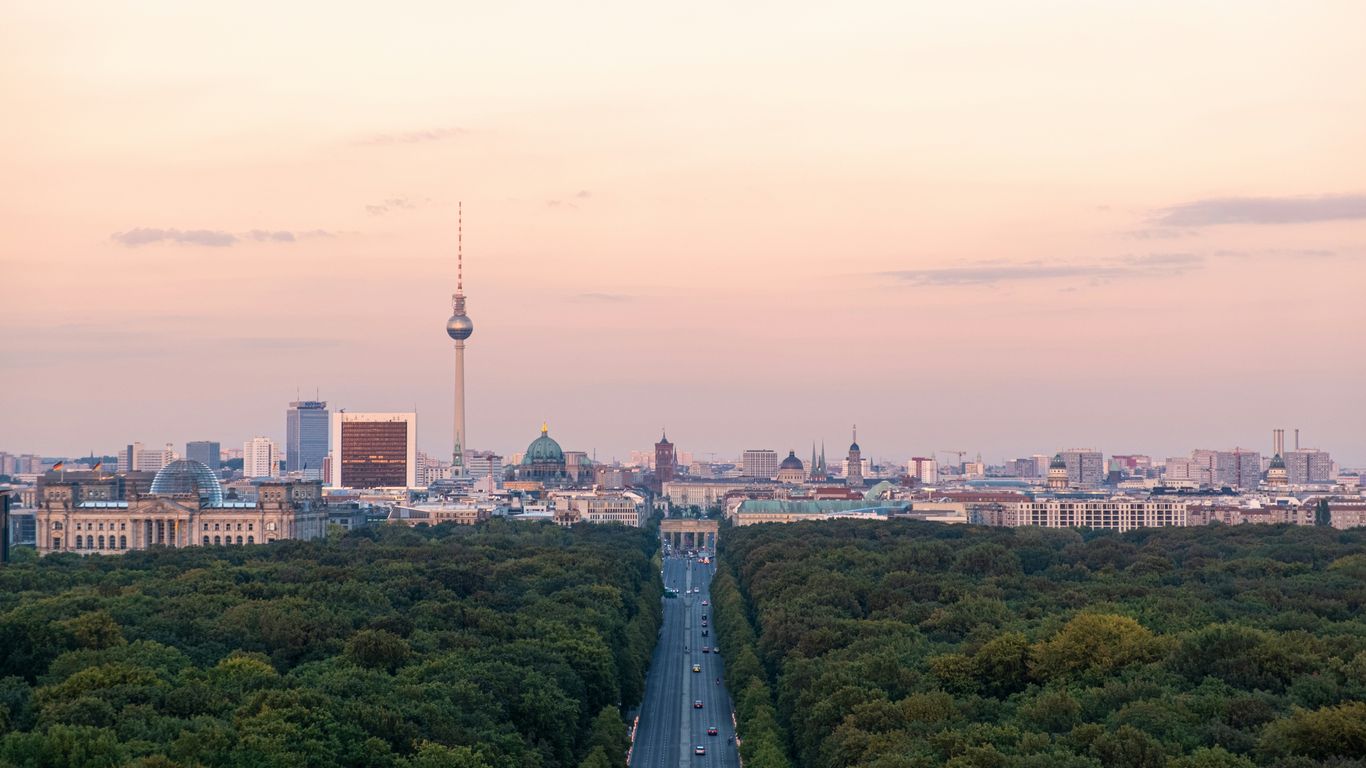
The way we manage global health is definitely up for a shake-up. With big changes happening, like the UN system looking at a major overhaul under the UN80 initiative, it’s clear things can’t stay the same. We’re talking about making the UN more efficient, maybe merging some agencies like WHO and UNAIDS, or even creating a single group for humanitarian aid that could include parts of WHO. It’s a lot to figure out, especially getting all the member countries to agree. This pressure isn’t just at the UN, either. Other big players like the Global Fund and Gavi are also looking at how they operate and get their money because of budget issues and political shifts.
The Future of Multilateral Health Institutions
Multilateral health organizations are facing a tough time. Budgets are tight, and political landscapes are changing. This means these institutions need to find new ways to work and fund their operations. The World Health Summit 2026 will be a place to talk about how these organizations can adapt. We need to figure out if mergers make sense, how to streamline operations, and how to keep them relevant when countries are looking inward.
Shifting Power Dynamics in Global Health
It’s pretty clear that countries in the global south are stepping up and taking more of a lead in health matters. This was really noticeable at past summits. For example, the Africa CDC has put out its own plan for health security, especially since outside aid has dropped quite a bit. They’re pushing for more money raised within Africa, more local production of medical supplies, and more say in decisions that affect them. As traditional donors pull back, other countries have a chance to step in. But then you have policies like the US’s "America First" approach, which involves making deals for health funding in exchange for access to information and pathogens. Kenya was the first to sign one of these deals, and others have followed. So, countries are trying to balance working with everyone while also building up their own capabilities.
Europe’s Role in Health Architecture
Europe has a big part to play in how global health is structured. Discussions at events like the World Health Summit have looked at how European countries can work together better, build stronger partnerships, and help create health systems that are more robust and fair for everyone. It’s about aligning efforts and contributing to a more stable global health picture, especially when things feel uncertain.
Financing and Collaboration for Health
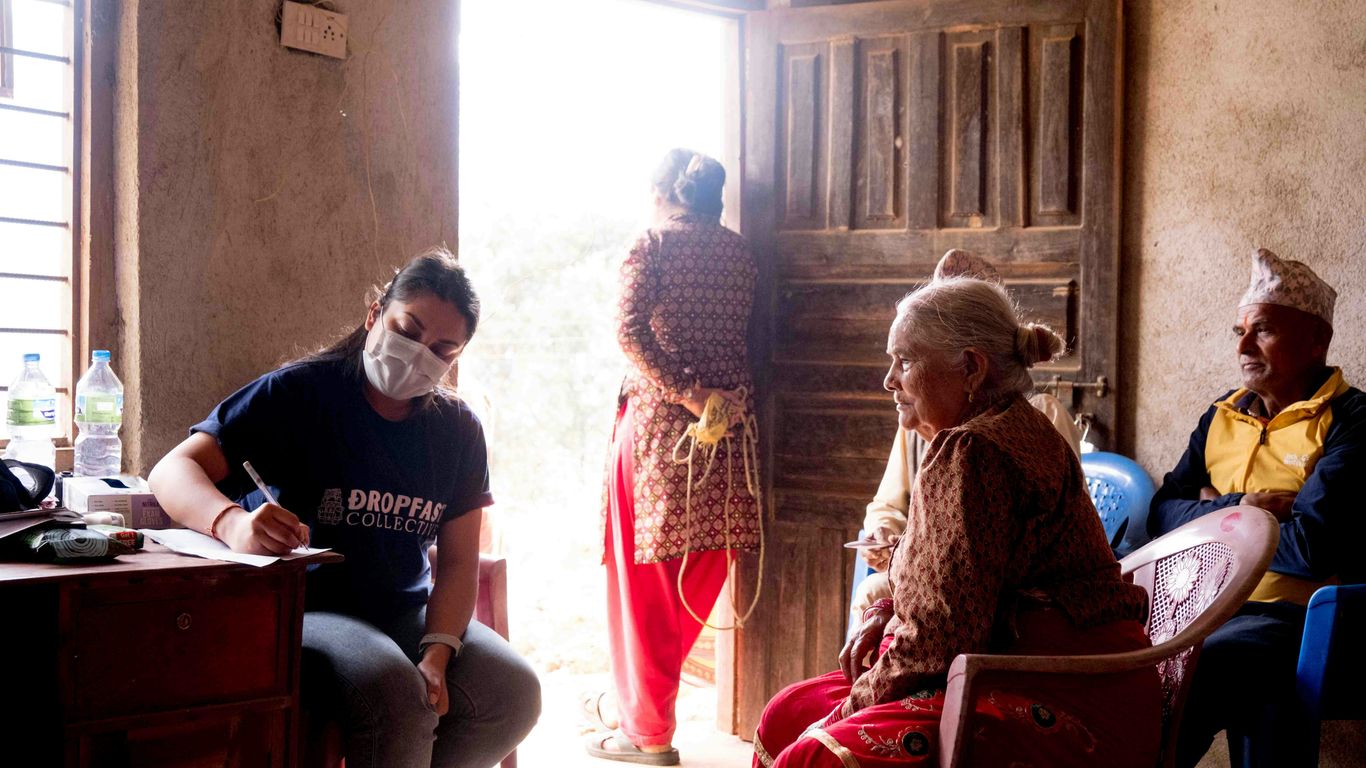
It’s no secret that health budgets are feeling the squeeze globally. In 2026, we’re seeing development aid for health facing pressure, which means countries really need to dig deep and find their own money for health. Think of health not just as something we spend money on, but as a smart investment that makes economies stronger and societies more stable. To close the gaps in funding, we’ll need to get creative about how public money, private cash, and donations can work together. The key is that these new funds should add to what governments are already spending, not just replace it. We also need to make sure these partnerships are fair and don’t leave anyone behind. The World Health Summit is a place where leaders from government, science, business, and community groups come together to figure out these kinds of collaborations. Rethinking how different sectors can work together isn’t just about finding more money; it’s about making sure our health spending actually benefits everyone, economically and socially.
Mobilizing Domestic Resources for Health
With international aid becoming less reliable, countries are increasingly looking inward to fund their health systems. This means governments need to see health spending as a core part of their national strategy, not an optional extra. It’s about building a healthier population, which in turn fuels a stronger economy. This shift requires a change in mindset, viewing health investments as crucial for long-term growth and stability.
New Era of Public-Private Collaboration
Finding new ways to combine money from governments, private companies, and charities is becoming more important. The goal is to create partnerships that boost public funding, not just take its place. These collaborations need clear rules to ensure they benefit everyone equally and don’t make existing problems worse. The World Health Summit aims to bring together diverse groups to build these kinds of effective partnerships.
Strategic Investments in Health Systems
Making smart choices about where to put money into health systems is vital. This includes:
- Strengthening primary healthcare services.
- Investing in health infrastructure, especially in underserved areas.
- Supporting research and development for new treatments and technologies.
- Building a skilled and motivated health workforce.
These strategic investments are key to creating health systems that can withstand shocks and provide quality care for all.
The Integrity of Science and Innovation
Safeguarding Academic Freedom
This year, we’re really looking at how science itself is holding up. It feels like there’s a lot of pressure on researchers and institutions lately. We’ve seen evidence questioned publicly, and some universities are dealing with political interference. Budgets for studying big issues like climate change have been cut, and sometimes experts just get sidelined. The big question for 2026 is how the whole research world will react. Can the people funding research and the institutions themselves actually protect academic freedom? Can they keep investing in long-term projects and make sure we’re still making decisions based on solid facts?
Sustaining Long-Term Investment in Research
It’s tough to keep research going when funding is uncertain. We need to make sure that the money for important studies doesn’t just dry up. Think about it: developing new treatments or understanding complex diseases takes years, sometimes decades. If the funding stops and starts, it’s hard to get anywhere. We need a steady flow of resources so scientists can actually follow through on their work. This isn’t just about keeping labs running; it’s about building a future where we can tackle health problems before they become major crises. We need to see science as a marathon, not a sprint.
Evidence-Based Decision-Making
Ultimately, all this research is supposed to help us make better choices. But that only works if we actually use the evidence we gather. Sometimes, it feels like decisions are made for other reasons, not because the science points that way. The World Health Summit is a place where scientists, policymakers, and others come together. The goal is to make sure that the discussions and the plans we make are grounded in what we know to be true from research. It’s about connecting the dots between what scientists discover and what leaders decide to do. We need to build trust in the scientific process and make sure that good data leads to good outcomes for everyone.
Looking Ahead: What’s Next for Global Health?
So, the World Health Summit 2026 in Berlin wrapped up, and it was a lot to take in. We heard about new ideas and big problems, from making health systems tougher to dealing with funding issues. It’s clear that the work doesn’t stop here. The conversations started in Berlin, and the regional meetings before it, are just the beginning. The next year is going to be busy, with lots of decisions to make that will really shape how health works for everyone, everywhere. It’s going to take all of us – scientists, leaders, and regular folks – working together to make things better.
Frequently Asked Questions
What is the World Health Summit?
The World Health Summit is a big meeting where people from science, government, community groups, and businesses get together. They share ideas and work on solutions for important health problems around the world. It’s like a big brainstorming session for better health for everyone.
Where and when is the World Health Summit 2026 happening?
The main World Health Summit in 2026 will be held in Berlin, Germany. There will also be a regional meeting in Nairobi, Kenya, earlier in the year. The Berlin event is planned for October 2026.
What’s the main theme for the World Health Summit 2026?
The big idea for 2026 is ‘From Crisis to Resilience: Innovating for Health.’ This means focusing on how we can get better at handling health emergencies and building stronger health systems that can bounce back from tough times.
Why is ‘resilience’ important for global health?
Resilience means being able to recover quickly from difficult situations. In global health, it means our health systems, like hospitals and clinics, can keep working even when there are big problems like pandemics, economic troubles, or natural disasters. Building resilience helps protect people’s health.
Who usually attends the World Health Summit?
Lots of different people come to the summit! You’ll find scientists, doctors, government leaders, people from companies that make medicines or health tech, and representatives from groups that help communities. It’s a place for everyone involved in health to connect.
What kind of topics will be discussed at the Summit?
The summit will cover many important topics. These include finding new ways to solve health issues, making health systems stronger, dealing with global problems like economic crises, preparing for future pandemics, and making sure science is used fairly and honestly to make decisions about health.