
So, you’re wondering when the Xbox Series X actually came out? It feels like ages ago, but also just yesterday, right? This article is going to break down the whole story of the Xbox Series X release date, from the early whispers to the big day itself. We’ll look at what happened, what people were expecting, and what it all meant for gamers.
Key Takeaways
- The official Xbox Series X release date was November 10, 2020, hitting stores worldwide.
- Despite the COVID-19 pandemic, Microsoft stuck to their plan for a 2020 launch, though some games faced delays.
- The console was revealed as ‘Xbox Series X’ in late 2019, with its sibling, the Series S, announced later in 2020.
- At launch, the Series X was priced at $499 USD, with various bundles and financing options like Xbox All-Access available.
- The Series X boasted significant hardware upgrades, including faster loading times with SSDs and backward compatibility with older Xbox games.
The Official Xbox Series X Release Date
Confirmed Launch Day
So, when did the Xbox Series X actually hit the shelves? Mark your calendars for November 10, 2020. That’s the day Microsoft officially launched its next-generation console worldwide. It was a big moment for gamers, finally getting their hands on the powerful new hardware after months of anticipation. The console was priced at $499 in the US, £449 in the UK, and €499 in Europe.
Navigating Pandemic Challenges
It wasn’t exactly a smooth road to launch, though. The year 2020 threw a massive curveball with the COVID-19 pandemic. Microsoft had to really work hard to keep things on track. They were constantly monitoring supply chains and making sure their workers stayed safe. While they were pretty confident the hardware would ship on time, there was a real worry that some games planned for the launch window might get delayed. Thankfully, they managed to stick to the November 2020 release, even with all the global disruptions. It showed some serious dedication to getting the console out to players.
Global Release Variations
While November 10, 2020, was the big day for most of the world, there were a few exceptions. For instance, in China, the Xbox Series X and Series S didn’t actually launch until June 10, 2021. This kind of staggered release isn’t super uncommon, but it meant some players had to wait a bit longer to join the next-gen party. It’s interesting to see how different regions get access to new tech at different times, and you can sometimes find information on delivery times that might vary based on location and other factors.
Pre-Launch Speculation and Announcements
Early Rumors and Codename ‘Scarlett’
Before Microsoft even officially said anything concrete, the rumor mill was churning. Back in mid-2018, whispers started about new Xbox hardware in the works. Phil Spencer, the head of Xbox, even confirmed they were "deep into architecturing the next Xbox consoles" around that time. The general idea floating around was a family of consoles, codenamed "Scarlett." It wasn’t just one machine, either; people were talking about a cheaper version, kind of like how the Xbox One had different models. The focus seemed to be on better game streaming and making sure older games still worked.
By early 2019, the rumors got more specific. The "Scarlett" project was thought to include two main consoles: one codenamed "Anaconda" (which we now know is the Series X) and a more budget-friendly one called "Lockhart."
Official Reveal and Branding
Microsoft finally pulled back the curtain on "Project Scarlett" at E3 in 2019. They talked about wanting a smooth switch from the Xbox One, making sure the new console could play all the same games and use most of the old accessories. Then, at The Game Awards later that year, we got our first real look at the hardware and its official name: "Xbox Series X." They also confirmed it would be out sometime in late 2020. Interestingly, a Microsoft rep mentioned that the Series X was considered the fourth generation of Xbox hardware, and they were just going to brand it "Xbox" without any extra words.
Originally, Microsoft planned to spill all the technical details and show off launch games at the Game Developers Conference (GDC) and E3 in 2020. Unfortunately, the whole COVID-19 pandemic threw a wrench in those plans, forcing both events to be canceled. Microsoft had to pivot, scheduling online presentations instead. They did manage to share some specs in March 2020, with help from outlets like Digital Foundry and Austin Evans. To keep the hype going, they kicked off a series called "Xbox 20/20" in May 2020, which was a string of online events leading up to the launch, showcasing games and features.
The Series S Emerges
While the Xbox Series X was the star of the show for a long time, Microsoft surprised everyone by announcing a second, more affordable console: the Xbox Series S. This was a big deal because it meant next-gen gaming wouldn’t just be for those willing to spend top dollar. The Series S was designed to offer that next-gen experience – think faster loading and smoother gameplay – but in a smaller, all-digital package. Microsoft explained that developing two consoles at once allowed them to hit both the high-end performance target with the Series X and make next-gen accessible to more people right from the start with the Series S. It was a smart move to broaden their market.
| Console | Launch Price (USD) |
|---|---|
| Xbox Series X | $499 |
| Xbox Series S | $299 |
Launch Day Details and Pricing
Console Pricing and Availability
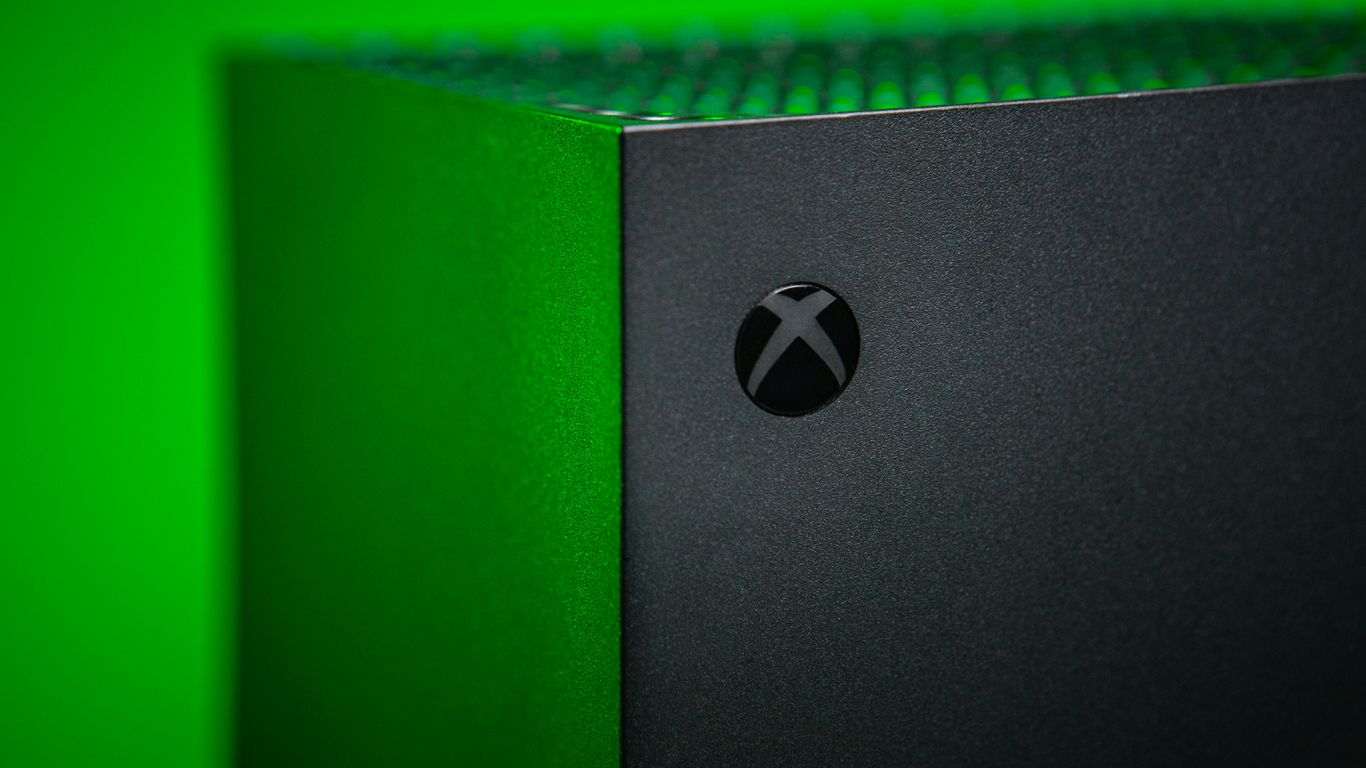
So, when could you actually get your hands on the Xbox Series X and its smaller sibling, the Series S? The big day was November 10, 2020, for most of the world. Microsoft really pushed to get these consoles out despite everything going on that year. The Series X landed with a price tag of $499 in the US, while the Series S came in at a more budget-friendly $299. It wasn’t just the US, either; prices varied a bit in other regions, like £449 for the Series X and £249 for the Series S in the UK, and €499 and €299 respectively in Europe. Pre-orders kicked off a bit earlier, on September 22, 2020, and let me tell you, those sold out fast. People were really eager to jump into the next generation.
Bundled Services and Financing
Microsoft wasn’t just selling you a box; they wanted you to be part of their ecosystem. The Xbox All Access program was a big part of this. It let you get the console, plus Xbox Game Pass Ultimate, all for a monthly fee with no big upfront cost. For the Series X, this was around $35 a month for 24 months, and the Series S was about $25 a month. This was a pretty sweet deal for folks who wanted the new hardware and all the games without dropping a ton of cash all at once. Plus, EA Play was added to Xbox Game Pass Ultimate at no extra charge, which was a nice bonus for gamers.
Launch Day Game Lineup
What good is a new console without games to play? Microsoft announced that there would be 31 games available on launch day. This included titles from their own Xbox Game Studios and a bunch of third-party games. They also made sure that your old Xbox One games would work, which was a big plus. While Halo Infinite was originally planned as a big launch title, it ended up getting delayed, which was a bummer for some. Still, with 31 games ready to go, there was plenty to keep early adopters busy right out of the gate.
Technical Advancements at Launch
When the Xbox Series X finally landed, it brought some serious horsepower to the table. Microsoft really focused on making things faster and smoother than ever before. The whole system was built around a new storage solution called the Xbox Velocity Architecture. This wasn’t just a faster hard drive; it was a whole new way of handling data, combining a custom NVMe SSD with smart software. This meant games loaded way quicker, and developers had more tools to make things look and run better.
Hardware Specifications
The Series X packs a custom AMD Zen 2 CPU with 8 cores running at 3.8 GHz, which is a big jump from the previous generation. On the graphics side, it’s got a custom RDNA 2 GPU with 52 compute units pushing out 12.155 TFLOPS. This hardware is what allows for features like real-time ray tracing, giving games more realistic lighting and reflections. It also supports the latest HDMI 2.1 features, like variable refresh rate (VRR) and auto low latency mode (ALLM), which make gameplay feel more responsive, especially on newer TVs. This was a significant upgrade compared to what the Xbox One could do.
Storage and Performance
At the heart of the Xbox Velocity Architecture is a custom 1TB NVMe SSD. This drive offers raw input/output speeds of 2.4 GB/s, which can jump up to 4.8 GB/s with its built-in compression. This speed boost dramatically cuts down loading times. For example, games like Gears 5 could load up to four times faster without any code changes. The system also uses a new DirectStorage API, giving developers more control over how data is loaded, which helps with things like streaming textures on the fly. This means less waiting and more playing.
Backward Compatibility and Smart Delivery
Microsoft made sure that your old games wouldn’t be left behind. The Xbox Series X supports backward compatibility with thousands of Xbox One, Xbox 360, and original Xbox games. But it goes beyond just playing them. The "Smart Delivery" feature is pretty neat; it means you only have to buy a game once, and the console will automatically give you the best version of that game for your specific console. So, if you own a game on Xbox One and upgrade to Series X, you’ll get the enhanced Series X version without paying extra. This applies to both digital and disc-based games, making the transition to the new console much smoother for players.
Initial Sales Performance
Record-Breaking Launch
When the Xbox Series X and Series S hit shelves, Microsoft announced it was the biggest Xbox launch ever. More consoles were sold in the first 24 hours, and in more countries, than any previous Xbox. This record was previously held by the Xbox One, which also had a strong start, selling over a million units right out of the gate. It seems like people were really eager to get their hands on the new generation of gaming.
Early Sales Estimates
While Microsoft hasn’t shared exact sales figures since 2014, industry analysts have been tracking the numbers. By the end of 2020, just a few weeks after launch, estimates put worldwide sales for the Xbox Series X/S combined at around 3.5 million units. This number kept climbing, reaching an estimated 6.5 million by mid-2021. Interestingly, these early figures showed the new consoles outpacing the Xbox One and even the Xbox 360 during the same periods in their lifecycles. By the end of 2022, it’s thought that around 18.5 million consoles had been sold globally. As of June 2024, the combined worldwide sales are estimated to be around 28.3 million units.
Comparison to Previous Generations
It’s always interesting to see how new hardware stacks up against what came before. The Series X/S launch was definitely a step up from the Xbox One. For instance, in the UK, over 155,000 units were sold on launch day alone, with the Series X making up two-thirds of those sales. By the end of 2022, the Series X/S had sold 1.8 million units in the UK, a significant jump from the Xbox One’s lifetime sales in the region. In Japan, the Series X/S crossed 116,000 units sold by November 2021, already beating the entire Japanese sales run of the Xbox One in less than a year. However, when you look at the bigger picture and compare it to the competition, the PlayStation 5 has generally sold more units. For example, by July 2023, the PS5 had sold 40 million units, while the Xbox Series X/S had sold over 21 million units by June 2023. Microsoft themselves have acknowledged trailing in the ‘console wars’, with Xbox having a market share of around 16% in 2021. Despite this, the Series S has been particularly good at attracting new players to the Xbox ecosystem, which is a win in itself. The Series X/S has sold an estimated 27 to 29 million consoles worldwide as of November 2024 [9c17].
So, When Did It Actually Arrive?
Alright, so we’ve talked about the lead-up and all the buzz. But to wrap things up, the Xbox Series X, along with its sibling the Series S, officially hit the shelves on November 10, 2020. That date was pretty firm by August of that year, even with everything going on in the world. It was a big moment for gamers, marking the start of a new console generation. Microsoft really pushed the idea of a powerful, fast machine, and it seems like people were ready for it, with launch sales breaking records for the Xbox brand. It wasn’t just about the hardware, though; it was also about the games and the services like Game Pass that came along for the ride.
Frequently Asked Questions
When did the Xbox Series X officially come out?
Gamers were able to get their hands on the Xbox Series X starting on November 10, 2020. This date was confirmed by Microsoft, even though there were some challenges with making things during the global pandemic.
Were there rumors about the release date before it was announced?
Yes, there were many rumors floating around! Before Microsoft officially announced the date, some product pages accidentally showed a release date around Thanksgiving 2020. People were also talking about codenames like ‘Scarlett’ for the new console for a long time.
What was the price of the Xbox Series X when it launched?
The Xbox Series X launched with a price tag of $499 in the United States. Other countries had different prices, like £449 in the UK and €499 in Europe.
Did the Xbox Series X have special launch deals?
Microsoft offered the Xbox All-Access plan, which let people pay for the console and services like Xbox Game Pass Ultimate with monthly payments. This made it easier for some people to get the new console without paying the full price all at once.
What kind of games could you play on the Xbox Series X right when it launched?
At launch, there were about 31 games available, including new titles and games that worked from the older Xbox One. Some big games like Halo Infinite were planned but got delayed because of the pandemic.
What made the Xbox Series X special technically when it came out?
The Xbox Series X was a big upgrade! It had a much faster processor and used solid-state drives (SSDs) to make games load super quickly. It also supported cool features like ray tracing for better graphics and could play most games from older Xbox consoles.