So, you’re looking to get your social media game on point for 2026? It’s not as complicated as it sounds. Think of this as your go-to guide, a sort of social media strategy pdf, to help you figure out what works and what doesn’t. We’ll break down how to set clear goals, really get to know who you’re talking to, and make sure your message stands out. It’s all about making smart moves online without getting lost in the noise. Let’s get started on building a plan that actually gets results.
Key Takeaways
- Figure out what you actually want to achieve with social media before you start posting anything. What are your goals?
- Know who you’re trying to reach. Understand what they like, where they hang out online, and what problems they need solved.
- Make a plan for what you’re going to post. A content calendar helps you stay organized and consistent.
- Keep an eye on your results. What’s working? What’s not? Use this info to tweak your approach.
- Social media changes fast. Be ready to try new things and adapt to what people are responding to.
Understanding Your Social Media Strategy Foundation
Alright, let’s get down to business with the absolute basics of your social media game plan for 2026. Before you even think about posting a single picture or writing a witty caption, you need to nail down what you’re actually trying to achieve. This isn’t just about being online; it’s about being online with a purpose.
Defining Your Social Media Marketing Objectives
So, what’s the point of all this social media effort? Are you trying to get more people to know your brand exists? Maybe you want to drive traffic to your website, or perhaps you’re focused on turning followers into actual customers. It’s super important to be clear about this. Think about it like this:
- Brand Awareness: Do people know who you are and what you do?
- Lead Generation: Are you getting potential customers interested?
- Sales: Are people actually buying your stuff because of social media?
- Customer Loyalty: Are you building a community that sticks around?
Having clear objectives helps you measure if you’re actually succeeding. Without them, you’re just kind of guessing, and that’s not really a strategy, is it?
Identifying Your Target Audience and Their Behavior
Who are you even talking to? You can’t just shout into the void and expect the right people to listen. You need to know who your ideal customer is. What are their interests? What platforms do they hang out on? What kind of content do they actually stop scrolling for? Understanding your audience is key to making content that connects. For instance, if you’re selling vintage comic books, your audience is probably different from someone selling high-tech gadgets. Knowing this helps you pick the right tone and the right places to post. It’s all about meeting them where they are. You can find out a lot about your audience by looking at data from your current social media efforts, or by doing some research on social media platforms.
Crafting Your Unique Value Proposition for Social Media
What makes you, you? On social media, everyone’s vying for attention. You need to figure out what makes your brand stand out from the crowd. Why should someone follow you instead of the countless others out there? This is your unique value proposition. It’s the special something you offer that nobody else does quite the same way. Maybe it’s your quirky sense of humor, your commitment to sustainability, or your incredibly detailed product reviews. Whatever it is, make sure it shines through in your social media presence. It’s what gives people a reason to engage and remember you.
Developing Your Comprehensive Social Media Strategy PDF
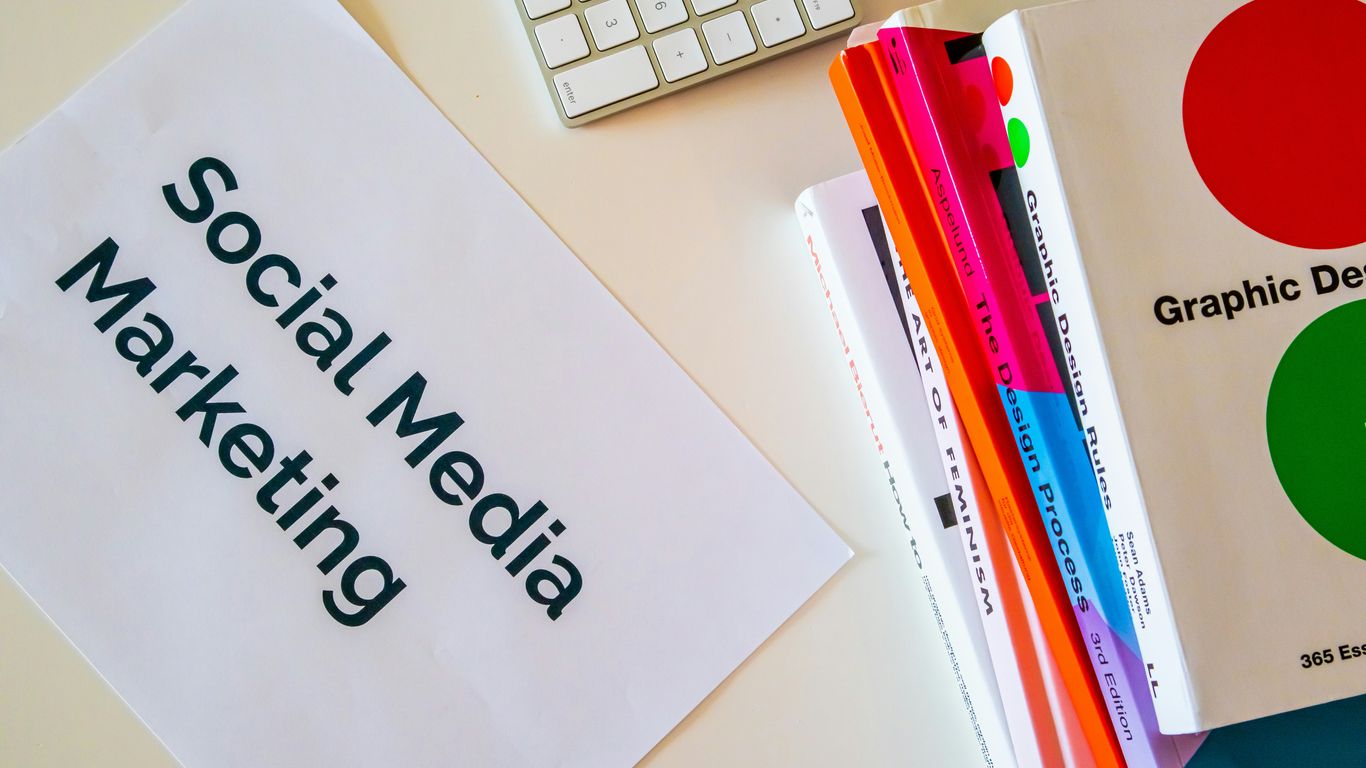
So, you’ve got your objectives and you know who you’re talking to. Now, let’s build the actual plan. Think of this as the blueprint for your social media efforts. It’s not just about posting pretty pictures; it’s about having a clear direction. A solid strategy guides every piece of content you create and every interaction you have online. Without one, you’re basically just shouting into the void, hoping something sticks.
The Core Components of a Social Media Strategy
What actually goes into this strategy document? It’s more than just a list of platforms. You need to think about:
- Your Voice: How will your brand sound? Will you be funny, serious, informative, or a mix? Consistency here is key.
- Content Pillars: What main topics will you cover? These should align with what your audience cares about and what your business offers.
- Platform Focus: Where will you spend your time? You don’t need to be everywhere. Pick the platforms where your audience actually hangs out.
- Engagement Plan: How will you talk to people? It’s called social media for a reason. You need to respond to comments, messages, and mentions.
- Measurement: How will you know if it’s working? We’ll get into the nitty-gritty of metrics later, but you need to decide what success looks like from the start.
Aligning Social Media Efforts with Business Goals
This is where a lot of people stumble. They treat social media as this separate thing, disconnected from the rest of the business. But that’s a mistake. Your social media activity should directly support what the company is trying to achieve. Are you trying to sell more products? Get more people to sign up for a newsletter? Build a community around your brand? Whatever it is, your social posts and campaigns need to point towards that goal. It’s about making sure your social media work actually contributes to the bottom line, not just racking up likes. This is why identifying your desired impact and target audience before posting is so important [fccc].
Creating a Social Media Mission Statement
Think of this as your social media’s
Content Planning and Execution for Your Strategy
Okay, so you’ve got your goals and you know who you’re talking to. Now comes the fun part: actually making stuff people want to see. This is where your social media strategy really comes to life. Without a solid plan for what you’re going to post and when, things can get messy fast. You don’t want to be scrambling for ideas at the last minute, right? That’s why having a good content calendar and a clear idea of what makes good content is so important.
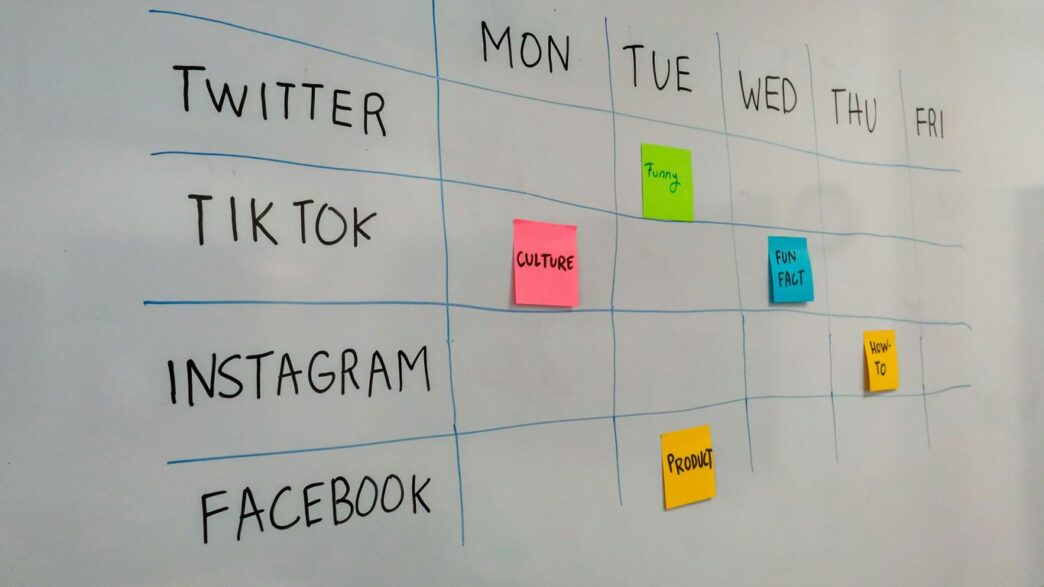
Building an Effective Social Media Content Calendar
Think of your content calendar as your roadmap. It tells you where you’re going and how you’re going to get there, content-wise. It helps you stay organized and make sure you’re hitting all the right notes. It’s not just about filling slots; it’s about planning out a narrative that makes sense for your audience and your brand.
Here’s a simple way to get started:
- Map out key dates: Think holidays, product launches, industry events, or even just seasonal themes. Put these on your calendar first.
- Assign content themes: What topics will you cover each week or month? This could be educational posts, behind-the-scenes looks, customer spotlights, or promotional content.
- Plan specific posts: For each theme, jot down ideas for individual posts. What will the caption be? What kind of visual will you use? Will it be a video, an image, or a link?
- Schedule it out: Use a spreadsheet, a dedicated tool, or even a physical planner to lay out your posts day by day. This structured approach prevents last-minute panic and ensures a steady stream of relevant content.
Determining Optimal Posting Frequency and Channels
This is where you figure out how often and where you should be posting. It’s not a one-size-fits-all situation. What works for one brand might not work for another. You need to consider where your audience hangs out and what they expect from you on each platform.
- Platform research: Different platforms have different user behaviors. LinkedIn might be for more in-depth articles and professional updates, while TikTok is for quick, engaging videos. Instagram can be a mix, but visuals are key.
- Audience habits: When are your followers most active? Tools like Meta Business Suite or platform analytics can show you this. Posting when your audience is online means more eyes on your content.
- Content type: Longer, more detailed content might not need to be posted as often as quick, timely updates or short videos.
It’s often better to post high-quality content less often than to flood feeds with mediocre stuff. Start with a frequency that feels manageable and adjust based on what your analytics tell you.
Curating a Diverse and Engaging Content Mix
Variety is the spice of life, and it’s also the spice of a good social media feed. If you only post one type of thing, people get bored. You want to mix it up to keep things interesting and cater to different preferences.
Consider these types of content:
- Original Content: This is stuff you create yourself – blog posts, original graphics, videos you film, photos you take. It’s your unique voice and perspective.
- Curated Content: This involves sharing content from other sources that your audience would find interesting. Think industry news, helpful articles from other experts, or inspiring posts from complementary brands. Always give credit where it’s due!
- User-Generated Content (UGC): This is gold! It’s content created by your actual customers or followers. Think reviews, photos of them using your product, or testimonials. It builds trust and shows real people love what you do.
- Interactive Content: Quizzes, polls, Q&A sessions, or contests can get people involved and talking. It’s a great way to boost engagement.
By blending these different types of content, you create a dynamic feed that keeps people coming back for more. It shows you’re not just broadcasting; you’re building a community.
Leveraging Data for Social Media Strategy Success
Okay, so you’ve got your strategy down on paper, but how do you know if it’s actually working? That’s where data comes in. It’s like having a secret decoder ring for your social media efforts. Without looking at the numbers, you’re basically just guessing, and honestly, who has time for that?
Conducting a Thorough Social Media Audit
Think of a social media audit as a check-up for your online presence. You’re looking at what’s working, what’s not, and where you might be falling behind. It’s not just about counting followers; it’s about understanding the whole picture. You want to see if you’re actually reaching the right people and if they’re paying attention.
Here’s a quick rundown of what to check:
- Growth: How many new followers or subscribers did you gain? Are you seeing similar trends across different platforms?
- Engagement: This is the juicy stuff – likes, shares, comments. Are people interacting with your posts?
- Reach: How many unique people actually saw your content?
- Views: If you’re posting videos, how many times are they being watched?
- Demographics: Who are these people? Where are they from? What are their interests?
Key Metrics to Track for Strategy Evaluation
Not all numbers are created equal. You need to focus on the metrics that actually tell you something about your goals. If you want more people to visit your website, you’ll look at click-through rates. If you’re trying to build a community, you’ll focus on comments and shares.
Here are some common goals and what to measure:
| Goal | Metrics to Watch |
|---|---|
| Brand Awareness | Impressions, Reach, Likes, Shares |
| Engagement | Comments, Shares, Saves, Engagement Rate |
| Website Traffic | Click-Through Rate (CTR), Website Visits from Social |
| Lead Generation | Form Submissions, Sign-ups, Inquiries |
| Customer Loyalty | Reviews, Testimonials, Repeat Engagement |
Paying attention to these numbers helps you see what’s actually moving the needle.
Analyzing Platform Performance and Audience Demographics
Every social media platform is a bit different, and so is the audience on each. What works on TikTok might totally flop on LinkedIn. You need to dig into the specifics of each channel you’re using.
- Platform Specifics: Look at which posts perform best on each platform. Are videos killing it on Instagram but falling flat on Twitter/X? Are your Facebook groups bringing in more discussion than your LinkedIn page?
- Audience Insights: Dive into the analytics provided by each platform. Understand the age, location, and interests of the people who follow you there. This helps you tailor your content better.
- Content Format: See if certain types of content – like polls, Q&As, or behind-the-scenes looks – get more attention on one platform versus another. This kind of detailed look helps you stop wasting time on things that aren’t working and double down on what is.
Adapting Your Social Media Strategy to Evolving Trends
Social media isn’t a ‘set it and forget it’ kind of thing, you know? It changes so fast, it feels like every other week there’s a new feature or a whole new platform popping up. If you’re not paying attention, your strategy can go from fresh to stale faster than you can say ‘viral video’. Staying current is key to keeping your audience engaged and your brand relevant.
Staying Current with Social Media Platform Changes
Platforms are always tweaking things. Instagram might push Reels harder, or Twitter (now X, I guess?) could change its algorithm again. It’s important to keep an eye on these shifts. Don’t just stick to what you’ve always done if it’s not working anymore. Check out the official blogs for platforms you use, or follow industry news sites. It’s like keeping up with the weather – you need to know what’s coming so you can dress appropriately.
Experimenting with New Content Formats and Features
This is where the fun (and sometimes the fear) comes in. When a platform rolls out something new, like a new sticker on Stories or a different video editing tool, give it a whirl. You don’t have to go all-in immediately, but a little experimentation goes a long way. Maybe your audience will love short-form videos on a platform you never thought they’d use them on. Or perhaps a new poll feature will get more interaction than you expected.
Here’s a quick look at what’s been popular:
- Short-form video: Think TikToks, Reels, Shorts. They’re quick, engaging, and easy to consume.
- Interactive Stories: Polls, Q&As, quizzes – anything that gets people clicking and responding.
- Live Streaming: Still a great way to connect in real-time, answer questions, and show a more human side.
The Rise of Authentic Storytelling and Slower Social Media
People are getting a bit tired of overly polished, perfect-looking content. They want to see the real stuff. This means showing behind-the-scenes glimpses, admitting when things don’t go perfectly, and just being more human. It’s about building genuine connections, not just chasing likes. This also ties into the idea of ‘slower social media’ – focusing on quality over quantity, and really engaging with your community rather than just broadcasting messages. It’s less about shouting into the void and more about having actual conversations.
Tools and Tactics for Social Media Strategy Management
Okay, so you’ve got your strategy down, your content calendar is looking good, and you’re ready to roll. But how do you actually keep all this organized and running smoothly, especially if you’re juggling multiple platforms or clients? That’s where the right tools and smart tactics come in. Think of it like having a well-organized toolbox for your social media efforts.
Essential Social Media Management Software
Trying to manage everything manually is a recipe for burnout. You need software that can handle the heavy lifting. These platforms are designed to streamline your workflow, from scheduling posts way in advance to keeping an eye on what people are saying about your brand. They can save you a ton of time, which, let’s be honest, is probably your most valuable resource.
Some popular options can help you:
- Schedule posts: Set it and forget it for days or even weeks ahead. This is a lifesaver for consistency.
- Monitor mentions and engagement: See who’s talking about you and what they’re saying, all in one place.
- Analyze performance: Get a clear picture of what’s working and what’s not, so you can adjust your strategy.
- Collaborate with your team: If you’re not a solo operation, these tools make it easy for everyone to be on the same page, approve content, and share feedback.
The goal here is to automate the repetitive tasks so you can focus on the creative and strategic parts of your job.
Integrating Content Creation Tools
Creating great content is one thing, but making it happen efficiently is another. Many social media management tools now play nicely with other popular creative platforms. This means you can often design graphics, edit videos, or find the perfect stock photo without ever leaving your main dashboard.
For example, you might find integrations with:
- Canva: For easy graphic design.
- GIPHY: To quickly add animated GIFs.
- Unsplash or Pexels: For high-quality, free stock photos.
This kind of integration cuts down on switching between apps, saving you clicks and time. It makes the whole process from idea to published post much smoother.
Building Communities and Encouraging User-Generated Content
Social media isn’t just about broadcasting your message; it’s about building relationships. Tools can help you manage conversations, respond to comments and messages promptly, and identify opportunities to engage with your audience. Beyond just responding, actively encourage your followers to share their own experiences with your brand. User-generated content (UGC) is gold – it’s authentic, trustworthy, and often more engaging than anything you create yourself. Think about running contests, creating branded hashtags, or simply asking questions that prompt people to share their stories. Making your audience feel heard and valued is key to a thriving online community.
Wrapping It All Up
So, that’s the rundown for building your social media game plan in 2026. It’s not about chasing every shiny new thing, but really understanding who you’re talking to and what they care about. Remember to keep things human, experiment with what works, and don’t be afraid to adjust as you go. The social media world changes fast, but a solid strategy, built on real connections and clear goals, will keep you on the right track. Now go out there and make some noise!
Frequently Asked Questions
What exactly is a social media strategy?
Think of a social media strategy as your roadmap for using social media to help your business. It’s a plan that tells you who you want to reach, what you want to say, and how you’ll do it on platforms like Instagram, Facebook, or TikTok. It’s more than just posting; it’s about having a clear purpose behind every post to achieve your business goals.
Why is it important to know my target audience?
Knowing your audience is super important because you want to talk to people who are actually interested in what you offer. If you know who they are, what they like, and where they hang out online, you can create content that really connects with them and makes them want to learn more about your business.
How do I figure out what to post?
You can create a content calendar to plan your posts. This helps you decide what to share, when to share it, and on which platforms. Mix it up with different types of content like fun videos, helpful tips, behind-the-scenes peeks, and posts from your customers to keep things interesting.
What are some key things to measure to see if my strategy is working?
You should look at things like how many people see your posts (reach), how many people like, comment, or share them (engagement), and if your follower count is growing. These numbers help you understand what’s working well and what needs a tweak.
Social media changes so fast, how can I keep up?
It’s true, things change quickly! The best way to keep up is to stay curious, follow industry news, and don’t be afraid to try new features or platforms. See what works for your audience by experimenting with different content styles and formats.
What tools can help me manage my social media?
There are many helpful tools out there! Some can help you schedule posts in advance, others help you create eye-catching graphics, and some even help you see how your posts are performing. Using these tools can save you time and make your social media efforts much smoother.