Understanding The Robotics Engineering Landscape
Defining Robotics Engineering
So, what exactly is robotics engineering? At its core, it’s about designing, building, and operating robots. But it’s way more than just putting together metal parts and wires. It’s the art and science of creating machines that can sense, think, and act in the physical world. Think of it as bridging the gap between the digital instructions we give and the physical tasks a machine performs. This field pulls from a few different areas to make these intelligent machines a reality.
The Interdisciplinary Nature of Robotics
Robotics isn’t a one-trick pony. It’s a field that really needs people from different backgrounds to work together. You’ve got mechanical engineers figuring out how the robot moves and what it’s made of. Then there are electrical engineers who handle the power, sensors, and all the wiring. And you can’t forget computer scientists and software engineers who write the code that tells the robot what to do, how to see, and how to make decisions. It’s this mix of skills that makes robotics so interesting and challenging.
Key Components of Robotic Systems
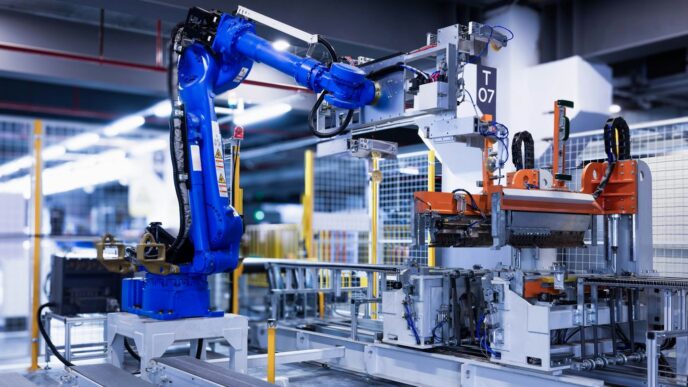
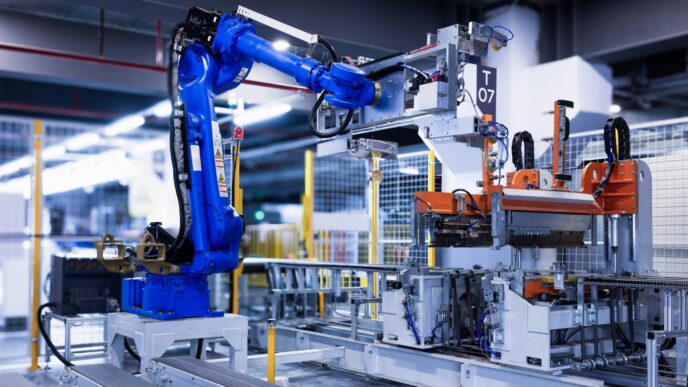
Every robot, no matter how simple or complex, is usually made up of a few main parts. You have the actuators, which are like the muscles of the robot, making it move. Then there are the sensors, which are the robot’s senses – they let it detect things like light, sound, distance, or even temperature. The control system is the brain; it takes information from the sensors and decides what the actuators should do. Finally, there’s the power source, which keeps everything running. Sometimes, you’ll also find a manipulator, like an arm or a gripper, that the robot uses to interact with its environment.
Charting Your Path To Becoming A Robotics Engineer
So, you’re thinking about a career in robotics? That’s awesome. It’s a field that’s really taking off, and getting started might seem a bit daunting, but it’s totally doable. Think of it like building something cool – you need the right tools and a plan.
Essential Educational Foundations
First things first, you’ll need a solid base in some core subjects. Most robotics engineers have a degree in fields like mechanical engineering, electrical engineering, computer science, or a related area. Some programs even offer specialized robotics degrees, which can be a great shortcut. It’s not just about getting a piece of paper, though; it’s about learning the actual stuff. You’ll be digging into math, physics, programming languages like Python or C++, and understanding how circuits work. Don’t worry if you’re not a whiz kid in all of them right away; that’s what school is for.
Gaining Crucial Hands-On Experience
Reading books and attending lectures is one thing, but actually building and testing robots is where the real learning happens. You’ve got to get your hands dirty. Try joining a robotics club at your school, or even better, look for internships. Companies are always on the lookout for enthusiastic students who can help out and learn on the job. If internships aren’t an option, start personal projects. Build a small robot arm, program a drone, or contribute to open-source robotics projects online. Documenting everything you do, from the design process to the final build, is super important. It shows you can think through problems and see them through to the end.
The Role of Certifications and Continuous Learning
Once you’ve got your degree and some experience, think about certifications. While not always mandatory, they can really make your resume stand out, especially in specialized areas like industrial automation or specific robot programming languages. The world of robotics changes fast, though. New technologies pop up all the time. So, you can’t just stop learning after you get your first job. You’ll need to keep up with new sensors, software updates, and different ways of doing things. Attending workshops, online courses, and even just reading industry blogs regularly will keep you sharp and relevant in this fast-moving field.
Developing A Robust Skill Set For Robotics Careers
So, you want to build robots? That’s awesome. But it’s not just about having cool ideas; you’ve got to have the right skills to actually make them work. Think of it like building a really complicated Lego set, but instead of plastic bricks, you’re using code, circuits, and metal.
Mastering Technical Proficiencies
This is where the nuts and bolts of robotics come in. You’ll need to get comfortable with programming languages. Python is super popular because it’s readable and has tons of libraries for robotics. C++ is also a big one, especially when you need speed and direct control over hardware. Don’t forget about learning how to work with specific robotics software, like ROS (Robot Operating System). It’s like the operating system for robots, and knowing it opens a lot of doors.
Here are some technical areas to focus on:
- Programming Languages: Python, C++, maybe even Java or MATLAB.
- Control Systems: Understanding how to make robots move precisely and react to their environment.
- Sensors and Actuators: Knowing how robots ‘see’ and ‘feel’ (sensors) and how they move (actuators).
- Electronics: Basic circuit design and understanding electronic components.
- Software Development Tools: Things like Git for version control, Docker for packaging software, and CI/CD pipelines for automating builds and tests.
Cultivating Essential Soft Skills
Okay, so you can code like a wizard and wire up a circuit blindfolded. That’s great. But can you explain what you’re doing to someone who isn’t a robot expert? Can you work with a team when things get tough? These ‘soft’ skills are just as important, maybe even more so.
- Communication: Being able to explain complex technical stuff simply is a superpower. You’ll be talking to other engineers, managers, and sometimes even clients.
- Problem-Solving: Robots rarely work perfectly the first time. You need to be able to figure out what’s wrong, whether it’s a bug in the code or a mechanical issue, and fix it.
- Teamwork: Robotics projects are usually too big for one person. You’ll be working with mechanical engineers, electrical engineers, and software developers, so getting along and collaborating is key.
- Adaptability: Technology changes fast. What’s cutting-edge today might be old news tomorrow. You need to be willing to learn new things constantly.
The Importance of Systems Thinking and Debugging
Robots are complex systems. They’re not just one thing; they’re a bunch of different parts working together. Systems thinking means you can see the big picture and understand how each piece affects the others. If you change the speed of a motor, how does that affect the robot’s balance or the accuracy of its movements? Debugging is the flip side of this. When something goes wrong, you need a methodical way to find the problem. It’s not just randomly changing things until it works. It’s about forming a hypothesis, testing it, and narrowing down the possibilities until you find the root cause. This systematic approach saves a ton of time and frustration, especially when you’re dealing with intricate hardware and software interactions.
Exploring Diverse Robotics Engineering Career Trajectories
So, you’re thinking about a career in robotics? That’s awesome! It’s a field that’s really taking off, and there are tons of different ways you can go with it. It’s not just about building robots that look like they’re from a sci-fi movie, though that’s part of the fun. The reality is, robotics engineers are needed in so many places, doing all sorts of jobs.
Core Robotics Engineering Roles
At the heart of it all, you have the core robotics engineer. These folks are the ones who design, build, and keep robots running. They’re like the conductors of an orchestra, making sure all the different parts – the hardware, the software, the sensors – work together perfectly. It’s a hands-on job, often involving a lot of problem-solving when things don’t quite work as planned.
Then there are automation engineers. Think about factories or warehouses; these engineers are the ones making them run smoother and faster using robots and smart systems. They look at how things are done and figure out how to use technology to make it more efficient. It’s all about boosting productivity and making processes smarter.
Control systems engineers are another key group. They’re the wizards behind the algorithms that tell robots exactly what to do, how to move, and how to react to their surroundings. This is super important for robots that need to do delicate tasks or operate in unpredictable environments. They’re constantly tweaking and refining how the robot ‘thinks’ and moves.
Specialized Automation and AI Positions
Beyond the core roles, things get even more interesting. AI and Machine Learning Engineers are becoming super important in robotics. They’re the ones teaching robots how to learn from data, make their own decisions, and get better over time without being explicitly programmed for every single situation. This is what makes robots truly ‘smart’.
Research and Development (R&D) Engineers are out there pushing the boundaries. They’re not just building what works now; they’re dreaming up what robots could do next. This involves a lot of experimentation, prototyping, and exploring new technologies. If you love being on the cutting edge and aren’t afraid to try new things, this could be for you.
Research, Development, and Product Focus
Product Development Engineers are focused on bringing new robotic products to life. They take ideas from the R&D stage and turn them into actual things people can use. This means thinking about design, user needs, manufacturing, and making sure the product is reliable and meets quality standards. It’s a journey from concept to customer.
Finally, there are roles like Field Service Engineers, who go out to customer sites to install, maintain, and fix robots. They’re the troubleshooters who make sure everything keeps running smoothly in the real world. And Technical Sales Engineers? They bridge the gap between the technical side of robotics and the customer, explaining complex systems and helping clients find the right solutions.
It’s a diverse field, and the cool part is that you can often move between these different areas as you gain experience and discover what you enjoy most. The key is to keep learning and stay curious!
Navigating The Job Market As A Robotics Engineer
So, you’ve got the skills, you’ve got the education, and you’re ready to jump into the exciting world of robotics. That’s awesome! But getting that first job, or even moving up in your current role, can feel like trying to solve a Rubik’s cube blindfolded sometimes. It’s not just about knowing how to code or build a robot; it’s about showing potential employers what you can do and how you fit into their team.
Building A Compelling Professional Portfolio
Think of your portfolio as your robot’s highlight reel. It’s where you showcase your best work. Don’t just list your projects; show them off! Include detailed descriptions, photos, and if possible, videos of your robots in action. Explain the problem you were trying to solve, the challenges you faced, and how you overcame them. This is your chance to demonstrate your problem-solving abilities and your technical know-how.
- Personal Projects: Did you build a robot arm in your garage? Document it! Even small, personal projects show initiative and passion.
- Academic Projects: University or college projects are great, especially if they involved teamwork or complex design.
- Internship Work: If you had internships, highlight the contributions you made. Quantify your impact if you can – did you help improve efficiency by a certain percentage?
- Open-Source Contributions: Contributing to open-source robotics projects is a fantastic way to show collaboration and coding skills.
Your portfolio is your most powerful tool for demonstrating practical application of your skills.
Networking Within Robotics Communities
This field is all about connections. Going to industry events, joining online forums, and participating in robotics competitions can open doors you didn’t even know existed. You’ll meet people who are doing cool stuff, learn about new opportunities, and get advice from seasoned professionals. Don’t be shy; introduce yourself, ask questions, and share your own experiences. You never know who might be looking for someone with your specific talents.
- Attend Meetups and Conferences: Look for local robotics clubs or larger industry conferences. These are prime spots for meeting people.
- Join Online Groups: Platforms like LinkedIn, Reddit, and specialized robotics forums are full of professionals sharing insights and job leads.
- Participate in Hackathons and Competitions: These events are great for hands-on experience and meeting like-minded individuals.
Strategies for Career Advancement and Success
Once you’re in, how do you keep moving forward? It’s a field that changes fast, so staying curious is key. Keep learning new technologies, take on challenging projects, and look for opportunities to mentor others. Sometimes, success means being willing to move to a different role or even a different company to gain new experiences. Don’t be afraid to ask for feedback from your managers and colleagues; it’s how you grow.
- Continuous Learning: Stay updated on the latest advancements in AI, sensors, and control systems. Online courses and certifications can help.
- Seek Mentorship: Find experienced engineers who can guide you and offer advice.
- Take Initiative: Volunteer for challenging tasks and projects that stretch your abilities.
- Develop Soft Skills: Communication, teamwork, and adaptability are just as important as technical skills for long-term career growth.
Future Trends And Opportunities In Robotics
The Growing Demand for Robotics Expertise
It feels like robots are popping up everywhere these days, right? From the factory floor to our homes, they’re becoming a bigger part of our lives. This means there’s a really strong need for people who know how to build, program, and maintain them. Companies are investing a lot in automation to get more done, and that directly translates to more jobs for robotics engineers. It’s not just about making things faster; it’s about making them smarter and more efficient.
Innovation and Research Frontiers
This field is constantly pushing boundaries. We’re seeing robots get better at understanding their surroundings, learning from experiences, and even working alongside humans more safely. Think about advancements in areas like:
- AI and Machine Learning: Robots are getting smarter, able to adapt to new situations and make decisions on their own.
- Human-Robot Interaction: Designing robots that can work closely and safely with people is a huge area of growth.
- New Materials and Actuators: Lighter, stronger materials and more precise movement systems are opening up new possibilities for robot design.
Researchers are working on everything from robots that can perform delicate surgeries to autonomous vehicles that can navigate complex urban environments. It’s a really exciting time to be involved in developing these next-generation machines.
The Evolving Role of Robotics in Society
Robots aren’t just tools; they’re starting to change how we live and work. In healthcare, they’re assisting with surgeries and patient care. In agriculture, they’re helping with planting and harvesting. Even in our daily lives, we’re seeing more robotic assistants for tasks around the house. This integration means that robotics engineers need to think not just about the technical aspects, but also about the ethical and societal impacts of their creations. The future will likely see robots taking on more complex and even creative tasks, blurring the lines between human and machine capabilities.
Wrapping Up Your Robotics Journey
So, that’s the lowdown on becoming a robotics engineer. It’s definitely a field that’s going places, and honestly, it’s pretty cool to think about building the machines that will do so much for us. You’ve got a lot of different paths you can take, whether you’re into the nuts and bolts, the smarts behind the AI, or making sure everything works together. Keep learning, keep building things, and don’t be afraid to get your hands dirty (metaphorically, or maybe literally, depending on the project!). The future is being built right now, and you could be a big part of it.