
Planning a trip abroad? Thinking about how you’ll stay connected without breaking the bank? It’s a common worry. You don’t want to land in a new country and immediately be cut off from maps, friends, or work. That’s where the magic of an unlocked phone for international travel really shines. It’s not as complicated as it sounds, and honestly, it can save you a lot of headaches and money. Let’s break down why having an unlocked phone is a smart move for anyone heading overseas.
Key Takeaways
- An unlocked phone lets you use SIM cards from any carrier, unlike phones locked to a specific company.
- Travelers love unlocked phones because they offer freedom to choose local SIMs, saving big on roaming fees.
- You can easily swap SIM cards to get local rates for calls, texts, and data in your destination country.
- Unlocked phones work with various plans, from prepaid to monthly, giving you budget control.
- Before you travel, confirm your phone is unlocked, research local SIM options, and back up your data.
Understanding the Unlocked Phone for International Travel Advantage
What Exactly Is an Unlocked Phone?
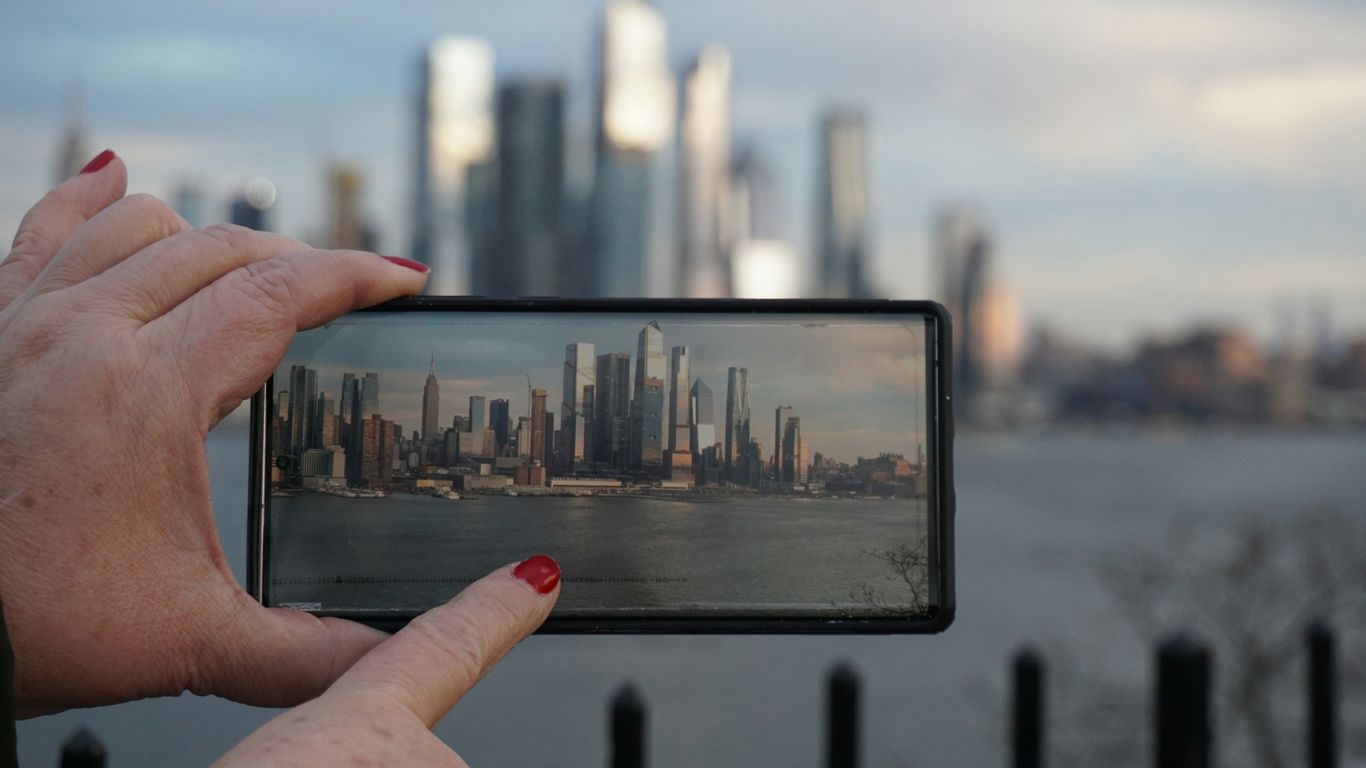
So, what’s the deal with an "unlocked" phone? Basically, it’s a mobile device that isn’t tied to just one specific phone company, or carrier. You know how sometimes you buy a phone, and it only works with, say, Verizon or AT&T? That’s a locked phone. An unlocked phone, though? It’s free. You can pop in a SIM card from pretty much any carrier in the world, and it should work. Think of it like a passport for your phone – it lets it travel and connect anywhere.
Why Travelers Prefer Unlocked Devices
People who travel a lot, especially internationally, really like unlocked phones. Why? Well, it boils down to a few big reasons. First off, it gives you options. Instead of being stuck with your home carrier’s often super-expensive international plans, you can just buy a local SIM card when you land in a new country. This usually means way cheaper calls, texts, and data. Plus, you’re not stuck in a long-term contract with your home provider for service you barely use when you’re away. It’s just a lot more flexible and, honestly, a lot easier on the wallet.
The Core Benefits for Global Connectivity
Using an unlocked phone abroad really opens things up. The biggest win is avoiding those crazy roaming charges that can rack up a huge bill before you even know it. Imagine getting back from a two-week trip and seeing a $500 charge just for using your phone! With an unlocked device, you can get a local SIM card, which often comes with a generous data allowance and calling minutes for a fraction of that cost. This means you can actually use your phone for maps, looking up restaurants, staying in touch with people back home, or even sharing photos without constantly worrying about the price tag. It just makes traveling a lot less stressful when you know you can stay connected affordably.
Here’s a quick look at the main advantages:
- Cost Savings: Significantly cheaper than international roaming plans.
- Flexibility: Ability to switch to local providers easily.
- Convenience: Access to local rates and services wherever you go.
- Control: You manage your plan and usage without carrier restrictions.
Navigating Your Unlocked Phone for International Travel
So, you’ve got an unlocked phone, which is awesome for hitting the road. But before you just hop on a plane and expect everything to work perfectly, there are a few things to sort out. It’s not super complicated, but paying attention now saves you headaches later.
Confirming Your Phone Is Unlocked
First things first, you gotta be sure your phone is actually unlocked. If you bought it outright from the manufacturer or got it after your contract ended, it’s probably unlocked. But if you got it through a carrier deal, especially a newer phone on a payment plan, it might still be tied to them. The easiest way to check is usually to call your current mobile provider and ask them directly. They can tell you if it’s locked and, if so, what you need to do to get it unlocked. Sometimes, you just need to meet certain requirements, like paying off the phone or having the account active for a specific period. Another quick test is to borrow a SIM card from a friend who uses a different carrier than you. If your phone works with their SIM, it’s unlocked.
Researching Local SIM Card Options
Once you know your phone is ready for action, it’s time to think about where you’re going. Different countries have different mobile carriers, and some are way cheaper or offer better service than others. A little bit of research before you leave can save you a ton of money. Look up the major mobile providers in your destination. Many countries have specific tourist SIM cards that are super convenient for short stays. These often come with a set amount of data, calls, and texts for a fixed price. You can usually buy these online before you go, at the airport when you land, or at local shops. It’s worth comparing a few options to see what fits your needs best. Do you need tons of data for maps and social media, or just enough for occasional calls and texts?
Understanding Network Compatibility
This is a bit more technical, but it’s important. Phones connect to mobile networks using different radio frequencies, often called ‘bands’. Your phone needs to support the bands used by the local carriers in the country you’re visiting. Most modern smartphones, especially unlocked ones, are designed to work globally and support a wide range of bands. However, if you have an older phone or are traveling to a less common destination, it’s a good idea to check. You can usually find your phone’s supported network bands on the manufacturer’s website or by searching your phone model online. Then, you can compare that list to the bands used by the mobile carriers in your destination country. Websites like GSMArena often have detailed specs for phone models, and travel forums can be a good source for information on local network bands.
Maximizing Savings with an Unlocked Phone for International Travel
Okay, so you’ve got your phone unlocked, which is a great first step. Now, let’s talk about how this actually saves you money when you’re hopping around the globe. The biggest culprit for draining your wallet while traveling is usually your home carrier’s roaming charges. Seriously, they can add up faster than you can say ‘lost luggage’.
Avoiding Expensive Roaming Fees
This is where the unlocked phone really shines. Instead of paying your home provider a small fortune for every megabyte of data or minute you use abroad, you can bypass those fees entirely. When you land, you just swap out your regular SIM card for a local one. It’s like giving your phone a temporary local identity. This simple switch means you’re no longer on your home network’s expensive international plan. You’re now using a local provider’s rates, which are almost always way cheaper. Think of it as paying local prices for local services, not inflated tourist prices.
Leveraging Local Prepaid Plans
Once you’ve got that local SIM in your unlocked phone, you’ll want to look into prepaid plans. These are fantastic for travelers. You buy a set amount of data, minutes, or a package that lasts for a specific number of days. It’s super straightforward. You know exactly what you’re paying for, and there are no surprise bills at the end of your trip. Many countries offer ‘tourist SIMs’ specifically designed for visitors, often with generous data allowances that are perfect for using maps, staying in touch, and maybe even streaming a bit of music. For example, in Mexico, you can find Telcel SIM cards at airports with affordable data plans. In Europe, a single SIM card often works across multiple countries thanks to regulations, making multi-country trips much simpler and cheaper.
Comparing Costs: Unlocked vs. Roaming
Let’s break it down with a quick look at potential costs. Roaming with your home carrier can easily cost $10-$15 per day for basic data access. Over a two-week trip, that’s $140-$210 per person, and that’s just for data. Now, compare that to a local prepaid SIM. In many places, you can get a SIM with plenty of data for the entire week for less than $20-$30. Even if you need to buy a new SIM in a few different countries, you’re still likely saving hundreds of dollars. It’s a no-brainer for anyone who travels more than once a year. Plus, having a local number can sometimes be helpful for booking things or if you need to be reached directly by local contacts. You can find international phone plans that offer good value, but often a local SIM is still the most budget-friendly option.
Seamless Integration with Plans and Providers
Compatibility with Various Phone Plans
One of the biggest perks of an unlocked phone is its flexibility. You’re not tied down to one specific carrier’s plan. This means you can easily switch between different types of services depending on what makes sense for your trip. Think about it: a quick weekend getaway might only need a basic prepaid SIM with a little data. But if you’re heading out for a few months, you might want a monthly plan with more data, or even a plan that covers multiple countries. It really just depends on where you’re going and what you plan to do.
Working with Affordable Providers
Beyond the big names, there are lots of smaller, more budget-friendly providers out there that work perfectly with unlocked phones. Companies like Tracfone, for example, offer SIM cards and plans that are designed to be used with your own device. This is a great way to keep costs down, especially if you’re used to paying a lot for international roaming. You can often get a local SIM from these providers that gives you a decent amount of data and calling minutes for a fraction of what your home carrier would charge. It’s all about finding the right fit for your travel style and budget.
The Role of Phone Insurance Abroad
Let’s face it, traveling can be unpredictable. Your phone could get dropped, lost, or stolen. That’s where phone insurance comes in handy. If you have insurance that covers your unlocked device, you’ve got an extra layer of security. Should something happen, you can often get a replacement SIM card or even a temporary phone without missing a beat. This means you can keep your contacts and apps accessible, even if your primary device is out of commission for a bit. It’s a smart move to look into insurance options before you head out, especially for longer or more adventurous trips.
Essential Tips for Using Your Unlocked Phone Abroad
So, you’ve got your phone all set to go, unlocked and ready for adventure. That’s awesome! But before you jet off, there are a few things you should totally do to make sure everything runs smoothly. It’s not super complicated, but a little prep goes a long way.
Backing Up Your Data Before You Go
Okay, this is a big one. Before you even think about swapping out your SIM card, make sure all your important stuff is saved somewhere safe. Think contacts, photos, maybe those funny videos you took. You can usually back all this up to cloud services like Google Drive or iCloud. It’s like putting your memories in a digital safety deposit box. If anything happens to your phone or the SIM card you buy, your data is still there when you get back.
Keeping Your Home SIM Card Secure
When you get to your destination and pop in a local SIM, you’ll need a place to stash your original SIM card. Don’t just shove it in your pocket! It’s tiny and easy to lose. Most phones come with a little tool to eject the SIM tray, and sometimes there’s a tiny slot to store the SIM card itself. If not, a small, sealed baggie or a tiny container works wonders. You’ll want to put it somewhere safe so you can easily find it when you return home and want to switch back to your regular plan.
Monitoring Usage on Local SIMs
Even though you’re using a local SIM and probably paying way less than you would for roaming, it’s still smart to keep an eye on how much you’re using. Local plans, especially prepaid ones, have limits on data, calls, and texts. You don’t want to get hit with unexpected charges because you went over your limit. Most carriers have apps or websites where you can check your usage in real-time. It’s a good habit to get into, just to be safe.
Utilizing Airplane Mode Effectively
Airplane mode is your best friend when you’re on a plane, obviously. But it’s also super handy for saving battery life when you don’t need to be connected. If you’re just using your phone for offline maps, reading an e-book, or playing a game, switching to airplane mode stops it from constantly searching for a signal, which drains the battery like crazy. You can also turn Wi-Fi back on while in airplane mode if you want to connect to hotel Wi-Fi without using cellular data. It’s a simple trick that can make your battery last a whole lot longer.
Final Thoughts
So, there you have it. Getting your phone unlocked before you travel is a pretty smart move. It really opens up your options for staying connected without breaking the bank. You can grab a local SIM card, avoid those crazy roaming fees, and just generally have an easier time getting around and keeping in touch. It’s not complicated, and honestly, it’s worth the little bit of effort beforehand. Think of it as your ticket to hassle-free communication wherever your adventures take you. Happy travels!
Frequently Asked Questions
What is an unlocked phone, and why is it good for travel?
An unlocked phone is like a phone that isn’t tied to just one phone company. You can put a SIM card from almost any phone company in it. This is great for traveling because you can buy a local SIM card in the country you visit, which is usually much cheaper than using your home phone plan overseas. It gives you flexibility and saves you money.
How can I tell if my phone is unlocked?
The easiest way is to borrow a SIM card from a friend who uses a different phone company than you. If your phone works with their SIM card, it’s likely unlocked. You can also check your phone’s settings or contact your current phone company to ask if it’s unlocked.
Will my unlocked phone work in any country?
Most modern unlocked phones work in many countries because they can connect to different network types. However, it’s a good idea to check if your phone’s technology (like 4G or 5G bands) matches the networks used in the country you’re going to. You can usually find this information on your phone’s tech specs online.
How do I get a SIM card when I arrive in a new country?
You can usually buy a local SIM card at the airport when you land, or at small shops and official stores in the city. Many places offer special ‘tourist’ SIM cards that come with a set amount of data and calling minutes, which can be very convenient and affordable for short trips.
What happens to my phone number from home when I use a local SIM?
When you use a local SIM card, your phone will use the number associated with that SIM. Your original phone number from home won’t be active for calls or texts unless you specifically set up a plan for that, like international roaming. You can still use apps like WhatsApp over Wi-Fi to message people with your home contacts.
Is it cheaper to use an unlocked phone with a local SIM than to pay for roaming?
Yes, in almost all cases! Roaming charges from your home phone company can be very expensive, adding up quickly. Buying a local SIM card with a prepaid plan is usually much, much cheaper for data, calls, and texts, allowing you to stay connected without breaking the bank.