
Planning your next big trip and wondering which phone to bring along? Finding the best cheap smartphone for international travel in 2026 can feel like a puzzle. You want something that won’t break the bank, but also won’t leave you stranded without service in a new country. We’ve looked at a bunch of phones, from budget-friendly options to slightly older flagships that are still total workhorses. Plus, we’ll break down all that confusing tech talk about SIM cards and data plans so you can make a smart choice.
Key Takeaways
- For 2026, consider phones like the Google Pixel 9a or iPhone 16e for good value and features suitable for travel.
- Older flagship models like the iPhone 15 or Samsung Galaxy S24 Ultra can be smart buys, offering premium features at lower prices.
- Pay close attention to band support; a phone with more bands means better service chances worldwide.
- Understand the difference between eSIM and physical SIM cards, especially as more regions become eSIM-only.
- Opt for pay-as-you-go data plans over expiring packages for more flexibility and cost savings when traveling.
1. Google Pixel 9a
Alright, let’s talk about the Google Pixel 9a. This phone has been making some waves, and for good reason. Google decided to keep it at that sweet spot price of $499, which is pretty awesome when you look at what other companies are charging these days. Seriously, Apple’s cheapest new phone is a good chunk more expensive.
What you get for your money is a phone that feels like it’s been upgraded everywhere. The design is a bit of a throwback, with the cameras sitting almost flush on the back. It’s different from the camera bars we’ve seen on other Pixels, but honestly, it looks pretty clean. Inside, it’s packing the Tensor G4 chip, which means it gets a lot of those smart AI features that are usually reserved for the pricier Pixel 9 models. My colleague John really put it through its paces and came away impressed, saying it’s pretty much the budget phone to beat right now.
Here’s a quick look at what makes it stand out:
- Camera Upgrades: It’s got a new 48MP main camera and a 13MP ultrawide. While the main sensor is a bit lower in megapixels than the last model, it has a wider aperture, which is great for low-light shots. Plus, it finally has a proper macro mode and even astrophotography capabilities. It actually beat the iPhone 16e in a camera comparison.
- AI Features: Thanks to the Tensor G4, you get cool stuff like Pixel Studio and Add Me for photo editing, and some really neat call management features. Imagine having Google Assistant take calls for you with context-aware responses – pretty handy!
- Battery Life: They’ve bumped up the battery to 5,100 mAh, and combined with the efficient chip, it lasts a good while. We’re talking over 13 hours of web browsing, which is a solid improvement.
- Software Support: Google’s committing to seven years of software and security updates. That’s a huge deal for a budget phone, meaning this thing should stay relevant and secure for a long time. This kind of long-term support is a big reason why many travelers consider a Pixel.
Now, it’s not perfect. You won’t get blazing-fast performance like you might on a high-end gaming phone, and some of the absolute top-tier AI features from the Pixel 9 Pro are missing. But for the price, the Pixel 9a offers a really compelling package, especially if you’re looking for a solid camera and smart features without breaking the bank. It’s definitely a strong contender if you’re comparing it to something like the OnePlus 15R.
2. iPhone 16e
Alright, let’s talk about the iPhone 16e. Apple’s approach to a more budget-friendly iPhone has always been a bit of a balancing act, and the 16e is no exception. It’s definitely not the cheapest phone out there, especially when you look at what Android offers in the same price bracket. But, if you’re already in the Apple ecosystem or just really want an iPhone without shelling out for the latest and greatest, this one’s worth a look.
The iPhone 16e feels more like a modern iPhone than its predecessors, which is a big plus. It ditches the older Touch ID for Face ID and sports a notch, giving it a look that’s closer to the newer models. The screen is a decent 6.1 inches, and honestly, it looks pretty good, with minimal bezels making it feel almost all screen. It gets bright enough for most situations, too.
One of the standout features is the battery life. Thanks to a bigger battery and some efficiency tweaks in the chip and modem, you can expect it to last a really long time. I managed to get through a full day and then some, even with pretty heavy use. If you’re coming from an older iPhone or one of those smaller mini models, you’ll definitely notice the difference.
It also comes with a USB-C port now, which is a welcome change. You can get a decent charge pretty quickly with a compatible adapter, and it supports wireless charging, though that’s a bit slower.
Here’s a quick rundown of what you get:
- Performance: It packs a punch, handling everyday tasks and even some lighter gaming without breaking a sweat. It’s powered by the A18 chip, which is quite capable.
- Camera: You get a single 48-megapixel rear camera. It’s good for general photos, but don’t expect miracles, especially in tricky lighting or when you try to zoom in.
- Battery: As mentioned, this is a strong point. Expect all-day use and then some on a single charge.
- Apple Intelligence: Yes, even this more affordable iPhone supports Apple’s new AI features. It’s not a reason to buy it on its own, but it’s nice to know it’s future-proofed for these kinds of updates.
Now, it’s not perfect. The price is still a bit high for what’s considered a budget phone, and it’s missing some things like MagSafe charging. The camera, while decent, isn’t going to blow you away compared to some competitors. But if you’re set on an iPhone and want something that’s a step up from the older SE models without going for the top-tier price, the 16e is a solid choice.
3. Samsung Galaxy A56 5G
Samsung’s Galaxy A series has always been a solid choice for folks who want a decent phone without emptying their wallets, and the A56 5G looks to continue that trend. It’s not trying to be the flashiest phone out there, but it gets the important stuff right for travelers. Think about it: you need a phone that can handle maps, translation apps, and keeping in touch without costing a fortune. The A56 5G usually packs a good battery life, which is a lifesaver when you’re out exploring all day and can’t find a charger. Plus, Samsung usually throws in a decent camera for those spontaneous vacation shots.
What makes it a good pick for travel?
- Long Battery Life: You can expect it to last through a full day of heavy use, so no more battery anxiety while navigating a new city.
- Expandable Storage: Many models in this line have a microSD card slot. This is great for downloading offline maps or storing lots of photos and videos without filling up your main storage.
- Headphone Jack: Believe it or not, some people still prefer wired headphones. The A56 5G often includes a 3.5mm jack, which is becoming a rare feature.
- Software Support: Samsung typically offers several years of software and security updates for its A-series phones. This means your phone stays functional and secure for longer, saving you money in the long run.
While it might not have the absolute best processor or the most cutting-edge camera tech, the Galaxy A56 5G offers a reliable experience that’s hard to beat for the price. It’s a practical choice for anyone who needs a dependable smartphone for international adventures without breaking the bank.
4. Moto G Power 2026
Alright, let’s talk about the Moto G Power 2026. If you’re someone who’s always on the go and battery life is your absolute top priority, this phone might just be your new best friend. Seriously, this thing can last. I’ve seen tests where it goes for well over 12 hours of continuous use, which is pretty wild when you think about it.
It’s not just about the battery, though. The screen is a decent size, about 6.7 inches, and it’s got a refresh rate that makes scrolling feel really smooth.
Here’s a quick rundown of what you get:
- Massive Battery Life: Expect it to last through a full day, maybe even two, depending on how you use it.
- Smooth Display: The 120Hz refresh rate makes everything from browsing to casual gaming feel fluid.
- Decent Performance: It handles everyday tasks without much fuss.
Now, it’s not going to win any awards for its camera, and the software updates might not be as long-term as some pricier options, but for the money? It’s a solid workhorse that won’t leave you hunting for a charger. If you need a phone that just keeps going and going, especially for travel where outlets can be scarce, the Moto G Power 2026 is definitely worth a look. You can often find great deals on these, making it a really budget-friendly choice for staying connected. Check out the latest on Motorola phones if you’re curious.
5. iPhone 15 (2023)
Okay, so the iPhone 15. It came out in 2023, and yeah, it’s a bit older now, but hear me out. For travelers, especially those who are already in the Apple ecosystem, this phone is still a really solid pick. The biggest thing for 2026 travelers is that the iPhone 15 was the first iPhone to ditch the Lightning port for USB-C. This means you can probably use the same charger for your phone, your laptop, and your tablet, which is a huge win for packing light. Plus, Apple is pretty good about software updates, so you’ll still get security patches and new features for a while.
One thing to keep in mind, though: if you’re buying this in the US, it’s eSIM-only. This might be a pro or a con depending on your travel plans. If you’re used to swapping physical SIM cards, you’ll need to adjust. But if you’re planning on using an eSIM for your travels anyway, then it’s not a big deal. In fact, iOS 26 introduces automatic management of travel eSIMs, which is pretty neat. Upon returning home, your iPhone will seamlessly disable your travel eSIM and reactivate your primary home SIM, ensuring a smooth transition.
Here’s a quick rundown of why it’s still relevant:
- USB-C Port: One cable to rule them all. Seriously, this simplifies charging a ton.
- Software Support: Apple’s commitment to updates means it’s not going to feel ancient anytime soon.
- Ecosystem Integration: If you have other Apple devices, it just works.
- Camera: Still takes great photos for your travel memories.
It’s not the newest kid on the block, but the iPhone 15 offers a good balance of features and longevity, especially if you can find it at a decent price now that newer models are out. It’s a smart buy if you want an iPhone experience without paying top dollar for the absolute latest.
6. Samsung Galaxy S24 Ultra (2024)
Okay, so the Samsung Galaxy S24 Ultra. It came out in 2024, and while it’s not the newest kid on the block anymore, it’s still a serious contender, especially if you can find it at a good price now. Samsung really went all-in on the AI features with this one, making it feel like a step up from previous models. Think of it like having a super-smart assistant built right into your phone.
One of the coolest things is how it handles tasks across different apps. You can give it one command, and it’ll do multiple things, like find an event date, add it to your calendar, and then text a friend about it. Pretty neat, right? It also learns your habits and preferences to show you relevant info, though this ‘Now Brief’ screen was a bit basic when we first tried it. It’s supposed to get better over time, though.
When it comes to photos, the S24 Ultra is still a champ. It has some really solid cameras, especially for zooming in and taking pictures when it’s not very bright out. It even managed to win more photo comparisons against the iPhone 16 Pro Max in some tests. The battery life is also pretty impressive, lasting a really long time on a single charge, thanks to the efficient processor inside.
Here’s a quick look at some specs:
| Feature | Detail |
|---|---|
| Display | 6.8-inch Dynamic AMOLED 2X (120Hz) |
| Processor | Snapdragon 8 Gen 3 for Galaxy |
| RAM | 12GB |
| Storage | 256GB, 512GB, 1TB |
| Rear Cameras | 200MP Wide, 12MP Ultrawide, 10MP 3x Tele, 50MP 5x Tele |
| Battery | 5,000 mAh |
| Special Features | S Pen, Galaxy AI, Titanium Frame |
Now, the big downside? The price. Even though it’s a 2024 model, it was pretty expensive when it launched, and it still holds its value. You’re definitely paying for that top-tier tech and those AI smarts. But if you’re looking for a phone that can do a lot, takes amazing pictures, and has a battery that just keeps going, the S24 Ultra is worth keeping an eye on, especially if you find a deal.
7. iPhone 16 (2024)
Alright, let’s talk about the iPhone 16. While it might not be the absolute newest kid on the block anymore, especially with the 2026 models starting to roll out, it’s still a solid contender for international travel, particularly if you can snag it at a good price.
Think of it as the reliable friend who’s always there. It’s got that familiar Apple ecosystem, which many travelers appreciate for its ease of use. The camera system is still pretty decent for capturing those vacation memories, and the battery life generally gets you through a full day of exploring, though maybe not two days of heavy use like some of the newer, more power-efficient chips.
Here’s a quick rundown of what you can expect:
- Display: Good brightness for outdoor viewing, though maybe not quite as vibrant as the latest flagships.
- Camera: A capable dual-lens system that takes good photos in decent lighting. Don’t expect miracles in super low light, though.
- Performance: It runs smoothly for everyday tasks and most apps you’ll need while traveling.
- Durability: It has decent water and dust resistance, which is always a plus when you’re out and about.
The big question for travelers is band support. While iPhones generally have good global coverage, you’ll want to double-check that the specific iPhone 16 model you’re looking at supports the cellular bands used in the countries you plan to visit. This is super important for getting a local SIM or eSIM to work properly.
It’s a good option if you’re already in the Apple ecosystem and find a deal. Just make sure to check those network bands before you book your flight!
8. iPhone 13 (2021)
Even though it’s a few years old now, the iPhone 13 (released in 2021) can still be a surprisingly good option for international travel, especially if you’re looking to save some serious cash. Apple’s older models often hold their value, but you can find them at a much lower price point now, making them a smart buy if you’re on a tight budget.
This phone offers a solid balance of performance, camera quality, and battery life that still holds up for everyday use. While it won’t have the latest bells and whistles of the newer iPhones, it’s more than capable of handling your travel needs, like navigation, communication, and snapping photos of all those amazing sights.
Here’s a quick look at what you can expect:
- Display: A bright and clear 6.1-inch Super Retina XDR display. It’s great for viewing maps and photos, even in decent sunlight.
- Camera: A very capable dual-camera system (12MP Wide and 12MP Ultra Wide) that takes excellent photos and videos, especially in good lighting. You’ll get great shots for your travel memories.
- Performance: Powered by the A15 Bionic chip, it’s still fast enough for most apps and multitasking. You won’t be waiting around for things to load.
- Battery Life: Generally good for a full day of moderate use, which is important when you’re out and about exploring.
- Durability: Features like Ceramic Shield front cover and IP68 water resistance offer some peace of mind against accidental drops or splashes.
While it lacks some of the newer features like 5G connectivity (which might be a consideration depending on your travel destinations) and the advanced AI capabilities found in the latest models, the iPhone 13 remains a reliable and cost-effective choice. If you can find one in good condition for a good price, it’s definitely worth considering for your next trip abroad.
9. Glossary: Key Terms
Alright, let’s break down some of the lingo you’ll bump into when figuring out your travel phone situation. It can seem like a lot at first, but once you get the hang of it, it’s pretty straightforward.
- eSIM: Think of this as a digital SIM card. Instead of popping a tiny plastic chip into your phone, you download your carrier’s information right onto your phone, usually by scanning a QR code. Most modern phones can store several of these digital SIMs, which is super handy for switching between your home plan and a travel plan.
- Physical SIM: This is the old-school way. It’s the little plastic card you’ve probably been swapping out for years. You can use these in pretty much any phone that has a SIM tray, including older models, some tablets, and even portable Wi-Fi hotspots.
- Dual SIM (DSDS): This means your phone can handle two active connections at once. It could be one eSIM and one physical SIM, or even two eSIMs. It’s a lifesaver for keeping your personal number active while using a local travel SIM or eSIM for data.
- Carrier-Unlocked: This is a big one. An unlocked phone isn’t tied to a specific mobile carrier. If your phone is locked, you can’t just pop in a different SIM card from another company. You need an unlocked phone to use travel SIMs or eSIMs from different providers.
- Data Roaming: This is a setting on your phone. You’ll want to turn it ON for your travel SIM/eSIM to work when you’re abroad. But, make sure it’s OFF for your regular home SIM card, otherwise, you could get hit with some seriously hefty charges from your home carrier.
- Pay-As-You-Go: With this setup, you just pay for the data you actually use, usually measured per megabyte (MB). Any money you add to your account usually stays there, carrying over to your next trip as long as you top it up occasionally. No more worrying about packages expiring.
- Data Package: This is like buying a pre-set amount of data (say, 5GB) that’s good for a specific period (like 7 days). The catch? If you don’t use all the data before the time runs out, it’s usually gone. Poof!
- Multi-IMSI: Some SIM cards, especially travel ones, have multiple network profiles built-in. This means the SIM can automatically switch between different local carriers to find the best signal, which is pretty neat.
- LTE/5G Bands: These are the specific radio frequencies your phone uses to connect to mobile networks. Different countries use different bands. Having a phone that supports a wide range of these bands means you’re more likely to get a signal, whether you’re in a big city or a small town. For example, Band 20 is often important for good coverage in Europe, and certain bands are better for getting a signal indoors in the US.
10. eSIM vs Physical SIM
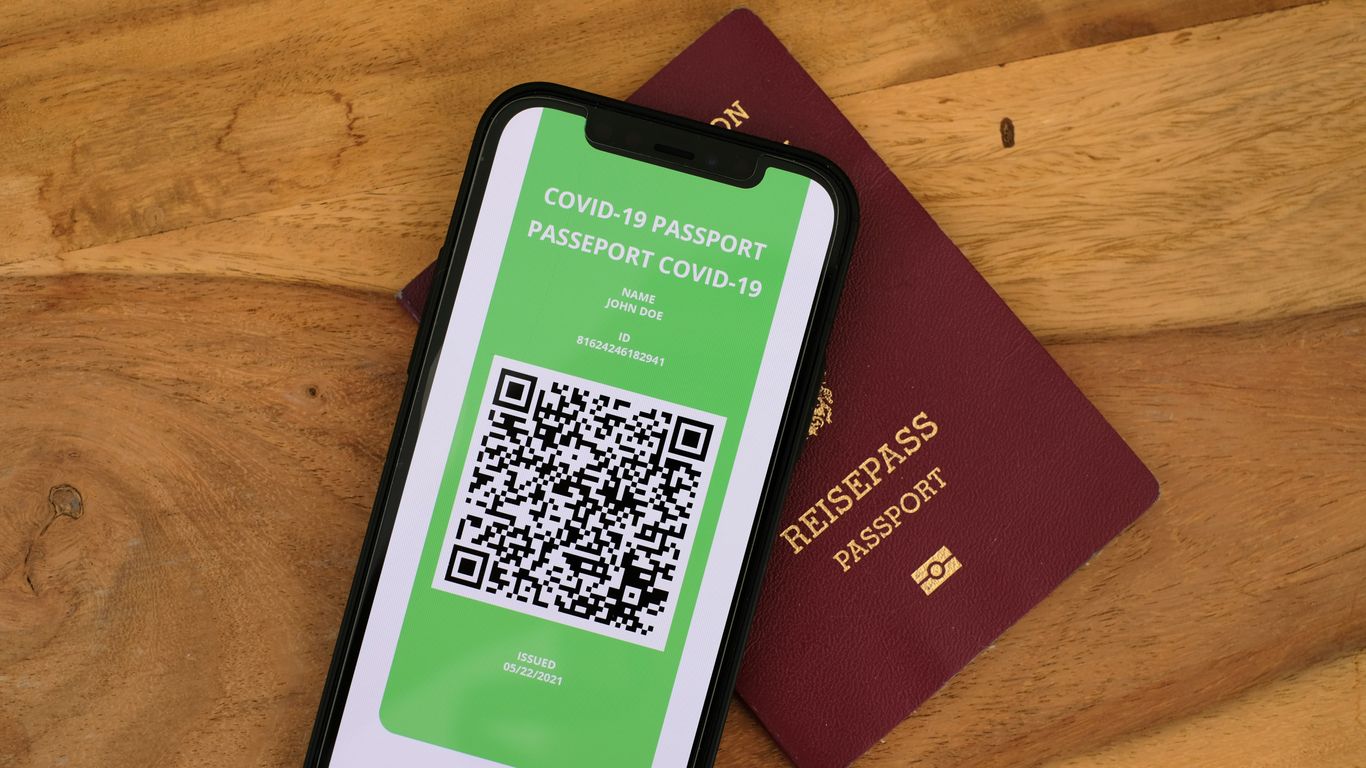
Okay, so you’re heading out of the country and need a way to stay connected without paying a fortune to your home carrier. This usually boils down to two options: the old-school physical SIM card or the newer eSIM. They both get the job done, but they work a bit differently.
The biggest difference? One’s a tiny chip you pop into your phone, and the other is built right into your device.
Let’s break it down:
- Physical SIM: This is what most people have used for years. It’s a small, removable card that you get from your mobile provider. You slide it into a little tray on your phone. It’s pretty straightforward, and almost any unlocked phone can use one. Plus, if you have a separate mobile hotspot or an older phone, a physical SIM is often your only choice.
- eSIM: This is like a digital SIM. It’s embedded directly into your phone’s hardware. Instead of swapping a card, you download a ‘profile’ from your provider, usually by scanning a QR code. It’s super convenient because you don’t have to wait for a card to arrive in the mail, and you can store multiple profiles on one device. Most phones made since around 2018 support eSIM, but it’s always good to double-check your specific model.
Here’s a quick look at the pros and cons:
| Feature | Physical SIM | eSIM |
|---|---|---|
| Activation | Requires physical card, shipping time | Digital, instant via QR code |
| Storage | One profile per card | Can store multiple profiles (8-20+) |
| Durability | Can be lost, damaged, or stolen | Cannot be physically lost or damaged |
| Compatibility | Works with virtually any unlocked device | Requires eSIM-compatible device (most modern phones) |
| Device Use | Can be used in routers, hotspots, older phones | Primarily for smartphones |
For international travel, many people find eSIM to be the easiest route, especially if you plan to switch between different travel plans or use a "hardware separation" strategy (keeping your home SIM for calls/texts and a travel eSIM for data). It just makes things simpler when you’re on the go. Just make sure your phone is unlocked and supports eSIM before you buy a plan.
11. Pay-As-You-Go vs Packages
When you’re planning a trip abroad, figuring out how to pay for your phone data is a big part of the puzzle. You’ve got two main options: pay-as-you-go or buying data packages. Honestly, for most people, especially if you’re hopping between countries or your travel plans are a bit up in the air, pay-as-you-go is usually the way to go.
With pay-as-you-go, you just top up your account with a certain amount, and then you’re charged only for the data you actually use, usually by the megabyte. The best part? Any money you don’t spend usually rolls over to your next trip, as long as you keep the account active with occasional top-ups. It’s pretty flexible and stops you from losing money on data you never got around to using. This is a great option if you’re not sure how much data you’ll need or if you’re visiting multiple places.
Data packages, on the other hand, are like buying a set amount of data for a specific number of days. Think 5GB for 7 days, for example. The catch is, if you don’t use all that data by the time the days run out, it’s gone. Poof. Wasted money. This can be a decent choice if you know you’ll be in one place, have a pretty good idea of your data usage, and won’t be traveling for too long. But for the average globetrotter, it often leads to overpaying or running out of data at the worst possible moment.
Here’s a quick look:
- Pay-As-You-Go:
- Pay only for what you use.
- Remaining balance usually carries over.
- Works across many countries with one balance.
- Ideal for varied travel plans and unpredictable usage.
- Data Packages:
- Fixed amount of data for a fixed time.
- Unused data typically expires.
- May require buying a new package for each country or trip.
- Best for heavy, predictable usage in a single location.
For most travelers, pay-as-you-go offers better value and less hassle. It’s a more adaptable choice that fits the unpredictable nature of international travel much better than fixed packages. If you’re looking for a cost-effective way to stay connected, consider looking into travel eSIM providers that offer this flexible model.
12. Why Band Support Matters
Think of mobile networks like different radio stations. Each station broadcasts on a specific frequency, and your phone needs to be tuned to the right frequency to pick up the signal. In the world of mobile phones, these frequencies are called ‘bands’. Different countries, and even different carriers within a country, use a variety of these bands for their 4G LTE and 5G networks.
If your phone doesn’t support the specific bands used by the local mobile provider in the country you’re visiting, you might get no service at all, or your connection could be really slow, even if everyone else around you is connected. It’s like trying to listen to a classical music station on a radio that can only tune into rock stations – you just won’t hear anything.
Here’s a quick rundown of some important bands:
- 4G LTE: Bands like 1, 3, 7, and 20 are common in Europe. Band 20 is particularly good for reaching rural areas. In the US, bands like 2, 4, 12, and 17 are widely used, with 12 and 17 being helpful for getting a signal indoors.
- 5G: This is a bit more complex, with different types of 5G. For global travel, you’ll mostly want to focus on ‘sub-6GHz’ 5G, which is used in many countries. The super-fast ‘mmWave’ 5G is mostly found in specific cities in places like the US, Japan, and South Korea, and isn’t as critical for general travel.
- 3G (Legacy): While many countries are phasing out 3G, it can still be a lifesaver in very remote areas where 4G or 5G hasn’t reached yet. However, relying on it is becoming less of an option.
Generally, more expensive, flagship phones tend to support a wider array of these bands. Budget phones might cut corners here to save costs. If you’re hopping between continents, it’s worth checking the band support list for any phone you’re considering. You can usually find this information on the manufacturer’s website under the phone’s specifications. It’s a bit of a technical detail, but it can make a huge difference between staying connected and being stuck without service.
13. 2026: eSIM-Only Regions
Okay, so things are getting a bit more complicated with phones in 2026, especially if you travel a lot. Both Apple and Google are pushing more phones that only use eSIMs. That means no more little physical SIM card tray on some models. It’s supposed to be simpler, but it can be a real headache if you’re not prepared.
The big shift is that some regions now only get eSIM-only versions of popular phones.
Here’s a quick rundown of what that means:
- Apple’s iPhone 17 lineup: In places like the United States, Canada, and Mexico, you’ll find iPhones that are eSIM-only. If you buy an iPhone 17 in Europe or the UK, though, you’ll still get that handy physical SIM card slot alongside the eSIM capability. This gives you more flexibility, which is usually a good thing when you’re hopping between countries.
- Google’s Pixel 10 series: Similar story here. US models of the Pixel 10 and Pixel 10 Pro are eSIM-only. If you grab a Pixel 10 outside the US, you’ll get the dual SIM setup (physical SIM + eSIM). There’s a small exception: the Pixel 10 Pro Fold keeps its physical SIM slot everywhere.
Why does this matter for travelers? Well, if you rely on physical SIMs for any reason – maybe you have a specific travel SIM card or need to swap cards frequently – you need to be really careful about which region’s model you buy. Buying an eSIM-only phone when you’re used to physical SIMs can be a bit of a shock. Always double-check where the phone is sold and what SIM options it supports before you hand over your cash. It could save you a lot of hassle later on.
14. Best Flagship Phones
Alright, let’s talk about the big guns – the flagship phones. These are the devices that usually come with all the bells and whistles, the latest tech, and, yeah, often a pretty hefty price tag. But here’s the thing: you don’t always need to spend a fortune to get a top-tier experience, especially when you’re looking for a phone for international travel.
Think of these as the premium options. They typically boast the best cameras, the fastest processors, the brightest and most vibrant displays, and often the most robust build quality. If you’re someone who uses their phone for everything – photography, gaming, heavy multitasking, or just wants that cutting-edge feel – a flagship might be your jam.
Here’s a quick look at what you might find in the top-tier category for 2026:
- Apple iPhone 17 Pro Max: Often considered the king of the hill, especially if you’re already in the Apple ecosystem. Expect amazing performance, a fantastic camera system, and that iOS polish. Battery life is usually a strong point here too.
- Samsung Galaxy S25 Ultra: Samsung’s answer to the top-tier market. It usually packs an incredible camera array, a versatile S Pen for note-taking or drawing, and a display that’s just gorgeous. Plus, Samsung’s AI features are getting pretty interesting.
- Google Pixel 9a: While technically a ‘mid-range’ option in some lists, the Pixel ‘a’ series often punches way above its weight. It usually offers a fantastic camera experience that rivals much more expensive phones, and it gets a lot of Google’s smart AI features. It’s a smart buy if you want flagship camera performance without the absolute top-end price.
When you’re looking at these, consider what matters most to you. Is it the camera? Battery longevity? The operating system? These phones usually excel in multiple areas, but sometimes you have to pick your battles. And remember, even though they’re ‘flagships’, their prices can vary, so shopping around is still a good idea.
15. Best Budget Phones
You don’t need to drop a grand to get a decent phone these days. Seriously, the market is packed with options that won’t break the bank but still get the job done, especially for travel. We’re talking about phones that can handle maps, translation apps, booking tickets, and keeping you connected without costing a fortune.
When you’re looking at budget phones, there are a few things to keep in mind. It’s not just about the price tag; it’s about what you get for that price. Think about battery life – you don’t want to be hunting for an outlet in a foreign city. Camera quality is also a big one, even if you’re not a pro photographer, you’ll want to snap some memories. And of course, screen quality matters for all that map-reading and browsing.
Here are some of the top contenders that offer a lot of bang for your buck:
- Motorola Moto G Power 2026: This phone often shines when it comes to battery life. If you’re someone who’s always on the go and forgets to charge, this could be your best bet. It usually packs a massive battery that can easily last two days of moderate use.
- Google Pixel 9a: While it might be a bit higher on the budget scale, the Pixel ‘a’ series consistently offers a fantastic camera for its price. Plus, you get that clean Android experience and timely updates straight from Google.
- Samsung Galaxy A56 5G: Samsung’s A-series phones are known for their solid all-around performance. You typically get a good display, decent cameras, and reliable performance, making it a safe choice for most travelers.
The sweet spot for budget phones often lies between $300 and $450. Below $300, you might find some compromises, especially with camera performance or build quality. But in that $300-$450 range, you can often find phones with features that rival much more expensive devices. It’s all about finding that balance that works for your travel needs and your wallet.
16. Smart Buy: Previous Gen
You know, sometimes the best tech isn’t the brand new, shiny thing. When you’re looking for a solid phone for travel without breaking the bank, checking out last year’s top models can be a really smart move. These phones, often from 2023 or 2024, still pack a serious punch, usually offering better cameras and build quality than many of the newer mid-range options. Plus, they come with a nice discount.
Think about the iPhone 15. It was the first iPhone to ditch the Lightning port for USB-C, which is a huge win for travelers who want to carry fewer cables. If you’re already in the Apple ecosystem with a MacBook or iPad, this means one charger for everything. Just remember, if you’re buying in the US, it’s eSIM-only, so check your travel plans accordingly.
Then there’s the Samsung Galaxy S24 Ultra from 2024. While it was a flagship beast when it came out, you can now find it at a much more attractive price. It still boasts fantastic band support for global networks and, importantly, uses a physical SIM card, which can be simpler in some countries. Its camera system, especially the zoom, is still top-notch.
Here’s a quick look at some previous-gen standouts:
- iPhone 15 (2023): Great for USB-C convenience and long software support. US models are eSIM only.
- Samsung Galaxy S24 Ultra (2024): Still a powerhouse with excellent global band support and physical SIM option.
- iPhone 16 (2024): A more recent flagship that’s likely seeing some carrier deals, offering current performance and USB-C.
- iPhone 13 (2021): If you can find one in good condition, this is the last US iPhone model that still supported physical SIM cards globally, which might be a deciding factor for some travelers.
Buying a previous generation flagship often means you get premium features at a mid-range price. It’s a practical way to get a high-quality device that can handle international travel without the hefty price tag of the absolute latest model. You can often find these deals on sites like Amazon or through carrier promotions.
17. By Traveler Type
Picking the right phone really depends on how you travel, doesn’t it? It’s not a one-size-fits-all situation.
For the business traveler who needs to stay connected and secure, stability is key. You’ll want a phone that handles eSIMs well and has a solid reputation for reliability. Think along the lines of the iPhone 17 Pro or the Galaxy S25 Ultra. These often come with robust security features and good support for international networks, making sure you don’t miss that important call or email.
Backpackers and budget-conscious explorers often prioritize value and battery life. A phone like the Google Pixel 9a or the Moto G Power 2026 fits the bill. You need something that can last all day, handle offline maps, and isn’t going to break the bank if it gets a little banged up. Durability and long battery life are your best friends here.
Digital nomads, on the other hand, might be looking for a larger screen for productivity and long-term software support. Devices like the iPhone 17 Pro Max or the Pixel 10 Pro XL offer big displays and extended update cycles, which are great for heavy data users and those who rely on translation apps or constant connectivity. Having a phone that can handle a lot of data and lasts for years is a big plus.
Here’s a quick breakdown:
- Business Traveler: Focus on stability, security, and seamless eSIM management. Look at models like the iPhone 17 Pro or Samsung Galaxy S25 Ultra.
- Backpacker/Budget Traveler: Prioritize value, battery life, and durability. The Google Pixel 9a or Moto G Power 2026 are good choices.
- Digital Nomad: Consider large screens, long software support, and advanced features like AI translation. The iPhone 17 Pro Max or Google Pixel 10 Pro XL are strong contenders.
No matter your travel style, making sure your phone supports the right global roaming bands is important for staying connected wherever you go.
18. Hardware Separation Strategy
Okay, so you’re heading overseas and need a phone that plays nice with foreign networks without costing a fortune. One of the smartest moves you can make is what I call the "hardware separation strategy." It sounds fancy, but it’s really just about using two different SIMs for two different jobs.
Think of it like this: you keep your home SIM card in your phone for important stuff like receiving text messages and those one-time codes banks send you (you know, for two-factor authentication). This is your "identity line." You’ll want to make sure data roaming is turned OFF for this SIM to avoid surprise charges. This way, you get your codes without racking up a huge bill.
Then, you get a travel eSIM or a physical SIM from a local provider or a travel SIM company for your actual internet needs. This is your "data line." You turn data roaming ON for this one. It’s what you’ll use for maps, browsing, social media, and anything else that needs internet. It’s a pretty straightforward setup that keeps your banking secure and your data costs predictable.
Here’s a quick breakdown:
- Home SIM: For calls, texts, and critical authentication codes. Keep data roaming OFF.
- Travel SIM/eSIM: For all your internet needs – maps, apps, browsing. Data roaming ON.
This method is super handy because receiving texts is usually free, even internationally. You only pay for what you use or for a data package. It’s a solid way to stay connected without breaking the bank or compromising security. Plus, if your phone supports both, you can often manage them easily within the phone’s settings, switching between them as needed.
19. Before Buying Checklist

Alright, so you’re eyeing a new phone for your travels. Before you hit that ‘buy’ button, let’s run through a quick checklist. It’s not super complicated, but it’ll save you headaches later, trust me.
First off, is the phone unlocked from any specific carrier? This is a big one. If your phone is locked to, say, Verizon, it probably won’t work with a SIM card from a local provider in Thailand or wherever you’re headed. You need an unlocked phone to pop in a different SIM or use an eSIM from a travel provider. Some carriers will unlock phones after a certain period, but you have to ask. Don’t assume.
Next, think about SIM card compatibility. Does it support eSIM, or does it have a physical SIM tray? And importantly, are there different versions of the same phone model depending on the region? For example, some US models might be eSIM-only, while European versions might still have a physical SIM slot. You’ll want to verify this, especially if you prefer a physical SIM or need a specific type for your travel plans.
Here’s a quick rundown:
- Carrier Unlocked Status: Absolutely vital. If it’s locked, it’s a no-go for most international travel SIMs.
- eSIM vs. Physical SIM: Decide which you prefer or what your travel SIM provider offers. Some phones are eSIM-only, others have both, and some older ones might only have a physical slot.
- Regional Variants: Check if the model you’re looking at has different specs or SIM capabilities based on where it’s sold. A quick search for the exact model number and region usually clears this up.
- Band Support: This is a bit more technical, but make sure the phone supports the cellular bands used by carriers in the countries you plan to visit. We cover this more later, but it’s worth a quick look.
It might seem like a lot, but ticking these boxes now means you won’t be stuck with a fancy paperweight when you land.
20. FAQ
Got questions about picking the right phone for your travels? We get it, it can be a bit confusing. Here are some common things people ask.
How do I know if my phone can handle an eSIM?
It’s pretty straightforward. On iPhones, you can usually find this in Settings > General > About. Just scroll down and look for an "EID" number. For Android phones, it’s often in Settings > About Phone, where you’ll look for "EID" or "eSIM" details. Your phone also needs to be unlocked from your carrier to use a travel eSIM.
Can I use my regular SIM card and an eSIM at the same time?
Yep, most phones made since around 2018 support this. It’s called Dual SIM Dual Standby (DSDS). The best setup for travel is usually keeping your home SIM in for calls and texts (like for two-factor authentication codes from your bank) and using a travel eSIM for your data. This way, you avoid those super high roaming charges from your home carrier.
Will I still get text messages from my bank or other services while abroad?
Absolutely, especially if you’re using that "hardware separation" trick we mentioned. Keep your home SIM active for receiving texts (just make sure data roaming is off for that SIM), and use your travel eSIM for internet. Receiving SMS messages is typically free no matter where you are in the world.
Why is it important for my phone to support a lot of different network bands?
Think of it like this: different countries use different radio frequencies for their mobile networks. If your phone doesn’t have the right "bands" for the country you’re in, you might get no service at all, or your connection could be really slow, even if the local mobile company has coverage there. Phones that support more bands tend to work better in more places.
What’s the difference between pay-as-you-go data and data packages?
Here’s a quick rundown:
- Pay-As-You-Go: You only pay for the data you actually use. It’s great for shorter trips or if you’re not sure how much data you’ll need. Your balance usually carries over if you top up periodically.
- Data Packages: You buy a set amount of data (like 5GB) for a specific time (like 7 days). If you don’t use it all, it’s usually gone when the time is up. This can be good if you know you’ll use a lot of data consistently in one place.
For most travelers hopping between countries, pay-as-you-go often makes more sense. It stops you from wasting money on data you don’t end up using.
21. Choose Your Travel eSIM
Alright, so you’ve picked out a phone that’s ready for the world. Now comes the fun part: getting connected. This is where travel eSIMs really shine, especially if you’re hopping between countries or just want to avoid those crazy roaming fees.
The biggest win with an eSIM is how easy it is to get set up. Forget waiting for a physical card to arrive in the mail. You usually just scan a QR code, follow a few prompts on your phone, and boom – you’ve got data. It’s pretty slick.
But not all eSIMs are created equal, and your travel habits matter. Think about how you usually travel:
- Short, infrequent trips: If you only take a vacation once a year or for a long weekend, a plan designed for "One-Time Travel" might be your best bet. These often have lower upfront costs and are perfect for just getting online when you need it.
- Frequent flyer: If you’re on the move a lot, maybe for work or just because you love exploring, look for plans geared towards "Frequent Travel." These usually offer better rates per gigabyte or have longer validity periods, so you’re not constantly buying new plans.
- Always connected, heavy user: For those who need constant, reliable internet everywhere – think digital nomads or people who rely on their phone for work – there are "Global" or "Professional" plans. These often provide the widest coverage and might offer more data or better speeds.
When you’re comparing, check out providers like Saily, which is developed by the NordVPN team and offers flexible plans. They’re a solid option for most travelers looking for fast and affordable internet abroad. Remember to also check if your phone is carrier-unlocked; that’s a must for any travel SIM or eSIM to work properly. It’s a small step that makes a huge difference in staying connected without breaking the bank.
22. Best Cheap Phone of 2026
Alright, so you’re looking for a solid phone that won’t break the bank in 2026, especially for your travels. It’s actually a pretty good year for this, with a lot of options popping up from the usual suspects like Google, Samsung, and Motorola.
The real sweet spot seems to be around the $300 to $450 mark. Phones in this range are starting to pack some serious features that used to be reserved for the super expensive models. Think decent cameras, good screens, and sometimes even things like NFC for easy payments or wireless charging.
Here’s a quick look at what you might find:
- Around $300: You can get phones with NFC and good displays. Cameras might be a bit of a mixed bag, but for general use and snapping quick pics, they’re usually fine. Motorola’s Moto G series often fits here.
- Around $450: This is where things get really interesting. You start seeing much better cameras, processors that feel zippy, and longer software support. Google’s Pixel ‘a’ series, like the Pixel 9a (expected soon), is a strong contender in this bracket, often offering features that rival phones costing much more.
When you’re picking one out, think about what matters most to you. Is it the camera for all those travel photos? Battery life for long days exploring? Or maybe just a smooth experience for maps and messaging? Luckily, 2026 is shaping up to be a great year to find a phone that ticks most of your boxes without emptying your wallet.
23. Best Android Phone Under $500
Finding a solid Android phone without emptying your wallet is totally doable in 2026. You don’t need to drop a grand to get something that feels good in your hand and actually works well for travel.
When you’re looking in the sub-$500 range, you’re often hitting a sweet spot for features. Think decent cameras that won’t make your vacation photos look like they were taken on a potato, good battery life so you’re not constantly hunting for an outlet, and screens that are bright enough to see even in direct sunlight. Plus, most of these will handle 5G just fine, which is handy for faster downloads when you’re on Wi-Fi.
Here’s what to look for:
- Processor: You want something that can keep up with everyday tasks like maps, messaging, and browsing without lagging. You don’t need top-tier gaming power, but a sluggish phone is just annoying.
- Camera: While not flagship level, many phones in this bracket now offer surprisingly good main cameras. Look for reviews that specifically mention photo quality in various lighting conditions.
- Storage: Aim for at least 128GB. You’ll be downloading maps, apps, and taking lots of photos, so running out of space is a real pain.
- Build Quality: Even budget phones can feel pretty premium these days. Check if it has some level of water resistance (like an IP rating) if you’re often in unpredictable weather.
The Google Pixel ‘a’ series often hits this mark perfectly, offering a clean Android experience and a camera that punches above its weight class for the price. Samsung’s Galaxy A-series is another strong contender, usually packing a big battery and a vibrant display. Motorola also consistently puts out reliable options that focus on battery life, which is a big win for travelers.
24. Best Phone Under $300
Finding a solid smartphone that doesn’t cost a fortune is totally doable in 2026. You don’t need to drop hundreds of dollars to get a device that handles your daily tasks, from browsing the web to snapping photos. We’ve looked at a bunch of phones, and honestly, there are some real gems out there if you know where to look.
The key is to focus on what you actually need. Do you need the absolute best camera? Probably not if you’re trying to stay under $300. But you can still get decent photos, a good screen for watching videos, and enough battery life to get you through the day. Plus, many of these budget-friendly options now include NFC for contactless payments, which is a nice bonus.
Here are a few things to keep in mind when you’re shopping in this price range:
- Screen Quality: Look for phones with decent resolution and brightness. It makes a big difference when you’re outdoors or just scrolling through social media.
- Performance: While you won’t be playing the most demanding games, a good processor means your apps will open quickly and multitasking won’t feel like a chore.
- Storage: Check how much internal storage you get. Many budget phones let you expand with a microSD card, which is a lifesaver if you take a lot of photos or download music.
- Connectivity: Make sure it supports the network bands used in the countries you’re visiting. This is super important for staying connected abroad.
It’s easy to get caught up in the latest flagship specs, but for under $300, you can find phones that offer a really good experience without breaking the bank. Think of it as smart spending – getting what you need without paying for extras you’ll never use.
25. Best iPhone Value and more
Okay, so you’re an Apple person, but your wallet is screaming ‘no’ at the thought of dropping a grand on the latest iPhone. I get it. It’s a tough spot to be in. But here’s the thing: you don’t always have to go for the absolute newest, shiniest model to get a great iPhone experience, especially when you’re traveling.
Finding the sweet spot between Apple’s premium feel and a price that doesn’t make you wince is totally doable.
Let’s talk about what makes an iPhone a good value for travel, beyond just the sticker price:
- Longevity: Older iPhones, like the iPhone 14 or even the 13, are still absolute workhorses. They get software updates for years, meaning they’ll stay secure and functional for your trips. Plus, they often have great battery life, which is a lifesaver when you’re out exploring all day and can’t find a charger.
- Repairability & Accessories: If something does happen, finding parts or a repair shop for older, popular iPhone models is usually easier and cheaper than for the super-new ones. And you can find tons of affordable accessories.
- Performance: Don’t underestimate the A-series chips in older iPhones. They’re still incredibly fast for everyday tasks like navigating, looking up directions, or staying in touch.
Here’s a quick look at some older models that still pack a punch for travelers:
| Model | Release Year | Key Travel Perks |
|---|---|---|
| iPhone 14 | 2022 | Solid battery, durable, Crash Detection, Emergency SOS |
| iPhone 13 | 2021 | Great camera, good performance, still gets updates |
| iPhone SE (3rd Gen) | 2022 | Most affordable new iPhone, compact, good battery |
Sure, you won’t get the absolute latest camera tech or the fastest refresh rate screen. But for checking maps, booking hotels, taking decent photos, and staying connected, these phones are more than capable. And when you’re looking at the total cost of ownership, especially if you can snag one on a good deal, the value really shines through. It’s about getting that Apple ecosystem without breaking the bank, leaving more cash for souvenirs or that extra gelato.
Wrapping Up Your Travel Tech Search
So, finding the right cheap smartphone for your travels in 2026 doesn’t have to be a headache. We’ve looked at phones that won’t break the bank but still get the job done, whether you need solid battery life for long journeys or good cameras for those vacation snaps. Remember to check for unlocked status and band support before you buy, and think about how you’ll handle data – pay-as-you-go often makes more sense than those pricey packages. With these tips, you can grab a reliable device and focus on enjoying your trip, not worrying about your phone bill.
Frequently Asked Questions
What’s the biggest difference between an eSIM and a physical SIM card for travel?
Think of a physical SIM card like a tiny chip you swap out when you go to a new country. An eSIM is built right into your phone, like a digital SIM. You can download a travel plan onto it without needing to find a store or handle tiny cards. It’s way easier for hopping between countries!
Why is it important to check if a phone supports different ‘bands’?
Different countries use different radio signals, kind of like different radio stations. If your phone doesn’t have the right ‘bands’ (those signals), it won’t be able to connect to the local cell network. This means you might get no service or really slow internet, even if everyone else around you is connected.
What does ‘carrier-unlocked’ mean and why does it matter for travel?
When a phone is ‘carrier-unlocked,’ it means it’s not tied to one specific phone company. This is super important for travel because it lets you use a local SIM card or an eSIM from any provider in the country you’re visiting. If your phone is locked, you can only use the company it’s stuck with.
Is it better to buy a data package or use pay-as-you-go for travel data?
For most travelers, pay-as-you-go is better. With packages, you buy a set amount of data for a certain number of days, and if you don’t use it all, it’s gone. Pay-as-you-go lets you pay only for what you actually use, and any leftover money usually stays on your account for your next trip. It’s less wasteful!
What’s the ‘Hardware Separation Strategy’ for travel phones?
This is a smart way to use two SIMs (or one physical and one eSIM). You keep your home SIM in your phone for calls and important texts, especially for things like bank codes (2FA). You then use a separate travel eSIM for all your internet data. This way, you get your bank codes without accidentally using expensive data roaming.
Should I buy a brand new phone or a previous year’s model for travel?
Buying a phone from last year or even the year before can be a really smart move. These phones are often much cheaper but still have great cameras and features that are just as good as newer, more expensive models. Plus, they usually still get software updates for a long time, making them reliable travel companions.