
The “AI Bowl”: Super Bowl LX’s Advertising Revolution
From Crypto Hype to AI Dominance: A Brief History
Remember the "Crypto Bowl" back in 2022? It feels like ages ago, doesn’t it? That year, the Super Bowl ad slots were flooded with crypto companies like FTX and Coinbase, all trying to make digital assets seem like the next big thing. It was a massive push, and honestly, it felt a bit like a gold rush. But then, well, the market took a nosedive, and a lot of those promises went with it. It served as a pretty stark reminder of how quickly tech trends can boom and bust.
Fast forward to 2023 and 2024. AI was starting to pop up, but it wasn’t quite ready for the Super Bowl stage. Think of it like a shy guest at a party. Companies were tinkering behind the scenes, using AI for writing help or generating some images, but the results were a mixed bag. It was promising, sure, but not quite polished enough for millions of eyeballs.
Then came Super Bowl 2025. This was AI’s actual debut. OpenAI showed off its first ad, a simple visual of dots forming inventions. Google highlighted its AI-powered phone features, and Meta showed off smart glasses. It was a start, a real introduction, but AI wasn’t the main event yet. Traditional brands were still mostly on the sidelines, watching.
The Tipping Point: AI’s Ubiquitous Presence in 2026
Super Bowl LX, though? That was different. This wasn’t just about AI being present; it was about AI being everywhere. The game itself, played on February 8, 2026, became known as the "AI Bowl." It was the moment artificial intelligence went from being a cool new gadget to a standard tool in the advertising toolbox. With around 130 million people tuning in and ad spots going for a cool $8 to $10 million, the stakes were sky-high. What we saw during those four hours really showed how much things have changed in how brands make and show their ads.
Key Statistics of the AI Advertising Transformation
The numbers from Super Bowl LX really paint a picture of this shift. It was a bigger tech takeover than even the crypto craze of 2022.
- Media Spending: AI-focused companies and brands likely spent somewhere between $200 million and $300 million. That’s more than double what the tech sector spent in 2022.
- Ad Inventory: According to iSpot, a company that tracks ads, about 22.7% of the commercials – that’s 15 out of 66 – were either about AI products or used AI in their creation. This made AI the biggest single theme in Super Bowl ads ever.
- Agency Adoption: By January 2026, a survey showed that 91% of U.S. advertising agencies were already using AI tools or were looking into them. That’s a huge number, showing how quickly agencies are adapting.
It’s clear: AI isn’t just a passing trend. Super Bowl LX proved it’s the new normal for advertising.
AI as Subject vs. AI as Tool: Defining the “AI Commercial”

So, what exactly counts as an "AI commercial"? It turns out there are a couple of main ways AI showed up in ads during Super Bowl LX. Some commercials put AI front and center, talking all about what the technology can do. Others used AI behind the scenes, like a secret ingredient to make the ad itself. It’s not just one thing, you know?
Promoting AI’s Capabilities Directly
This is where the ad is all about the AI. Think of companies showing off their latest AI product or service. OpenAI, for instance, had a spot that really focused on how their tools, like ChatGPT and Codex, help people create things. It wasn’t just about the tech itself, but how it lets everyday folks solve problems or build stuff. Google did something similar, using stories that tugged at the heartstrings to show how their AI, Gemini, helps people imagine changes in their lives. It’s like saying, ‘Look at this amazing thing AI can do for you.’
Leveraging AI Behind the Scenes for Production
Then there’s the other side of the coin. A lot of brands used AI to help make the commercials themselves. We’re talking about using AI for things like planning out shots, creating special effects, or even generating parts of the video. Industry folks estimate that more than half of the ads this year had some AI involvement in their creation. This approach lets creators make changes super fast without messing up the quality. It’s a mix of human ideas and machine precision.
The Hybrid Human-AI Approach for Future Campaigns
Looking ahead, it seems like the most interesting ads will be a blend of both. We’ll probably see more campaigns where AI is both the star and the engine behind the scenes. Imagine an ad that tells a story about how AI helps people, and that story itself was made faster and maybe even more creatively because AI was part of the production team. It’s about finding that sweet spot where human creativity meets AI’s power. This combination is likely where advertising is headed, making ads that are both smart and well-made.
Here’s a quick look at how these two approaches played out:
- AI as Subject: Ads that directly showcase AI’s features and benefits.
- AI as Tool: Ads where AI assisted in the production process (visuals, editing, scripting).
- Hybrid: Campaigns that integrate both aspects, using AI both in content and creation.
Case Studies: Spotlight on AI-Generated Ads
This year’s Super Bowl was packed with ads that either talked about AI or were made with its help. It’s pretty wild to see how fast this is all happening. We saw a couple of main ways AI showed up: some ads were all about promoting AI itself, and others used AI behind the scenes to get things done faster or look cooler.
OpenAI’s Human-Centric Storytelling
OpenAI had a bit of a tough time lately, with people talking about AI taking jobs and some privacy worries. So, for their big Super Bowl spot, they decided to steer clear of all that tech talk. Instead, they focused on people. The whole ad showed hands – real hands – doing creative stuff like drawing, building, and figuring things out. It was shot on film, with actual people who use their tools. No fancy computer graphics, no confusing tech words. Just a simple message: "You Can Just Build Things." It was a smart move to show AI as something that helps people do more, not something that replaces them. It seemed to work, too; social media chatter was mostly positive, and people seemed to get the idea.
Svedka’s Pioneering AI-Generated Spot
Svedka went all-in, creating what they called a "mostly" AI-generated ad. They teamed up with a company called Silverside AI. The idea was to show off what AI can do with visuals, but they still needed humans to make sure the story made sense and felt right. It’s a good example of how AI can speed things up for things like animation and special effects, but it still needs a human touch to really connect with people. They showed that AI is great at making things look good, but a good story still needs a human to tell it.
Google’s Emotional AI Narratives
Google used its AI, Gemini, to tell stories that tugged at the heartstrings. Their ad showed how the AI could help people imagine changes in their lives, like seeing what a new home might look like or how a different hairstyle might suit them. It was all about making the AI feel personal and helpful. This approach focused on the emotional side of AI, showing it as a partner that can help people visualize their dreams and make decisions. It was a different angle than just showing off tech specs, aiming instead for a connection with the viewer on a more personal level.
The Economic and Strategic Impact of AI Commercials
So, the Super Bowl this year was absolutely packed with AI. It wasn’t just about the flashy visuals; this whole AI ad thing has really shaken up the business side of advertising. We’re talking about massive shifts in how ads get made, how much they cost, and what agencies even do anymore.
Massive Media Investment by AI Companies
It’s pretty clear that the big AI companies went all-in for Super Bowl LX. They poured hundreds of millions into ad spots, which is a huge jump from previous years. Think about it: a 30-second slot costs millions, and some of these tech giants likely spent upwards of $20 million just on airtime. Why such a big spend? Well, the market for AI services is still pretty wide open. Consumers aren’t really set on one AI brand yet, so these companies are spending big to get their names out there and try to become the go-to choice before things settle down. It’s a race to build brand recognition.
Shifting Agency Business Models and Capabilities
Agencies have had to change, like, yesterday. If they haven’t already gotten on board with AI tools, they’re going to get left behind. The big agency groups have been building their own AI systems for a while now, not just for show, but to actually get client work done. This means they can create ad concepts and prototypes way faster – sometimes cutting down weeks of work to just hours. It’s not just about making things quicker, though. Agencies need to figure out how to use AI to test more ideas, manage campaigns more efficiently, and basically offer more for less. It’s a whole new ballgame.
The Evolving Role of Creative Professionals
For the folks actually making the ads, things are changing too. Jobs that were mostly about the hands-on execution part? Those are getting a serious shake-up. But, the jobs that require big-picture thinking, coming up with original ideas, and knowing how to pick the best AI-generated options – those are becoming way more important. It’s like AI is a super-powered assistant. If you can work with it, you can do more amazing stuff. Those who don’t adapt might find it tough going. We’re seeing more training programs pop up, and universities are even teaching AI in their creative courses now, so there’s a growing pool of talent ready to jump in.
Navigating the Future: AI’s Enduring Influence on Advertising
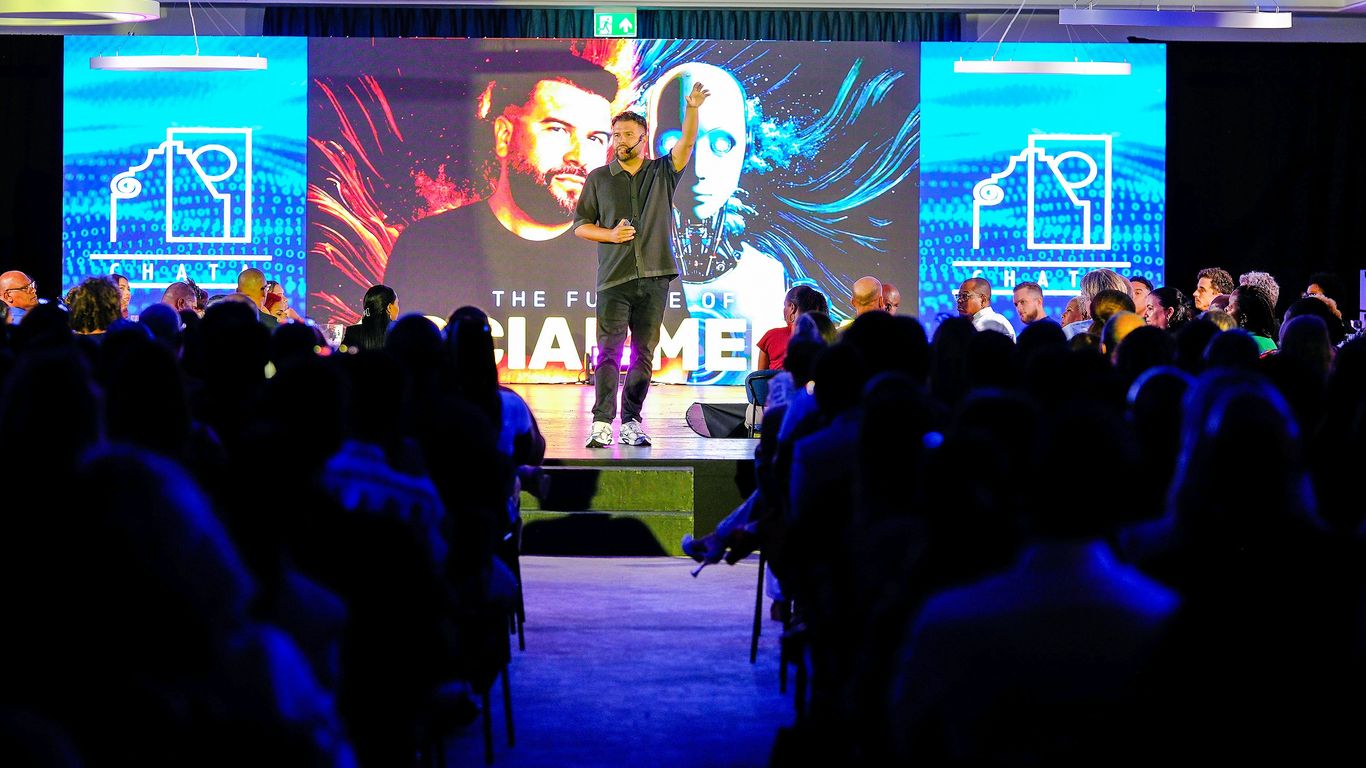
So, Super Bowl LX really showed us something, didn’t it? It wasn’t just about the touchdowns or the halftime show; it was about how ads are made now. We’re past the point of wondering if AI will be part of advertising. It’s here, and it’s not going anywhere. Think of it like the internet – remember when we used to talk about ‘internet marketing’ as a separate thing? Now, it’s just marketing. AI is heading down that same path. It’s becoming the invisible plumbing behind everything we see.
Consumer Perceptions and AI’s Growing Role
It’s a bit of a mixed bag out there with consumers. Some folks get a little weirded out when they know an ad was made by AI. They worry it’s going to be soulless or, I don’t know, creepy. But here’s the kicker: when people can’t tell if AI was involved, they usually don’t care. The ad either works, or it doesn’t. Quality is still king, no matter who or what made it. We saw ads during the Super Bowl that used AI for things like de-aging actors, and most viewers had no clue until they were told. It’s all about the final product.
The Inevitability of AI as Advertising Infrastructure
Let’s be real, the tech is just too good and too useful to ignore. Agencies have been quietly building their own AI systems for a couple of years now. These aren’t just experiments anymore; they’re the real deal, churning out work for actual clients. And the cost savings? Huge. What used to cost a small fortune can now be done for a fraction of that. This means brands are going to expect more, faster, and cheaper. It’s not really a choice for agencies anymore; it’s about staying in the game.
Here’s a quick look at how things are shifting:
- Production Speed: Campaigns that took weeks or months can now be turned around in days. This is a massive change.
- Creative Volume: Instead of testing a few ad ideas, companies can now explore hundreds, finding the best possible message.
- Cost Efficiency: Budgets are being re-evaluated because the cost of creating high-quality ads has dropped significantly.
Preparing for an AI-Empowered Advertising Landscape
So, what does this mean for everyone involved? For creative folks, the job is changing. It’s less about the grunt work of production and more about the big ideas, the strategy, and making sure the AI is pointed in the right direction. Think of it as being a director, not just an actor.
Agencies need to get on board, fast. If they haven’t already, they need to train their teams and integrate AI into their workflows. It’s not about replacing people, but about giving them better tools.
- Invest in Training: Your team needs to know how to work with AI. The best creative directors of tomorrow will be the ones who master AI prompting today.
- Build Smart Systems: Develop or license AI tools that give your agency an edge.
- Focus on Strategy: Human creativity, strategic thinking, and client relationships are still the secret sauce.
It’s a new era, and the Super Bowl just put a giant spotlight on it. The companies and people who adapt will be the ones leading the charge.
So, What’s Next?
Looking back at Super Bowl LX, it’s pretty clear that AI isn’t just some passing trend in advertising anymore. It’s here, and it’s changing things fast. We saw AI used in so many ads, not just by the tech companies themselves, but by regular brands too. This means agencies and marketers really need to get on board with these tools if they want to keep up. For us watching at home, it might mean ads get a bit more personalized, or maybe just more of them. The big takeaway? AI is becoming just another part of how ads are made, like digital cameras or editing software. The companies and people who figure out how to use it well, while still keeping that human touch, are the ones who will likely do the best in the years ahead.