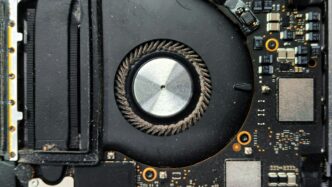
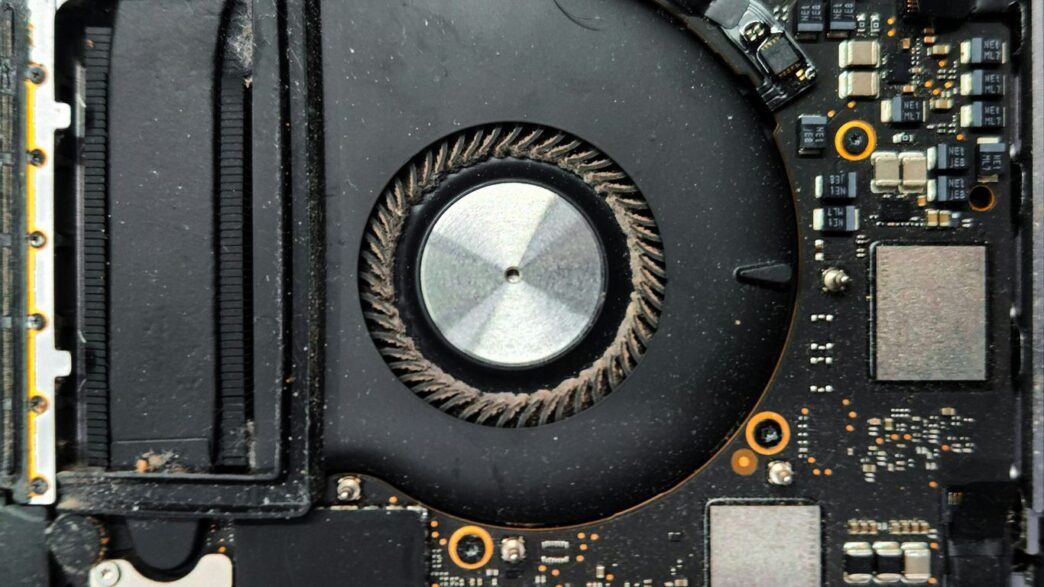
Ever wonder what makes your iPhone or iPad tick? It’s not just magic, though it sometimes feels like it. A big part of the story is Apple’s custom silicon, the apple a chips. These aren’t just any processors; they’re the brains behind the operation, designed specifically to make your devices run super smoothly. We’re going to take a peek behind the curtain to see how these chips evolved and what makes them so special. It’s a pretty interesting journey, from their early days to the powerful chips we have today.
Key Takeaways
- Apple’s chips, known as apple a chips, have a history starting from Motorola 68k, moving through PowerPC and Intel, before landing on their own Apple Silicon.
- Apple Silicon uses a System-on-a-Chip (SoC) design, packing many components onto one piece of hardware for better efficiency.
- Heterogeneous computing means different specialized parts of the chip handle different jobs, making things faster and more efficient.
- Unified Memory Architecture allows different parts of the chip to share data easily, speeding up operations.
- Apple focuses on specialized components and power efficiency rather than just more raw processing cores, which is a big part of why their chips perform so well.
The Evolution of Apple A Chips
Apple’s journey with processors is a story of constant change, a deliberate march through different architectures to stay ahead. It wasn’t always about the "A" series chips we know today, though. The path started way back when personal computers were just finding their feet.
The Motorola 68k Era
Back in 1984, when the Macintosh first arrived, it ran on a Motorola 68000 processor. This was a pretty big deal at the time. Think about it: the IBM PC was just starting to take over, and Apple needed something to stand out. The 68k was a 16-bit processor, a step up from the 8-bit chips in earlier machines. It was chosen because it was advanced for its day and could handle the graphical interface Apple was building. This chip was the foundation for Apple’s early computers, powering the machines that introduced many people to the idea of a personal computer with a screen and a mouse.
Transitioning to PowerPC
By the mid-1990s, things were changing fast. Apple needed more power, and the Motorola chips weren’t cutting it anymore. So, in 1994, Apple made a big switch to the PowerPC architecture. This was a collaboration between Apple, IBM, and Motorola. The PowerPC offered a significant performance boost and was based on RISC (Reduced Instruction Set Computing) principles, which were seen as the future. This move allowed Apple to create faster, more capable Macs, keeping them competitive in a market that was rapidly evolving. It was a complex transition, requiring software to be updated or recompiled, but it set the stage for more powerful machines.
The Intel x86 Chapter
Then came 2005. This was a shocker for many. Apple announced it was moving its entire Mac line to Intel’s x86 processors. Why? Intel’s chips were widely available, powerful, and offered a path to better performance and power efficiency that Apple needed. This transition was a massive undertaking. Apple used clever software tricks, like "Rosetta," to let older PowerPC applications run on the new Intel Macs. It took years to complete, but it ultimately allowed Apple to build thinner laptops and more powerful desktops, and it brought Macs closer to the mainstream PC world in terms of compatibility.
The Dawn of Apple Silicon
But Apple wasn’t done changing. In 2020, they started a new chapter: Apple Silicon. This marked Apple’s return to designing its own processors, this time based on ARM architecture, which they had already been using in iPhones and iPads for years. The goal was clear: to have complete control over their hardware and software, leading to better performance, incredible power efficiency, and unique features. The M1 chip was the first big step, showing that Apple could create chips that outperformed many competitors while using much less power. This move signaled a new era, where Apple’s devices would run on chips designed entirely in-house.
Understanding Apple Silicon Architecture
So, what makes these Apple A-series chips, and their bigger siblings in Macs, tick? It’s not just about cramming more cores in. Apple’s approach is pretty different, and it all starts with how they build the chip itself.
System-on-a-Chip Design
Think of a traditional computer. You’ve got a motherboard with separate pieces plugged in: the CPU, the graphics chip (GPU), memory (RAM), and other bits. Apple Silicon throws that idea out the window. A System-on-a-Chip, or SoC, is like a whole computer squeezed onto a single piece of silicon. This means the CPU, GPU, memory controllers, and all sorts of other specialized bits are all integrated together. This close proximity is a big deal for speed and efficiency, especially in devices where space is tight, like your iPhone or iPad.
Heterogeneous Computing Explained
Instead of just having a bunch of identical processing cores, Apple’s chips use what’s called heterogeneous computing. This means they have different types of cores, each designed for specific jobs. You’ll find high-performance cores for demanding tasks, and then super-efficient cores that sip power for background stuff or less intensive work. On top of that, there are dedicated pieces of silicon for things like graphics, video encoding, and even AI tasks (those are called Neural Engines). It’s like having a team of specialists rather than a general workforce – each does what it’s best at, making everything run smoother and use less energy.
Unified Memory Architecture
This is a pretty clever trick. In many systems, the CPU and the GPU have their own separate pools of memory. If the CPU needs to send data to the GPU, it has to copy it over, which takes time and energy. Apple’s Unified Memory Architecture (UMA) changes that. It means the CPU and GPU share the same pool of memory. This eliminates the need for data copying between them, leading to faster performance and better efficiency. Imagine if you and your colleague could both work on the same document simultaneously without having to email copies back and forth – that’s kind of what UMA does for the chip’s components.
Out-of-Order Execution
Processors usually work through instructions one by one, in the order they receive them. But sometimes, an instruction has to wait for something else to finish. Out-of-order execution is a technique where the processor can look ahead at the upcoming instructions and execute them in a different, more optimal order, as long as it doesn’t mess up the final result. If one instruction is stuck waiting, the processor can jump ahead and work on another one that’s ready. This keeps the processing units busy and helps speed things up, especially for complex tasks.
Key Innovations Driving Apple A Chip Performance
So, how does Apple manage to pack so much punch into these tiny chips? It’s not just about throwing more cores at the problem, though that’s part of it. Apple’s approach is more nuanced, focusing on smart design choices that really make a difference.
Specialization Over Raw Core Count
Instead of just cramming in a ton of identical processing cores, Apple’s A-series chips use what’s called "heterogeneous computing." Think of it like having a toolbox with specialized tools for different jobs, rather than just a bunch of hammers. You’ve got high-performance cores for demanding tasks, and then super-efficient cores that sip power for background stuff. This means the chip can pick the right tool for the job, saving energy and boosting speed when it counts.
- High-Performance Cores: These are the workhorses, designed to tackle demanding applications like video editing or gaming. They’re built for speed.
- High-Efficiency Cores: These handle everyday tasks, like checking email or browsing the web. They use way less power, which is great for battery life.
- Specialized Engines: Beyond the main CPU cores, Apple throws in dedicated hardware for things like image processing, AI tasks (neural engines), and video encoding/decoding. These components are custom-built to do their specific job incredibly fast, without bogging down the main processors.
Power Efficiency and Heat Management
This is a big one. Making chips that run fast is one thing, but making them run fast without overheating or draining your battery is another. Apple’s chips are designed from the ground up with power efficiency in mind. The use of ARM’s RISC architecture plays a huge role here, as these instructions are simpler and require less energy to process.
- Smart Power Gating: When certain parts of the chip aren’t needed, they’re essentially turned off to save power. It’s like turning off lights in a room you’re not using.
- Optimized Manufacturing: Apple works closely with its manufacturing partners to use the latest, most power-efficient fabrication processes. Smaller transistors mean less power consumption and less heat.
- Integrated Design: Because Apple designs the whole system, they can fine-tune how the CPU, GPU, and other components work together to minimize wasted energy.
The Role of RISC Architecture
Most of Apple’s custom chips are based on the ARM architecture, which is a type of RISC (Reduced Instruction Set Computing). Unlike older CISC (Complex Instruction Set Computing) architectures, RISC uses a smaller, simpler set of instructions. This might sound limiting, but it actually leads to several advantages:
- Simpler Instructions: Each instruction does less, but they can be executed much faster and with less power.
- Predictable Instruction Size: ARM instructions are typically a fixed size (like 4 bytes). This makes it easier and faster for the chip to decode and process them in sequence, without a lot of guesswork.
- Easier Parallelism: The simpler nature of RISC instructions makes it easier for the chip to handle multiple instructions at once, a technique called "out-of-order execution," which we’ll touch on next.
Physical Proximity of Components
This is a bit more technical, but it’s super important. On Apple’s System-on-a-Chip (SoC) designs, everything is packed incredibly close together. We’re talking about the CPU, GPU, memory, and all those specialized engines living on the same piece of silicon. Why does this matter?
- Shorter Travel Distances: Electrical signals have to travel less distance between components. Even at the speed of light, reducing these distances shaves off precious nanoseconds, which adds up significantly at the speeds these chips operate.
- Unified Memory: A key part of this is the Unified Memory Architecture. Instead of the CPU and GPU having their own separate memory pools that data has to be copied between (which is slow and uses power), they share a single pool. This means data is instantly accessible to whichever component needs it, dramatically speeding up tasks that involve both graphics and computation.
These innovations, working together, are what give Apple’s A-series chips their impressive performance and efficiency.
Apple’s Strategic Chip Design Philosophy
It’s pretty clear Apple doesn’t just build computers and phones; they build experiences. And a huge part of that is how they handle the brains of their devices – the chips. They’ve got this whole approach that’s really different from a lot of other tech companies, and it’s all about control and long-term thinking.
Acquisitions Fueling Chip Development
Apple didn’t just wake up one day and decide to make their own chips. They’ve been quietly buying up companies for years. Back in 2008, they picked up P.A. Semiconductor, a company that knew a thing or two about making powerful, low-power processors. Then, more recently, they snagged parts of Dialog Semiconductor. These weren’t just random purchases; they were strategic moves to bring in talent and technology that would help them build what they wanted, without having to rely on others.
Long-Term Vision in Hardware
This isn’t about next quarter’s profits. Apple thinks years, even decades, ahead. Remember when they switched from Motorola to PowerPC, and then to Intel? Each move was massive, but they planned it out. Now, with Apple Silicon, they’re building on decades of experience, especially from their iPhone chips. They saw the writing on the wall with Intel’s pace and decided to take matters into their own hands. This commitment to owning their hardware roadmap is a huge part of their success.
Tight Hardware-Software Integration
This is the big one, the secret sauce. Apple designs the chips and the software that runs on them. Think about it: when they make a new chip, they know exactly how iOS or macOS will use it. This means they can tweak the hardware to make the software run incredibly smoothly, and vice-versa. It’s like a chef designing the perfect ingredients for their signature dish. They can optimize everything, from how quickly an app launches to how long your battery lasts, because they control both sides of the equation.
The Impact of Custom Silicon
Because they design their own chips (custom silicon), Apple can do things others can’t. They can build in special features tailored for specific tasks, like their Neural Engine for AI stuff or the Secure Enclave for security. This means their devices often feel faster and more capable, even if on paper they might have fewer cores than a competitor. It’s not just about raw power; it’s about making that power work exactly how they want it to for the best user experience.
The Future of Apple A Chips
So, what’s next for Apple’s custom silicon? It’s pretty clear they aren’t slowing down anytime soon. They’ve built this whole ecosystem where their chips are designed to work perfectly with their software, and that’s a huge advantage.
Advancements in On-Device AI
Artificial intelligence is getting more and more important, and Apple is putting a lot of effort into making AI tasks happen right on your device, rather than relying on the cloud. This means things like photo processing, voice recognition, and even predictive text can get faster and more private. Think about it: your phone understanding what you want before you even finish typing, or your photos looking better instantly without sending data off somewhere. They’re likely going to pack even more specialized AI cores into future chips, making these smart features smoother and more capable.
Continued Optimization for iOS/OS
Apple’s real magic trick is how well their hardware and software play together. They design the chips, and they design the operating systems (like iOS and macOS). This allows them to fine-tune everything. Future A-series chips will probably be built with the next versions of iOS and macOS in mind from the very beginning. This means apps will run even faster, battery life will keep improving, and new software features will feel right at home on the hardware. It’s a cycle of improvement that’s hard for others to match.
Integration of New Technologies
Apple is always looking ahead. We might see future chips incorporating new types of memory for faster data access, or improved graphics processing for more realistic gaming and augmented reality experiences. They’ve also been investing in display technology and camera sensors, so it wouldn’t be surprising to see tighter integration of these components directly onto the main chip package. This focus on integrating more functions onto a single piece of silicon is key to making devices thinner, lighter, and more powerful.
Revolutionizing Mobile Computing
Honestly, Apple Silicon has already changed the game for laptops and desktops, and it’s only going to get more interesting. We’re talking about chips that can handle professional video editing on a tablet or run complex simulations on a phone. The trend is towards more powerful, more efficient devices that can do things we previously only associated with much larger computers. It’s exciting to think about what kind of apps and experiences will become possible when the hardware can keep up with even the wildest software ideas.
Wrapping It Up
So, we’ve taken a look at what makes Apple’s chips tick, from their early days to the powerful M-series we see today. It’s pretty wild how much goes into making your iPhone or Mac run so smoothly. They’ve really put a lot of thought into how the hardware and software work together. It’s not just about making things fast, but also about making them last longer on a single charge and feel just right in your hand. Next time you’re scrolling through photos or playing a game, give a little nod to the engineering that makes it all happen. It’s a complex world under the hood, but hopefully, this gave you a clearer picture of the brains behind your favorite Apple gadgets.
Frequently Asked Questions
What exactly are Apple A chips?
Apple A chips, also known as Apple Silicon, are the custom-designed processors Apple makes for its iPhones, iPads, and Macs. Think of them as the brains of your device, handling all the tasks and making everything run smoothly.
Why did Apple start making its own chips?
Apple began designing its own chips to have more control over how its devices perform. This allows them to create chips that work perfectly with their software, leading to better speed, longer battery life, and unique features that other phones or computers might not have.
What is a System-on-a-Chip (SoC)?
A System-on-a-Chip, or SoC, is like a tiny computer on a single piece of silicon. Instead of having separate parts for the main processor, graphics, and other functions, an SoC combines them all into one compact unit. This makes devices smaller and more efficient.
How do Apple A chips improve battery life?
Apple A chips are designed to be very power-efficient. They use a special type of design called RISC and focus on using just enough power for each task. This means your device can do a lot without draining the battery too quickly.
What does ‘Unified Memory Architecture’ mean for Apple Silicon?
Unified Memory Architecture means that all parts of the chip, like the processor and graphics parts, can share the same memory. This is super fast because data doesn’t need to be copied around as much, making tasks complete quicker and saving energy.
Will Apple A chips get even better in the future?
Absolutely! Apple is always working on making their chips more powerful and smarter, especially for things like artificial intelligence (AI) and new technologies like augmented reality. They also keep making the software work even better with the hardware, so expect your future Apple devices to be even more amazing.