What should a carpet cleaning service inspect first?
A carpet cleaning service should begin with an in-person inspection of the carpet’s fiber, construction, condition, and problem areas. That assessment helps determine a suitable cleaning approach and separates routine cleaning from work that may require repair or restoration.
Ask the technician to identify worn sections, discoloration, loose seams, damaged backing, and areas affected by prior treatments. Point out stains and odors, then explain their source and age as accurately as possible. Pet accidents, spills, moisture exposure, and repeated DIY treatments can affect both the cleaning plan and the expected result.
Before accepting a quote, confirm what the price includes. Ask specifically about furniture moving, stairs, closets, spot treatment, deodorizing, protective treatments, and any access or parking limitations. A landlord or property manager should also disclose vacancies, tenant belongings, and known moisture problems.
Require a written scope of work that describes the rooms and services covered, the estimated price, drying expectations, and any exclusions. It should distinguish likely cleaning results from restoration or repair. No reputable estimate should imply that every permanent stain, odor, or damaged area will disappear through cleaning alone.
Which cleaning method fits the carpet?
The right method depends on the carpet’s fiber, construction, condition, and the problem being treated. Ask the company to recommend hot-water extraction, low-moisture cleaning, or another system and explain why it fits your carpet rather than presenting one method as universally superior.
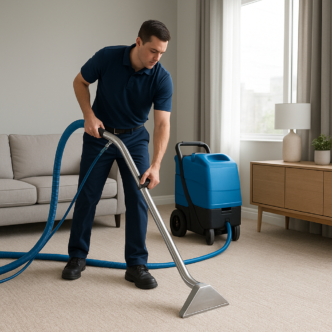
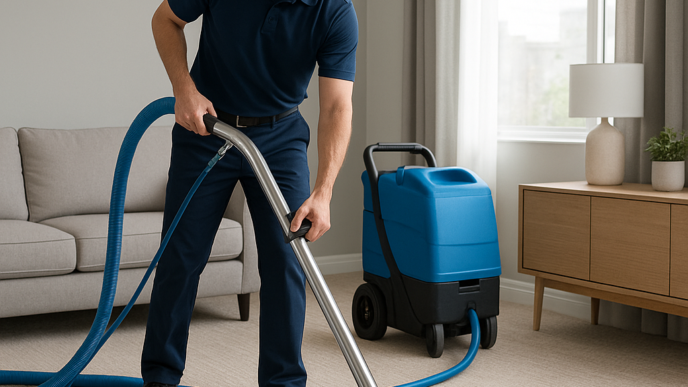
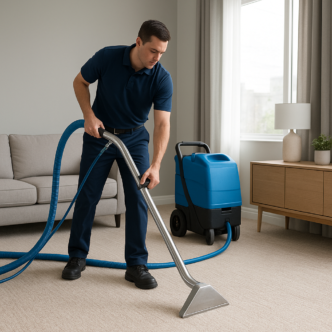
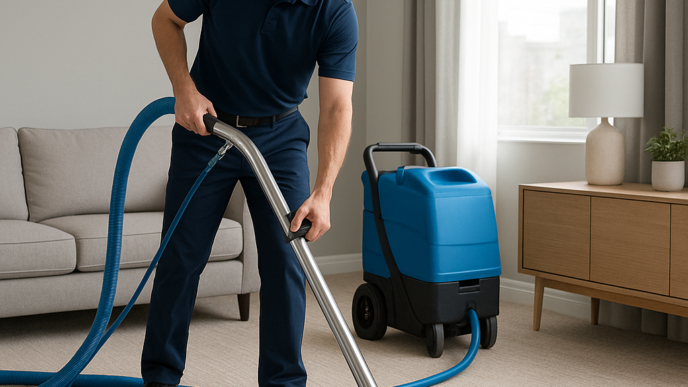
Hot-water extraction typically applies a cleaning solution, agitates the carpet, and removes soil and moisture with powerful extraction equipment. It can provide a deeper rinse, but drying may take longer if ventilation is limited or the carpet receives heavy water application. Low-moisture methods generally use less water and may reduce drying time, which can help in occupied homes or businesses. However, the result depends on the equipment, products, technician, and amount of embedded soil.
Ask what products will be applied, how much water the process uses, whether residue is extracted, and what ventilation or airflow is recommended afterward. Confirm the expected drying time and what occupants should avoid during that period.
The IICRC’s professional guidance addresses carpet characteristics, cleaning methods, stain removal, safety, and pre- and post-cleaning inspections, according to the IICRC. The EPA says it has not issued a universal recommendation for how often carpets should be cleaned, so follow the manufacturer’s care instructions and the carpet’s actual condition (EPA). Claims of instant drying, universal stain removal, or one best method deserve specific explanations.
What should a Salt Lake City quote include?
A useful carpet-cleaning quote should show the complete expected price and the conditions that could change it. Do not compare companies by a low advertised room rate until you know what the rate covers.
Ask whether the estimate is based on measured square footage, individual rooms, stairs, hallways, or a whole-home package. It should also identify furniture-moving charges, minimum service fees, travel charges, and added costs for difficult access, tight parking, or multiple floors. For commercial spaces, confirm whether the quote covers open areas, offices, entryways, and after-hours scheduling.
Readers can review carpet cleaning salt lake city service information before requesting an estimate, then use the same questions with each provider. Ask which services cost extra, including pet-odor treatment, difficult stain removal, deodorizer, carpet protection, and heavily soiled-area surcharges. A technician should explain whether these treatments are recommended or optional.
Finally, ask whether the quote is binding, how long it remains valid, and what findings could raise the final price. Confirm whether the technician will inspect the carpet before starting and whether payment is due before or after that inspection. Get any promised follow-up, spot-treatment policy, and cancellation terms in writing.
How can you limit health and property risks?
Limit health and property risks by discussing products, moisture, occupants, and existing damage before cleaning begins. Ask the provider to explain what will be applied, where it will be used, and what precautions your household or business should follow.
Request the product names, intended uses, label directions, ventilation requirements, and warnings for children, pets, and chemically sensitive occupants. Do not assume that an antimicrobial or deodorizing treatment is suitable for every carpet, upholstery fabric, or odor source. Ask whether the treatment is optional and what problem it is expected to address.
Moisture control also deserves specific answers. Discuss the cleaning method, expected drying time, air movement, and whether you should increase ventilation, keep people off the carpet, or move furniture during drying. Clarify how the provider handles areas that remain damp longer than expected.
Before work starts, photograph stains, worn areas, loose seams, color changes, water damage, and other pre-existing conditions. Ask how the company addresses color bleeding, browning, shrinkage, wick-back, or an odor that remains after cleaning. Written notes on the inspection and agreed scope can help distinguish pre-existing conditions from damage or results associated with the service.
When should you hire a professional cleaner?
Hire a professional cleaner when routine vacuuming and prompt spot treatment no longer control the carpet’s condition. The right timing depends on the carpet’s manufacturer care instructions, fiber, use, and visible or recurring problems, not on a universal cleaning schedule.
Professional service may be appropriate for recurring traffic soil, persistent odors, large stained areas, pet or moisture concerns, rental turnover, move-out preparation, or scheduled commercial maintenance. Before booking, describe the affected areas and any previous products or cleaning attempts. The provider should explain the expected result, drying time, and limits of the service.
Ask what happens if a spot returns after the carpet dries. Clarify whether a follow-up visit is included, whether additional charges apply, and how quickly you must report a concern. Keep the inspection notes, invoice, product information, and aftercare instructions with your household or property records. That documentation can guide future cleaning decisions and help the next provider understand prior treatments, recurring stains, sensitive occupants, or areas that need special care.