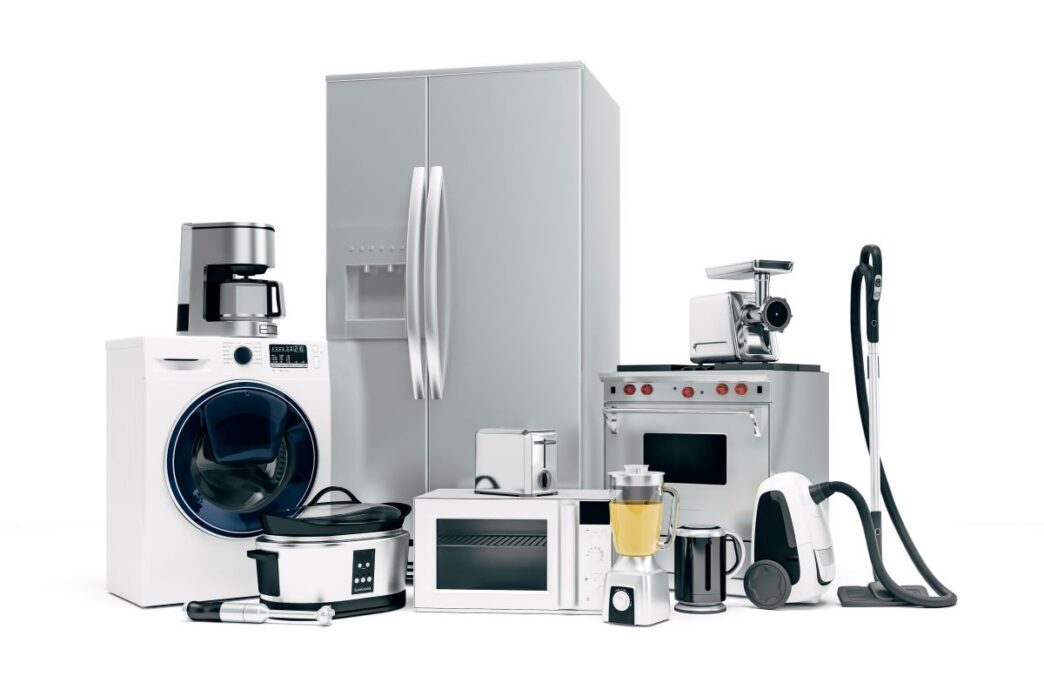
Buying a new appliance can be a significant decision. A washing machine, fridge or dishwasher needs to suit your household, fit the available space and handle regular use. For shoppers looking to balance quality and value, a seconds factory outlet can offer another way to compare appliances.
Factory seconds can include products with cosmetic marks, packaging damage, returned items or minor imperfections. The exact meaning varies by retailer, so it is useful to ask what “seconds” means for each appliance and what support is included with the purchase.
With a little preparation, you can assess the condition, check the practical details and decide whether a particular appliance is right for your home.
What Does “Factory Seconds” Mean?
“Factory seconds” is a broad label for products that may not meet a manufacturer’s usual standards for sale as brand-new stock. This does not automatically mean that an appliance is faulty. In some cases, the product may have a small dent or scratch, while in others the packaging may have been damaged during transport.
A seconds appliance may also be a customer return, an ex-display model or a unit that has undergone inspection or repair. Retailers do not all use the term in the same way. Before choosing a product, ask the seller to explain its history and condition.
That explanation can help you distinguish between cosmetic wear and functional concerns. A mark on the side of a washing machine may not affect performance, but a problem with the door, controls or water connections deserves closer attention.
Why Shoppers Consider a Seconds Factory Outlet
A seconds factory outlet can give shoppers access to appliances that may be offered at a lower price than equivalent new stock. This can be useful when replacing an appliance unexpectedly or furnishing a home on a set budget.
The range may also include different brands, capacities and product types in one place. Rather than limiting your search to a single model, you can compare several options and decide which features matter most.
However, value depends on the individual appliance, not only on the discount. A lower purchase cost may be less appealing if the product is unsuitable for your space, difficult to install or covered by limited after-sales support. Look at the appliance as a whole package: its condition, features, warranty, delivery arrangements and return terms.
Start With Your Household’s Needs
Before visiting a store or browsing available stock, make a short list of what your household needs. Consider how many people will use the appliance, how often it will run and which functions are genuinely useful.
For example, a larger household may need a washing machine with enough capacity to handle frequent loads. A couple in a compact apartment might prefer a smaller model that uses less floor space. Someone with limited mobility may value controls that are easy to reach and read.
Think about your typical routine. Do you wash bulky bedding at home? Are quick cycles important? Do you need a machine that can fit under a benchtop? Answering these questions first can make it easier to compare products without getting distracted by features you are unlikely to use.
Measure the Space Before You Shop
One of the simplest ways to avoid an unsuitable purchase is to measure the installation area before choosing an appliance. Record the width, height and depth of the space, and check whether there is room for the door or lid to open fully.
For a washing machine, allow for the hoses, power connection and movement needed during operation. A machine that fits neatly between cabinets may still be difficult to install if the water taps or drain are positioned behind it.
Also consider how the appliance will reach its final location. Measure doorways, hallways, stairs and any tight corners along the delivery route. If you are replacing an existing machine, do not assume that the new model will have identical dimensions.
How to Assess a Washing Machine
A washing machine is a practical household purchase, so check both its visible condition and its main functions. If you are considering a factory seconds washing machine, ask whether it is new, ex-display, repaired or previously used. Request a clear explanation of any marks, faults or repairs noted by the retailer.
Inspect the exterior for dents, scratches and loose panels. Check the door or lid for smooth operation and look closely at the seal for damage. Examine the control panel and buttons, and ask whether the machine has been tested through a cycle.
The drum should turn smoothly by hand, without unusual resistance or scraping. Look inside for signs of residue, rust or water staining. If the retailer permits it, ask whether a basic operational test can be demonstrated.
Confirm what comes with the machine. Hoses, brackets and other accessories may or may not be included, particularly with ex-display units or returns. Knowing this before delivery gives you time to arrange anything needed for installation.
Compare Capacity and Cycle Options
Washing machine capacity is usually stated in kilograms and refers to the weight of dry laundry the machine can handle in a load. A larger capacity can help with bulky items, but it is not automatically the best choice for every home. A machine that is too large for your usual loads may take up extra space without providing much benefit.
Compare the available cycles with your regular washing needs. Common options may include settings for delicate fabrics, mixed loads, bedding or shorter washes. Some machines offer additional features such as a delay start or a high spin speed.
Focus on functions you are likely to use and understand. A long list of cycles can look appealing, but straightforward controls and reliable performance may matter more in everyday use.
Check the Energy and Water Information
Washing machines can differ in the amount of energy and water they use. Where available, compare the energy rating and water information for the specific model. These details can help you understand how the appliance may affect household running costs over time.
Consider your typical laundry habits as well. A highly rated machine may still use more resources if it is routinely run with small loads or on unsuitable settings. Choose a capacity that fits your household and use the cycles recommended for each type of laundry.
If the appliance is a seconds product, confirm that the rating label or product information matches the model being sold. Do not rely only on a display card if it is unclear whether it belongs to the exact unit.
Ask About Testing and Repairs
Ask what checks the retailer has completed before offering the appliance for sale. The answer may include a visual inspection, an electrical test, a functional cycle or a repair. If any repair work has been done, ask what was replaced and whether documentation is available.
A clear explanation can help you judge how much confidence to place in the product. If the seller cannot explain the appliance’s condition or history, take time to consider whether you are comfortable proceeding.
For repaired products, ask whether the repair affects the warranty or support terms. It is also sensible to confirm who to contact if a problem appears after installation.
Understand the Warranty and Return Terms
Warranty and return arrangements can differ between products, especially when an appliance is sold as seconds, refurbished or ex-display stock. Ask for the terms in writing and read them before paying.
Check what the warranty covers, how long it lasts and whether labour, parts or service visits are included. Find out how to report a fault and whether the retailer or manufacturer handles the claim.
Also ask about the return policy. Some retailers may allow returns only for specific reasons, while others may have a short inspection period. Clarify how the policy applies to cosmetic marks that were disclosed before purchase and problems that arise after delivery.
Keeping the receipt, product description and written condition notes can make it easier to refer back to the original agreement if needed.
Consider Delivery and Installation
An appliance purchase does not end at the checkout. Delivery and installation can affect the overall experience, so ask what services are available and what they include.
Confirm whether delivery includes carrying the machine inside, positioning it in the laundry and removing packaging. Ask whether the old appliance can be taken away and whether there are extra requirements for stairs, narrow access or difficult parking.
Before installation, check that the laundry has suitable water connections, drainage and an accessible power point. If you are unsure about the setup, arrange help from a qualified installer. Correct installation is important for safe operation and can reduce problems such as leaks, excess vibration or poor drainage.
After delivery, inspect the appliance promptly. If you notice damage or a condition that differs from what you were told, contact the retailer and follow its stated process.
Look Beyond the Exterior
Cosmetic marks are often the most visible difference between seconds stock and standard retail stock, but they are only one part of the decision. A dent on a side panel may be unimportant if it will face a wall. A damaged door seal or loose control panel could be more relevant to everyday use.
Consider where each mark is located and whether it affects access, cleaning or operation. Ask the retailer to identify cosmetic imperfections rather than relying on a quick glance under store lighting. Photographs or written notes can help you remember the condition of different models when comparing several options.
It can also be useful to inspect the appliance from different angles. Check the rear, interior and lower edges where possible, while following the retailer’s safety instructions.
Compare the Total Cost
The displayed price is only one part of the total cost. Include delivery, installation, connection parts and removal of your old appliance when comparing options. You may also need to buy hoses or other accessories if they are not included.
Consider how long you expect the appliance to last and whether its capacity and functions suit your needs. A lower initial cost may be worthwhile when the product has a clear condition report and suitable warranty. If the appliance has unknown history or limited support, the saving may not justify the uncertainty for your household.
The goal is to compare the full offer, not simply choose the lowest figure on the label.
Questions to Ask Before Buying
A few direct questions can make a seconds appliance purchase clearer:
- What does “seconds” mean for this particular unit?
- Is it new, ex-display, refurbished or previously used?
- What cosmetic marks or functional issues should I know about?
- Has the appliance been tested, and what testing was completed?
- Have any parts been repaired or replaced?
- What warranty and return terms apply?
- Are delivery, installation and old-appliance removal available?
- Which accessories are included?
- Can I confirm the model number and product specifications?
The answers should help you compare the appliance with other options and decide whether it meets your expectations.
Avoid Common Shopping Mistakes
A common mistake is choosing an appliance based on appearance alone. A polished exterior does not tell you whether the capacity, installation requirements or warranty are suitable. Take time to check the model details and the condition of the actual unit.
Another mistake is assuming every factory seconds item has the same history. One appliance may have packaging damage, while another may have been repaired or returned. Ask about the specific product you are considering.
It is also easy to overlook measurements, delivery access and installation requirements. Confirm these details before arranging delivery, particularly if the appliance needs to pass through narrow spaces or be carried up stairs.
Finally, do not rush through the paperwork. Understand the warranty, return conditions and disclosed imperfections before completing the purchase.
Making a Confident Choice
Shopping at a seconds factory outlet can be a practical way to compare appliances and find an option that suits your budget. The key is to ask clear questions, inspect the individual unit and consider its condition alongside its features and support arrangements.
If you are choosing a factory seconds washing machine, pay particular attention to the drum, door seal, controls, testing history and installation requirements. Make sure the capacity suits your household and that the warranty terms are clear.
A careful comparison helps you decide whether the appliance offers good value for your needs. When the condition is understood, the specifications are suitable and the after-sales terms are acceptable, a seconds appliance can be a sensible addition to the home.