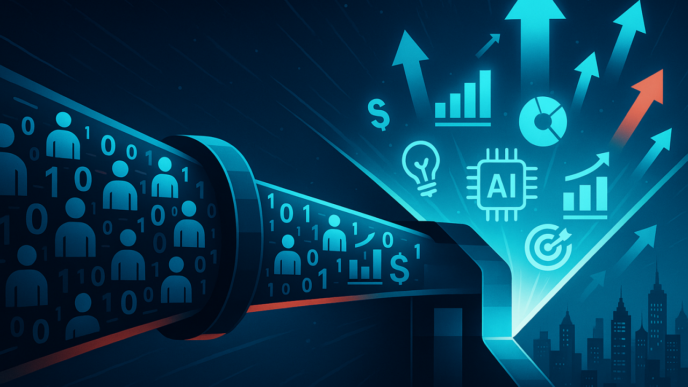

It’s 2026, and the digital world keeps changing. We’ve seen how quickly things can shift, especially with new tech like AI popping up everywhere. This means cyber threats are also changing, and what worked yesterday might not work today. This article looks at what happened after a recent cyberattack and what we can learn from it to stay safer.
Key Takeaways
- Understand the full damage from a recent cyberattack, including data loss, money lost, and how it hurt your company’s name.
- Act fast after a recent cyberattack: stop the problem from spreading, tell the right people, and get experts to help.
- AI is making cyberattacks stronger and faster, and the internet is less forgiving than it used to be.
- Get systems back online using clean backups and put better security in place to stop future problems.
- Get ready for the next time by updating security rules, training everyone, and always watching for new threats after a recent cyberattack.
Understanding the Scope of the Recent Cyberattack
Okay, so the big cyberattack happened. It’s easy to just panic, but the first thing we really need to do is figure out just how bad it is. This isn’t just about knowing if your email was swiped; it’s about the whole picture. We need to get a clear view of what exactly was affected and how deeply.
Assessing Data Breach Impact
This is probably the most talked-about part. What kind of information did they get their hands on? We’re talking about customer details, employee records, maybe even company secrets. It’s not just about names and addresses; it could be financial data, health information, or anything else that’s private. Knowing this helps us understand who might be at risk and what they could do with it. This is a big deal for everyone involved, and understanding the specifics is key to figuring out the next steps. You can find monthly breakdowns of these kinds of incidents in 2026 data breaches.
Evaluating Financial Repercussions
Beyond the data itself, there’s the money side of things. How much is this going to cost us? There are the obvious costs, like hiring experts to fix things and maybe paying for legal advice. But then there are the less obvious ones, like lost business because systems were down, or potential fines if regulations were broken. It’s a complex calculation, and sometimes the real cost isn’t clear for a while.
Analyzing Reputational Damage
This one’s tricky. When people hear about a breach, they lose trust. It can make customers think twice about doing business with us, and it can affect how partners and investors see us. Rebuilding that trust takes time and a lot of effort. It’s not just about saying ‘sorry’; it’s about showing we’re taking this seriously and fixing the problems.
Identifying Operational Disruptions
Think about all the day-to-day things that stopped working. Were our main systems offline? Did employees have trouble doing their jobs? This kind of disruption can really slow things down and impact productivity. Sometimes, it’s not just a temporary glitch; it can change how we operate for a while as we get everything back to normal. We need to list out:
- Which systems were down?
- How long were they down for?
- What was the impact on our ability to serve customers?
- Were there any effects on our supply chain or partners?
Immediate Actions Following a Recent Cyberattack

Okay, so the worst has happened. Your systems have been hit. It’s a gut punch, for sure, but panicking won’t help. What you need to do right now is act fast and smart. Think of it like putting out a fire – you don’t just stand there; you grab the extinguisher.
Containing the Breach Effectively
First things first: stop the bleeding. You need to isolate whatever’s been compromised. This means disconnecting affected computers or servers from the rest of your network. If a machine is acting weird, pull its network cable. Don’t let the attacker move around your systems like they own the place. It’s about limiting the damage before it spreads further. This initial containment is probably the single most important step you can take right after an attack.
Notifying Relevant Authorities and Insurers
Once you’ve got a handle on the immediate spread, it’s time to make some calls. If you have cyber insurance, contact your broker right away. They can guide you on what your policy covers and what steps you need to take. Don’t assume they’ll find out on their own. Also, depending on what happened and where you operate, you might need to inform law enforcement or regulatory bodies. It’s a good idea to have a list of who to call ready before something happens, but if you don’t, make one now.
Engaging Cybersecurity Incident Response Teams
Unless you have a dedicated cybersecurity team on staff who are absolute pros at this, you’ll want to bring in outside help. These incident response teams are like the firefighters and detectives rolled into one. They know how to track down what happened, figure out how deep the problem goes, and start cleaning things up. They’ve seen this stuff before, and their experience can save you a lot of headaches and potentially a lot of money.
Preserving Crucial Evidence
This might sound a bit technical, but it’s really important. Whatever happened, you need to preserve the digital evidence. This means not wiping systems clean right away or overwriting logs. The incident response team will need this information to figure out the ‘who, what, when, and how’ of the attack. It’s also vital if you end up needing to pursue legal action or make an insurance claim. Think of it like collecting clues at a crime scene; you don’t want to mess them up.
The Evolving Threat Landscape: AI and Interconnectedness
It feels like just yesterday we were talking about basic firewalls and antivirus software. Now, things are moving at a speed that’s frankly a little dizzying. Two big things are really changing the game: Artificial Intelligence (AI) and how everything is connected.
AI as an Adversarial Force Multiplier
Think of AI not just as a tool for good, but as something attackers are grabbing onto with both hands. They’re using it to make their attacks way more efficient. Instead of spending hours trying to find a weakness, AI can do it in minutes. This means they can probe, find, and exploit vulnerabilities much faster than before. This speed difference is a major reason why the internet feels less forgiving than it used to. It’s like they’ve got a supercharger for their hacking efforts, and we’re still figuring out how to build better brakes.
- Automated Reconnaissance: AI can scan vast networks for weak points far quicker than humans.
- Exploit Development: AI tools can help craft custom exploits for specific vulnerabilities.
- Phishing and Social Engineering: AI can generate highly convincing fake communications at scale.
This shift means that the gap between a system being vulnerable and it actually getting hacked is shrinking rapidly. We’re seeing AI being used for things like autonomous intrusions, where a single operator can hit many targets with minimal human oversight. It’s a big change from how things were done even a year or two ago.
The Collapse of the Forgiving Internet
Remember when you could sometimes get away with a minor security slip-up? Those days are fading. The internet used to have a kind of built-in buffer – attackers didn’t always have the capacity to exploit every single vulnerability they found. But AI is changing that equation. Now, with automated tools, attackers can exploit weaknesses almost as soon as they’re discovered, or even before we know they exist. This means that being vulnerable and being compromised are becoming almost the same thing. It’s a tough pill to swallow, but the days of the ‘forgiving internet’ are pretty much over. We need to adjust our expectations and our defenses accordingly. This is especially true when it comes to how we manage user access, as identity-centric attacks are becoming the main way adversaries get in.
Exploiting Interconnected Services and Identity Providers
Everything is linked these days, right? Your email, your cloud storage, your social media, even your smart home devices. This interconnectedness is super convenient, but it also creates a massive attack surface. A weakness in one service can become a gateway to many others. Attackers are getting really good at finding these links. They’re targeting identity providers – the systems that manage who you are and what you can access – because if they can compromise one of those, they can often gain access to a whole ecosystem of connected services. It’s like finding the master key to a whole building instead of just picking one door. This makes securing individual services not enough; we have to think about the entire web of connections.
Restoration and Recovery Strategies Post-Attack
Okay, so the dust has settled a bit after the cyberattack, and now it’s time to actually get things back to normal. This isn’t just about flipping a switch; it’s a careful process to make sure we’re not just patching things up, but rebuilding stronger.
Restoring Systems and Data from Secure Backups
First things first, we need to get our systems and data back online. The absolute best way to do this is by using backups. But here’s the catch: we can’t just blindly restore everything. We have to be super careful that the backups themselves aren’t infected or compromised. Think of it like getting a new set of keys – you want to make sure they actually work and aren’t copies of the ones the bad guys used. We’ll be running checks to make sure everything we pull from the backups is clean before we put it back into service. It’s a bit like checking your groceries for freshness before you put them away.
Implementing Enhanced Data Protection Measures
Once we’ve got our systems back, we can’t just go back to our old ways. That would be asking for trouble. We need to put some extra layers of protection on our data. This could mean things like making sure sensitive information is encrypted even when it’s just sitting there, not just when it’s being sent around. We might also look at stricter access controls, so fewer people can get to the really important stuff. It’s about making it much harder for anyone to get their hands on our data again, even if they manage to sneak past the front door.
Prioritizing Critical System Restoration
Not all systems are created equal, right? Some are the heart of the operation, while others are more like the appendix – important, but maybe not life-or-death if they’re down for a bit. So, during recovery, we’ve got to figure out what absolutely has to come back online first. This usually means the systems that keep the business running, like customer databases, payment processing, or core production lines. We’ll likely have a list, and we’ll tackle them in order of importance. It’s a bit like deciding which room to fix up first after a flood – you start with the kitchen and bathroom before you worry about the guest room.
Strengthening Defenses After a Recent Cyberattack
Okay, so the dust has settled a bit after that cyberattack, and now it’s time to really buckle down and make sure this kind of thing doesn’t happen again. It’s not just about fixing what broke; it’s about building a stronger wall for the future. We need to look at our security policies, get everyone on the same page with training, and keep a really close eye on what’s happening in our systems.
Reviewing and Updating Security Policies
First things first, we’ve got to go back and look at the rulebook. Were our old security policies good enough? Probably not, if we got hit. We need to figure out where the weak spots were. This means digging into how the attackers got in and what rules they might have bent or broken. Then, we update those policies. It’s not just about adding more rules, but making sure the ones we have actually make sense and cover the new threats we’re seeing.
- Identify gaps: What did our old policies miss?
- Update protocols: Make sure they align with current threats.
- Communicate changes: Everyone needs to know the new rules.
Enhancing Employee Cybersecurity Training
Let’s be honest, a lot of security relies on the people using the systems. If employees aren’t careful, even the best tech can be bypassed. We need to ramp up the training. This isn’t just a one-and-done thing anymore. People need to know what to look out for – phishing emails, suspicious links, weird requests. Making sure every employee understands their role in security is probably the most important step we can take. We should probably do regular check-ins and maybe even some practice drills to keep everyone sharp.
Implementing Continuous Monitoring and Threat Detection
We can’t just set and forget our security. The bad guys are always changing their tactics. We need systems that are constantly watching for anything unusual. This means having the right tools in place to spot suspicious activity as it happens, not days or weeks later. Think of it like having security cameras that actually alert you when someone’s trying to break in, instead of just recording it for later. This constant watch helps us catch problems early, before they turn into a full-blown disaster like the one we just went through.
Long-Term Resilience and Future Preparedness
Okay, so the dust has settled a bit after the recent cyberattack. We’ve patched things up, hopefully. But this isn’t the time to just relax and forget about it. We need to get serious about making sure this kind of thing doesn’t happen again, or at least, that we can handle it way better next time. Think of it like this: you wouldn’t just fix a leaky roof and then ignore the storm clouds, right?
Developing Robust Incident Response Plans
This is where we really need to buckle down. Having a plan is one thing, but having a good plan that everyone actually knows and can follow when things go sideways is another. We need to map out exactly who does what, when, and how. This isn’t just for the IT folks; everyone needs to know their role, even if it’s just knowing who to report suspicious activity to.
- Define clear roles and responsibilities: Who’s in charge of what during an incident? Make sure there’s no confusion.
- Establish communication channels: How will teams talk to each other? What about talking to customers or the public? We need backup methods if our main systems are down.
- Practice makes perfect: We should be running drills, like tabletop exercises, to test the plan. It sounds a bit silly, but it really helps iron out the kinks before a real emergency.
Conducting Post-Incident Analysis for Improvement
After the smoke clears, we absolutely have to sit down and figure out what went wrong and what went right. It’s easy to point fingers, but that’s not helpful. We need to look at the facts.
- Timeline reconstruction: What happened, and when? This helps us see the sequence of events.
- Root cause identification: Why did this attack succeed? Was it a technical flaw, a human error, or something else?
- Lessons learned: What did we learn from this? How can we change our procedures or tools based on this experience?
This analysis is the bedrock for building a stronger defense.
Adapting to New Attack Vectors and Tactics
The bad guys aren’t standing still, and neither can we. They’re always coming up with new tricks, especially with AI getting smarter and everything being so connected these days. We need to stay ahead of the curve.
- Continuous threat intelligence: Keep an eye on what attackers are doing out there. What new malware is popping up? What vulnerabilities are they exploiting?
- Regular security audits: Don’t just do them once a year. More frequent checks can catch problems early.
- Invest in adaptable technology: Look for tools that can learn and change, not just static defenses. AI is a double-edged sword here; it can help us, but attackers are using it too.
Moving Forward After the Attack
So, what’s the takeaway from all this? It’s pretty clear that the days of the internet being a forgiving place are over. With AI making attacks faster and more automated, and attackers getting smarter about how they operate – sometimes skipping the ransom notes altogether – we can’t just hope for the best anymore. Recovering from an attack is tough, no doubt about it, involving figuring out what data was lost, the money involved, and the hit to your reputation. But it’s not impossible. The key is to have a solid plan in place before something happens, and then to learn from it. We need to keep our defenses up, train our people, and stay aware because these threats aren’t going away. It’s about being ready, not just reacting.
Frequently Asked Questions
What exactly happened in the recent cyberattack?
The recent cyberattack was a widespread digital break-in that affected many systems and potentially stole information. It’s like someone breaking into a building and taking things or messing with the equipment inside. The exact details of what was taken or damaged are still being figured out.
How can we tell if our information was stolen?
If your personal or company information was part of the attack, you might get a direct message, or you might notice strange activity with your accounts. Companies affected often send out notices to let people know if their data was exposed.
What should I do right after a cyberattack happens?
The first thing is to stop the problem from getting worse. This means isolating the affected computers or systems. Then, it’s important to tell the right people, like your IT team, boss, or insurance company, and make sure to save any clues that could help figure out how the attack happened.
How is Artificial Intelligence (AI) making cyberattacks worse?
Think of AI as a super-smart tool. Hackers can use AI to find weaknesses much faster and create more convincing fake messages to trick people. It’s like giving bad guys a powerful new weapon that can work at lightning speed.
How do companies fix things after an attack?
Companies need to bring their systems back online safely. This usually means using clean copies of their data (backups) and putting stronger security rules in place. They also have to figure out what went wrong and make sure it doesn’t happen again.
What’s the best way to avoid future attacks?
It’s all about being prepared. Companies need to have clear plans for what to do if an attack happens again, teach their employees about online safety, and constantly watch for any unusual activity on their computer networks. Staying alert and learning from mistakes is key.