Farming is changing, and a lot of that has to do with science. We’re not just talking about new tractors here. Biotechnology in agriculture is making a big splash, offering ways to grow more food, make it healthier, and do it all without messing up the planet. Think about crops that can fight off bugs on their own, or rice that has more vitamins. It sounds like science fiction, but it’s happening now, and it’s pretty important for feeding everyone and dealing with a changing climate.
Key Takeaways
- Biotechnology in agriculture uses science to make crops better – stronger, healthier, and more productive.
- Tools like genetic engineering and gene editing are helping create plants that resist pests and diseases.
- This science helps farms use fewer chemicals and use water more wisely, which is good for the environment.
- Biotech is key to making sure we have enough nutritious food for everyone, even with a growing population and tough weather.
- New ideas like using helpful microbes and digital tools are pushing agricultural biotechnology forward, making farming smarter and more sustainable.
Revolutionizing Crop Improvement Through Biotechnology
Farming has come a long way, and a big part of that is thanks to biotechnology. It’s not just about making plants grow faster; it’s about making them better suited for the challenges we face today. Think about it – we need crops that can handle tough weather, resist diseases, and even offer more nutrition. Biotechnology is giving us the tools to do just that, moving beyond what traditional breeding could achieve.
Genetic Engineering for Enhanced Traits
This is where we get specific. Genetic engineering lets scientists introduce particular genes into a plant to give it new, helpful characteristics. We’re talking about crops that can naturally fend off pests, meaning farmers use fewer sprays. Or plants that can tolerate certain herbicides, making weed control simpler. It’s a precise way to build in advantages that used to take many years, if they were possible at all, through cross-breeding.
Precision Genome Editing with CRISPR
CRISPR technology is a game-changer. It’s like having a super-accurate pair of molecular scissors that can edit a plant’s own DNA. Unlike older methods, it doesn’t necessarily add foreign genes. This means we can make very specific tweaks to a plant’s genetic code to improve things like drought tolerance or nutrient uptake. It’s faster, more precise, and often sidesteps some of the concerns people have about genetically modified organisms.
Developing Pest and Disease Resistant Varieties
One of the biggest wins for farmers and consumers is creating crops that are naturally resistant to common problems. For instance, some corn varieties are engineered to produce a protein that’s toxic to certain insects, like the European corn borer. This drastically cuts down on the need for chemical insecticides. Similarly, research is ongoing to develop plants that can fight off fungal diseases or viruses, leading to healthier crops and more reliable harvests.
Biotechnology’s Role in Sustainable Agriculture
Reducing Chemical Dependency in Farming
Farming has relied on chemicals for a long time to keep pests away and help crops grow. But, biotechnology is changing that. We’re seeing crops engineered to fight off bugs on their own, like corn that produces a natural insecticide. This means farmers don’t need to spray as much synthetic stuff. It’s better for the environment, and honestly, it’s probably better for us too. Think about it: fewer chemicals in our food and water. This shift is a big step towards making farming kinder to the planet.
Microbial Solutions for Soil Health
Soil is the foundation of everything, right? Biotechnology is giving us new ways to take care of it. We’re using helpful microbes, like bacteria and fungi, to boost soil fertility and plant health. These tiny helpers can make nutrients more available to plants, break down tough materials, and even protect roots from diseases. Instead of just adding synthetic fertilizers, we can work with nature’s own systems. It’s like giving the soil a probiotic boost. This can lead to healthier plants and less need for artificial inputs.
Enhancing Water Use Efficiency
Water is getting more precious, especially with changing weather patterns. Biotechnology is helping us develop crops that can do more with less water. Scientists are identifying and modifying genes that help plants cope with dry spells. This means crops can survive and even produce well with reduced irrigation. For farmers in dry regions, this is a game-changer. It helps them keep farming even when water is scarce, making agriculture more resilient and sustainable in the long run.
Addressing Global Food Security with Biotech
Feeding everyone on the planet is a huge challenge, and it’s only getting bigger with more people being born every day. Biotechnology is stepping in to help make sure there’s enough food to go around, and that it’s good for us too.
Nutritional Enhancement of Staple Crops
Lots of people around the world rely on just a few basic foods like rice, wheat, and corn. The problem is, these staples don’t always have all the vitamins and minerals our bodies need. Biotechnology can change that. Think about Golden Rice, which has been engineered to produce beta-carotene, a precursor to Vitamin A. This can make a real difference for communities where Vitamin A deficiency is common, leading to serious health issues like blindness. It’s not just about making more food, but making food that’s actually better for us. We’re seeing similar work with crops like beans and maize to boost iron and other essential nutrients. This kind of biofortification is a smart way to fight malnutrition without asking people to change their diets drastically.
Boosting Crop Yields for Growing Populations
With the global population expected to keep climbing, we need to grow more food on the same amount of land, or even less. Biotechnology offers tools to make crops more productive. This can mean developing plants that are naturally resistant to common pests and diseases, so less of the crop is lost before harvest. It also includes creating varieties that can handle tough conditions, like poor soil or limited water, which allows farming in places it wasn’t practical before. These improvements mean farmers can get more food from their fields, which is vital for meeting demand. It’s a direct way to increase the food supply.
Building Climate-Resilient Food Systems
Climate change is making farming trickier. We’re seeing more extreme weather – longer droughts, heavier floods, and hotter temperatures. Biotechnology is helping us create crops that can stand up to these challenges. Scientists are developing varieties that need less water, can survive in salty soils, or tolerate extreme heat. For example, drought-tolerant maize is already helping farmers in arid regions keep their crops alive. These resilient crops are key to making sure food production doesn’t collapse when the weather gets rough. It’s about building a food system that can handle whatever the climate throws at it, ensuring stability for farmers and consumers alike.
Innovations Driving Agricultural Biotechnology
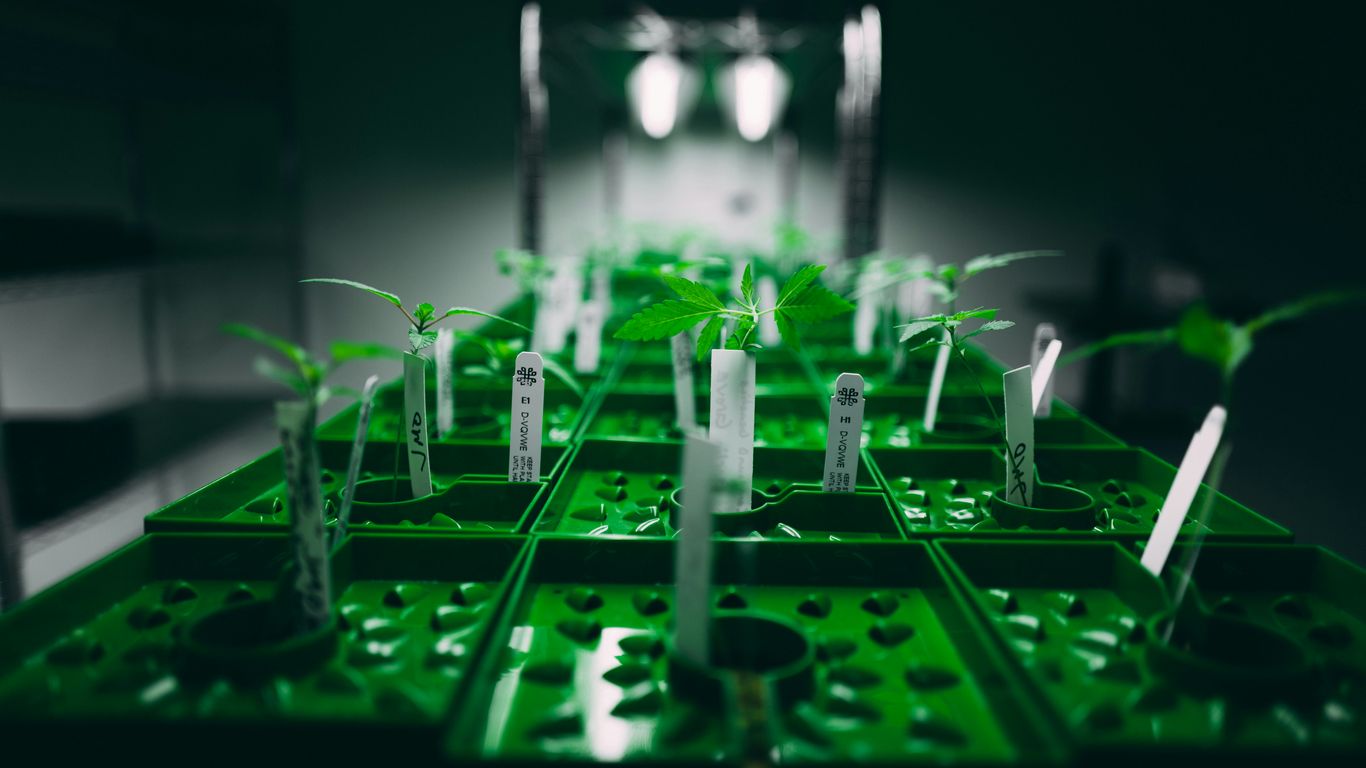
Agricultural biotechnology isn’t just about making plants grow faster; it’s about smarter, more targeted ways to improve crops and farming. We’re seeing some really cool stuff happening that’s changing how we think about food production.
The Power of Trait Stacking
Think of trait stacking like giving a plant a whole toolkit of useful abilities all at once. Instead of just having one good characteristic, like resistance to a specific bug, a stacked trait plant might also be able to handle dry spells and use fertilizer more efficiently. This is done by combining multiple genes, either through traditional breeding or genetic engineering. It means farmers can get more out of their fields with fewer inputs.
- Pest Resistance: Protects against specific insects.
- Herbicide Tolerance: Allows for easier weed control.
- Drought Tolerance: Helps crops survive with less water.
- Nutrient Use Efficiency: Reduces the need for fertilizers.
RNA Interference for Targeted Pest Control
This is a pretty neat biological trick. RNA interference, or RNAi, is a natural process in cells that can be used to silence specific genes. In agriculture, scientists can use RNAi to create crops that produce a molecule that targets a pest’s essential genes. When the pest eats the plant, it ingests this molecule, which then shuts down a gene it needs to survive. It’s like a highly specific, biological pesticide that only affects the target pest, leaving beneficial insects and the environment largely unharmed. This is a big step away from broad-spectrum chemicals. You can find out more about these kinds of advancements in agricultural biotechnology.
Advancements in Microbial Biotechnology
We’re also getting much better at using the tiny organisms that live in the soil. Microbial biotechnology involves using beneficial bacteria and fungi to help plants. These microbes can do a lot of good things:
- Improve Soil Health: They can break down organic matter, making nutrients available to plants.
- Boost Nutrient Uptake: Some microbes help plants absorb nitrogen and phosphorus more effectively.
- Protect Against Diseases: Certain beneficial microbes can outcompete or even attack plant pathogens.
Using these natural allies can reduce the need for synthetic fertilizers and pesticides, leading to healthier soils and more sustainable farming overall. It’s a whole ecosystem approach to crop health.
The Future Landscape of Agricultural Biotech
So, what’s next for farming with all this biotech stuff? It’s not just about making crops tougher or grow faster anymore. We’re looking at a future where technology and biology work hand-in-hand in ways we’re only just starting to figure out. The big picture is about making farming smarter, more connected, and way more efficient.
Digital Integration and Precision Farming
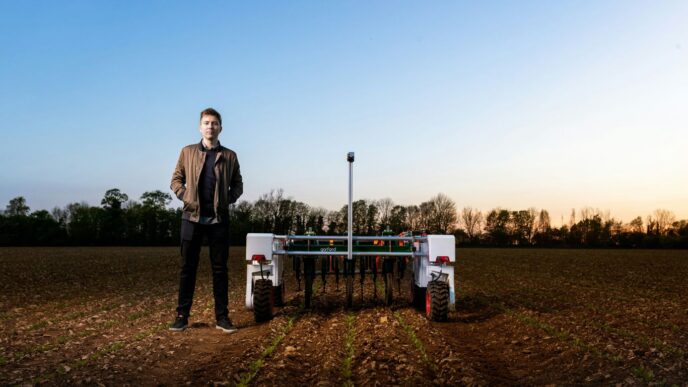
Think of it like this: your tractor is getting a brain transplant. We’re talking about sensors in the fields, drones flying overhead, and AI analyzing all the data. This means farmers can give each plant exactly what it needs, when it needs it. No more guessing games with water or fertilizer. It’s all about using resources precisely where they’ll do the most good. This kind of tech can really help manage resources better, which is a big deal for optimizing operations.
Democratizing Access to Biotech Tools
For a long time, some of these advanced tools felt like they were only for the big players. But that’s changing. We’re seeing more affordable gene-editing kits and easier-to-use microbial treatments. The goal is to get these powerful technologies into the hands of smaller farms and farmers in developing countries. Imagine a farmer in a remote village being able to improve their crops just as effectively as someone with a huge research budget. That’s the dream.
Focus on Regenerative Agriculture Practices
This is where things get really interesting. Biotech isn’t just about producing more; it’s about farming in a way that actually heals the land. We’re looking at using biotech to help with things like:
- Soil Health: Developing microbes that can fix nitrogen or break down tough soil, making it richer.
- Carbon Sequestration: Engineering crops that pull more carbon dioxide out of the air and store it in the soil.
- Water Conservation: Creating plants that can thrive with less water, which is super important as weather patterns get weird.
It’s about creating a farming system that gives back to the environment, not just takes from it. This shift towards farming that regenerates the soil and ecosystem is a huge part of where agricultural biotech is headed.
The Road Ahead
So, where does all this leave us? Biotechnology has really changed how we grow food, making crops tougher and more productive. It’s not just about making more food, either; it’s about making it better and doing it in a way that’s kinder to the planet. We’ve seen how gene editing and helpful microbes can cut down on chemicals and help farms deal with tough weather. Of course, there are still hurdles to jump, like figuring out the rules and getting everyone on board. But the progress is clear, and with new ideas always popping up, it looks like biotech will keep playing a big part in feeding the world for a long time to come.
Frequently Asked Questions
What exactly is agricultural biotechnology?
Think of agricultural biotechnology as using science’s cool tools to make plants and farming better. It’s like giving crops special upgrades using things like genetic engineering or helpful microbes to make them grow stronger, resist bugs, or even be more nutritious. It’s a way to improve farming beyond just planting seeds and hoping for the best.
How does biotechnology help crops fight off pests and diseases?
Instead of spraying lots of chemicals, biotechnology can help crops defend themselves. Scientists can make plants naturally resistant to certain bugs or diseases. Sometimes, they can even use tiny biological helpers, like good bacteria or specific molecules, to stop pests from harming the plants. This means fewer pesticides are needed, which is better for the environment and for us.
Can biotechnology make food healthier?
Yes, it absolutely can! One famous example is ‘Golden Rice,’ which has extra vitamin A to help people who don’t get enough from their regular diet. Biotechnology can also boost other important nutrients in everyday foods, helping to fight off health problems caused by not getting the right vitamins and minerals.
How is biotechnology helping farms deal with climate change?
Climate change brings tough conditions like heat waves and dry spells. Biotechnology helps create crops that can handle these challenges. Scientists are developing plants that need less water, can survive hotter temperatures, or can even grow in salty soil. This makes farming more reliable even when the weather is unpredictable.
Is biotechnology making farming more eco-friendly?
Many ways! By creating crops that need fewer pesticides and herbicides, we reduce the amount of chemicals going into the soil and water. Also, some biotech methods help improve soil health and use water more efficiently. It’s all about farming smarter and with less impact on our planet.
What’s the future of biotechnology in farming?
The future looks very exciting! We’ll see more smart technology working with biotech, like using data to help farmers make the best decisions. Biotech tools will become easier for more farmers to use, and there will be a bigger focus on farming methods that help the environment heal, like improving soil and capturing carbon. It’s all about creating a sustainable and resilient food system for everyone.