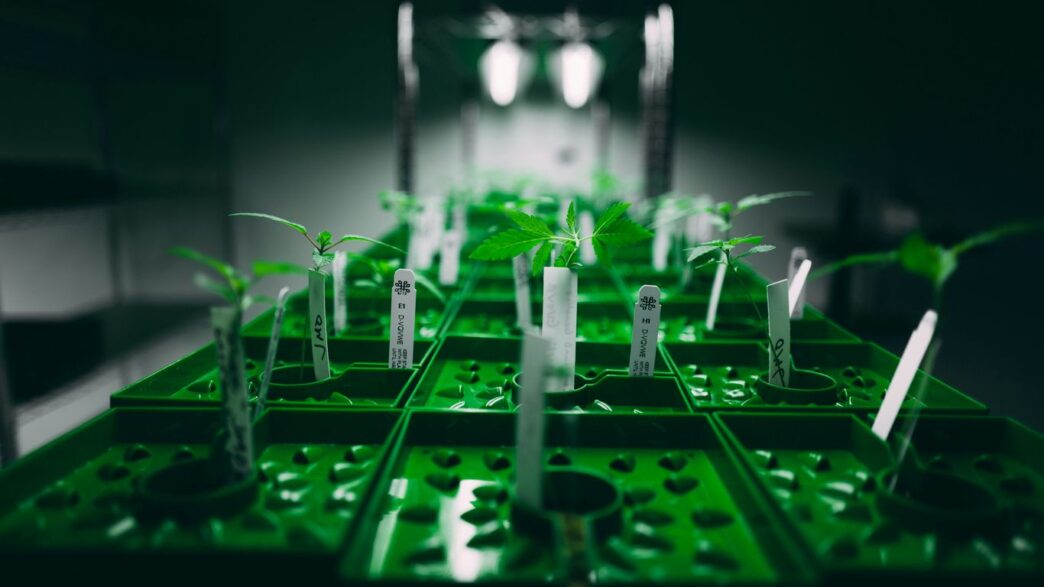
Farming is changing, and fast. We’re seeing a lot of new tech pop up that’s making crops better and helping us grow more food, even when the weather’s weird. It’s all about using science, like gene editing and smart computer programs, to make farming more efficient and kinder to the planet. This stuff, known as biotechnology in agriculture, is really starting to take hold and change how we get our food.
Key Takeaways
- Gene editing tools like CRISPR let us make very specific changes to crops, helping them grow better and resist diseases without messing with their basic makeup.
- New seed types are being developed to handle tough conditions like drought and extreme heat, making sure we can still grow food even with climate change.
- Using tiny microbes as fertilizers can make soil healthier and help plants grow, cutting down on the need for chemical stuff.
- Computers and sensors are helping farmers make smarter decisions, like knowing exactly when and where to use water or treatments, making everything more precise.
- Biotechnology is also looking at ways to make farming better for the environment, like using natural pest controls and even helping soil soak up carbon from the air.
Revolutionary Strides in Crop Enhancement
CRISPR Gene Editing for Precision Agriculture
It feels like just yesterday we were hearing about gene editing, and now it’s really changing how we grow food. CRISPR technology lets scientists make super specific changes to a plant’s DNA. Think of it like editing a document, but for genes. This means we can develop crops with better traits much faster than before. For example, we’re seeing wheat that’s tougher against certain fungi or rice that’s fortified with more nutrients. The big win here is that these changes often don’t involve adding DNA from other species, which can make them easier to get approved and accepted by people. It’s all about making crops more productive and needing fewer chemicals.
Developing Drought and Climate-Resilient Crop Varieties
With the weather getting more unpredictable, having crops that can handle tough conditions is a huge deal. Scientists are working hard to create varieties that can survive with less water, handle salty soil, or even do okay in extreme heat. We’re already seeing things like corn that needs less water and rice that can handle flooding better. These aren’t just fancy experiments; they help keep food production steady when the weather goes wild, which is a lifesaver for farmers trying to make a living.
Microbial Biofertilizers for Soil Health
Forget those big bags of synthetic fertilizer for a minute. There’s a growing movement towards using tiny living things – bacteria and fungi – to help plants grow. These microbial biofertilizers, like rhizobia and mycorrhizae, are becoming more sophisticated. They work with the plant to pull nutrients from the air and soil that the plant can actually use. This means less reliance on manufactured chemicals, which is better for the environment and keeps our soil healthier in the long run. It’s a natural way to give crops a boost.
Advancements in Livestock Biotechnology
Livestock farming is also seeing some pretty big changes thanks to biotech. It’s not just about crops anymore; we’re talking about making our farm animals healthier, more productive, and generally better off. Genomic analysis is really the star of the show here, helping us understand the building blocks of our animals like never before.
Genomic Analysis for Improved Animal Productivity
Think of it like getting a detailed family tree, but for cows, pigs, or chickens. By looking at an animal’s DNA, scientists can spot the genes that make them good at certain things. Maybe one cow produces more milk, or another is really good at turning feed into muscle. We can identify these traits and then use that information to breed animals that are naturally better at what we need them to do. This means less waste, more output, and animals that are more suited to their environment.
Here’s a quick look at what we’re seeing:
- Disease Resistance: Identifying animals that are less likely to get sick saves a lot of trouble and reduces the need for treatments.
- Feed Efficiency: Some animals just eat less and grow more. Pinpointing these genetic advantages means we can feed our livestock more effectively.
- Product Quality: Whether it’s meat tenderness or milk composition, genetics plays a role, and we can now select for those desirable qualities.
Marker-Assisted Breeding for Enhanced Livestock
This is where the genomic information really gets put to work. Marker-assisted breeding, or MAS, uses those genetic markers we talked about to speed up the traditional breeding process. Instead of waiting for an animal to grow up and show its traits, we can test its DNA when it’s young. This allows breeders to make much faster and more accurate decisions about which animals to pair up.
It’s a bit like having a cheat sheet for breeding. We can:
- Identify Superior Animals Early: Test young stock for desired traits like growth rate or disease resistance.
- Make Targeted Crosses: Select parent animals with the best combination of genetic markers for the next generation.
- Track Progress Over Generations: Monitor how specific beneficial genes are being passed down and becoming more common in the herd or flock.
This approach helps us develop livestock that are not only more productive but also better adapted to changing conditions, like heat stress or new disease challenges, making the whole system more robust.
The Digital Integration in Agriculture Biotechnology
It’s pretty wild how much technology is changing farming these days, right? We’re not just talking about tractors anymore. Now, we’ve got computers and fancy sensors helping out, and it’s really changing how we use all those cool biotech advancements. Think of it like this: biotechnology gives us the tools, and digital tech helps us use them smarter.
AI-Driven Tools for Targeted Interventions
Artificial intelligence is starting to play a big role. Instead of just guessing what a field needs, AI can look at tons of data – like weather patterns, soil conditions, and even how the plants are growing – and tell farmers exactly what to do, and when. This means if a specific part of a field needs a certain biofertilizer or a targeted pest treatment, the AI can flag it. It’s all about being precise, so we don’t waste resources or over-treat areas that don’t need it. This kind of targeted approach is a game-changer for efficiency.
Remote Sensing for Optimized Resource Use
Satellites and drones are basically giving farmers eyes in the sky. They can capture images of fields that show things we can’t see with the naked eye, like subtle changes in plant health or water stress. This information is super useful. For example, if a drone spots a patch of crops that looks a bit off, a farmer can investigate that specific spot instead of checking the whole farm. This helps in using water, fertilizers, and other inputs only where they are actually needed. It’s a big step towards using resources more wisely.
Digital Precision Agriculture and Biotechnology Synergy
When you put all this together – the biotech innovations and the digital tools – you get what people are calling digital precision agriculture. It’s a system where data from sensors, AI analysis, and biotech solutions work hand-in-hand. This synergy means we can get more out of our crops and livestock while using fewer resources and causing less environmental impact. It’s not just about making farming easier; it’s about making it more sustainable and productive for the long haul. This integrated approach is key to feeding a growing world population responsibly.
Here’s a quick look at how some of these digital tools are expected to work with biotech:
- Data Collection: Sensors in the field, drones, and satellites gather information on soil, weather, and crop health.
- Data Analysis: AI algorithms process this data to identify patterns and predict needs.
- Biotech Application: Based on the analysis, specific biotech solutions (like tailored biofertilizers or disease-resistant seed applications) are recommended or automatically deployed.
- Monitoring & Adjustment: The system continues to monitor the results and makes adjustments as needed.
Sustainable Solutions Through Biotechnology
Smart Biopesticides for Eco-Friendly Pest Management
Dealing with pests is a constant battle for farmers, and for a long time, the go-to solution was chemical pesticides. But we all know those can cause problems for the environment and even our health. That’s where smart biopesticides come in. These are basically nature’s own pest control, using things like beneficial microbes or plant extracts to keep pests in check. They target specific pests, meaning they’re less likely to harm helpful insects like bees or ladybugs. This makes farming gentler on the planet.
Bio-Based Inputs Replacing Synthetic Agrochemicals
Beyond just pest control, biotechnology is helping us move away from synthetic fertilizers and other chemicals that can harm soil and water. Think about microbial biofertilizers. These are tiny living organisms that help plants get the nutrients they need directly from the soil, or even from the air. This reduces the need for big bags of chemical fertilizer that can run off into rivers. It’s about working with nature’s systems rather than trying to force them.
Here’s a quick look at how some of these are stacking up:
| Innovation Name | Description | Estimated Adoption Rate (2025, %) | Estimated Impact on Yield (% Increase) | Sustainability Contribution | Example Crop/Application |
|---|---|---|---|---|---|
| Microbial Biofertilizers | Beneficial microbes to enhance soil and plant health | 30% | 10–15% | High | Wheat, vegetables, pulses |
| Smart Biopesticides | Biologically-derived pest management tools | 28% | 12–18% | Medium | Citrus, potatoes, wheat |
Carbon Sequestration as a Climate Solution
This is a really interesting one. Farming has often been seen as a contributor to climate change, but biotechnology is showing us how it can actually be part of the solution. By using certain farming practices and developing specific crop varieties, we can actually pull carbon dioxide out of the atmosphere and store it in the soil. This process, called carbon sequestration, helps to reduce the amount of greenhouse gases warming our planet. It’s a way to turn fields into carbon sinks, which is pretty amazing when you think about it. It’s not just about growing food anymore; it’s about actively helping the environment.
Navigating the Future of Agriculture Biotechnology
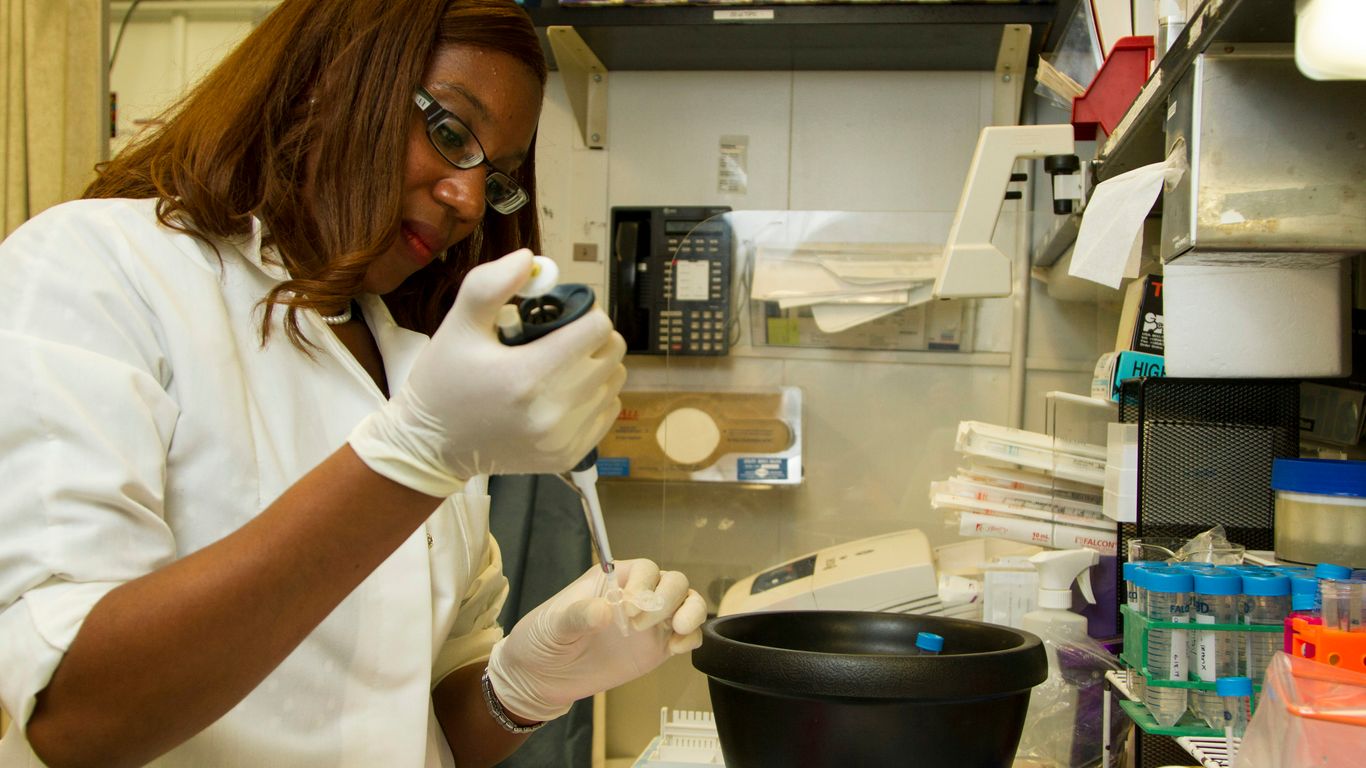
So, we’ve talked a lot about all the cool new tech in farming, right? From super seeds to smart robots. But what’s next? It’s not just about inventing stuff; it’s about making sure it actually works for everyone and doesn’t mess things up. That’s where things get a bit tricky, but also really important.
Regulatory Frameworks and Public Acceptance
Getting new farming tech out there isn’t as simple as just making it. There are rules, and people have opinions. For a long time, there’s been a lot of back-and-forth about things like GMOs. Now, with tools like CRISPR, which can make really precise changes without adding foreign DNA, things are a bit different. But still, governments need to figure out how to approve these new crops and practices. It’s a balancing act between letting innovation happen and making sure everything is safe. And honestly, people need to feel good about what they’re eating and how it’s grown. That means clear communication and showing how these technologies help, not hurt.
Ensuring Equity for Smallholder Farmers
This is a big one. A lot of these advanced technologies, like AI-driven tools or specialized seeds, can be expensive. If only big farms can afford them, then we’re just widening the gap between the haves and have-nots in farming. We need to find ways to make sure that farmers with smaller plots of land, who often grow food for their local communities, can also benefit. This might mean developing simpler, cheaper versions of the tech, or creating programs that help them access and use these tools. It’s about making sure everyone gets a fair shot at improving their farms and livelihoods.
Ethical Considerations in Biotechnology Deployment
Beyond the practical stuff, there are deeper questions we need to ask. When we start editing genes, even precisely, what are the long-term effects? Are we playing with nature in ways we don’t fully understand? We also need to think about who controls this technology. Will a few big companies own all the best seeds? What about the impact on biodiversity if we all start growing the exact same super-crops? These aren’t easy questions, and there aren’t always simple answers. It means we need ongoing conversations involving scientists, farmers, policymakers, and the public to make sure we’re moving forward responsibly. The goal is to use these powerful tools to feed the world better, not create new problems.
Looking Ahead: The Future is Now
So, what does all this mean for farming? Basically, we’re seeing a huge shift. From tweaking crops with gene editing to using smart tech that tells us exactly what plants need, agriculture is getting a serious upgrade. It’s all about growing more food, using fewer resources, and dealing with a changing climate. This isn’t some far-off dream; these changes are happening right now and will keep shaping how we feed the world for years to come. It’s an exciting time to be involved in agriculture, that’s for sure.
Frequently Asked Questions
What exactly is agricultural biotechnology?
Think of agricultural biotechnology as using science and special tools to make plants and animals better. It’s like giving crops a superpower to fight off bugs or survive tough weather, or helping farm animals be healthier and produce more. It includes things like making seeds that need less water or using tiny helpers from nature to make soil richer.
How does gene editing, like CRISPR, help our food?
Gene editing is a super precise way to make small changes in a plant’s or animal’s DNA. It’s like editing a sentence in a book to fix a typo. This can help create crops that grow more food, resist diseases better, or handle dry spells without needing as many chemicals. It’s a way to improve things without adding DNA from other species, which makes it easier to accept.
Are biofertilizers and biopesticides good for the environment?
Yes, they are! Instead of using strong chemical fertilizers and pesticides that can harm the soil and water, biofertilizers use helpful tiny living things (microbes) to give plants the nutrients they need. Biopesticides use natural methods to control pests. They work with nature to keep farms healthy and reduce pollution.
How do computers and technology help with farming using biotech?
Technology like artificial intelligence (AI) and satellite images (remote sensing) are like a farmer’s smart assistant. They can look at a whole field, check the weather, and tell farmers exactly where and when to use biotech tools, like applying a special fertilizer or planting a certain seed. This means using resources like water and fertilizer much more wisely, saving money and helping the planet.
Can small farms also use these new farming technologies?
That’s a really important question! The goal is to make sure everyone can benefit. Companies are working on creating affordable apps and tools that small farmers can use on their phones or computers. This way, even smaller farms can get the advice and access to new seeds or treatments they need to grow more food and be more successful.
What are people worried about when it comes to biotech in food?
Some people worry about whether the food is safe to eat, how it might affect the environment in the long run, and if it’s fair to use these powerful technologies. That’s why scientists and governments have rules to check everything carefully. Also, it’s important to talk openly about how these tools are used and make sure everyone understands the benefits and risks.