

Thinking about going electric with your next SUV? It’s a smart move, honestly. The market’s gotten so much better lately, with tons of options that actually look good and drive well. We’ve been looking at a bunch of the latest models, trying to figure out which ones are the best ev suv choices for 2025. It’s not always easy with all the tech and different features out there, but we’ve narrowed it down to some solid contenders that should make your switch to electric a lot smoother.
Key Takeaways
- The Kia EV9 is a top pick for best ev suv, scoring well in safety, efficiency, and cargo room.
- The Chevrolet Blazer EV is another strong contender, offering good safety and efficiency even if it doesn’t have as much cargo space as the EV9.
- We looked at safety, power, efficiency, cargo space, and warranty to rank these vehicles objectively.
- The SUV segment is booming in the EV world, with options for different sizes and budgets.
- Electric SUVs combine the practicality of an SUV with the benefits of electric power, offering a wide range of styles and capabilities.
1. Kia EV9
Alright, let’s talk about the Kia EV9. This is a pretty big deal in the electric SUV world, especially if you need space for the whole crew. It’s only in its second year, so Kia didn’t mess with it too much for 2025, just added a new Plus Package for the Land AWD trim that throws in some nice extras like bigger wheels and fancier seats.
When it comes to getting around, the EV9 has a few options. The base Light RWD model gets you going with 215 horsepower, but if you want more pep, the Land AWD version really steps it up with 379 horsepower. It feels quick off the line, which is always fun, and it handles pretty well, feeling stable even when the wind picks up. Plus, Kia even put in some special terrain modes for snow, which is a smart touch.
The EV9 is a solid choice for families needing a spacious, comfortable, and capable electric SUV.
Here’s a quick look at the range:
- Light RWD: Up to 370 km
- Wind RWD: Up to 489 km
- Land AWD: Up to 451 km (drops slightly with larger wheels)
And charging? It’s pretty fast. If you can find a 350-kW charger, you can juice up the big 99.8-kWh battery from 10% to 80% in about 24 minutes. That’s not too shabby.
Inside, it’s pretty comfortable. You get two big screens – one for the driver and one for the infotainment – plus tri-zone climate control and plenty of USB ports. Higher trims add things like a heated steering wheel and ventilated second-row seats. The seats themselves are comfy, and the driver even gets a sort of massage feature called ‘ergo-motion’. Little touches like cupholders that can turn into storage and a center console accessible from the second row make it feel pretty family-friendly. It’s got a good amount of cargo space too, especially if you fold down the seats.
2. Chevrolet Blazer EV
The Chevrolet Blazer EV is a pretty interesting option in the electric SUV market, especially with the new SS model joining the lineup for 2025. It’s built on GM’s Ultium platform, which it shares with the Honda Prologue, so it’s got some solid bones.
What’s new for 2025? The big news is the Blazer EV SS. This version really amps things up with a dual-motor setup, giving it all-wheel drive and a hefty 557 horsepower and 648 lb-ft of torque. Chevrolet claims it can hit 100 km/h in under four seconds, which is seriously quick for an SUV. They even have this "WOW" mode – Wide Open Watts – to get you that extra punch.
Beyond the SS, you’ve got the LT and RS models. The rear-drive RS is pretty zippy with 365 hp from its single motor and a 102-kWh battery that should get you about 538 km on a charge. The LT and AWD RS models have a bit less power (300 hp) and use an 85-kWh battery, giving them a range of around 455 km. Chevrolet seems to be focusing on decent driving ranges across the board, which is always good to see.
When it comes to charging, Chevy does things a little differently. Instead of saying how long it takes to get to 80%, they tell you how much range you can add in 10 minutes with a DC fast charger. The rear-drive RS can add about 128 km in 10 minutes, and the SS should be similar. For slower Level 2 charging, that big 102-kWh battery will take around 11.2 hours to fill up, while the 85-kWh one is a bit quicker at 9.5 hours.
Inside, the Blazer EV feels pretty modern. You get a big 17.7-inch infotainment screen and an 11-inch digital driver display. It’s the first Chevy to use Android Automotive OS, which means Google Maps looks great, and you can use the Google Assistant for commands, though a subscription might be needed for full features. Super Cruise, Chevy’s hands-free driving system, is also available but requires a subscription after the initial free period. One thing to note, though: it doesn’t support Apple CarPlay or Android Auto, which might be a dealbreaker for some. The cabin itself is comfortable, with nice materials and some cool design touches like the air vents.
Here’s a quick look at the pricing for Canada:
- LT AWD: Starts at $57,999
- RS AWD: $61,699
- RS Rear-Drive: $64,999
- SS AWD: $69,999
(All prices are before a $2,500 delivery fee and any applicable rebates.)
Overall, the Blazer EV offers a good mix of style, tech, and performance, especially with the new SS model. It’s definitely worth a look if you’re in the market for an electric SUV.
3. Tesla Model Y
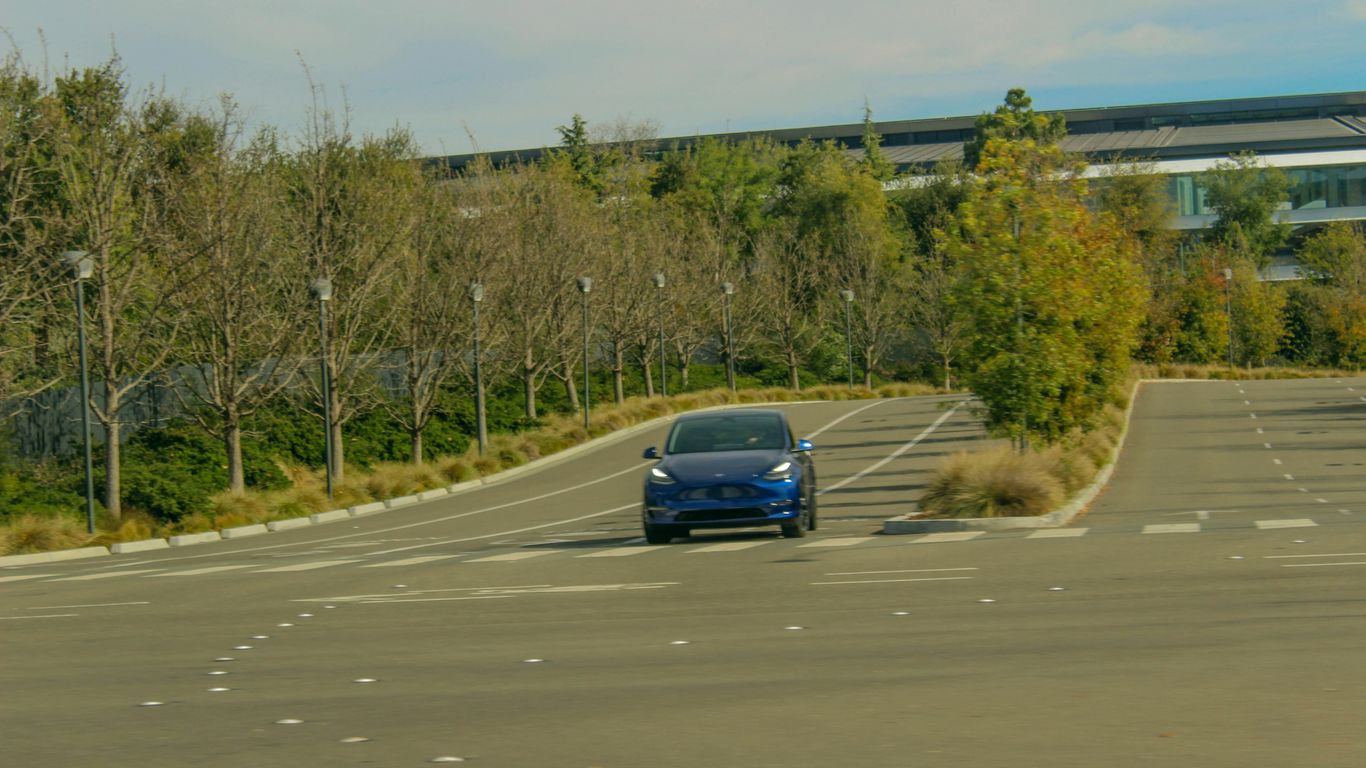
Alright, let’s talk about the Tesla Model Y. It’s kind of hard to ignore this one, right? It’s been a massive seller for Tesla, and honestly, for good reason. It manages to pack a lot of what people want into a package that feels familiar, even if you’re new to EVs. The Model Y really hits a sweet spot for a lot of drivers, blending practicality with that signature Tesla performance and tech.
For 2025, Tesla is expected to roll out some updates, possibly called the ‘Juniper’ refresh, which should bring it more in line with the recent changes seen on the Model 3. Think updated styling inside and out, and maybe some tweaks to the ride quality and interior feel. It’s already a pretty quiet ride, even at highway speeds, which is nice for longer trips. You can check out more about its touring capabilities here.
When it comes to the nitty-gritty, here’s a quick look at what you can expect:
- Performance: You’ve got options. The rear-wheel drive version is zippy enough for most, hitting 0-100 km/h in under seven seconds. Step up to all-wheel drive, and you shave off a couple of seconds. And if you really want to feel that instant EV torque, the Performance trim does the 0-100 km/h sprint in a blistering 3.7 seconds.
- Range: Depending on the setup, you’re looking at a solid range. The base rear-wheel drive model can go about 525 kilometers on a full charge. All-wheel drive brings that down slightly to 501 km, and the Performance model is rated for around 446 km. It’s enough for most daily commutes and even some longer road trips without constant range anxiety.
- Interior: It’s very… Tesla. Minimalist is the word. A big central touchscreen controls almost everything. Some people love it, others miss physical buttons. You can opt for white seats if you want to change things up, but be prepared for an extra cost.
- Safety: The Model Y has a good track record, scoring well in crash tests. It’s earned a Top Safety Pick+ designation from the IIHS, which is always reassuring.
Pricing can vary, but the rear-wheel drive model usually starts around $59,990 CAD, with all-wheel drive variants adding a bit more. The Performance trim is a step up from there. It’s a competitive segment, with rivals like the Hyundai Ioniq 5 and Ford Mustang Mach-E giving it a run for its money, but the Model Y continues to be a strong contender for most people.
Overall, the Model Y is a well-rounded electric SUV that’s easy to live with day-to-day. It’s not perfect, and the reliance on the touchscreen might not be for everyone, but its combination of range, performance, and charging infrastructure makes it a very sensible choice.
4. Hyundai Ioniq 5
The Hyundai Ioniq 5 continues to be a standout in the electric SUV market, and for 2025, it’s getting even better. It’s a car that feels familiar, like a comfortable pair of jeans, but with all the cool tech you’d expect from an EV. This electric crossover really hits a sweet spot for a lot of people.
One of the coolest things about the Ioniq 5 is its charging speed. Thanks to its 800-volt architecture, you can get from 10% to 80% charge in about 18 minutes if you find a fast enough charger. Plus, for 2025, it’s getting a NACS port, meaning you can use Tesla’s Supercharger network natively. That’s a big deal for road trips.
Inside, it’s got this retro-futuristic vibe that’s pretty unique. It feels spacious, and the tech is all there, including a big infotainment screen and a digital driver display. You get things like wireless Apple CarPlay and Android Auto, which is always nice.
Here’s a quick look at some of its specs:
- Range: Up to 363 miles (depending on configuration)
- Charging: 10-80% in about 18 minutes (with 350 kW charger)
- Drivetrain: Available in rear-wheel drive or all-wheel drive
- Interior Space: Plenty of room for passengers and cargo, with up to 1,680 liters when the rear seats are folded.
While the Ioniq 5 N performance version is a whole different beast with its 600+ horsepower, the standard Ioniq 5 is more about being a practical, comfortable, and efficient daily driver. It’s a solid choice if you want an EV that doesn’t feel too alien compared to the gas cars you might be used to.
5. Ford Mustang Mach-E
The Ford Mustang Mach-E has been a pretty popular electric SUV since it first came out, and honestly, it’s easy to see why. Ford really took a page out of Tesla’s book with this one, managing to pack in a good amount of range, a price that doesn’t make you faint, and a tech setup that feels pretty modern. It might not feel quite as polished as some of the pricier options out there, but it’s genuinely enjoyable to drive and just generally easy to live with day-to-day.
What’s new for 2025? Ford has made a few tweaks, including moving the gear shifter and adding some fresh paint colors, plus more standard features across the board. But the real star of the show, especially if you’re looking for something a bit more playful, is the Mustang Mach-E Rally. This version takes the fun factor up a notch, and I’ve heard it’s a blast to slide around on dirt roads. If you’re into that kind of thing, it’s definitely worth a look.
Here’s a quick look at what you can expect:
- Range: You’re looking at anywhere from 230 to 320 miles on a full charge, depending on the setup.
- Drive Type: It comes in both rear-wheel drive and all-wheel drive options.
- Fun Factor: While the GT model is solid, the Rally version really leans into being a fun, almost go-anywhere kind of electric crossover.
It’s a strong choice if you want an EV that feels a bit sporty without sacrificing too much practicality. The blend of familiar Mustang styling with electric power makes it a standout.
6. Acura ZDX
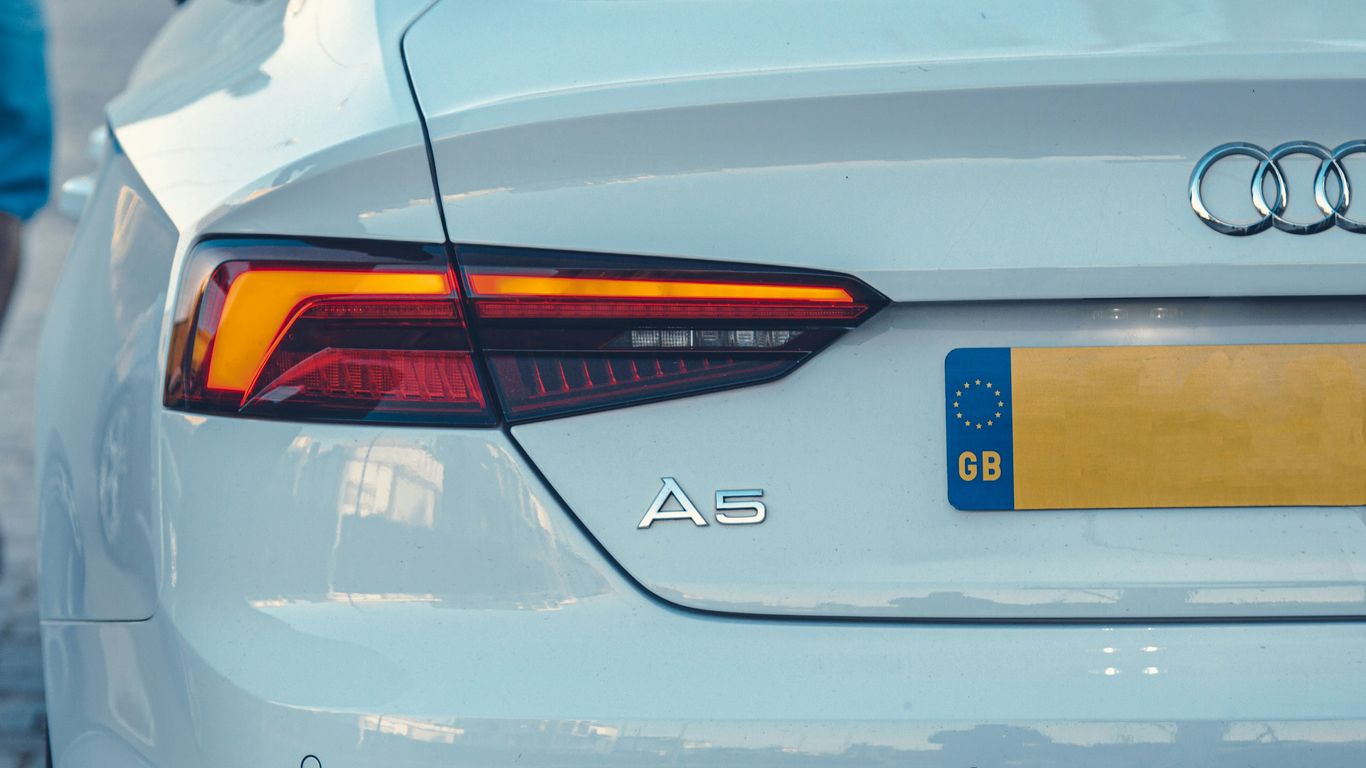
Acura’s ZDX is a pretty new face in the electric SUV scene, hitting the market for the 2024 model year. For 2025, it’s not expected to change much, which is fine because it’s already a solid contender. It comes in a couple of flavors: a single-motor version and a more powerful dual-motor setup that can get up to 500 horsepower. That’s some serious pep for an SUV.
One of the standout features is its infotainment system, which runs on Google’s software. This means you get familiar apps and voice commands, which can make using the system a lot easier. Plus, Acura has packed it with a bunch of driver assistance and safety tech, which is always a good thing to have.
Here’s a quick look at what you can expect:
- Powertrain Options: Available in single-motor (rear-wheel drive) or dual-motor (all-wheel drive) configurations.
- Performance: The dual-motor setup boasts up to 500 horsepower, offering quick acceleration.
- Infotainment: Features a Google-based operating system for a user-friendly experience.
- Safety: Comes equipped with a suite of advanced driver-assistance and safety features.
While it’s built on the same platform as the Honda Prologue, the ZDX definitely feels like an Acura, with its own distinct styling and a more upscale interior. It’s a good option if you’re looking for a stylish, tech-forward electric SUV that doesn’t compromise too much on performance.
7. Audi Q4 E-Tron
Audi’s Q4 E-Tron might be their entry-level electric SUV, but don’t let that fool you into thinking it’s some bare-bones model. They gave it a good refresh last year, which means it’s a bit more comfortable to ride in and can charge up faster. Still, its top charging speed isn’t quite as quick as some of the other top EVs out there, which is a bit of a bummer.
What it does well, though, is handle. It’s got a really tight turning radius, making it easy to maneuver in parking lots or tight city streets. The tech inside the car is also pretty slick and works well. If you’re looking at the Sportback version, it’s got this cool sloping roofline that looks sharp and is a little better for aerodynamics, potentially giving you a bit more range. Just know that the sloping roof means you’ll lose a bit of cargo space and headroom in the back, and seeing out the rear window isn’t as easy.
Here’s a quick look at what you can expect:
- Improved Comfort and Charging: Last year’s updates made it a nicer place to be and sped up charging times.
- Agile Handling: A tight turning radius makes it surprisingly nimble for an SUV.
- Sportback Style: Offers a sleeker look but with some trade-offs in practicality.
- Tech Savvy: Features a well-integrated and user-friendly infotainment system.
8. Audi Q6 E-Tron
Audi’s Q6 E-Tron is shaping up to be a pretty significant player in the electric SUV market for 2025. It’s built on a new platform that it shares with the Porsche Macan EV, which is a good sign for performance and handling. This SUV is expected to offer over 300 miles of range on many of its trims, which is definitely competitive.
Inside, you’ll find a new 14.5-inch curved display that handles everything from navigation to climate control. It’s a clean look, and Audi usually does a nice job with interior quality. The design stays pretty close to Audi’s current SUV look, so it’s familiar but still modern. For those who want a bit more sportiness, the SQ6 E-Tron version gets a more aggressive styling.
Here’s a quick look at what we’re expecting:
- Platform: Shared with Porsche Macan EV
- Range: Over 300 miles expected
- Display: New 14.5-inch curved screen
- Charging: Fast-charging capabilities
Audi seems to be learning from its past EV efforts, and the Q6 E-Tron feels like a big step forward. It’s aiming to compete with some tough rivals, and based on what we’re seeing, it has a good shot. If you’re looking for a luxury electric SUV with solid tech and good range, the 2025 Audi SQ6 e-tron is definitely one to keep an eye on.
9. Rivian R1S
The Rivian R1S is a pretty impressive electric SUV, especially if you’re looking for something that can handle both family duty and some serious off-roading. It’s got this really cool, modern vibe to it, and honestly, the software experience is top-notch. It feels futuristic, which is something I really appreciate in an EV.
When it comes to performance, the R1S doesn’t mess around. It’s one of the quickest SUVs we’ve ever tested, which is saying something. Plus, it offers a decent amount of range, so you’re not constantly worried about finding a charger.
Here’s a quick look at some of its specs:
- Base Price: Around $76,990
- Range: 270-410 miles
- Drive Type: All-wheel drive
What’s really neat is how capable it is when you get it off the pavement. It handles rough terrain surprisingly well. The interior is also pretty spacious, making it a good choice for families. While it might not be the most efficient option out there, and the interior quality isn’t quite at the level of some luxury competitors, the overall package is really strong. If you’re interested in seeing how it stacks up, you can read our full Rivian R1S review.
10. Subaru Solterra
The Subaru Solterra is a pretty interesting electric SUV, especially if you’re looking for something that comes standard with all-wheel drive and has some decent off-road chops. Subaru actually tweaked it for 2024, giving it faster charging and more standard features, and then they dropped the price for 2025, which makes it a bit more appealing.
However, it’s not all sunshine and rainbows. The range isn’t exactly class-leading, and if you’re tall or have tall friends, the interior space, particularly in the back, can feel a little tight. It shares a lot of its mechanical bits with the Toyota bZ4X, so some of those same limitations pop up here too.
Here’s a quick look at some key specs:
- Range: Around 220-227 miles (depending on trim)
- Drivetrain: Standard All-Wheel Drive
- Charging: Can add about 137 miles of range in 30 minutes with a Level 3 DC fast charger.
The Solterra’s ride quality is actually quite smooth, and it handles well on the road, which are definitely big pluses. It’s a solid choice if you value Subaru’s reputation for reliability and want an EV that can handle more than just pavement, but be aware of its limitations in terms of how far it can go on a charge and how much passenger room it offers.
So, What’s the Verdict?
Alright, so we’ve looked at a bunch of electric SUVs for 2025. It’s pretty clear there are a lot of good choices out there now, whether you need something big for the whole family, something zippy for city driving, or just want to get into an EV without breaking the bank. The market is really heating up, and that’s great news for us buyers. From the roomy Kia EV9 to the sporty Tesla Model Y and the solid Hyundai Ioniq 5, there’s an electric SUV that can probably fit your life and your budget. It’s worth doing a little more digging into the specific models that caught your eye, maybe even taking a test drive, to find the one that feels just right. Happy electric adventuring!
Frequently Asked Questions
What makes an electric SUV different from a regular SUV?
Electric SUVs run purely on electricity stored in a battery, meaning they don’t need gas and have zero tailpipe emissions. Regular SUVs typically use gasoline engines.
Are electric SUVs good for families?
Many electric SUVs offer spacious interiors, plenty of cargo room, and advanced safety features, making them great choices for families. Some even have three rows of seats.
How far can electric SUVs travel on a single charge?
The distance varies by model, but many 2025 electric SUVs can travel between 250 to over 350 miles on a full charge, which is usually enough for most daily driving needs.
Are electric SUVs expensive to buy?
While the initial price can sometimes be higher than comparable gas SUVs, the cost of electric SUVs is coming down. Plus, you save money in the long run on fuel and maintenance.
Is charging an electric SUV at home easy?
Yes, most owners charge their electric SUVs overnight at home using a special charger. It’s like plugging in your phone – you wake up with a ‘full tank’ every morning.
What is the best electric SUV for cargo space?
The Kia EV9 is often praised for its generous cargo capacity, making it a top pick for those who need to haul a lot of gear or groceries.