TSMC is making big moves in the chip world with its new 3 nanometer process. It’s a pretty big deal because it means chips can get smaller, faster, and use less power. This kind of progress is what lets us have all the cool gadgets we use every day, from our phones to powerful computers. Let’s break down what this tsmc 3 nanometer advancement really means for the future.
Key Takeaways
- TSMC’s 3 nanometer process represents a significant step in chip manufacturing, building on years of development and investment.
- This new process uses advanced techniques like EUV lithography and new transistor designs for better performance and efficiency.
- Expect chips made with TSMC’s 3nm tech to be faster and use less battery power, making devices more capable.
- Other major chipmakers like Samsung and Intel are also working on their own 3nm processes, showing how important this technology is.
- The widespread adoption of TSMC’s 3nm chips will power the next wave of electronics and keep TSMC at the forefront of semiconductor production.
TSMC’s 3 Nanometer Process Evolution
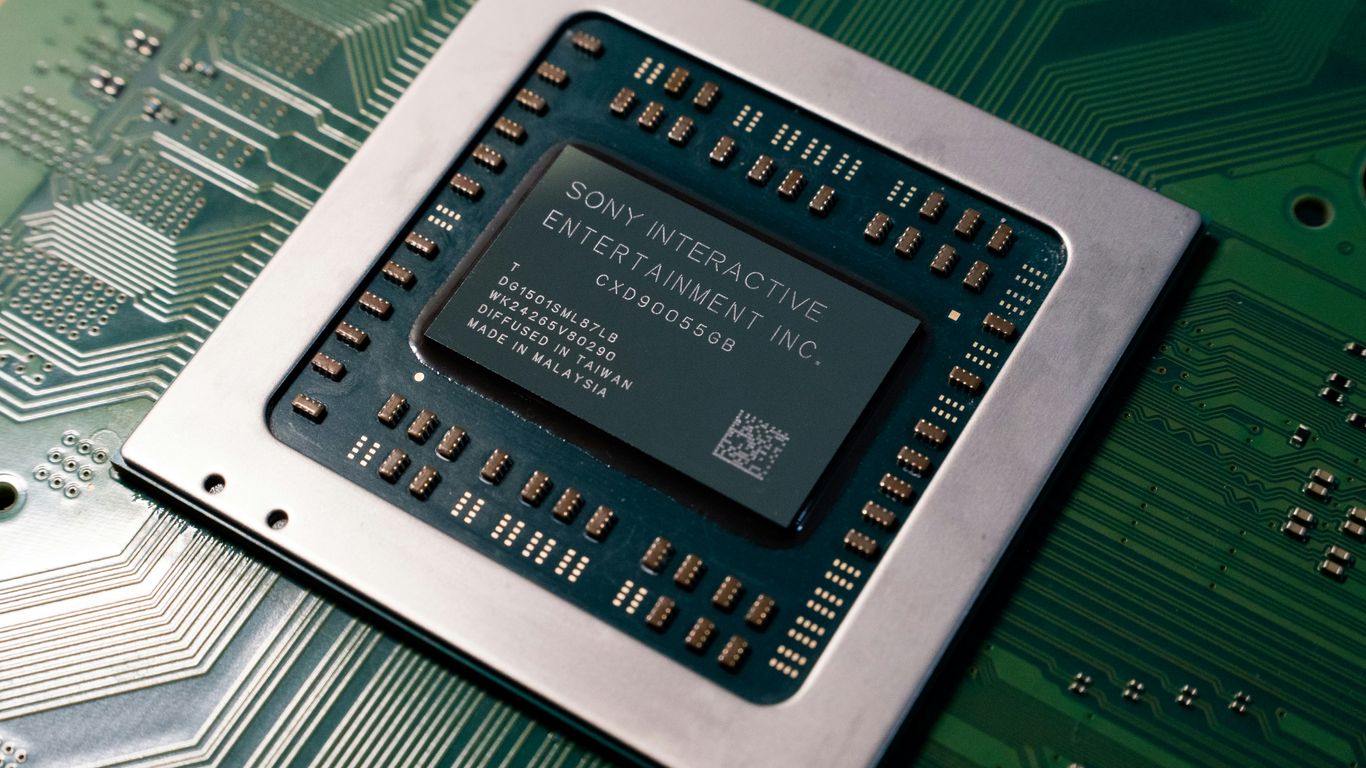
Getting to 3 nanometers wasn’t exactly a walk in the park for TSMC. It’s been a long road, with a lot of planning and cash thrown at it. Back in late 2016, they were already talking about building a plant for both 5nm and 3nm tech, earmarking a massive $15.7 billion for the project. Then, in 2017, the actual construction started at their Tainan Science Park facility. The goal was to hit volume production by 2023, which, looking back, they pretty much managed.
Early Development and Investment
The groundwork for 3nm started years before actual production. Think 2018, when outfits like IMEC and Cadence were already messing around with test chips using advanced techniques like EUV lithography. Meanwhile, competitors were also making noise. Samsung, for instance, was talking about their own 3nm process using Gate-All-Around (GAA) transistors, promising big jumps in performance and power savings compared to their older 7nm chips. Intel also threw its hat in the ring, announcing plans for 3nm production around 2025. It was a real race to shrink things down.
Volume Production Milestones
Things really started heating up around 2022. Samsung announced they’d shipped their first 3nm chips in July of that year, claiming better density and power efficiency. But TSMC wasn’t far behind. They officially announced their N3 process was in volume production by the end of 2022, with good yields, which is always the big question mark. They were already looking ahead to N3E, a refined version, set for the second half of 2023. It’s a complex dance of getting the tech right and making sure you can actually build a lot of chips reliably. TSMC is also upgrading its second plant in Japan to 3-nanometer technology, turning it into a high-end manufacturing center [6560].
Advancements Beyond Initial N3
TSMC didn’t just stop at the first N3. They’ve been refining it. By late 2022, they were sharing details about N3E, mentioning things like smaller metal pitches and SRAM cell sizes similar to their N5 process. They also introduced something called FinFlex, which lets designers mix and match different transistor configurations on the same chip for better customization. Looking further out, they talked about N3P and N3X. N3P, expected in late 2024, aims for a bit more speed or less power. N3X, following in 2025, pushes performance even further, though with a trade-off in power leakage. It shows they’re not just resting on their laurels; they’re constantly tweaking and improving the process.
Technological Innovations in 3nm Manufacturing
TSMC’s jump to the 3-nanometer process node wasn’t just about shrinking things down. It involved some pretty clever engineering and new ways of doing things. They really pushed the boundaries here.
EUV Lithography Integration
One of the big deals for getting to these tiny sizes is Extreme Ultraviolet (EUV) lithography. Think of it like using a super-precise light source to etch incredibly fine patterns onto silicon wafers. For the 3nm node, TSMC really leaned into EUV. It’s not just about using it, but using it effectively to get those super-tight designs down. This tech is key to making sure the circuits are exactly where they need to be, without errors. It’s a complex process, and getting it right is a huge part of why these chips are so advanced. The precision required is just mind-boggling.
Transistor Architecture Advancements
At this scale, the old ways of building transistors just don’t cut it anymore. TSMC stuck with their proven FinFET (Fin Field-Effect Transistor) architecture for their initial N3 process. This design, where the gate wraps around the channel from three sides, is still really effective. It helps control the flow of electricity better, reducing leakage and improving performance. While competitors started moving to Gate-All-Around (GAA) structures, TSMC’s refinement of FinFET for 3nm was a strategic choice, aiming for stability and yield while still pushing performance limits. They’ve been working on GAAFETs too, but the N3 node focused on perfecting the FinFET.
FinFlex Technology for Design Flexibility
This is where things get really interesting for chip designers. TSMC introduced something called FinFlex. Basically, it lets designers mix and match different transistor configurations within the same chip. So, you can have some parts of the chip using transistors with more fins for higher performance, and other parts using transistors with fewer fins for better power efficiency. It’s like having a toolkit where you can pick the best tool for each specific job on the chip. This flexibility is a big deal because not all parts of a chip need the same thing. It allows for a much more optimized design, balancing speed and power consumption exactly where it’s needed. This kind of customization is what helps make the latest smartphones and computers so powerful and efficient. You can see how this kind of innovation is driving the future of semiconductors.
Here’s a quick look at how FinFlex offers choices:
- High Performance: Use more fins per transistor for maximum speed.
- Power Efficiency: Use fewer fins for reduced energy use.
- Balanced Design: Mix and match to hit specific performance and power targets for different chip sections.
This level of control means designers can really fine-tune their creations, getting the most out of TSMC’s advanced manufacturing process.
Performance and Power Efficiency Gains
So, what does this whole 3 nanometer thing actually mean for the chips themselves? It’s not just a number; it translates into some pretty big improvements. We’re talking about devices that can do more, faster, and without draining your battery quite so quickly. It’s a pretty neat trick, honestly.
Projected Performance Improvements
When TSMC talks about their 3nm process, they’re pointing to some solid jumps in how fast chips can run. Compared to their older 5nm tech, you can expect a noticeable boost. For example, some estimates suggest performance could be up to 15% better. That might not sound like a lot, but in the world of processors, even small gains add up. Think smoother gaming, quicker app loading, and just an overall snappier feel to your gadgets.
Significant Power Consumption Reductions
This is where things get really interesting for everyday users. A faster chip is cool, but a faster chip that also uses less power? That’s the dream. TSMC’s 3nm process is designed to sip power more carefully. We’re seeing projections that suggest power draw could be reduced by as much as 35% compared to the previous generation. This means longer battery life for your phone, laptops that run cooler, and maybe even smaller cooling systems needed for powerful computers.
Impact on Logic Density and SRAM
Packing more transistors into the same space is a big deal. The 3nm process allows for a much higher "logic density," meaning more processing power can be squeezed into a smaller area. This is great for making devices thinner and lighter. On top of that, the density of SRAM (Static Random-Access Memory) cells also sees an increase, though sometimes by a smaller margin. This is important because SRAM is used for temporary data storage, and having more of it available quickly can speed up many operations. It’s a balancing act, but the overall trend is more capability in a smaller footprint.
Competitive Landscape and Industry Adoption
So, TSMC isn’t exactly alone in the 3nm race, but they’ve definitely got a head start. Other big players are working hard to catch up, and it’s making for an interesting competition. It’s not just about who gets there first, but who can make it work reliably and at a good price.
Samsung’s 3nm Process Developments
Samsung has been pushing their own 3nm process, and they’ve been talking about it for a while. They’re using a different approach with Gate-All-Around (GAA) transistors, which is a bit of a departure from TSMC’s continued use of FinFETs for their initial 3nm nodes. This GAA tech is supposed to offer better control over the transistor. We’ve seen their 3nm process show up in some crypto mining chips, which is a real-world test, even if it’s not the most high-profile application. They’re aiming to compete directly with TSMC, and it’s good to see different ideas being tried out.
Intel’s 3nm Node Roadmap
Intel is also on this path, though their naming conventions can be a bit confusing, as is often the case with them. They’ve laid out plans for their own advanced nodes, which would include what they consider their 3nm equivalent. Intel is trying to get back on track with its manufacturing capabilities, and hitting these advanced nodes is a big part of that. They’ve got a roadmap that shows their progression, aiming to be competitive in the foundry space as well as for their own chips. It’s a tough climb, but they’re definitely investing in it.
Early Adopters and Chip Designs
When a new manufacturing process like TSMC’s 3nm comes out, everyone wants to know who’s going to use it first. Apple has historically been a major customer for TSMC’s leading-edge nodes, and it’s expected they’ll be a big user of 3nm for their iPhones and other devices. But it’s not just Apple. We’re seeing companies like MediaTek announce their first 3nm chips, with production expected soon. Xiaomi has also jumped in, putting their 3nm chips into their latest phones and tablets. This shows that the technology is maturing and finding its way into a variety of products, from high-end smartphones to other specialized chips. The adoption rate is a good sign that the industry sees the benefits of this smaller, more efficient technology.
The Future Impact of TSMC’s 3nm Leap
Enabling Next-Generation Devices
So, what does TSMC’s move to 3nm really mean for the gadgets we use every day? It’s not just about making chips smaller; it’s about making them way more powerful and efficient. Think about your smartphone, your laptop, even those smart home devices. They’re all going to get a serious upgrade. We’re talking about phones that can run complex AI tasks right on the device, cameras that capture professional-level video without breaking a sweat, and laptops that can handle heavy-duty creative work for hours on a single charge. It’s the kind of leap that makes you say, "Wow, I didn’t know my phone could do that." This technology is the engine for the next wave of smart, connected devices.
Driving Semiconductor Innovation
TSMC’s 3nm process isn’t just a single step; it’s a whole new playground for chip designers. They’ve got more room to play with, literally, thanks to increased logic density. This means fitting more transistors into the same space, which translates to more features and better performance. Plus, the improved power efficiency means devices can run cooler and last longer, which is a big deal for everything from gaming consoles to data centers.
Here’s a quick look at what designers can expect:
- More Transistors: Significantly higher logic density allows for more complex circuits.
- Better Power Use: Reduced power consumption means longer battery life and less heat.
- New Design Possibilities: Features like FinFlex give designers more options to balance performance and power for specific tasks.
Sustaining Manufacturing Leadership
TSMC has been at the top of the chip manufacturing game for a while, and pushing into 3nm is their way of staying there. It’s a massive investment, and frankly, it’s a tough process to get right. But by mastering it, they’re setting a high bar for competitors. This leadership means they’ll continue to be the go-to foundry for companies that want the absolute best performance for their cutting-edge products. It’s a cycle: TSMC invests heavily, perfects the tech, and then the rest of the industry follows, pushing innovation forward for all of us.
What’s Next?
So, TSMC’s 3-nanometer process is a pretty big deal. It’s not just a number; it means smaller, faster, and more efficient chips. We’ve seen companies like Samsung jump into the 3nm game too, showing just how competitive this field is. This tech is going to power everything from your next smartphone to advanced AI systems. It’s a constant race to make things smaller and better, and TSMC seems to be leading the pack for now. What comes after 3nm? Well, the next steps are already being worked on, pushing the boundaries even further. It’s exciting to think about what these tiny chips will enable in the years to come.
Frequently Asked Questions
What is TSMC’s 3nm process?
TSMC’s 3nm process is a super tiny way of making computer chips. Imagine making things smaller and smaller so you can fit more on a chip. This 3nm process is one of the smallest and most advanced ways to build these tiny electronic parts.
Why is the 3nm process a big deal?
It’s a big deal because chips made with 3nm technology are much faster and use less power. This means your phone, computer, or other gadgets can do more, work longer without needing a charge, and run cooler.
How does TSMC make these tiny chips?
They use special machines and techniques, like something called EUV lithography. Think of it like using a super precise laser to draw incredibly fine lines on the chip. They also use new ways to build the transistors, which are the basic on/off switches in a chip, to make them work better.
Is TSMC the only company making 3nm chips?
No, other companies like Samsung are also working on their own 3nm chip technology. It’s like a race to see who can make the best and smallest chips first.
What kind of devices will use these 3nm chips?
Lots of advanced devices! This includes the latest smartphones, powerful computers, artificial intelligence (AI) hardware, and other gadgets that need top-notch performance and efficiency.
What is FinFlex technology?
FinFlex is a clever trick TSMC uses. It lets chip designers mix and match different types of transistors on the same chip. This gives them more freedom to design chips that are perfectly suited for specific tasks, making them even more efficient.