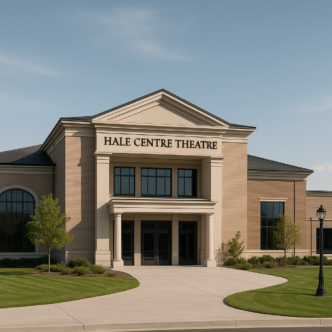

Innovation centers are becoming a big deal. Think of them as special places where companies and researchers get together to dream up and build new stuff. It’s not just about having a cool office; these places are set up to help ideas go from a simple thought to something you can actually touch and test. They’re all about looking ahead, seeing what technologies might be big next, and figuring out how to use them to solve real problems for businesses and people. It’s a pretty exciting way to get things done.
Key Takeaways
- Innovation centers are evolving, acting as hubs that turn client ideas into real prototypes by exploring new tech and trends.
- Global innovation centers in North America, Europe, and Asia-Pacific are connecting different regions for collaborative progress.
- Specialized labs are focusing on areas like sustainability, public sector needs, and Industry 5.0 to address specific challenges.
- Technology like AI, VR, and robotics is being used in these centers to help people create new things together.
- Building strong relationships with universities, startups, and governments is key to growing the innovation ecosystem and bringing value to businesses.
The Evolving Landscape of the Innovation Center
Innovation centers aren’t what they used to be. Gone are the days of sterile labs filled with whirring machines and little else. Today’s innovation centers are dynamic, collaborative spaces designed to tackle complex business challenges head-on. They’ve become essential hubs where ideas are not just generated but are actively shaped into real-world solutions. The core mission has shifted from simply exploring new tech to actively driving client-specific outcomes.
These centers are evolving rapidly, adapting to new technologies and client needs. Think of them as incubators for the future, but with a practical, business-focused approach. They provide the environment and the tools necessary to move from a "what if" to a "here’s how."
Catalyzing Client-Driven Innovation
What’s really changed is the focus. It’s less about internal R&D and more about working directly with clients to solve their unique problems. This means the centers are set up to be highly interactive. They host workshops where clients and experts brainstorm together, using specialized tools and methodologies. The goal is to understand the client’s specific challenges and then co-create solutions tailored to their business. It’s a partnership, not just a service.
Bridging Ideation to Tangible Prototypes
This is where the magic happens. An idea is great, but seeing it in action is better. Innovation centers excel at taking those initial concepts and turning them into working prototypes. This could involve anything from developing a new app interface to testing a robotic process. Having the right technology and skilled people in one place makes this rapid prototyping possible. It allows businesses to test and refine ideas quickly, reducing risk and speeding up time to market. For instance, a center might use advanced simulation tools to test a new supply chain model before any physical changes are made, offering a glimpse into future operational efficiencies.
Exploring Future Trends and Technologies
Beyond immediate client projects, these centers also act as scouts for the future. They dedicate resources to understanding emerging technologies and trends, like AI, quantum computing, or the latest in hematology-oncology research. This foresight allows them to anticipate how these advancements might impact different industries and to prepare clients for what’s next. It’s about staying ahead of the curve, not just reacting to it. This proactive approach helps businesses identify opportunities and threats long before they become mainstream concerns.
Global Hubs for Collaborative Advancement
Innovation isn’t confined to a single office or even a single country anymore. It’s a global effort, with different regions bringing unique strengths to the table. These innovation centers act as meeting points, bringing together diverse minds and resources to tackle complex challenges.
North American Innovation Ecosystems
North America boasts a dynamic network of innovation hubs, each with its own flavor. From the tech-rich corridors of Silicon Valley to the burgeoning tech scenes in cities like Montreal and Denver, these centers are hotbeds for new ideas. They often focus on areas like artificial intelligence, cloud computing, and digital transformation, aiming to turn concepts into real-world applications. The sheer concentration of talent and investment in these areas makes them critical for driving technological progress. Many of these centers are strategically located near universities and research institutions, creating a fertile ground for collaboration. For instance, the Global Innovation Index 2025 points to clusters like San Jose–San Francisco as major drivers of economic activity [9002].
European Centers of Excellence
Across the Atlantic, Europe is home to a variety of specialized innovation centers. Think of hubs in places like Helsinki, focused on areas like supply chain management and AI, or centers in the UK, which often work on national security applications using advanced tech like mixed reality. Germany’s innovation labs, for example, are equipped with cutting-edge tools like robotics and VR, turning ideas into working prototypes. These centers often partner with local universities, bringing academic research into practical business use. The World Economic Forum is also establishing new centers in Europe focused on AI and the energy transition [4a34].
Asia-Pacific Innovation Networks
The Asia-Pacific region is a powerhouse of innovation, with clusters like Tokyo–Yokohama and Shenzhen–Hong Kong–Guangzhou leading the charge according to the Global Innovation Index 2025 [9002]. These areas are known for their rapid development in areas like consumer electronics, advanced manufacturing, and increasingly, artificial intelligence. Innovation centers here often focus on rapid prototyping and scaling solutions to meet the demands of large, fast-moving markets. They are crucial for developing technologies that can reach a massive user base quickly.
Specialized Innovation Labs and Studios
Innovation centers aren’t all cookie-cutter spaces. Many are now focusing on really specific areas, becoming specialized labs and studios. Think of them as highly focused workshops, each tackling a particular challenge or technology. This approach allows for deeper exploration and faster progress in niche fields.
Sustainability and Environmental Data Science Labs
These labs are all about tackling our planet’s big problems. They bring together experts in environmental science, data analysis, and technology to figure out how we can live more sustainably. It’s a place where ideas for reducing waste, monitoring pollution, or developing cleaner energy sources can be tested and refined. The goal is to use data and smart tech to help businesses and communities become more eco-friendly. For instance, a lab might work on developing better ways to track carbon emissions or create models for managing natural resources more effectively. It’s a growing area, and these labs are at the forefront of finding practical solutions. You can find places like the Sustainability Innovation Lab in Leicester, which partners with universities to push research forward.
Federal and Public Sector Innovation Spaces
Government agencies and public sector organizations have unique needs, and specialized innovation spaces are popping up to meet them. These aren’t your typical corporate labs. They’re designed to help public servants tackle complex societal issues, from improving citizen services to enhancing national security. Often, these spaces are located near government centers, like the Federal Innovation Center in Arlington, VA, which is close to Washington D.C. They provide a neutral ground for collaboration between government officials, tech experts, and sometimes even the public. Think about using advanced visualization tools to understand urban planning challenges or developing secure digital platforms for government services. The focus is on practical, impactful solutions for the public good.
Industry 5.0 and Digital Transformation Hubs
Industry 5.0 is the next big step for manufacturing and industry, and these hubs are where it’s happening. They focus on the intersection of humans and machines, using technologies like AI, robotics, and the Internet of Things (IoT) to create smarter, more efficient, and more adaptable production systems. These hubs are all about co-creation, working directly with manufacturers to design the factories of the future. You might see demonstrations of digital twins, where a virtual replica of a physical asset is used for testing and optimization, or explore how augmented reality can help workers on the factory floor. The Industry 5.0 Center of Excellence in Toulouse, for example, is dedicated to helping clients realize the benefits of these advanced technologies. It’s a hands-on environment for developing new manufacturing solutions and improving existing ones through innovation.
Leveraging Technology for Co-Creation
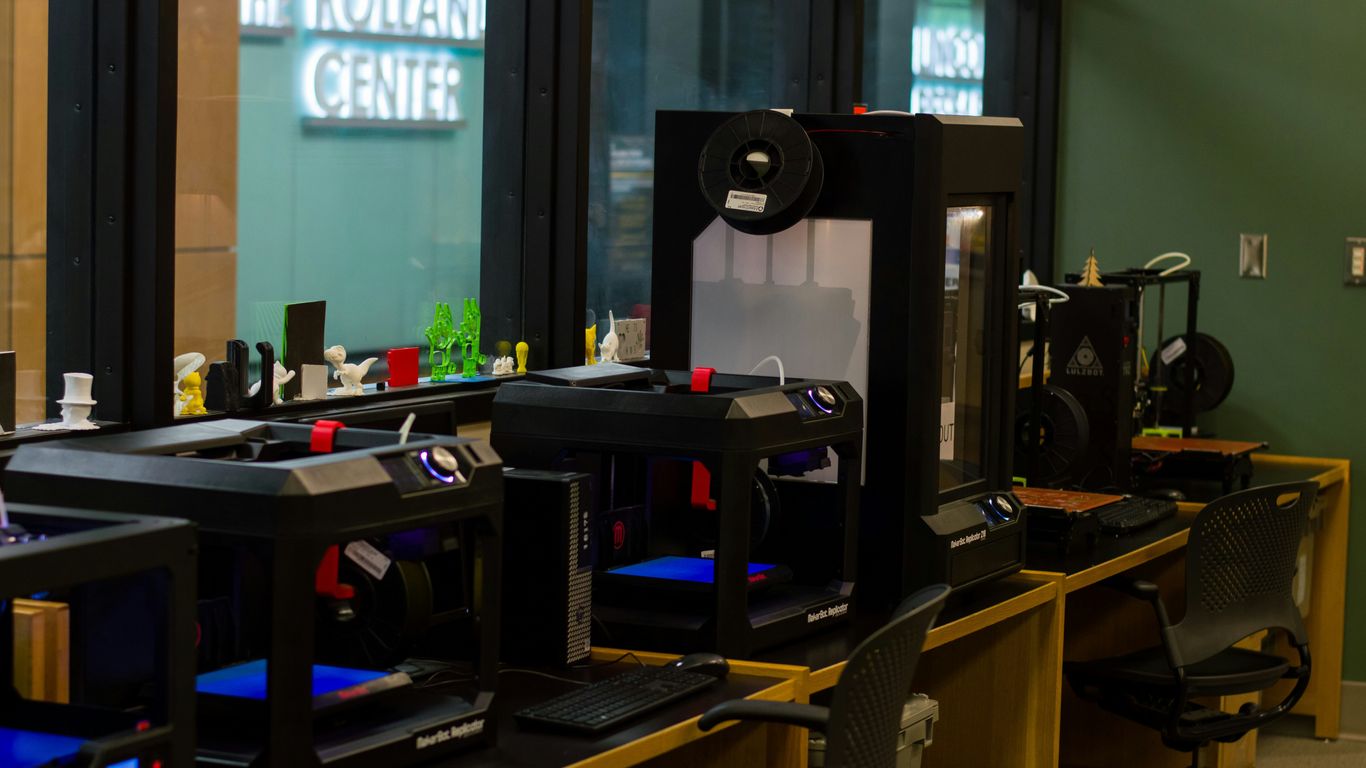
Innovation centers aren’t just about brainstorming; they’re increasingly about hands-on creation, and that’s where technology really shines. We’re talking about using cutting-edge tools to turn abstract ideas into something you can actually touch and test. It’s about making innovation tangible, faster.
Artificial Intelligence and Machine Learning Exploration
AI and ML are huge right now, and innovation centers are diving deep into them. Think about using AI to sift through massive amounts of data to spot trends nobody else sees, or building ML models that can predict customer behavior with surprising accuracy. It’s not just theoretical; centers are setting up dedicated spaces to experiment with these technologies. For instance, some are using AI to analyze consumer sentiment in real-time, which is pretty wild when you think about it. This allows businesses to get a feel for what people actually want, not just what they think they want. It’s a way to get ahead of the curve and really understand your market. We’re seeing a lot of work in areas like generative AI too, exploring how it can help create new content or even design new products. It’s a whole new ballgame for product development.
Virtual, Augmented, and Mixed Reality Experiences
VR, AR, and MR are moving beyond just gaming. Innovation centers are using these immersive technologies to create realistic simulations for training, product design, and even customer experiences. Imagine being able to walk through a virtual factory floor before it’s built, or using AR to overlay product information onto a physical item in a store. It’s a powerful way to visualize complex ideas and test them in a safe, controlled environment. Some centers are even using holographic projections to demonstrate emerging technologies, which sounds like something out of a sci-fi movie, but it’s happening now. This kind of visualization can really help stakeholders grasp the potential of new solutions and make better decisions. It’s all about making the future feel present.
Advanced Robotics and IoT Integration
Robotics and the Internet of Things (IoT) are also big players. Innovation centers are exploring how robots can work alongside humans in new ways, making manufacturing more efficient and adaptable. And IoT? It’s about connecting everything – devices, machines, even entire systems – to collect data and automate processes. Think about smart factories where machines talk to each other, optimizing production on the fly. Or using IoT sensors to monitor environmental conditions for sustainability projects. These centers are building out the infrastructure to test these integrations, creating proofs of concept that show how these connected systems can actually work in the real world. It’s about building smarter, more connected environments that can respond dynamically to changing needs. Exploring these platforms can help organizations find the right tools for their specific needs, like Ideawake for managing external ideas.
Fostering Partnerships and Ecosystem Growth
Innovation doesn’t happen in a vacuum. It really thrives when different groups come together, sharing ideas and resources. Think of it like a big potluck – everyone brings something different, and the result is a much richer meal than if one person tried to cook it all.
University and Research Collaborations
Universities are goldmines of new thinking and cutting-edge research. Working with them means getting access to brilliant minds and fresh perspectives that might not be on the typical business radar. These partnerships can lead to:
- Joint research projects that tackle big, complex problems.
- Access to specialized labs and equipment you might not have in-house.
- A pipeline of talented graduates ready to join your team.
It’s a great way to stay ahead of the curve and explore ideas that are still in their early stages. Many innovation centers actively seek out these connections to keep their work relevant and forward-thinking. For example, the Sustainability Innovation Lab in Leicester works closely with the University of Leicester on environmental data science, showing how this kind of teamwork can really push boundaries.
Startup and Scale-Up Engagement
Startups are often where the most disruptive ideas are born. They’re agile, they’re hungry, and they’re not afraid to try something completely new. Innovation centers can act as a bridge, connecting these nimble companies with larger organizations that have the resources to help them grow. This isn’t just about funding; it’s about mentorship, market access, and helping them navigate the complexities of scaling. Supporting scale-ups is particularly important, as they often face unique challenges that traditional incentives don’t address. Many regions are looking for better ways to support these growing businesses, offering things like milestone-based grants and connections to potential customers. This kind of targeted support can make a huge difference in keeping innovative companies local and attracting new ones to the area. Building and managing these partner ecosystems is key to achieving significant expansion and competitive advantage.
Public-Private Sector Synergies
When governments and private companies team up, amazing things can happen. Governments can provide the foundational support – think infrastructure, regulatory sandboxes, or even pilot funding – that de-risks innovation for businesses. This collaboration can spark a positive cycle, attracting more investment and talent to a region. For instance, public-private partnerships have been instrumental in creating innovation districts, like the one in Detroit, which brought together Ford, the state, and the city. These joint efforts can accelerate the adoption of new technologies and create environments where both startups and established companies can flourish. It’s about aligning goals and sharing the journey towards progress.
Driving Business Value Through Innovation
Innovation centers aren’t just about cool ideas; they’re about making those ideas work for the business. It’s where concepts move from a whiteboard sketch to something that actually makes money or solves a real problem. Think of it as the engine room for growth, turning creative sparks into tangible results.
Accelerating Digital Transformation Journeys
Many companies are trying to get their digital stuff together, and innovation centers are key players here. They help figure out what new tech actually matters and how to use it. It’s not just about buying new software; it’s about rethinking how the whole company operates. This can mean anything from using AI to make customer service better to setting up new ways to manage supply chains. The goal is to make the business run smoother and smarter, not just more digital. This often involves a structured approach to innovation, covering everything from market research to getting new products out the door. You can find courses that cover this end-to-end process to help guide your strategy.
Developing Tangible Business Concepts
This is where the rubber meets the road. Innovation centers take promising ideas and turn them into something concrete. This could be a working prototype, a detailed business plan, or even a pilot program. They help assess the market, figure out the technical side, and plan how to actually build and sell it. It’s about reducing the guesswork and making sure that what’s being developed has a real shot at success. Sometimes, this involves partnerships to share the load and the risk.
Enhancing Customer Experiences
Happy customers are repeat customers, right? Innovation centers focus a lot on how new ideas can make things better for the people using the company’s products or services. This might involve using data to understand what customers really want, creating more intuitive interfaces, or developing entirely new ways for customers to interact with the brand. It’s about building loyalty and making sure the business stays relevant by constantly improving what it offers. This often means looking at things like AI for personalized recommendations or VR for immersive product demos. The focus is on creating value that customers can see and feel.
The Road Ahead
So, what does all this mean for the future? It’s pretty clear that these innovation centers are more than just fancy buildings. They’re becoming the places where big ideas get tested, where people from different backgrounds can actually work together, and where new tech can move from a concept to something real, fast. Whether it’s figuring out how people feel about a new product using AI or building the next big thing in manufacturing, these hubs are key. They’re not just about keeping up; they’re about getting ahead and making sure businesses and communities are ready for whatever comes next. It’s a pretty exciting time to see what they come up with.