Alright, so 2025 has been a wild ride for ads, right? It feels like every other day there’s something new popping up that makes you stop and think, ‘Wow, I wish I’d thought of that.’ We’ve been keeping our eyes peeled, and let me tell you, there have been some real standouts. From brands playing with humor to those getting super clever with how they talk to us, it’s been a pretty interesting year for marketing. We’ve gathered up some of the best advertisements 2025 has to offer, and we’re excited to share what really caught our attention.
Key Takeaways
- Original ideas really grab people’s attention. Ads that feel fresh and relevant help brands stand out.
- Ads that don’t feel pushy or annoying tend to get more trust and engagement from people.
- Content that feels real, uses humor, or is just honest helps build better connections with audiences.
- Getting people involved, like with user-generated content, helps build a community and gets more people participating.
- Campaigns that work both online and in the real world often leave a bigger impression.
1. Chicken Of The Sea
Remember that old clip of Jessica Simpson on MTV’s The Newlyweds, totally confused about tuna being called ‘Chicken of the Sea’? Yeah, that was way back in 2003. Well, Chicken of the Sea decided to have some fun with that iconic moment this year. They brought back Jessica’s daughter, Maxwell, for a new ad that plays on that same famous mix-up.
It’s a pretty clever way to tap into nostalgia. Most of us who remember the original moment probably got a good chuckle out of seeing the brand acknowledge it so directly. It shows they don’t take themselves too seriously, which is always a good sign for a brand. Plus, using a family connection like that adds a nice personal touch. It’s not just about selling canned fish; it’s about a shared pop culture memory. This ad really nailed the balance between humor and brand recognition.
Here’s what made it work:
- Nostalgia Factor: Directly referencing a well-known pop culture event from two decades ago.
- Family Connection: Featuring Jessica Simpson’s daughter, Maxwell, adds a fresh, generational angle.
- Self-Aware Humor: The brand poking fun at a past viral moment shows personality.
- Simple Storytelling: The ad doesn’t try to be complicated; it just revisits a funny, relatable confusion.
2. Love Holidays
This year, Love Holidays really nailed it with their advertising. Instead of just showing pretty pictures of beaches, they focused on what actually makes a holiday great: happy customers. They cleverly wove positive customer reviews right into the ads themselves, making it feel super trustworthy and relatable.
It’s a smart move because, let’s be honest, we all check reviews before booking anything, right? Love Holidays took that idea and ran with it, turning a standard practice into a memorable campaign. They basically said, "Don’t just take our word for it, listen to everyone else who had an amazing time!"
Here’s what made their approach work:
- Authenticity: Using real customer feedback makes the brand feel more genuine.
- Relatability: People see themselves in the positive experiences shared by others.
- Trust Building: Direct quotes and high ratings are hard to argue with.
It’s a simple concept, but executed really well. They managed to make booking a holiday feel less like a transaction and more like a promise of a good time, backed up by proof.
3. Surreal Cereal
Okay, so Surreal Cereal totally nailed it this year with a campaign that’s both clever and a little bit cheeky. Instead of shelling out big bucks for celebrity endorsements, they went a different route. They featured regular folks who just happen to share names with famous people – think Michael Jordan or Dwayne Johnson, but not those guys. It’s a funny way to get people to do a double-take, right?
This approach really plays on how brands usually try to grab our attention. It’s like they’re saying, “We don’t need a superstar to be noticed.” The billboards they put up, quoting these everyday people, were a nice touch too. It felt like a gentle poke at the whole celebrity endorsement scene, which, honestly, feels a bit overdone these days.
Here’s what made it work:
- Humor and Surprise: The unexpected twist of using common names instead of famous ones caught people off guard.
- Cost-Effective: It’s a smart way to get brand recognition without the massive expense of celebrity deals.
- Talkability: The campaign generated buzz because it was different and made people want to share it.
It’s a great example of how you can be creative and honest in your marketing. They managed to get noticed and make a memorable impression, all without breaking the bank. It’s a refreshing change from the usual advertising noise, and honestly, it’s just plain fun to see. You can check out some of their minimalist billboards that highlighted this old and new packaging strategy.
4. Marc Jacobs x Nara Smith
This collaboration between Marc Jacobs and Nara Smith really hit the mark, especially on platforms like TikTok. It felt super fresh and totally in tune with what people are into right now. The whole idea of ‘baking’ a tote bag from scratch was just brilliant – it was funny, unexpected, and honestly, pretty captivating. It’s the kind of creative thinking that makes you stop scrolling and pay attention. They managed to blend Nara’s unique style with the Marc Jacobs brand in a way that felt both authentic and playful. It’s a great example of how brands can connect with audiences by doing something a little bit silly and unexpected.
5. Turbo Tax
Okay, so TurboTax. This one definitely sparked some conversation, and not necessarily in the way you’d expect. It landed on a few ‘honorable mention’ lists, which is interesting because the ad itself is… well, it’s something.
Some folks found it so poorly done that it actually became a talking point, popping up on Reddit threads about bad ads. The imagery used was a bit jarring – a low-res, photoshopped bald guy with a mustache that felt like it was from a decade ago. It made you wonder about the thought process behind it. Was it an AI-generated image? Was it a super cheap Fiverr gig?
Whether it actually drove people to file their taxes, we might never know, but it certainly got a laugh and made people talk. It’s a reminder that sometimes, even a questionable ad can grab attention, for better or worse. It’s a wild world out there for advertising, and TurboTax definitely threw a curveball into the mix this year. It makes you think about how AI agents can automate key financial tasks, but the creative side of marketing is still a whole different ballgame [8585].
Here’s a quick rundown of why it stood out (even if for the wrong reasons):
- Unconventional Visuals: The ad featured a dated and somewhat bizarre image that immediately caught attention.
- Viral Potential (of sorts): Its perceived poor quality sparked online discussions and memes.
- Memorability: Love it or hate it, you probably remember seeing it.
It’s a good example of how sometimes the most unexpected ads can stick with you, even if it’s just to question their existence.
6. Curry’s Samsung Laptop
Curry’s really hit it out of the park with their Samsung laptop ad this year. It’s one of those commercials that actually makes you want to watch it, which is saying something, right? They managed to blend humor and product promotion without it feeling forced or cheesy.
The ad starts off with this silly, attention-grabbing bit of water bottle kicking. It’s unexpected and funny, and you’re immediately hooked. Then, another Curry’s employee pops in, and just like that, the focus shifts to the Samsung laptop. They highlight its features in a way that feels natural, not like a lecture.
What I liked most was the ending. It’s got this punchline that ties everything together and leaves you with a clear message: "Head on down to Curry’s now." It’s lighthearted, entertaining, and gets the job done.
Here’s a quick breakdown of why it worked:
- Humorous Opening: The water bottle kicking gag grabs attention instantly.
- Smooth Transition: The shift from comedy to product features feels natural.
- Clear Call to Action: The ending is memorable and tells you exactly what to do.
- Relatable Scenario: It captures the everyday interactions you might see in a store.
It’s a great example of how to make advertising fun and memorable, proving that you don’t need a huge budget or a dramatic storyline to make an impact. Sometimes, a bit of silliness and a clear message is all it takes.
7. The Ordinary
This year, The Ordinary really shook things up with an ad that was both simple and incredibly smart. Instead of throwing money at big-name celebrities, they went with a striking visual: a massive pile of cash. It’s a bold statement, right? They’re basically saying their real value comes from fair pricing, not from paying someone famous to hold their product.
It’s a refreshing change from the usual advertising noise. Here’s what made it work:
- Transparency: The cash mountain visually represents affordability and a commitment to keeping costs down for the customer.
- No Celebrity Hype: By skipping endorsements, they position themselves as a brand that trusts its product quality to speak for itself.
- Consumer-First Approach: It feels like they’re on the consumer’s side, cutting out the middleman (the celebrity fee) and passing the savings on.
This kind of direct, honest marketing really cuts through. It makes you stop and think, and honestly, it makes you trust the brand a little more. In a world full of flashy ads, sometimes the most effective message is the one that’s just plain clear about its priorities.
8. Lucky Energy Drink
Okay, so Lucky Energy Drink totally nailed it this year with a campaign that plays on those super common, sometimes questionable, marketing claims. You know, the ones that make you squint and wonder if they really mean it?
Their ad cleverly positioned a truck and declared it the ‘#1 Energy Drink in New York,’ with the asterisk leading to the fine print: ‘On this truck.’ It’s a smart, funny way to poke fun at how brands try to grab your attention. It’s not just about being loud; it’s about being clever.
This approach really stands out because it uses humor and a bit of honesty to cut through all the noise. In a world full of over-the-top promises, Lucky Energy Drink’s straightforward, albeit cheeky, message is refreshing. It makes you think, and it definitely makes you remember the brand.
Here’s what made it work:
- Playful Satire: They didn’t just make a claim; they made a joke about making claims.
- Honest (Sort Of): The asterisk and fine print add a layer of transparency that’s surprisingly effective.
- Memorable Hook: It’s the kind of ad that gets people talking and sharing because it’s unexpected and witty.
9. Bebax Coffee
Okay, so Bebax Coffee really caught my eye this year. They won an award for their April/May ad, and honestly, it’s easy to see why. The ad itself is this super cool video where they pour coffee right onto what looks like an Instagram caption. It’s a neat trick that makes you stop scrolling, you know?
What I liked most was the sound. They really nailed the ASMR of the coffee pouring. It’s one of those ads where you can almost smell the coffee and feel the warmth, making you want a cup right then and there. It’s a smart way to make a product look appealing without just showing a person drinking it.
Here’s what made it work:
- Visual Intrigue: The coffee pouring over text is unexpected and grabs attention.
- Sensory Appeal: The sound design makes the coffee seem incredibly inviting.
- Honesty in Marketing: It feels real and relatable, not overly produced.
It’s a good reminder that sometimes the simplest, most direct approach, done really well, is the most effective. They didn’t need a big celebrity or a complicated story; just a great shot of coffee and good sound. Pretty clever.
10. Kitkat
This year, KitKat really leaned into the visual side of advertising, and it paid off. One campaign that caught our eye was their clever use of design to reinforce their classic "take a break" slogan. They basically made the KitKat bar itself look like a calendar page.
It’s a simple idea, but it works so well. You see the familiar chocolate bar, and then you see it integrated into a calendar grid. For anyone who’s ever felt swamped with work, it’s an instant visual cue. It’s the kind of ad that makes you nod and think, "Yeah, that makes sense."
Here’s what made it stand out:
- Visual Reinforcement: The design directly tied into the product’s core message.
- Audience Connection: It spoke to busy professionals who appreciate a moment of pause.
- Simplicity: No complex story, just a clear, memorable image.
It’s a great example of how a well-known brand can keep its message fresh through smart design. They also introduced new KitKat Minis, playing on the idea of smaller, shareable breaks. It’s a good reminder that sometimes, the most effective advertising is the most straightforward.
11. Purple Mattress
Purple Mattress really leaned into humor for their 2025 ad campaigns, and honestly, it worked. They’ve got this knack for taking a simple product – a mattress – and making it incredibly memorable.
One of their standout ads plays on a classic scenario: a robbery. But instead of a tense standoff, the robbers break into a house, find a Purple Mattress, and promptly fall asleep. Even the police who show up can’t resist and end up snoozing on it too. It’s a funny, over-the-top way to show just how comfortable their mattresses are. It’s the kind of ad that sticks with you because it’s unexpected and genuinely amusing.
They also seem to be focusing on a few key selling points:
- Irresistible Comfort: The ads consistently show people (or even criminals) being unable to resist falling asleep on the mattress.
- Unique Product Features: While the humor is front and center, they manage to weave in mentions of what makes the Purple Mattress different, like its special comfort grid.
- Broad Appeal: By using relatable, albeit exaggerated, situations, they make the idea of a good night’s sleep something everyone can connect with.
It’s refreshing to see a brand use humor so effectively without being cheesy. They’re not just selling a mattress; they’re selling an experience of ultimate relaxation, and they do it with a smile.
12. Get Phyllo
Okay, so Get Phyllo totally nailed it with their email marketing this year. Instead of just sending out the same old boring sales pitch, they went with a meme format. Seriously, a meme! It’s so unexpected and funny that it actually makes you want to read it.
Think about it: how many emails do you just delete without even looking? Most of them, right? Get Phyllo’s approach cuts through all that noise. They used humor and a personal touch, which makes the whole thing feel way more human. It’s not just some faceless company trying to sell you something; it feels like a real person reaching out.
Here’s why it worked so well:
- Unexpected Format: Using a meme immediately grabs attention and breaks the monotony of a typical inbox.
- Humor and Personality: It shows they don’t take themselves too seriously and are relatable.
- Connection Building: This approach helps create a genuine connection with the recipient, making them more receptive to the message.
It’s a smart move that shows how creative marketing can really make a difference. They didn’t just send an email; they sent an experience.
13. Aquaphor x Moo Deng
Okay, so this Aquaphor ad with Moo Deng? It’s a prime example of brands jumping on a viral moment and actually making it work. You know Moo Deng, the internet’s favorite hippo? They basically took that cuteness factor and tied it into the whole ‘slugging’ skincare trend – you know, where you put on a thick layer of moisturizer to keep your skin hydrated.
It’s clever because it taps into something people are already talking about online and makes Aquaphor seem relevant and effective for deep moisture. It’s not just about showing the product; it’s about connecting it to a relatable, adorable meme and a popular skincare hack. This kind of approach really grabs attention because it feels less like a direct sales pitch and more like a fun nod to internet culture. It’s a smart way to get people talking and remembering the brand for its moisturizing power.
14. Green Light
Okay, so Green Light really nailed it this year with their ad campaign. It’s one of those things that makes you stop and think, ‘Wow, that’s clever.’ They took a bunch of popular songs and arranged them in a way that spells out a really funny and relatable sentence. It’s a subtle, creative approach that speaks directly to the audience without feeling like an overt sales pitch.
This kind of marketing is a breath of fresh air, especially in the digital space where everyone’s trying to shout the loudest. By using music, something most people enjoy, they managed to create a message that’s both fun and memorable. It’s a smart way to get their brand name out there without being pushy.
Here’s what made it work so well:
- Musical Mashup: Cleverly using song titles to form a coherent, humorous message.
- Relatability: The message itself was something many people could connect with.
- Brand Integration: The brand name, Green Light, was naturally woven into the campaign.
It’s a great example of how to do green marketing campaigns right – engaging, creative, and effective. Definitely one of the standout ads of 2025.
15. Vim – Prison Cleaner
Okay, so this Vim ad is a bit of a throwback, from way back in 2005, but it’s one of those that just sticks with you. It’s a really clever way to show what Vim actually does. The ad paints cleaning like it’s some kind of prison sentence, you know? You’re stuck, feeling trapped by all the mess. It takes this everyday chore that nobody really likes and turns it into this funny, dramatic story.
The whole point is that Vim makes cleaning so fast and easy, it’s like breaking out of jail. It’s a pretty memorable way to get across that their product saves you time and hassle. It’s a good example of how a little creativity can make even the most boring task seem interesting.
Here’s what makes it work:
- Relatable Problem: Everyone feels overwhelmed by cleaning sometimes.
- Humorous Solution: Dramatizing the chore makes it entertaining.
- Clear Benefit: Vim gets you out of cleaning duty quickly.
16. Heinz
You know, Heinz is a brand that really knows how to handle a sticky situation. This year, they tackled a problem that many food companies probably face: restaurants refilling their signature bottles with cheaper, generic ketchup. It’s a sneaky move that messes with brand loyalty and, let’s be honest, the taste.
Heinz, working with Wunderman Thompson, didn’t just sit back. They launched this really clever campaign called "Ketchup Fraud." It was pretty smart, using a few different tactics to get the word out. One of the coolest parts was the introduction of special labels. These labels had a specific color stripe, matched exactly to the shade of real Heinz ketchup. It was a simple, visual way for anyone to check if they were getting the real deal. It’s a brilliant example of how a simple visual cue can make a big difference.
They also got people involved on social media, asking them to use the hashtag #KetchupFraud to report suspicious refills. This not only helped Heinz gather information but also turned customers into brand detectives. Plus, they released these funny "caught-in-the-act" style videos and images that looked like social media posts, showing the refilling process. It was a bit cheeky, but it definitely got people talking.
The campaign wasn’t just online, either. They put up big ads in cities like New York and Chicago, ran print ads, and used newspaper inserts. It was a full-on media push. It’s a great case study in how to protect your brand when things get a little shady. You can find more details on innovative marketing campaigns like this here.
17. LEGO
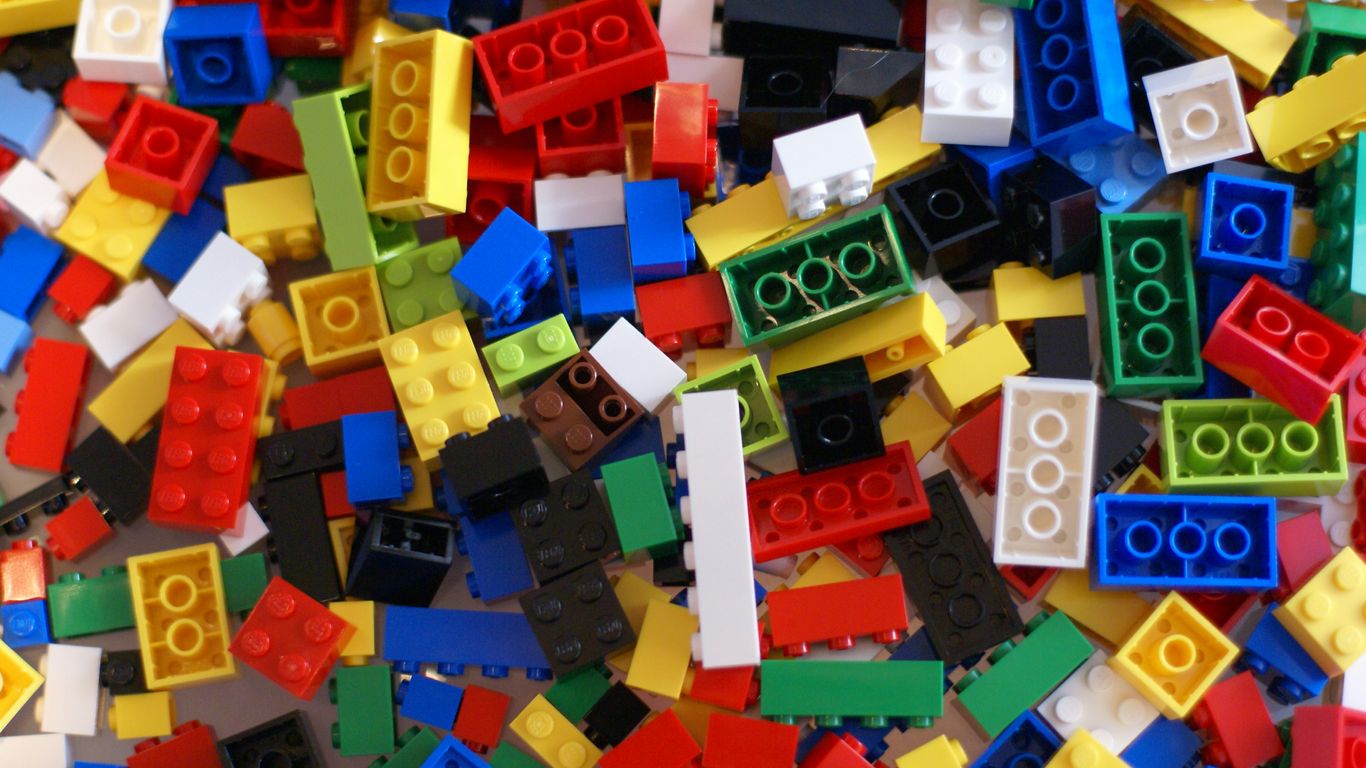
LEGO really knocked it out of the park this year, especially with their Botanicals line. They tapped into the adult market in a super smart way. Think TikTok challenges where florists built cool stuff with the LEGO flowers, and then a Valentine’s Day Instagram thing with gorgeous arrangements. They even turned one of their stores into a temporary florist shop called “Le Florist.” It was a whole vibe.
They managed to blend online fun with a real-world experience, which made it feel really complete and engaging. It’s a great reminder that mixing digital and physical can make a campaign stick. Plus, who doesn’t love a good creative challenge? It just goes to show that sometimes, the simplest ideas, like playing with building blocks, can lead to some seriously impressive marketing moments.
18. Uber Eats
Uber Eats really leaned into the idea of "almost anything" with their "Get Almost, Almost Anything" campaign this year. It was pretty funny, honestly. They showed all these scenarios where you could get stuff delivered, but with a little wink and a nod that, yeah, they don’t actually have everything. Think less time machine, more late-night snack.
This approach felt super relatable. We all know no delivery service is magic, and Uber Eats played on that. It’s a smart way to manage expectations while still showing off how much they can do. They used humor, which, let’s be real, is a great way to get people to pay attention. Plus, seeing celebrities in these silly situations just made it more memorable.
Here’s what made it work:
- Humor and Relatability: Admitting they can’t deliver everything made them seem more human.
- Broadened Appeal: Showcased that they deliver more than just food, like groceries and household items.
- Creative Storytelling: The commercials were entertaining and stuck with you.
It’s a good reminder that sometimes, being a little self-aware in your advertising can go a long way. They’re really pushing the boundaries of what on-demand delivery means these days, and it’s working.
19. Solo Stove
Okay, so Solo Stove really nailed it this year with their marketing. Remember that whole buzz around Snoop Dogg ‘quitting smoking’? Turns out, it was all a setup for their ‘Smokesman’ campaign. Pretty clever, right? They used his fame to get everyone talking, and then BAM! He’s promoting their smokeless fire pits.
The whole idea was to highlight how their fire pits don’t produce smoke, which is a pretty big deal for anyone who’s ever sat around a campfire and ended up smelling like a bonfire for days. It’s all thanks to their special airflow system that makes sure the fire burns really clean.
Here’s a quick breakdown of why it worked so well:
- The Teaser: Snoop’s announcement was super mysterious and got people guessing. It was a smart way to grab attention before the big reveal.
- The Reveal: The ads showed Snoop chilling by a smokeless fire pit, with the tagline "No smoke, just fire." It was funny and directly showed off the product’s main benefit.
- The Reach: They used social media, videos, and influencers, which meant tons of people saw it. It’s a great example of how to use a celebrity endorsement effectively.
This campaign really showed how you can combine humor with a well-known personality to make a product memorable. It’s not just about selling a fire pit; it’s about creating a whole story around it. If you’re curious about how they achieve that signature flame, you can check out how their patented flame works. It’s pretty neat technology.
20. Gemini App
Google’s Gemini app really made a splash this year, especially with its iOS launch. The ads for this were pretty straightforward, using bold text and clean designs that just screamed ‘Google.’ It was hard to miss, and that’s usually a good sign for an ad campaign.
One of the coolest things they’ve been doing is integrating with things like Google’s Nano Banana. This lets users turn their own photos into 3D models, which is pretty wild. You can basically create little collectibles from your selfies just by typing what you want. It’s a fun way to get creative with your digital stuff, and it feels like something new and exciting in the app space. This kind of user-generated creativity is definitely a trend to watch.
It’s interesting to see how apps are finding unique ways to connect with people beyond just their core function. The Gemini app seems to be doing just that, making itself more than just a tool, but a platform for digital expression. It’s a smart move in today’s crowded app market.
21. CarBravo
CarBravo really jumped on the Barbie train this year, and honestly, it was pretty smart. They took advantage of all the hype around the Barbie movie by buying up those ridiculously overpriced toy Barbie cars. Then, they turned around and resold them at fair prices through a funny little Shopify site. It was a clever move because it wasn’t just about selling toys; it was a statement. In a market where things can get crazy expensive, they showed that being fair still matters. This campaign for CarBravo actually led to a significant amount of car sales, something like $2.3 million, and gave them a huge return on investment. It was a great example of how to use a cultural moment to connect with people and show what your brand is all about. It’s a good reminder that sometimes, the most effective advertising isn’t about a big budget, but about being timely and strategic. You can see how they played into the cultural conversation around fair pricing and made it work for them.
22. Headspace
Headspace really hit the mark this year with their approach to mental wellness advertising. Instead of just talking about stress or anxiety, they showed us how to actually deal with it. Their ads felt less like commercials and more like little moments of calm themselves.
They focused on practical, easy-to-follow advice. Think short animations that break down complex feelings into simple steps. It’s like having a friendly guide right there with you. The brand’s ability to make mindfulness accessible and not intimidating is what truly sets them apart.
Here’s what made their campaigns so effective:
- Relatable Scenarios: They used everyday situations – a tough day at work, feeling overwhelmed by news – making their solutions feel relevant.
- Actionable Tips: Each ad offered a concrete technique, like a quick breathing exercise or a short meditation, that viewers could try right away.
- Consistent Tone: The ads maintained a gentle, reassuring voice throughout, reinforcing the brand’s core message of peace and self-care.
It’s refreshing to see a brand that doesn’t just sell a product but genuinely tries to help people feel better. They’ve managed to build a community around well-being, and their advertising is a big part of that.
23. Metta
Metta is really shaking things up in the advertising world, focusing on what they call ‘performance marketing.’ It’s all about making sure ads actually work, not just looking pretty. They’re big on using data and making campaigns that are efficient.
Think about it: you’ve got all these tools and platforms out there, and Metta is trying to make sense of it all. They’re not just throwing ads out there and hoping for the best. Instead, they’re looking at how to get the most bang for your buck. It’s a smart approach, especially when budgets are tight and everyone’s watching their spending.
One of the cool things they’re doing is looking at trends for 2025. They’re talking about how AI is going to play a bigger role, not just as a tool but as actual agents that can help run campaigns. It’s a bit futuristic, but it’s happening. They also mention how important it is to optimize for things like AI assistants and voice search. People are talking to their devices more and more, so ads need to be ready for that.
Here’s a quick rundown of some of their focus areas:
- Performance-driven creative: Making ads that are designed to get results.
- Data analysis: Using numbers to figure out what’s working and what’s not.
- AI integration: Exploring how artificial intelligence can help manage ad campaigns.
- User-generated content (UGC): Recognizing the power of real people sharing their experiences.
They also touch on how important it is to be transparent and build trust. It’s not just about shouting the loudest anymore; it’s about being part of a conversation. This is where things like user-generated content really shine because it feels more real. Metta seems to be on the right track by focusing on genuine connection and measurable results. It’s a shift from the old ways of doing things, and honestly, it feels like a step in the right direction for advertising. They’re also looking at how to work with partners, which is key in today’s market. It’s all about collaboration, not just competition. You can see how this ties into broader Meta advertising trends that are shaping up for the coming year.
24. Purple Mattress

Purple Mattress really knows how to make us laugh, and their ads in 2025 are no exception. They’ve got this knack for taking a simple concept and turning it into something totally unexpected and memorable. Remember that one with the robbers and cops? It’s a perfect example of how they use humor to show off just how comfortable their mattresses are.
The core idea is that the mattress is so incredibly comfortable, it can stop even the most high-stakes situations in their tracks. It’s a playful way to demonstrate the product’s main selling point without being too serious. They manage to highlight the unique features of the Purple Mattress in a way that feels fun and engaging, making you think, ‘Wow, I need to try that.’ It’s this kind of creative storytelling that really makes them stand out in a crowded market. If you’re looking for a mattress that promises serious comfort, the Purple RestorePlus Hybrid Mattress is definitely worth checking out.
25. Lucky Energy Drink and more
Alright, so we’ve talked about a bunch of ads that really nailed it this year. But what about those campaigns that, while maybe not winning the top spot, still managed to grab our attention and make us chuckle or think? Lucky Energy Drink definitely falls into that category.
Their ad was pretty clever, playing on how brands sometimes stretch the truth. They put out this claim, like, "#1 Energy Drink in New York*," and then, in the tiny print, they clarified it was only "*On this truck." It’s a funny way to poke fun at all the over-the-top marketing claims out there. It’s that kind of honest humor that really makes you stop and notice, especially when everything else feels so hyped up. It’s a good reminder that sometimes, just being a little bit real can go a long way.
Beyond Lucky Energy Drink, the year has been full of other memorable moments. We saw brands get creative with humor, like Uber Eats’ "Get Almost, Almost Anything" campaign. They playfully admitted they couldn’t deliver everything, which actually made them more relatable. It’s a smart move to use humor to connect with people; apparently, funny ads get remembered way more often.
And then there are the campaigns that just surprise you. Think about the Apotek ad with the digital screens on train platforms. They made it look like the models’ hair was blowing in the wind from approaching trains – pretty neat visual trick that showed off the product. It’s these kinds of unexpected ideas that keep the advertising world interesting. It shows that you don’t always need a huge budget to make a splash; sometimes, a smart concept is all it takes.
Wrapping It Up
So, that’s a look at some of the standout ads from 2025. It’s been a year of clever ideas, funny moments, and campaigns that really made us think. We saw brands getting creative with humor, using relatable situations, and sometimes just doing something totally unexpected to grab our attention. It’s clear that even with all the new tech out there, a good story and a genuine connection with people still win the day. We’re excited to see what comes next and how advertisers keep pushing the envelope.
Frequently Asked Questions
What makes an ad stand out in 2025?
Ads that are creative, tell a good story, and use new ideas really grab attention. Think ads that are funny, honest, or make you think differently. It’s all about being memorable and connecting with people.
Are celebrity endorsements still important for ads?
While big stars can still help, many brands are finding success with different approaches. Some use humor, relatable everyday people, or even just clever text to get noticed. It’s about being smart and unique, not just famous.
How important is humor in advertising?
Humor is a big deal! It makes ads fun and easy to remember. When people laugh, they feel good about the brand. Many of the best ads use funny situations or clever jokes to make their point.
What role does social media play in today’s ads?
Social media is huge. Ads that do well often use trending sounds, memes, or challenges to get people talking and sharing. They also try to feel more like a conversation than a sales pitch.
Are ads getting shorter or longer?
It really depends on where the ad is shown. Short, punchy videos work well for quick scrolling on social media. But sometimes, a longer, more emotional story can be very powerful if it’s done right and keeps people interested.
What’s the deal with ‘real’ or ‘authentic’ ads?
People like ads that feel real and honest. This means showing everyday life, using genuine emotions, or even admitting when something isn’t perfect. Brands that are transparent and relatable often build more trust with their audience.