The world of virtual reality keeps changing, and Bigscreen VR is back with their latest headset, the Bigscreen Beyond 2. They made a name for themselves with the first Beyond, which was super light and had a great screen. Now, they’re aiming to make things even better with this new model. It seems like they’re really focused on making the experience more comfortable and the visuals even sharper than before. Let’s see what this new bigscreen beyond 2 has to offer.
Key Takeaways
- The Bigscreen Beyond 2 keeps the same sharp micro-OLED screens as the original but adds new pancake lenses for a wider view.
- It’s even lighter than the first model, weighing only 107 grams, making it comfortable for long VR sessions.
- Adjustable IPD is now included, making the headset usable by more people and easier to share.
- The Beyond 2e version adds eye-tracking, which could make interactions more natural and improve performance.
- While it offers a premium PC VR experience, it relies on a wired connection and doesn’t have standalone capabilities like some competitors.
Bigscreen Beyond 2: A Leap Forward
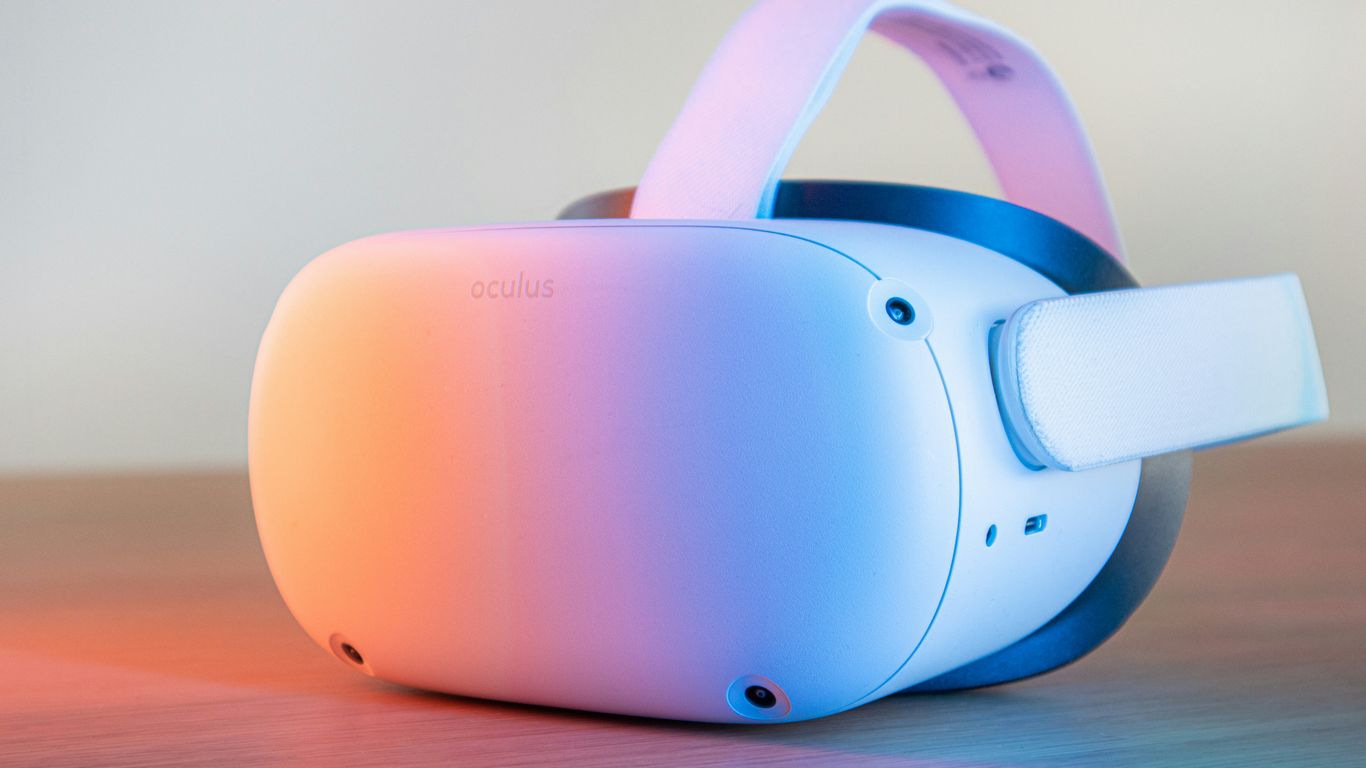
The VR world keeps changing, and Bigscreen VR is back with the Beyond 2, aiming to push things even further. Remember the original Bigscreen Beyond? It was super small and light, which was a big deal. Now, they’ve taken that idea and apparently made it even better. This new headset seems to be all about making VR feel more real and way more comfortable, especially if you’re planning to spend hours in virtual spaces.
Redefining Immersion with Next-Generation Optics
Bigscreen VR isn’t messing with the display resolution this time around, sticking with those sharp 2560×2560 micro-OLED panels. The real magic seems to be in the new pancake lenses they’ve put in. These lenses are supposed to give you a wider view, about 116 degrees diagonally, which should make things feel less like you’re looking through binoculars. They’re also saying the picture is clearer all the way to the edges, with less annoying glare. It’s all about making what you see feel more natural and less like you’re staring at screens.
Enhanced Comfort Through Lighter Design
If you thought the first Beyond was light, get ready. The Beyond 2 is even lighter, coming in at around 107 grams. That’s incredibly light for a VR headset, and it should make a big difference if you like to play games or watch movies for a long time. They’ve also added adjustable IPD, which is a pretty big deal. This means you can actually change the distance between the lenses to match your eyes, making it more comfortable and clearer for more people. It’s a feature that was missing before, and its inclusion makes the headset much more accessible. For those who want the absolute best, there’s the Beyond 2e, which includes eye-tracking. This tech can help make interactions feel more natural and could even improve performance by focusing detail where you’re looking. It’s a neat addition for anyone interested in the cutting edge of VR, especially for social apps like VRChat.
The Beyond 2e: Integrated Eye-Tracking Capabilities
For the ultimate experience, especially if you’re into social VR or want the most advanced features, the Beyond 2e is the way to go. It packs in eye-tracking, which is pretty wild. This system is tiny, using a camera sensor smaller than a grain of sand. Bigscreen VR has developed some clever computer vision tech to make this work, training AI models to understand your eyes. This isn’t just for show; it allows for more realistic avatar expressions in social environments and can help with performance through foveated rendering. It’s a feature that really pushes the headset into a new category of premium VR devices.
Visual Fidelity and Optical Advancements
When we talk about VR headsets, the display and optics are pretty much everything, right? Bigscreen Beyond 2 really doubles down on this, aiming to give you a visual experience that’s hard to beat. They’re sticking with those sweet micro-OLED panels, which is great news for anyone who loves deep blacks and vibrant colors. Seriously, watching movies in a dark virtual room with these displays is something else. It feels like your own private cinema, and you don’t get that annoying screen door effect that pulls you out of the experience.
Retaining Micro-OLED Excellence
The Beyond 2 keeps the micro-OLED displays from its predecessor, and honestly, that’s a smart move. These panels are fantastic for VR because they offer incredible contrast ratios and true blacks. This means that when you’re watching a movie or exploring a dark virtual world, the blacks are actually black, not some grayish approximation. Colors just pop, making everything feel more alive. It’s a big reason why this headset is so good for watching films or playing games where atmosphere is key. Plus, the high resolution means text is sharp and details are clear, which is a huge step up from older VR tech. You can actually read things without squinting!
Pancake Lenses for Wider Field of View
Bigscreen didn’t just stop at the displays; they’ve also upgraded the optics. They’re using pancake lenses, which are a big deal in the VR world. These lenses allow for a slimmer headset design, but more importantly for us users, they help achieve a wider field of view. The Beyond 2 boasts a massive 116° diagonal field of view. This means you see more of the virtual world around you, making the experience feel much more natural and less like you’re looking through binoculars. It really helps with immersion, especially in games or simulations where peripheral vision matters. While earlier versions had some issues with clarity at the edges, updates have made a big difference, offering better edge-to-edge sharpness compared to many other headsets out there. It’s a noticeable improvement for overall visual clarity.
Edge-to-Edge Clarity and Reduced Glare
One of the biggest wins for the Beyond 2 is how clear the image is, all the way to the edges. You know how some VR headsets have a really small
Ergonomics and User Experience
Featherlight Construction for Extended Sessions
When you’re deep into a virtual world, the last thing you want is a heavy headset pulling you back to reality. Bigscreen Beyond 2 really leans into its name with a design that feels almost non-existent. We’re talking about a headset that tips the scales at a mere 107 grams. Seriously, compare that to some of the other big players out there – the Meta Quest 3 is over five times heavier, and some headsets can feel like you’re wearing a small brick. This featherlight build means you can actually wear it for hours without that familiar neck ache creeping in. It’s a game-changer for long movie nights or marathon VRChat sessions. The team focused on making sure every gram counted, even going as far as using an ultra-lightweight fiber optic cable instead of the usual heavier copper ones. It makes a difference, trust me.
Adjustable IPD for Wider Accessibility
Getting the visuals just right is super important, and that’s where the adjustable Interpupillary Distance (IPD) comes in. This lets you tweak how far apart the lenses are to match the distance between your eyes. It’s not just a small adjustment either; the Bigscreen Beyond 2 offers a good range, making it work for a lot more people. Having this flexibility means you get a clearer picture and less eye strain, which is pretty much the goal, right? It’s a simple feature, but it makes a big difference in how comfortable the headset feels over time. It’s great that they’ve made it so accessible for different users.
Ultra-Lightweight Fiber Optic Cable
Remember those heavy, clunky cables that always seem to get tangled or pull on your head? Bigscreen Beyond 2 ditches that. They’ve opted for an ultra-lightweight fiber optic cable. This might sound like a small detail, but when you’re trying to stay immersed, every little bit of weight reduction helps. It’s less noticeable, less intrusive, and just generally more pleasant to deal with during extended use. It’s part of that overall push to make the headset feel as light and unobtrusive as possible, letting you focus on what’s happening in VR, not on the gear you’re wearing. This attention to detail is what really sets it apart for serious users who spend a lot of time in virtual environments, like those who enjoy sim racing.
Bigscreen Beyond 2 vs. The Competition
So, how does the Bigscreen Beyond 2 stack up against the other big players in the VR space? It’s a bit of a mixed bag, honestly. While Bigscreen is really pushing the boundaries on comfort and visual clarity, some other headsets offer different advantages that might sway your decision.
Wired Connection Limitations
One of the first things you’ll notice is that the Beyond 2 is strictly a wired affair. You’ll need to be tethered to your PC. This isn’t necessarily a bad thing – wired connections usually mean a more stable signal and less lag, which is great for intense gaming. However, it does mean you’re not going to be wandering around your living room untethered like you can with something like the Meta Quest 3. It definitely limits your freedom of movement and can add a bit of setup hassle.
SteamVR Ecosystem Integration
The Beyond 2 is all-in with SteamVR. This is fantastic if you’re already deep into the Steam library, giving you access to a massive collection of games and apps. But, it means you’re pretty much locked into that ecosystem. If you’re looking for a headset that plays nice with other platforms or has its own curated store, you might find the Beyond 2 a bit restrictive. It’s a solid choice for PC VR enthusiasts, but maybe not for everyone.
Controller and Standalone Operation Differences
Here’s another point: the Beyond 2 doesn’t come with its own controllers. You’ll need to pair it with something like Valve Index Controllers, which adds to the overall cost if you don’t already have them. Many competitors, like the Quest 3 or PlayStation VR2, bundle their own controllers, giving you a complete package right out of the box. Also, unlike the Quest 3, the Beyond 2 can’t operate on its own; it needs a powerful PC to run. This makes it less flexible for quick, casual use compared to a standalone headset. For those who want the absolute best visual experience and comfort for PC VR, the Beyond 2 is a strong contender, but you’ll need to factor in the cost of controllers and a capable PC. If you’re weighing options, you might want to look at how the Varjo Aero compares to newer models like this Bigscreen Beyond 2.
A Specialized Headset for Enthusiasts
Bigscreen Beyond 2 isn’t trying to be everything to everyone. It’s built from the ground up for people who really want the best VR experience, especially for specific activities. Think about it: if you’re spending hours in VRChat, watching movies in virtual cinemas, or getting lost in a flight simulator, you need something that just works and feels great. This headset prioritizes visual quality and comfort above all else.
Designed for Movies, Sims, and Social VR
For those who love diving into virtual worlds, the Beyond 2 is a real treat. The micro-OLED displays bring vibrant colors and deep blacks, which makes a huge difference whether you’re watching a film or flying a virtual plane. It’s all about that feeling of being there, you know? Plus, the headset is incredibly light, weighing in at just 107 grams. That’s way lighter than other headsets out there, making those long sessions much more comfortable. You can really get lost in the experience without feeling weighed down. It’s designed for those multi-hour VR sessions where you don’t want to be bothered by a heavy device. The ultra-lightweight fiber optic cable also helps keep things tidy and less cumbersome.
The VRChat Partnership and Beyond 2e Edition
Bigscreen has a special connection with the VRChat community. Many of the team members are active users themselves. To really cater to this group, they’ve partnered with VRChat to create the Bigscreen Beyond 2e: VRChat Edition. This version comes with some serious optical upgrades, like edge-to-edge clarity and a wider field of view, giving you a more immersive virtual reality experience. It’s all about making social VR feel even more real and engaging. You can check out more about this special edition and their chat with the VRChat community lead here.
Compatibility with Full-Body Tracking Accessories
For the ultimate immersion in social VR, especially in VRChat, full-body tracking (FBT) is pretty much a must-have. The Beyond 2 is built to play nice with the SteamVR ecosystem. This is great news if you’re upgrading from older headsets like the Index or Vive. You can keep using your existing FBT accessories, like Vive Trackers or Tundra Trackers, without having to buy a whole new setup. It’s a smart move that respects the investments enthusiasts have already made in their VR gear. This headset is truly built for the dedicated VR user who wants top-tier performance and compatibility with their existing gear.
Comparing Premium VR Offerings
So, how does the Bigscreen Beyond 2 stack up against the other big names in the premium VR space? It’s a crowded field, and each headset brings something a little different to the table. It’s not just about raw specs; it’s about what you want to do with your VR headset.
Apple Vision Pro: Spatial Computing vs. Pure VR
The Apple Vision Pro is definitely a head-turner, with its super high-res screens and focus on what Apple calls "spatial computing." It’s designed to blend your digital world with your physical one, which is pretty neat for productivity and mixed reality stuff. But, and it’s a big but, it comes with a hefty price tag, starting at $3,499. Plus, it’s really tied into the Apple ecosystem. If you’re looking for a dedicated, no-frills VR experience, especially for PC VR gaming and social apps, the Vision Pro might be overkill and not quite the right fit. The Bigscreen Beyond 2, on the other hand, is built from the ground up for that pure VR immersion, especially if you’re already invested in the SteamVR ecosystem.
PlayStation VR2: Console Gaming Focus
For PlayStation 5 owners, the PSVR2 is a solid choice, offering great visuals and a smooth experience for console gaming. Its OLED displays are sharp, and the 120Hz refresh rate keeps things fluid. While it can technically connect to a PC, it’s not its primary design, and you might run into compatibility issues or limitations compared to a headset built specifically for PC VR. Also, at around 560 grams, it’s considerably heavier than the Beyond 2, which could make longer gaming sessions a bit uncomfortable. The Beyond 2 is all about that lightweight, PC-centric VR experience, aiming for extended comfort that the PSVR2 doesn’t quite match.
Meta Quest 3: Standalone Versatility
The Meta Quest 3 is a popular all-rounder. It’s a standalone headset, meaning you don’t need a PC to use it, which is a huge plus for convenience and portability. It also does mixed reality pretty well. However, when you compare its visual fidelity and field of view to something like the Bigscreen Beyond 2, especially for dedicated PC VR users, the Beyond 2 pulls ahead. The Quest 3 is a jack-of-all-trades, but the Beyond 2 is a specialist, focusing on delivering the best possible visual quality and comfort for PC VR enthusiasts, much like the original Bigscreen VR headset aimed to do.
Pimax Crystal Light: Resolution and Field of View
Pimax has always been about pushing the boundaries, and the Crystal Light is no exception, often boasting incredibly high resolutions and wide fields of view. These specs can be amazing for certain types of games, like flight simulators or racing games, where seeing more of the world is a big deal. However, Pimax headsets can sometimes be complex to set up and optimize, and they often come with a higher price point. The Bigscreen Beyond 2 aims for a sweet spot, offering top-tier visuals and comfort without the extreme complexity or potentially prohibitive cost, making it a more accessible premium option for many.
So, What’s the Verdict?
Alright, so we’ve taken a good look at the Bigscreen Beyond 2. It’s clear they’re really pushing for that super light, super clear VR experience, especially for folks who are all about PC VR. The wider view and adjustable eye spacing are big wins, making it more comfortable for longer sessions and for more people. But, it’s not a perfect fit for everyone. If you’re hoping for a wireless setup or something you can use without a powerful computer, this might not be your jam. It’s definitely a premium choice for a specific kind of user who values that lightweight design and sharp visuals above all else. We’ll have to see how it really performs once we get our hands on it, but on paper, it’s an interesting step forward for dedicated VR fans.
Frequently Asked Questions
What makes the Bigscreen Beyond 2 different from the first one?
The Bigscreen Beyond 2 is lighter, weighing only 107 grams, and has a wider view, letting you see more. It also has adjustable settings for your eyes, which the first one didn’t. Plus, it has better lenses for clearer pictures.
Is the Bigscreen Beyond 2 wireless?
No, the Bigscreen Beyond 2 still needs to be plugged into a computer with a cable to work. This gives a strong connection but means you can’t move around as freely as with wireless headsets.
Can I use the Bigscreen Beyond 2 with my PlayStation or Xbox?
The Bigscreen Beyond 2 is made for computers (PCs) and works with SteamVR. It’s not designed to connect directly to game consoles like PlayStation or Xbox.
Does the Bigscreen Beyond 2 come with controllers?
No, it doesn’t include controllers. You’ll need to use your own SteamVR controllers, like those from Valve Index, or other compatible ones.
What is the ‘Beyond 2e’ version?
The Beyond 2e is a special version that includes built-in eye-tracking. This helps make virtual interactions feel more natural and can improve performance by focusing graphics where you’re looking. It’s especially good for social VR apps like VRChat.
Who is the Bigscreen Beyond 2 best for?
This headset is great for people who love PC VR gaming, watching movies in virtual reality, or using social VR apps. It’s designed for those who want the best picture quality and comfort, and don’t mind connecting it to a powerful computer.