The Evolving Landscape of 2020 Virtual Reality in Tourism
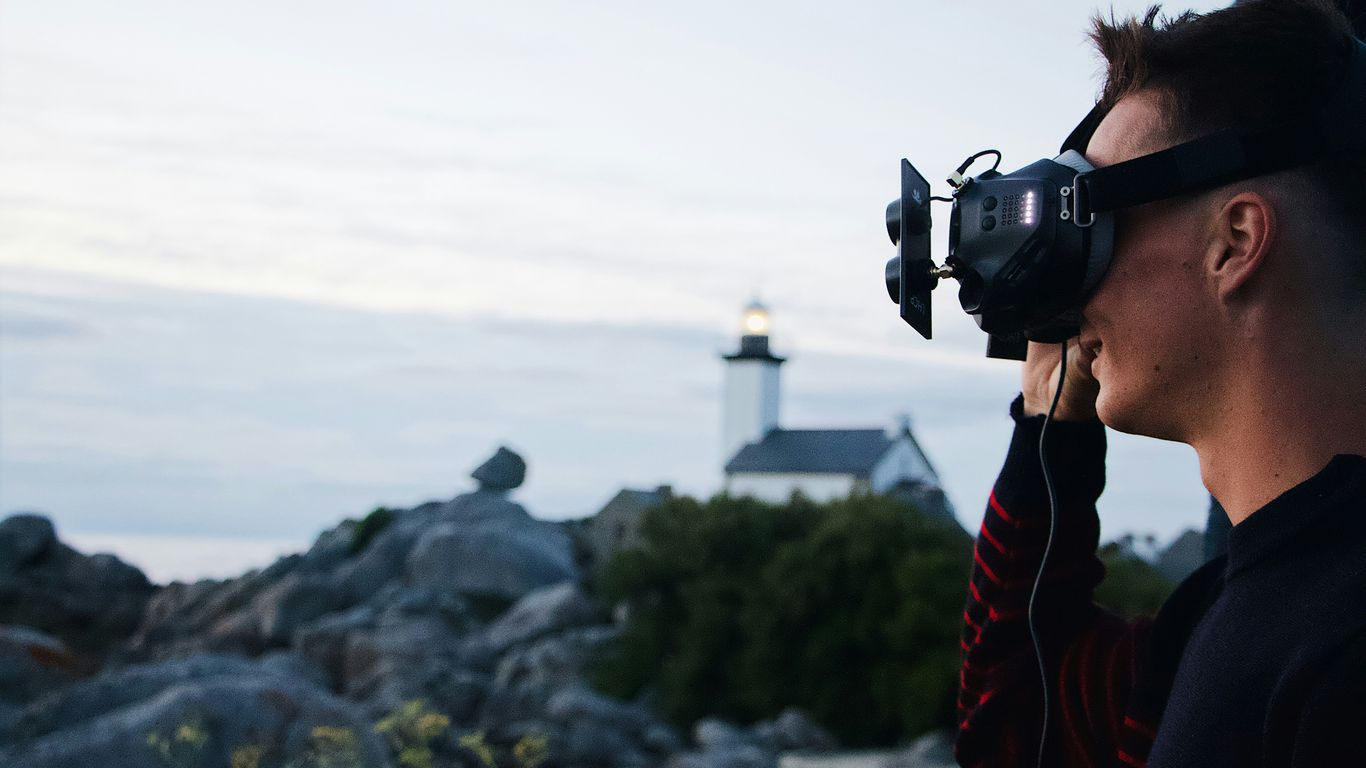
Okay, so 2020 was a wild year for pretty much everyone, and tourism got hit hard. Borders closed, flights got canceled, and suddenly, actually going places became a huge challenge. This is where virtual reality (VR) stepped in, not just as a cool gadget, but as a real alternative for people who couldn’t travel.
Virtual Reality as a Tourism Substitute During Global Shifts
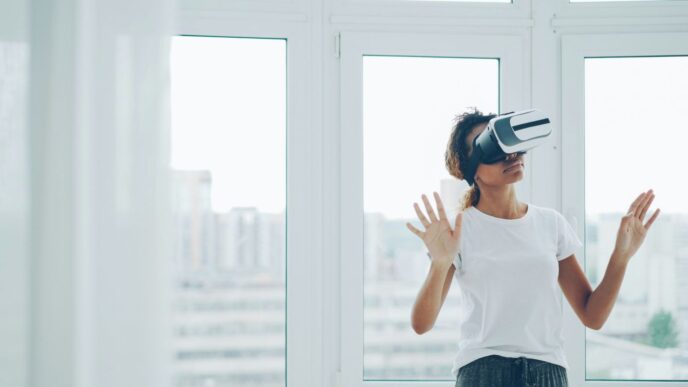
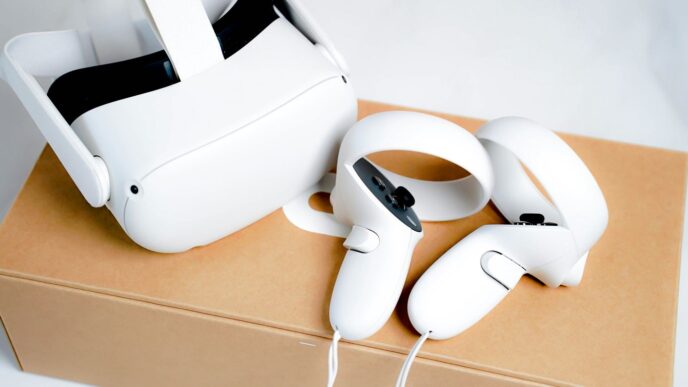
Think about it. You’re stuck at home, dreaming of the Eiffel Tower or a beach in Thailand. VR headsets let you ‘visit’ these places without leaving your living room. It wasn’t quite the same as feeling the sun on your skin, but it was something. This shift turned VR from a novelty into a practical tool for experiencing the world when physical travel was off the table. Many people used VR to explore destinations they’d always wanted to see, or even revisit places they loved. It offered a way to keep the idea of travel alive and provide a sense of escape during a really tough time.
Immersive Experiences and Their Impact on Destination Perception
What’s cool about VR is how real it can feel. When you’re looking around in a 360-degree video or a virtual environment, it really changes how you think about a place. It’s not just looking at pictures; it’s like you’re there. This can make a destination seem more appealing, or maybe even different than you expected. For example, seeing a bustling market square in VR might make you feel more connected to the local culture than just reading about it.
Here’s a quick look at how VR can influence what people think about a place:
- Familiarity: VR can introduce people to destinations they’ve never considered before.
- Interest: Seeing a place virtually can spark a desire to visit in person later.
- Understanding: Immersive views can give a better sense of the scale, atmosphere, and layout of a location.
The Role of Virtual Reality in Tourism Recovery Post-Pandemic
Even as travel starts to bounce back, VR isn’t going away. It’s become a useful tool for planning trips. People can ‘try before they buy,’ so to speak. Destinations can use VR to showcase what they offer, helping travelers decide where to go next. It’s also a way for places that might be hard to reach or expensive to visit to still get some attention. Think of remote natural wonders or historical sites that are difficult to access physically – VR can bring them to a much wider audience, potentially boosting interest and future visits.
It’s like a preview, helping people get excited and make more informed choices about their actual travel plans.
Adoption Trends and Challenges of 2020 Virtual Reality
So, VR in tourism. It sounds pretty cool, right? Like, you can visit Paris from your couch. But getting businesses, especially smaller ones, to actually use it is a whole different story. It’s not just about having the tech; it’s about making it work for them and for us, the travelers.
Factors Influencing Virtual Reality Adoption by Tourism Operators
Lots of things play a part in whether a tourism company decides to jump on the VR bandwagon. It’s not a simple yes or no. For starters, there’s the cost. Setting up good VR experiences isn’t cheap, and not everyone has the budget. Then there’s the know-how. Do they have staff who can actually create or manage VR content? It’s a new skill set, you know?
Here are some of the big reasons companies consider VR:
- Marketing Potential: Showing off a destination in a super engaging way can attract more visitors.
- Competitive Edge: Being one of the first to offer VR experiences can make a business stand out.
- Cost Savings (Long Term): While initial costs are high, VR can sometimes reduce the need for physical marketing materials or even certain types of site visits.
- Adapting to Change: Especially after 2020, many businesses realized they needed new ways to connect with customers.
Challenges in Implementing Virtual Reality for Destination Marketing
Even when companies want to use VR for marketing, it’s not always smooth sailing. One of the biggest hurdles is creating content that’s actually good. A blurry, low-quality VR tour isn’t going to impress anyone. It needs to be high-resolution, smooth, and give a real sense of being there. This quality issue is a major roadblock for widespread adoption.
Other problems include:
- Technical Glitches: VR tech can be finicky. Software bugs or hardware issues can ruin the experience.
- Integration with Existing Systems: Getting VR to work with websites or booking platforms can be complicated.
- Measuring ROI: It’s hard to track exactly how much a VR marketing campaign is contributing to bookings or revenue.
- Keeping Content Fresh: Destinations change, and VR content needs to be updated, which costs time and money.
Understanding User Skepticism and Resistance to Virtual Reality Tourism
It’s not just the businesses that have doubts; people like us can be a bit wary too. Some folks just aren’t convinced that VR can replace the real thing. They worry it won’t feel authentic, or maybe they’re just not comfortable with the technology itself. There’s also the concern about motion sickness or just feeling a bit disconnected from reality after using VR for too long. Plus, if the VR experience isn’t top-notch, people might just think it’s a gimmick and stick to traditional photos and videos. It really has to offer something genuinely new and exciting to win people over.
Virtual Reality’s Influence on Consumer Behavior and Experience
So, how does all this virtual reality stuff actually change how people think about travel and what they expect from it? It’s more than just looking at pretty pictures, you know. It really gets into how we feel and what we decide to do.
The Mediating Effect of Presence on Consumer Response to Virtual Reality Tourism Advertising
When you see an ad for a trip, especially one using VR, how much you actually feel like you’re there makes a big difference. This feeling of "presence" is key. If the VR ad makes you feel like you’re actually standing on that beach or walking through that ancient city, you’re way more likely to pay attention and remember it. It’s not just about seeing the ad; it’s about experiencing a little piece of the destination. This sense of being there can turn a passive viewer into someone genuinely interested.
Virtual Reality’s Impact on Destination Image and Behavioral Intentions
VR can really shape what people think about a place before they even go, or even if they never plan to go. Seeing a place in VR can make it seem more appealing, more real, and maybe even more unique than just reading about it. This can directly influence whether someone decides to book a trip. It’s like a virtual test drive for your vacation.
Exploring Authenticity and Satisfaction in Virtual Reality Tourism Experiences
This is where things get interesting. People want to know if a VR experience feels real, even though they know it’s not. Does it capture the true vibe of a place? Does it feel genuine? When a VR experience hits that mark, people tend to be more satisfied. It’s not just about the technology; it’s about how well it represents the actual destination. If it feels authentic, people are happier with the experience, and that can lead to wanting to visit the real place.
Here’s a quick look at what seems to matter for satisfaction:
- Authenticity of the experience: Does it feel like the real deal?
- Familiarity with the attraction: Sometimes, knowing a bit about a place beforehand makes the VR experience more meaningful.
- The overall immersion: How deeply can the VR pull you in?
It’s a tricky balance, but when VR gets it right, it can be a pretty powerful tool for tourism.
Applications of 2020 Virtual Reality Beyond Traditional Tourism
While we often talk about virtual reality (VR) in the context of travel and seeing new places from our couch, its reach goes way beyond just tourism. Think about it, VR is actually making waves in a bunch of different fields, changing how we learn, how we preserve history, and even how things get made.
Virtual Reality in Vocational Education and Practical Training
Remember those old training videos? VR is like the super-advanced version. It lets people practice real-world skills in a safe, virtual space. For example, mechanics can work on virtual engines without actually breaking anything, or surgeons can rehearse complex procedures before they even step into an operating room. This isn’t just about avoiding mistakes; it’s about building confidence and muscle memory. It’s a game-changer for hands-on learning, especially when real-world practice is expensive or risky.
Here’s a quick look at how it’s being used:
- Skill Practice: Repetitive tasks can be practiced until they’re perfect.
- Hazardous Environments: Training for dangerous jobs, like firefighting or working with heavy machinery, can be done without any actual danger.
- Complex Equipment: Learning to operate intricate machinery or systems becomes much easier when you can interact with a virtual model.
Immersive Virtual Reality for Cultural Heritage Promotion
Our history and culture are precious, and sometimes, visiting historical sites isn’t always possible. VR offers a way to bring these places to life. Imagine walking through ancient Rome, exploring a pharaoh’s tomb, or seeing a historical building as it once stood, all from your own home. This isn’t just about looking at pictures; it’s about experiencing the atmosphere and details in a way that static displays can’t match. It helps people connect with the past and understand its significance.
Virtual Reality for Product Development in Manufacturing Industries
In the world of making things, VR is speeding up the design and testing process. Instead of building physical prototypes, which can be costly and time-consuming, companies can now create and test 3D models of their products in VR. Designers can walk around a virtual car, check its ergonomics, or even simulate how a new piece of machinery will fit on a factory floor. This means faster development cycles and better-designed products before any real materials are used.
Future Directions and Research Agendas for Virtual Reality in Tourism
So, where does all this VR stuff in tourism go from here? It’s not just about looking at pretty places from your couch anymore. We’re seeing VR become a real tool, and there’s a lot more to figure out.
Virtual Reality as a Sustainable Alternative for Tourism Experiences
Think about it: instead of everyone flying to see the same spot, maybe VR can give people a taste, or even a full experience, without the environmental cost. This could be a big deal for places that are getting overrun or are just too fragile for mass tourism. We need to figure out if VR can truly replace some physical travel, or if it’s just a supplement. It’s about finding that balance.
Addressing VR Addiction and Isolation in Virtual Tourism
As VR gets more real, there’s a flip side. What happens when people spend too much time in virtual worlds? We’re already seeing some talk about VR addiction, especially with younger folks. Plus, if everyone’s off in their own VR headset, does that make us more isolated? Research needs to look into:
- How to spot and manage potential VR addiction.
- The social impacts of relying heavily on virtual experiences.
- Designing VR tourism to encourage real-world connections, not replace them.
Developing Strategies for Virtual Reality Adoption in Tourism Businesses
For businesses, VR is still a bit of a puzzle. It’s not just about buying headsets. There are costs, training, and figuring out how to actually make money from it. We need practical plans for:
- Cost-Benefit Analysis: When does investing in VR actually pay off for a hotel, tour operator, or destination?
- Content Creation: What kind of VR content works best for marketing and customer engagement?
- Integration: How do businesses weave VR into their existing services without it feeling tacked on?
It’s a complex picture, but the potential for VR to change how we explore the world, and how businesses operate, is pretty huge. We’re just scratching the surface.
Wrapping It Up
So, looking back at 2020 and how things have changed, it’s pretty clear that virtual reality isn’t just a gimmick anymore. It really stepped up when travel got tough, offering people a way to see the world from their living rooms. We’ve seen it pop up in education, helping students learn in new ways, and in tourism, giving folks a taste of places they might not visit otherwise. While it’s not a perfect replacement for the real thing, VR has definitely found its place, especially with all the global shifts we’ve gone through. It’s going to be interesting to see how it keeps growing and what new uses people come up with for it down the road.