
Navigating Outdoors with Mobility Scooters
Freedom to Explore Communities
Mobility scooters can really open up the world for seniors who find walking long distances tiring. It’s not just about getting from point A to point B; it’s about being able to go to the park, visit friends, or do some grocery shopping without feeling completely worn out. This kind of freedom helps people stay connected and involved in their communities, which is super important for feeling good overall. Instead of feeling stuck at home, a scooter gives you a way to get out there and enjoy your surroundings again.
Key Features for User Experience
When you’re looking at scooters, there are a few things that make a big difference in how easy they are to use and how comfortable they are. Think about:
- Seating: You want a seat that’s comfortable for longer rides, maybe with armrests for extra support. Some seats can swivel, which makes getting on and off much simpler.
- Controls: Most scooters have a simple joystick or lever to steer and control speed. It’s good to find one that feels natural and easy for you to manage.
- Storage: Having a place to put your purse, groceries, or other items is really handy. Many scooters have baskets or little compartments built-in.
- Tires and Suspension: For outdoor use, especially if the paths aren’t perfectly smooth, you’ll want a scooter with good tires and some suspension to make the ride smoother.
Selecting the Ideal Scooter Model
Choosing the right scooter depends a lot on where you plan to use it and what you need it for. Here’s a quick rundown:
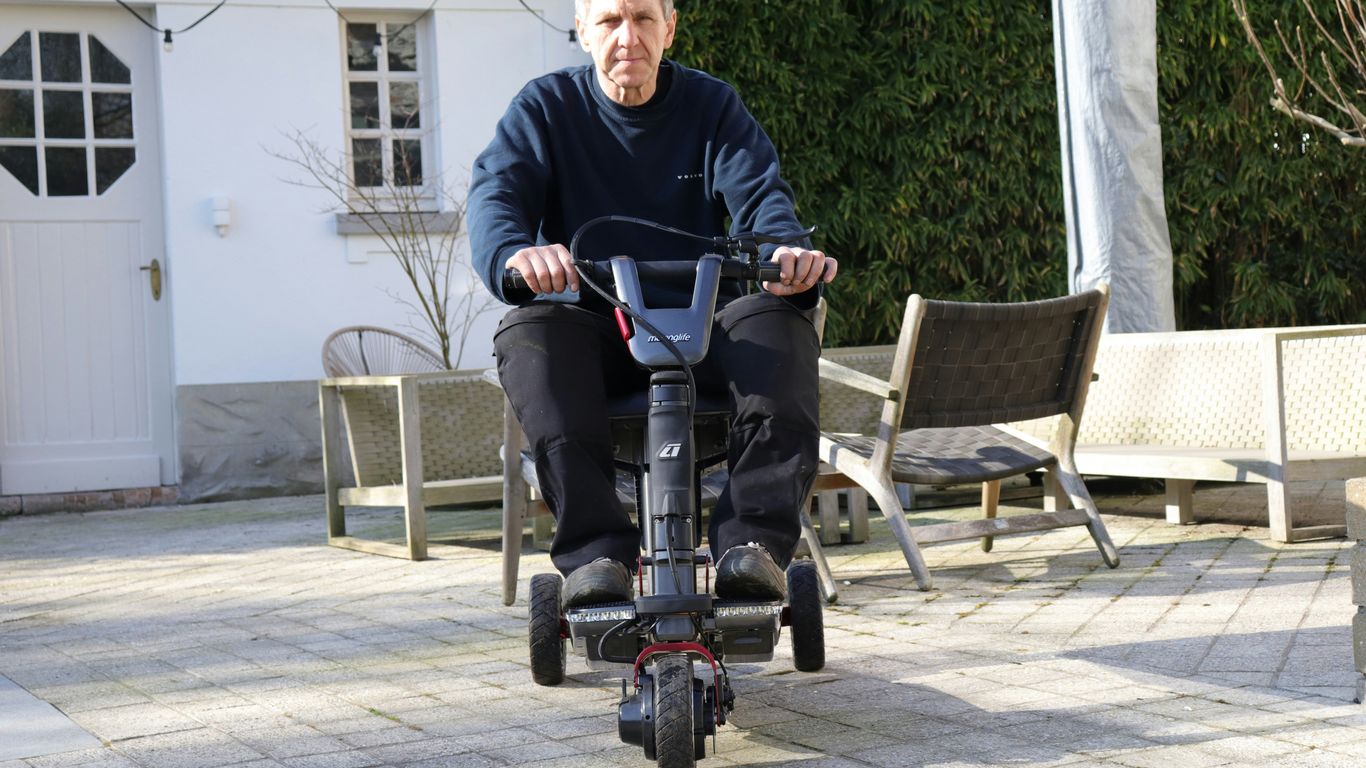
- Three-wheel models: These are generally more nimble and can turn in tighter spaces, making them great for getting around shops or indoor areas. They might be a bit less stable on uneven ground, though.
- Four-wheel models: These offer more stability, which is a big plus for outdoor use on sidewalks, parks, or even slightly rougher paths. They usually have a larger turning radius.
- Battery Range: Think about how far you typically go on an outing. You’ll want a scooter with a battery that can handle your longest trips without you worrying about running out of power.
- Portability: If you need to put the scooter in a car sometimes, look for models that can be taken apart easily or fold up. Some are quite lightweight, while others are heavier but more robust.
Power Wheelchairs for Effortless Movement
Regaining Control and Independence
For many seniors, the simple act of moving around their home or community can become a real challenge. This is where power wheelchairs really shine. They’re not just about getting from point A to point B; they’re about giving back a sense of freedom and control that might have slipped away. These motorized chairs let individuals move on their own terms, without needing to rely on someone else for every trip. It’s a big deal for maintaining dignity and staying connected with the world.
Essential Features and Considerations
When you’re looking at power wheelchairs, there are a few things that really matter. Think about how you’ll use it most. Will it be mostly indoors, or will you be taking it out and about? The type of terrain you’ll encounter makes a difference. Also, battery life is super important – you don’t want to get stuck halfway through an errand. And of course, comfort is key, especially if you’ll be sitting in it for a while.
Here are some features to keep in mind:
- Control System: Most use a joystick, which is pretty intuitive. Some have more advanced controls for those with specific needs.
- Seating: Look for adjustable options, like reclining backs or elevating leg rests, for maximum comfort.
- Tire Type: Solid tires are good for indoor use and won’t go flat, while pneumatic tires offer a smoother ride outdoors.
- Turning Radius: A tighter turning radius is better for maneuvering in tight spaces, like kitchens or hallways.
Models for Diverse Needs
Power wheelchairs come in a surprising variety of styles. Some are built to be more compact and lightweight, making them easier to transport if you need to put them in a car. Others are more robust, designed for outdoor adventures and handling different kinds of ground, like grass or gravel. There are even specialized models that can help you stand up or tilt back for better positioning. It really comes down to matching the chair’s capabilities with your daily routine and what you want to be able to do.
Smart Technology in Mobility Aids
It feels like technology is changing so fast these days, right? And it’s not just about phones and computers anymore. Mobility aids are getting a serious tech upgrade, and honestly, it’s pretty cool. These aren’t your grandma’s walkers (no offense to grandmas!). We’re talking about devices that can actually help you stay safer and more independent without feeling like you’re being constantly monitored or controlled. It’s about giving you more freedom, plain and simple.
Innovations in Safety and Ease of Use
Think about it: a walker that can sense when you’re about to lose your balance and gently apply the brakes. Or a wheelchair that has sensors to warn you about obstacles in your path. That’s not science fiction anymore; it’s happening now. Many modern walkers come with built-in lights that turn on automatically when it gets dim, so you can see where you’re going. Some even have GPS trackers, which can give you and your family peace of mind if you ever get turned around.
Here are a few examples of what’s out there:
- Automatic Braking Systems: These kick in if the device detects sudden, unsteady movement, helping to prevent falls.
- Sensor-Activated Lighting: Illuminates your path in low-light conditions, reducing trip hazards.
- GPS Tracking: Provides location data for safety and reassurance.
- Adjustable Settings: Many devices allow you to customize speed, resistance, or other features to fit your specific needs.
AI-Powered Assistance and Navigation
Artificial intelligence, or AI, is starting to play a bigger role too. It’s not about robots taking over, but more about making devices smarter and more helpful. AI can help with things like suggesting the best route if you’re using a mobility scooter, or even learning your patterns to anticipate your needs. Some systems can even connect to your smart home devices. Imagine your walker telling your lights to turn on as you enter a room, or your wheelchair communicating with your smart thermostat. It’s all about making daily life a bit smoother.
The Impact on Mental Health and Confidence
When you can move around more easily and safely, it makes a huge difference. Feeling more independent can really boost your mood and confidence. It means you can go out more, see friends, and do the things you enjoy without worrying as much. This can help reduce feelings of isolation and keep you more connected to the world around you. It’s not just about the physical help; it’s about the mental and emotional freedom that comes with it. Having the right tools can truly change how you feel about your day-to-day life.
Maximizing Independence with Professional Support
Sometimes, even with the best mobility products, getting around can still feel a bit tricky. That’s where getting some expert help really makes a difference. It’s not just about picking out a walker or a scooter; it’s about making sure it fits you and your life perfectly. Think of it like getting a custom suit versus buying one off the rack – the custom fit just feels better and works better.
Consulting Mobility Specialists
Mobility specialists are like the guides for this journey. They know all the ins and outs of different devices, from the latest walkers with fancy brakes to power chairs that can do almost anything. They can look at how you move, where you live, and what you like to do, and then suggest the gear that will actually help you the most. They’ll explain the pros and cons, which can be a lot to take in if you’re just looking online. Their goal is to match you with equipment that makes your daily life easier and safer. They can also tell you about things you might not have even thought of, like special attachments or how to adjust things for the best comfort.
The Importance of Trial Periods
This is a big one. You wouldn’t buy a car without a test drive, right? The same goes for mobility aids. Many places that sell or rent these items let you try them out for a bit. This is super important because what looks good on paper might not feel right when you’re actually using it. Maybe a walker feels too heavy, or a scooter is a bit too big for your doorways. Trying things out helps you find the perfect fit. It’s a chance to see how it handles different surfaces, if it’s easy to store, and if it genuinely makes moving around less of a chore. Don’t skip this step – it can save you a lot of hassle down the road.
Family Support and Open Communication
Having your family in the loop is also key. They can help with the research, go with you to appointments with specialists, and be there during trial periods. Sometimes, family members might notice things about your mobility that you don’t, or they can offer practical help with things like transportation to appointments. Openly talking about your needs and any challenges you’re facing is vital. It helps everyone understand what you’re going through and how they can best support you. It’s a team effort, and when everyone’s on the same page, it makes maintaining your independence much smoother and less stressful for everyone involved.
Moving Forward with Confidence
So, we’ve looked at a bunch of different gadgets that can really help seniors get around easier and feel more in charge of their day. It’s not just about the products themselves, though. It’s about how they give people back their freedom and make life a little less stressful, both for them and for the folks helping them out. Finding the right tool, whether it’s a sturdy walker, a zippy scooter, or something else, can make a huge difference. Don’t be afraid to check out what’s out there, talk to doctors, and maybe even try a few things out. Living independently and with dignity is totally possible, and these products are a big part of that.