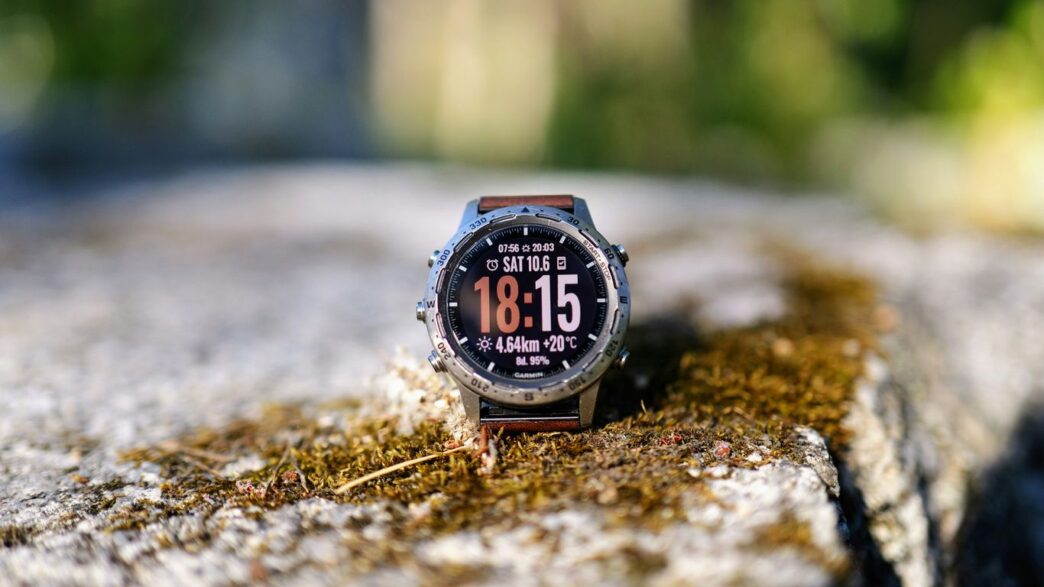
It’s 2026, and the world of fitness trackers has really changed. Remember the Garmin vívosmart 5? It came out a while back, and we’re wondering if it still holds up. With new tech popping up all the time, is this older model still a good pick, or should you be looking elsewhere? Let’s break down what the Garmin vívosmart 5 offers now and how it fits into today’s fitness scene.
Key Takeaways
- The Garmin vívosmart 5, while a solid tracker for its time, faces stiff competition in 2026 from newer models and the evolving market.
- Key upgrades expected in a potential vívosmart 6, like built-in GPS, could make it a more direct competitor to entry-level GPS watches.
- For basic fitness tracking, sleep monitoring, and everyday health stats, the vívosmart 5 can still be a good value, especially if found on sale.
- The fitness tracker market has seen a shift, with smartwatches offering more features, but a segment still prefers the simplicity and battery life of dedicated trackers.
- Garmin’s strategy seems to be keeping its tracker line competitive to maintain users within the Garmin Connect ecosystem, potentially leading them to upgrade to higher-end devices later.
Garmin Vivosmart 5: A Look Back at Its 2026 Relevance
It’s 2026, and we’re taking a look back at the Garmin Vivosmart 5. When it first came out, it was a solid choice for many, especially if you were into tracking your sleep and stress levels. It really focused on giving you a picture of your daily recovery. For its time, the Vivosmart 5 was a pretty good option for basic health monitoring.
Key Features and Performance in 2026
Back in the day, the Vivosmart 5 was known for its detailed sleep tracking and Body Battery energy monitoring. It aimed to give users insights into how well they were resting and how much energy they had for the day. It also included stress tracking, which was a big deal for people wanting to manage their well-being. While it didn’t have built-in GPS, it used ‘connected GPS’ which meant you needed your phone nearby for outdoor activities. This was a bit of a drawback for runners or cyclists who preferred to leave their phones at home. Compared to today’s standards, its monochrome display feels a bit dated, but it was clear and easy to read for its intended purpose.
Design and Comfort for Daily Wear
Garmin designed the Vivosmart 5 with comfort in mind. It’s a slim band, lightweight, and generally unobtrusive, making it easy to wear 24/7, even while sleeping. The silicone band is soft, and the clasp is secure. It wasn’t flashy, which suited a lot of people who just wanted a functional tracker without a lot of extra bulk. You could easily forget you were wearing it, which is pretty much what you want from a device like this.
Battery Life Expectations
One of the strong points of the Vivosmart 5 was its battery life. Garmin claimed up to 7 days on a single charge, and in real-world use, it often came close to that, especially if you weren’t using the SpO2 (blood oxygen) monitoring constantly. This was a significant advantage over many smartwatches that needed daily charging. Even with moderate use, getting 4-5 days was pretty common, which meant less time worrying about plugging it in. This long battery life made it a reliable companion for continuous tracking, which is key for sleep and recovery metrics. It was a good example of Garmin’s focus on battery life in their fitness devices.
The Evolving Fitness Tracker Market in 2026
Man, the fitness tracker scene in 2026 is something else, isn’t it? It feels like just yesterday we were all excited about step counts and basic sleep tracking. Now? It’s a whole different ballgame. The market itself is booming, projected to hit a massive USD 440.65 billion by 2035. That’s a huge jump from where we were. It’s clear that people are really investing in understanding their health.
Competition from Fitbit and Other Brands
Fitbit is still a big name, no doubt. They’ve got the Charge 6 out there, which is pretty solid, but it comes with that subscription fee if you want all the bells and whistles. That’s a sticking point for a lot of folks. Then you’ve got the Chinese brands like Xiaomi and Amazfit throwing really affordable options into the ring, often with color screens for way less cash than you’d expect. It makes you wonder if Garmin can really compete on price alone. We saw a lot of new players at CES 2026 too, with smart rings and bands popping up everywhere, giving consumers way more choices than before. It’s getting crowded out there.
The Role of Smartwatches vs. Trackers
This is a big one. Smartwatches have gotten so good at fitness tracking that the lines are really blurred now. You can get a decent smartwatch for less than some high-end trackers, and it does way more. But, there’s still a segment of people who just want a dedicated tracker – something simpler, maybe with better battery life, that focuses purely on health metrics without all the extra smartwatch stuff. It’s like, do you want a Swiss Army knife or just a really good knife? The market is definitely seeing a shift, but there’s still a solid group that prefers the focused approach of a tracker.
Garmin’s Strategy in the Budget Segment
Garmin’s been a bit quiet in the super-budget tracker space for a while, focusing more on their higher-end watches. The Vivosmart line has kind of been left to fend for itself. But with the Vivosmart 6 rumored to be coming, it looks like they’re trying to re-enter the ring more seriously. The big question is their pricing strategy. If they price it too high, especially without some key upgrades like GPS, they’ll get crushed by cheaper competitors. They need to find that sweet spot where the Garmin name and ecosystem justify the cost, especially when you can get a Fitbit Charge 6 on sale for a good price. It’s a tough balancing act, for sure.
Potential Upgrades and Future of the Vivosmart Line
It feels like Garmin’s been a bit quiet on the Vivosmart front lately, right? The Vivosmart 5 came out a while back, and while it’s a solid little tracker, the tech world moves fast. We’re all wondering what’s next, and honestly, the Vivosmart 6 is pretty much the talk of the town.
What Vivosmart 6 Leaks Suggest
So, the whispers are getting louder about a Vivosmart 6. The biggest rumor, and it’s a pretty big one, is that it might finally include built-in GPS. This is huge because, let’s be real, the Vivosmart 5 felt a bit limited for outdoor activities like running or cycling without your phone. Having GPS on the band itself would turn it into a much more capable device for tracking those kinds of workouts accurately. It’s a move that could really put it back in the running against competitors like the Fitbit Charge 6.
Beyond GPS, people are hoping for a display upgrade. The Vivosmart 5’s screen is okay, but it’s grayscale and looks a bit dated compared to the vibrant color screens on some other trackers. A full-color AMOLED display would make a world of difference for readability, especially outdoors. We’re also hearing about potential health feature trickle-downs from Garmin’s higher-end watches, like HRV Status and Health Status metrics. These could give users a more detailed look at their recovery and overall well-being.
The Impact of Built-In GPS
Adding GPS is a game-changer for a fitness tracker. It means you can leave your phone at home and still get accurate distance, pace, and route data for your runs, walks, or bike rides. This is something many users have been asking for. However, it’s not all good news. GPS is a battery hog. While the Vivosmart 5 could last about a week, a Vivosmart 6 with GPS will likely see that battery life drop. We’re probably looking at something closer to 5 days, maybe a bit less with heavy GPS use. It’s a trade-off, but for many, the convenience of phone-free tracking will be worth it.
Advancements in Health Metrics
Garmin has been busy adding new health tracking features to its devices, and it’s likely some of these will make their way to the Vivosmart line. Things like:
- HRV Status: This tracks your Heart Rate Variability, giving you insights into your body’s recovery and stress levels. It’s a pretty advanced metric that’s been appearing on higher-end Garmin watches.
- Health Status: A newer feature that looks for unusual health patterns, potentially flagging issues early.
- Nap Detection: Automatic tracking of naps, which is handy for understanding your sleep patterns better throughout the entire day, not just at night.
- Sleep Coaching: Personalized advice to help you improve your sleep quality.
These kinds of additions would make the Vivosmart 6 feel much more modern and competitive. It’s not just about steps anymore; it’s about a holistic view of your health. If Garmin can pack these features in without making the price too crazy, it could be a really compelling option for budget-conscious users who want advanced health insights. We’ll have to see what they announce at CES 2026 or shortly after.
Garmin Vivosmart 5 vs. Newer Competitors
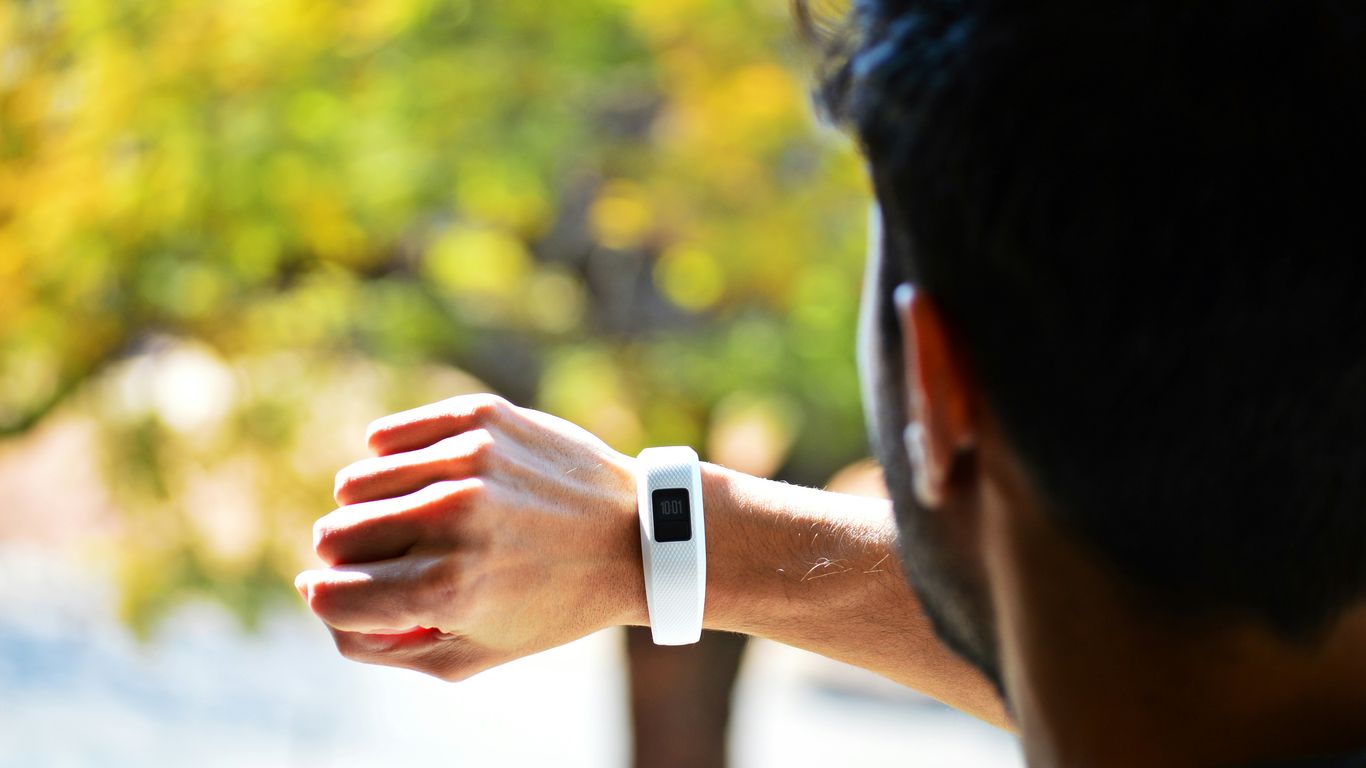
Alright, let’s talk about how the Garmin Vivosmart 5 stacks up against the competition in 2026. It’s been a minute since this tracker hit the shelves, and the fitness tech world moves fast, right? We’ve got new players, updated models, and some serious price wars happening.
Comparing Vivosmart 5 to Fitbit Charge 6
When you look at the Fitbit Charge 6, it’s probably the most direct rival to the Vivosmart 5. The Charge 6 has had built-in GPS for a while now, which is a big deal if you’re into running or cycling outdoors and don’t want to lug your phone around. The Vivosmart 5, on the other hand, relies on ‘connected GPS,’ meaning it uses your phone’s signal. This can be a pain if your phone battery is already low or if you just want to leave it at home. The Charge 6 also boasts a color AMOLED display, making it look a bit more modern than the Vivosmart 5’s grayscale screen.
Here’s a quick rundown:
- Garmin Vivosmart 5: Connected GPS, grayscale display, generally longer battery life (around 7 days), simpler interface, and often a bit cheaper if you find it on sale. It’s a more subtle tracker, designed to blend in like jewelry.
- Fitbit Charge 6: Built-in GPS, color AMOLED display, battery life around 7 days (but GPS use drains it faster), more app integrations, and requires a Fitbit Premium subscription for some advanced features.
Vivosmart 5 Against Budget Chinese Trackers
Then you have the flood of super-cheap trackers from brands like Xiaomi and Amazfit. These things can be found for $50 or even less. For that price, you’re usually getting a color screen and basic fitness tracking. However, they often lack the robust app ecosystem and detailed health metrics that Garmin provides. The Vivosmart 5, even as an older model, still offers that Garmin Connect platform, which is pretty solid for tracking your progress over time. Plus, its build quality is generally a step up from the most budget-friendly options. The Vivosmart 5 was priced at $150, making it a cost-effective choice compared to pricier options.
Value Proposition in 2026
So, where does the Vivosmart 5 sit now? If you can find it at a good discount, it’s still a decent option for basic activity and sleep tracking. It’s comfortable, has good battery life, and connects to the reliable Garmin Connect app. But if built-in GPS is a must-have for your outdoor workouts, or if you prefer a more vibrant display, you’ll likely be looking at the Fitbit Charge 6 or even considering a budget GPS watch like the Garmin Forerunner 55 if you can stretch your budget a bit. The Vivosmart 5 is a solid, no-frills tracker, but the market has definitely caught up and, in some ways, surpassed it, especially with the addition of GPS in competing models.
Is the Garmin Vivosmart 5 Still a Smart Purchase?
So, you’re looking at the Garmin Vivosmart 5 in 2026 and wondering if it’s still worth your hard-earned cash. It’s a fair question, especially with how fast tech moves. Honestly, it really depends on what you’re looking for in a fitness tracker. If you’re someone who just wants to keep tabs on daily steps, sleep patterns, and general activity without a lot of fuss, the Vivosmart 5 still holds its own. It’s a straightforward device that gets the job done for basic health monitoring. It’s a solid choice if you value simplicity and consistent tracking over the latest bells and whistles.
When to Buy the Vivosmart 5 Now
If you’re in the market for a tracker right now and your needs are pretty basic, grabbing a Vivosmart 5 could be a good move. It’s particularly good if you:
- Primarily track indoor workouts, daily steps, and sleep quality.
- Don’t mind carrying your phone on outdoor walks or runs, as it uses connected GPS.
- Find it on a good sale – these often drop to around $100, which is a steal for what you get.
- Prioritize battery life above all else; you can expect about seven days on a single charge, which is pretty impressive. This Garmin watch offers an impressive battery life, lasting up to nine days on a single charge or nine hours with continuous GPS tracking. This Garmin watch offers an impressive battery life.
Reasons to Wait for a Potential Vivosmart 6
However, if you’re not in a rush, waiting might be the smarter play. Rumors suggest a Vivosmart 6 could be on the horizon, potentially with built-in GPS. This would be a big deal for runners and cyclists who prefer to leave their phones at home. Other potential upgrades could include:
- More advanced health metrics like Heart Rate Variability (HRV) status and general ‘Health Status’ monitoring.
- Automatic nap detection, which is becoming more common.
- A design refresh that might make it look a bit more modern.
If these kinds of features are important to you, and you’re willing to spend a bit more (likely around $179-$199), then holding out for the next generation makes sense. It’s a gamble, of course, but it could pay off with a more capable device.
Considering Alternatives for 2026
It’s also worth looking at what else is out there. The fitness tracker market is pretty crowded. You’ve got Fitbit, which is always a strong contender, and then there are the budget-friendly options from Chinese brands that offer a lot for their price. For instance, the Fitbit Charge 6 is a direct competitor, though it often comes with a subscription fee for full features. If you’re okay with that ongoing cost, it’s worth a look. But if you’re trying to avoid subscriptions, the Vivosmart 5 offers a clean value for those seeking a minimalist fitness tracker that rewards consistency. It’s designed to stay out of the way. Alternatively, if you can stretch your budget a little, you might find older Garmin models like the Vivoactive 5 or Forerunner 55 on sale, offering more smartwatch-like features for a similar price point to a potential Vivosmart 6.
Garmin Connect Ecosystem and User Experience
Navigating the Garmin Connect App
Garmin Connect is the central hub for all your vívosmart 5 data, and honestly, it’s a pretty solid app. It’s where you’ll see your daily steps, sleep patterns, heart rate trends, and all those other bits of info the tracker collects. For the most part, it does a good job of showing you what’s going on with your health. You can customize what you see on the main dashboard, which is nice. It’s a great companion for Garmin devices, offering customizable built-in workouts and an improved experience compared to some older fitness trackers. However, I have to admit, sometimes the app can feel a bit sluggish. There have been times when updates take ages to show up, which can be frustrating when you just want to check your progress quickly. It makes you wonder if you should just rely on the watch itself for basic info.
Data Accuracy and Insights
When it comes to the actual data the vívosmart 5 collects, it’s generally pretty good for a tracker in its price range. Step counting seems accurate enough for daily use, and the heart rate monitor usually stays in the ballpark during workouts. Sleep tracking is also a feature that Garmin has been refining for years, and it provides a decent breakdown of your sleep stages. What I really appreciate are the insights Garmin Connect tries to give you. It’s not just raw numbers; the app tries to tell you what those numbers mean. For example, it might suggest that your sleep quality was lower because of a late workout or that your Body Battery is low because you haven’t been resting enough. These little nudges can be helpful for making small adjustments to your routine. The Body Battery feature, which estimates your energy reserves, is particularly interesting for understanding daily fatigue.
Subscription Services and Value
Garmin has been dabbling more in subscription services lately, with things like Connect+. While the core features of Garmin Connect are free and quite useful, Connect+ offers some extras, like AI-powered coaching. For a device like the vívosmart 5, which is more of an entry-level tracker, I’m not sure the subscription is a must-have. Most of the really useful stuff, like detailed workout summaries and historical data, is available without paying extra. It’s good to know that Garmin hasn’t locked away all the important health metrics behind a paywall, unlike some competitors. You can track your progress and get a good sense of your fitness without spending more money. However, if you’re someone who wants the absolute most advanced, personalized training plans, you might look into it, but for most users, the free version of Garmin Connect is plenty.
So, Is the Garmin vívosmart 5 Still a Good Buy in 2026?
Alright, let’s wrap this up. Looking back at the vívosmart 5 in 2026, it’s kind of a mixed bag. If you snagged one on a good sale, especially for around $100, it’s still a decent little device for tracking your daily steps, sleep, and basic indoor workouts. It’s comfortable, the battery lasts ages, and it gets the job done for casual fitness monitoring. However, if you’re serious about outdoor activities like running or cycling and want to leave your phone at home, the lack of built-in GPS is a pretty big deal. The market has moved on, and newer, more capable trackers – even some from Garmin itself – offer that functionality. So, while the vívosmart 5 isn’t a total write-off, especially if you find it cheap, it’s probably time to look at its successors or competitors if phone-free outdoor tracking is on your must-have list.
Frequently Asked Questions
What’s new with the Garmin Vivosmart 6?
The Vivosmart 6 is expected to have built-in GPS, which the Vivosmart 5 didn’t have. This means you can track outdoor activities like running or biking without needing your phone. It might also get some newer health tracking features that are on Garmin’s pricier watches.
Is the Vivosmart 5 still a good buy in 2026?
If you can find it on sale for a good price, the Vivosmart 5 is still a decent choice for basic fitness tracking, like counting steps, monitoring sleep, and tracking indoor workouts. However, if you want to track outdoor activities accurately without your phone, you’ll want to look at newer models.
Will the Vivosmart 6 have a color screen?
It’s not confirmed yet, but many people hope the Vivosmart 6 will have a color screen, similar to what you see on competitors like the Fitbit Charge 6. The Vivosmart 5 had a grayscale screen, which looked a bit old-fashioned.
How long does the Vivosmart 5 battery last?
The Vivosmart 5 is known for its great battery life, often lasting up to 7 days on a single charge. Adding GPS to the Vivosmart 6 might reduce the battery life a bit, but it’s still expected to be much better than most full smartwatches.
What’s the difference between a fitness tracker and a smartwatch?
Fitness trackers are usually simpler and focus mainly on health and activity tracking, often with longer battery life. Smartwatches are more like mini-phones on your wrist, with more apps, notifications, and features, but they usually need charging more often.
Should I wait for the Vivosmart 6 or buy the Vivosmart 5 now?
If you can wait a little while, especially until early 2026, it’s probably best to wait for the Vivosmart 6 announcement. If the Vivosmart 6 has the features you want, great! If not, you might be able to get an even better deal on the Vivosmart 5 as stores clear out old stock.