It’s that time of year again, the big one: iPhone 15 vs Samsung S25. Every year, these two tech giants go at it, trying to one-up each other with the latest and greatest. This year feels no different, with both companies dropping phones that promise to be the best we’ve ever seen. But which one actually lives up to the hype? We’re going to break down what really matters, looking at how these phones perform in everyday life, not just on paper. Let’s get into it.
Key Takeaways
- The iPhone 15 often feels more premium with its design, while the Samsung S25 pushes boundaries with a bolder, more futuristic look. It really comes down to personal style.
- Both phones have amazing screens, but Samsung’s display tends to be a bit more vibrant and lively, perfect for watching videos or gaming. Apple’s screens are known for being super accurate with colors.
- When it comes to raw speed, the iPhone 15 usually has a slight edge, especially with gaming and how smoothly apps run. The Samsung S25 is right there with it, though, and its AI features can help manage tasks really well.
- For photos, the iPhone 15 tends to capture colors that look more natural and true to life. The Samsung S25, however, often gives you more detail and punchier colors, plus it has amazing zoom capabilities.
- Battery life is pretty balanced, with the Samsung S25 charging up much faster. The iPhone 15 might last a little longer on a single charge thanks to its efficient chip, but both will get you through most of the day.
Design and Display: A Tale of Two Aesthetics
iPhone 15 vs Samsung S25: First Impressions of Build
When you first pick up the iPhone 15 and the Samsung S25, you immediately notice the different vibes they give off. Apple’s iPhone 15 sticks with its familiar, flat-edged design. It feels solid, almost like a polished stone in your hand, thanks to the aluminum frame and the Ceramic Shield front. It’s a look that’s been refined over the years, and it’s definitely got that premium feel. The Dynamic Island, which replaced the old notch, is still a neat trick, blending the camera cutout into the software in a way that feels pretty smart. It’s all about that clean, minimalist aesthetic that Apple Inc. has perfected.
Samsung, on the other hand, tends to go for a more dynamic look with the S25. They often use curved edges on the display, which can make the phone feel a bit sleeker and more immersive, though some people find it leads to accidental touches. The materials are usually top-notch, like Gorilla Glass Victus and an aluminum frame, making it feel robust. Samsung’s punch-hole camera is also a cleaner look for the display compared to any kind of notch. It’s a design that feels a bit more futuristic, aiming for that wow factor.
Comparing Display Technologies and Visual Experience
Both phones pack some serious display tech, but they do it a little differently. The iPhone 15 uses what Apple calls a Super Retina XDR display, which is a fancy name for their OLED screen. It’s known for being super color-accurate, meaning what you see on screen is pretty much what the creator intended. It also gets really bright, which is great for using your phone outside on a sunny day. Apple’s ProMotion technology, found on some models, allows the screen to refresh at different rates, making scrolling and animations look really smooth.
Samsung’s S25, meanwhile, sports a Dynamic AMOLED 2X display. These screens are often praised for their vibrancy and deep blacks. Samsung’s displays can sometimes get even brighter than Apple’s, which is a big plus if you’re often in direct sunlight. They also feature adaptive refresh rates, usually up to 120Hz, for that buttery-smooth motion. Samsung also has features like Vision Booster to help with outdoor visibility. It’s a tough call, as both offer stunning visuals, but Samsung might have a slight edge in raw brightness and punchy colors, while Apple focuses on natural color reproduction.
Ergonomics and Handling: Which Feels Better?
This is where personal preference really comes into play. The iPhone 15’s flat sides give you a very secure grip. It feels substantial and less likely to slip out of your hand, especially if you’re not using a case. The weight distribution feels pretty balanced, too. It’s a design that prioritizes a firm hold.
Samsung’s S25, especially if it has those curved screen edges, can feel more comfortable to hold for longer periods for some people, as it melts into your palm. However, those curves can sometimes lead to unintended screen presses when you’re just trying to hold the phone normally. The overall shape and feel are often a bit more rounded. It really comes down to whether you prefer a sharp, secure grip or a softer, more rounded feel in your hand.
Here’s a quick look at some display specs:
| Feature | iPhone 15 (Typical) | Samsung S25 (Typical) |
|---|---|---|
| Display Type | OLED | AMOLED |
| Peak Brightness | ~1000-2000 nits | ~1200-1750 nits |
| Refresh Rate | Up to 120Hz (Pro models) | Up to 120Hz |
| Color Accuracy | Excellent | Excellent |
| Outdoor Visibility | Very Good | Excellent |
Performance and Power: Under the Hood Showdown
Processor Prowess: A18 Pro vs. Snapdragon 8 Gen 4
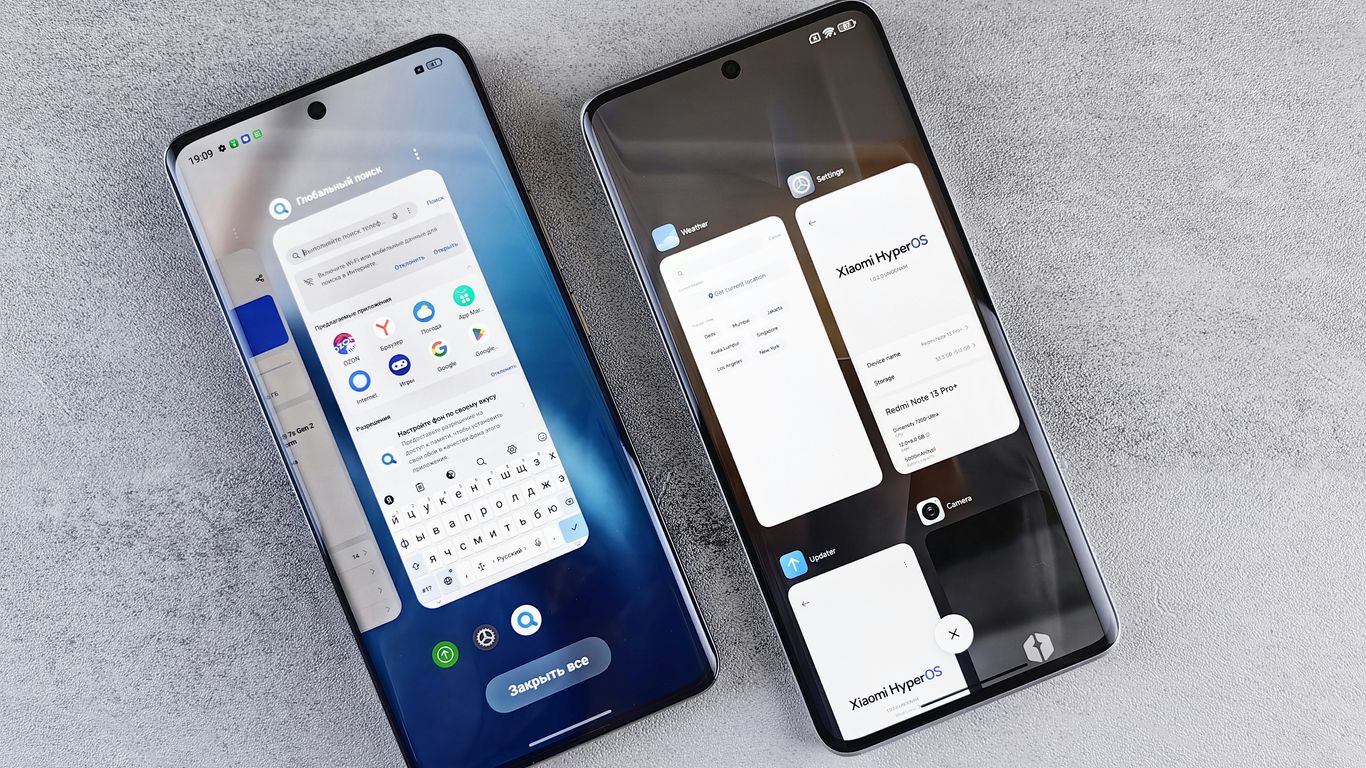
Alright, let’s talk about what makes these phones tick. It’s all about the brains inside, the chips that handle everything from opening apps to running those super demanding games. Apple’s got its A18 Pro, and Samsung is leaning on the Snapdragon 8 Gen 4 for most of its models. Both are built using tiny, 3-nanometer processes, which is pretty wild when you think about it. This means they can pack a lot of power into a small space without using too much battery.
The A18 Pro is built with a focus on raw speed and efficiency, while the Snapdragon 8 Gen 4 aims for a balance of power and advanced features.
Here’s a quick look at what that means:
- Apple A18 Pro: Apple designs these chips themselves, and they’re known for being incredibly fast, especially for tasks specific to iOS. They have a mix of high-performance cores for heavy lifting and efficiency cores to save power when you’re just browsing or texting. This chip is great for things like video editing right on your phone and makes games run super smoothly.
- Snapdragon 8 Gen 4: Samsung uses this chip in many of its phones, and it’s a real powerhouse too. It’s designed to handle pretty much anything you throw at it, from intense gaming to running multiple apps at once. It’s also built to be pretty good with battery life, which is always a win.
Real-World Speed and Multitasking Capabilities
So, what does all this chip talk mean when you’re actually using the phone? Honestly, both are ridiculously fast. For everyday stuff like opening social media, sending emails, or switching between apps, you’re unlikely to notice a huge difference. They both feel snappy and responsive. If you’re someone who juggles a dozen apps at once, you’ll appreciate how well both phones handle it without slowing down. Apple’s iOS is really good at making everything feel fluid, and Samsung’s Android, especially with the Snapdragon chip, is right there with it. It’s more about how the software works with the hardware, and both companies have gotten really good at that.
Gaming Performance: Smoothness and Thermal Management
This is where things can get interesting, especially for gamers. Both phones can play the latest, most demanding games without breaking a sweat. You’ll get high frame rates and nice graphics. Apple’s chips have historically been a bit ahead in raw graphics power, and they’ve put a lot of work into making sure their phones don’t overheat during long gaming sessions. They use smart cooling systems to keep performance steady. Samsung’s phones, with the Snapdragon chip, are also excellent for gaming. They often have displays with very high refresh rates that make games look incredibly smooth. While both are top-notch, if you’re a hardcore mobile gamer who plays for hours on end, you might want to look at specific reviews for thermal performance under extreme load, as that can sometimes be a deciding factor.
Camera Capabilities: Capturing the World
iPhone 15 vs Samsung S25: First Impressions of Build
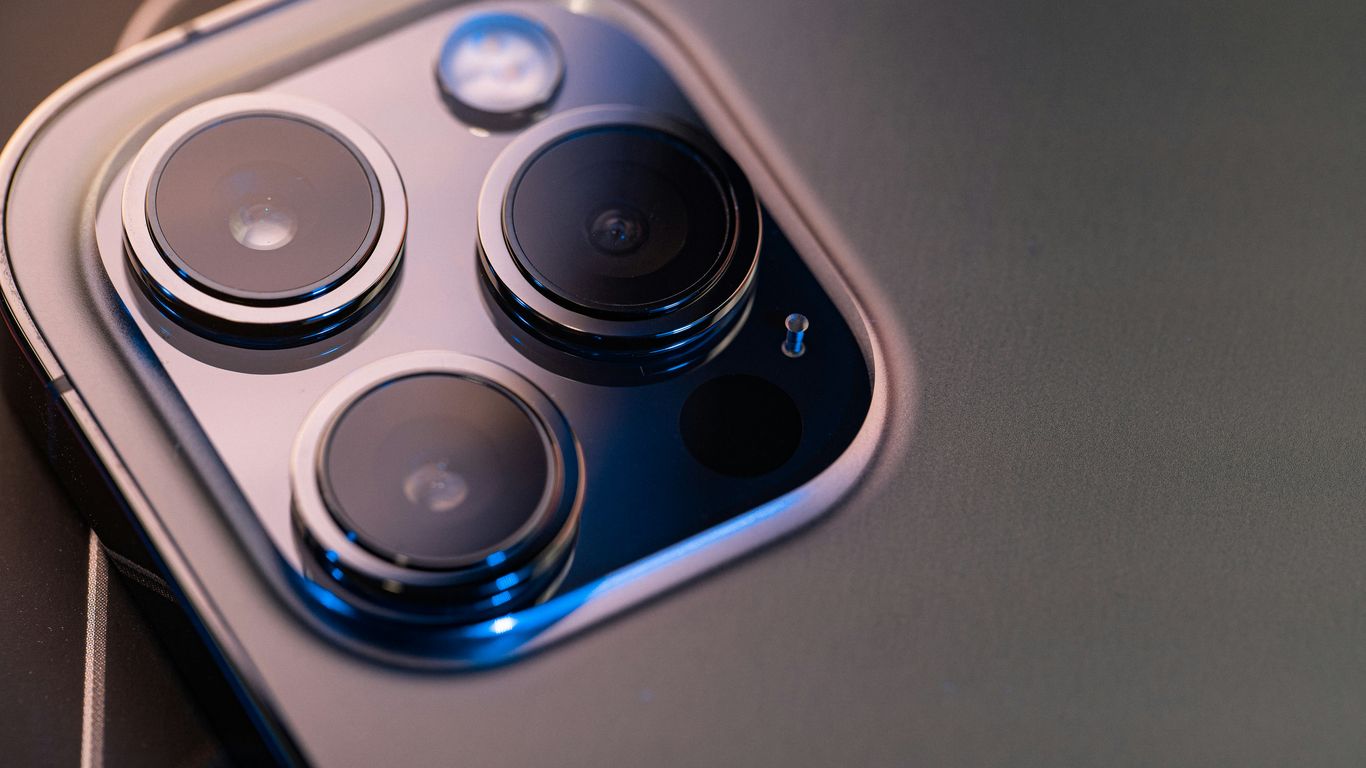
When it comes to snapping photos and shooting video, both the iPhone 15 and the Samsung S25 bring some serious hardware to the table. It’s not just about megapixels anymore, though that’s definitely part of the story. We’re talking about how the sensors work with the phone’s brain, the lenses used, and even how the phone feels in your hand when you’re trying to get that perfect shot.
Comparing Display Technologies and Visual Experience
Let’s break down what’s under the hood for each phone’s camera system. Apple’s iPhones have always been praised for their color accuracy, making photos look natural, almost like you’re seeing them with your own eyes. They’re also known for really good video recording, often considered the standard for mobile video. Samsung, on the other hand, tends to push the boundaries with hardware. Their Ultra models, for instance, often boast massive megapixel counts and zoom lenses that can reach distances most other phones can only dream of. This means you get more detail and flexibility, especially if you like to zoom in close. The choice often comes down to whether you prefer true-to-life images or more vibrant, punchy shots with extra zoom options.
Here’s a quick look at some of the specs:
| Feature | iPhone 15 (Pro) | Samsung S25 (Ultra) |
|---|---|---|
| Main Sensor | 48 MP | 200 MP |
| Ultra-Wide | 12 MP | 12 MP |
| Telephoto | 12 MP (3x optical) | 10 MP (3x optical) + 10 MP (10x optical periscope) |
| Video | 4K Dolby Vision HDR | 8K at 24fps, 4K |
Ergonomics and Handling: Which Feels Better?
When you’re out and about, trying to capture a moment, how the phone handles matters. Apple’s approach usually results in photos that look great straight out of the camera, with minimal fuss. Their computational photography is top-notch, especially for portraits and low-light situations. Samsung often gives you more control, with features like ProRAW and Expert RAW modes that let you tweak settings to your heart’s content. This is fantastic if you enjoy editing your photos after you take them. For video, Samsung’s higher resolution options like 8K are impressive, though Apple’s focus on HDR and cinematic modes makes their footage look very polished. If you’re looking for a phone that can do it all and push the hardware limits, the Samsung S25 series is a strong contender. For a more straightforward, reliable experience with excellent video quality, the iPhone 15 is hard to beat. You can find a detailed comparison of these devices here.
Battery Life and Charging: Staying Powered Up
Let’s talk about the juice. Nobody likes being tethered to a wall, right? When it comes to keeping these phones alive through a busy day, both the iPhone 15 and the Samsung S25 put up a good fight, but they go about it a little differently.
Endurance Tests: Which Phone Lasts Longer?
In day-to-day use, you’ll find that both devices are pretty solid. iPhones have always been good at making their battery last, thanks to iOS being really dialed in. You can expect a full day of normal use, maybe even pushing into a second day if you’re not constantly glued to the screen. Samsung, on the other hand, often packs bigger batteries. The S25, with its larger capacity, can also easily get you through a whole day, even with heavier use like gaming or streaming. It’s a close call, and honestly, how you use your phone matters most. If you’re a heavy user, both might need a top-up before bed, but for most people, they’ll get you where you need to go without constant worry. It’s really about how much screen-on time you’re racking up.
Fast Charging Speeds and Convenience
This is where things get interesting. When you do need to charge, Samsung usually pulls ahead with its faster wired charging. You can often get a significant chunk of battery back in just 20-30 minutes, which is super handy if you’re in a rush. The iPhone 15 also supports fast charging via USB-C, but it might take a bit longer to hit those same percentages. Both phones offer wireless charging, which is great for just dropping the phone on a pad. Samsung even has reverse wireless charging, letting you juice up your earbuds or a friend’s phone in a pinch. It’s a nice little bonus feature that Apple hasn’t really matched yet.
Here’s a quick look at charging:
| Feature | iPhone 15 (Approx.) | Samsung S25 (Approx.) |
|---|---|---|
| Wired Charging | 50% in 30 min (20W+) | 50% in 20 min (45W) |
| Wireless Charging | Up to 15W (MagSafe) | Up to 15W (Qi) |
| Reverse Wireless | No | Yes (PowerShare) |
Power Efficiency and Optimization
Beyond just the battery size, how efficiently the phone uses power is a big deal. Apple’s A-series chips are known for being power sippers, and iOS is great at managing background tasks to save energy. Samsung’s latest chips are also getting much better at this, especially with AI features that help optimize power usage based on your habits. Samsung also offers more granular control over power-saving modes, letting you really tweak how aggressive the phone is in conserving battery. So, while the raw numbers might be close, the software optimization on both sides plays a huge role in how long you actually stay powered up throughout the day. It’s a constant balancing act between performance and longevity, and both companies are working hard on it. For a deeper look at how these devices stack up, you might want to check out this comparison of key features.
Software and AI: The Intelligent Experience
This is where things get really interesting, right? Both the iPhone 15 and the Samsung S25 are packing some serious smarts under the hood, and it’s not just about making calls anymore. We’re talking about AI that’s supposed to make our lives easier, and honestly, it’s a bit of a mixed bag.
iOS vs. Android: User Interface and Customization
Let’s start with the basics: how these phones feel to use day-to-day. Apple’s iOS, on the iPhone 15, is still that familiar, super-smooth experience. It’s clean, it’s simple, and everything just kind of works together. You get widgets and you can change app icons, sure, but it’s not exactly a free-for-all. It’s like a well-organized house – everything has its place. Samsung’s One UI, running on the S25, is built on Android and gives you a lot more wiggle room. Want to change themes? Go for it. Want to rearrange your home screen to look totally unique? No problem. It’s more like a workshop where you can tinker with everything. Both have their fans, and honestly, it comes down to whether you prefer a polished, predictable experience or something you can really make your own. Apple usually gets updates for a really long time, like 5 or 6 years, which is pretty great for keeping your phone feeling fresh. Samsung’s stepped up its game too, offering about 4 years of software updates for its top models now, which is a big deal in the Android world.
Apple Intelligence vs. Galaxy AI Features
Now, for the AI stuff. Apple is pushing ‘Apple Intelligence’ with the iPhone 15. Think smarter suggestions, a Siri that’s supposed to understand your emotions better (we’ll see about that!), and tools that can summarize text for you. A big part of Apple’s approach is keeping things on the device itself. This means your data stays put, which is a big win for privacy. It’s all about making the phone work better for you without sending tons of info to the cloud. Samsung’s ‘Galaxy AI’ on the S25 is a bit different. It’s got features like real-time language translation, which is super handy if you travel a lot, and some pretty neat photo editing tools powered by machine learning. Samsung uses a mix of on-device processing and cloud-based AI. This can make some features really powerful, like those advanced photo adjustments, but it also means more data might be going through servers. It’s a trade-off between ultimate privacy and having access to some really cutting-edge tools. For example, Samsung’s AI can help optimize battery life and camera settings on the fly, which is pretty cool.
Privacy and Security Considerations
When we talk about AI, privacy and security are huge. Apple has always made a big deal about keeping your data safe, and their focus on on-device processing for AI tasks really backs that up. It means things like Face ID and personalized suggestions happen right on your phone, reducing the risk of your personal information getting out there. Samsung, while also improving its on-device capabilities, still relies more on cloud processing for some of its AI features. This isn’t necessarily bad, but it’s something to be aware of. If you’re someone who’s really concerned about every bit of data staying local, Apple might have a slight edge. However, both companies are putting a lot of effort into security, and for most everyday users, both platforms offer robust protection. It’s worth looking into the specific privacy policies of each if this is a major concern for you. For a glimpse into how advanced tech is merging with our physical world, you might find the Apple Vision Pro interesting, though it’s a different category of device entirely.
Value and Investment: Pricing and Long-Term Worth
Initial Purchase Price Comparison
Alright, let’s talk money. When you first look at the iPhone 15 and the Samsung S25, you’ll notice some differences right off the bat. Apple tends to stick to its pricing pretty firmly, meaning you’re usually paying full price for the latest iPhone. Samsung, on the other hand, often has deals and discounts popping up, especially a few months after launch. So, if you’re looking for the absolute lowest price today, Samsung might have an edge. But don’t let that fool you entirely; the initial sticker price isn’t the whole story.
Resale Value and Ecosystem Benefits
This is where iPhones really shine. They hold their value like nobody’s business. If you’re someone who likes to upgrade every couple of years, you’ll likely get more money back when you sell your old iPhone compared to a Samsung. Plus, if you’re already deep into the Apple ecosystem – you know, with an iPad, Apple Watch, or Mac – an iPhone just fits in perfectly. Everything just works together, which is a big plus for many people. Samsung’s ecosystem is growing, and their devices play well with other Samsung products, but Apple’s integration is still pretty hard to beat.
Trade-in Deals and Promotional Offers
Both companies offer trade-in programs, which can knock a decent chunk off the price of a new phone. Samsung often runs pretty aggressive promotions, sometimes bundling in freebies like earbuds or offering significant discounts on trade-ins, especially during big sale events. Apple also has trade-in options, but they’re generally less flashy. It’s worth checking both websites right before you buy to see what kind of deals are active. Sometimes, a good trade-in offer can make a big difference in which phone feels like the better deal for your wallet.
Here’s a quick look at how they generally stack up:
| Feature | iPhone 15 (Typical Launch Price) | Samsung S25 (Typical Launch Price) |
|---|---|---|
| Upfront Cost | Higher | Often lower with deals |
| Resale Value | Excellent | Good, but generally lower than iPhone |
| Ecosystem | Very strong, integrated | Strong, growing integration |
| Promotional Deals | Less frequent, smaller | More frequent, larger |
So, What’s the Verdict?
Alright, we’ve gone through all the nitty-gritty details, and honestly, picking a winner between the iPhone 16 Pro Max and the Galaxy S25 Ultra isn’t a simple task. Both are absolute powerhouses, each bringing something special to the table. If you’re already deep in the Apple world, the iPhone’s smooth performance and ecosystem integration are hard to beat. But if you crave that cutting-edge tech, a camera that can zoom like crazy, and a display that just pops, Samsung’s S25 Ultra is a seriously compelling choice. It really boils down to what you value most in a phone day-to-day. There’s no wrong answer here, just the right phone for you.
Frequently Asked Questions
Which phone is better for playing games?
Both phones are great for gaming! The iPhone’s chip is super fast, making games run really smoothly. The Samsung has a special cooling system that helps it not get too hot, even when you play for a long time.
Which phone takes better pictures?
It depends on what you like! Samsung takes super sharp pictures with lots of detail, especially when you zoom in. The iPhone takes pictures that look more natural and true-to-life, with really good colors.
Which phone’s battery lasts longer?
Generally, the iPhone tends to last a bit longer on a single charge, especially with how well its chip works. However, Samsung’s battery is still very good and lasts through a whole day of heavy use.
Which phone has cooler AI features?
Samsung’s Galaxy AI feels a bit more advanced right now. It offers lots of fun and useful tools for things like translating languages and editing pictures. Apple’s AI is also smart but focuses more on helpful suggestions within its system.
Is it worth switching from an iPhone to a Samsung?
If you’re looking for more ways to change your phone’s look and feel, want amazing zoom cameras, and enjoy trying out new AI tools, then switching to Samsung could be a great move for you. It offers a lot of freedom and cool features.
Which phone is a better deal for the money?
Both phones are expensive, but they offer a lot. iPhones usually keep their value longer, meaning you can sell them for more later. Samsung often has good deals and trade-in offers, and you get a lot of cool features for the price.