Pioneering Self Driving Cars Manufacturers
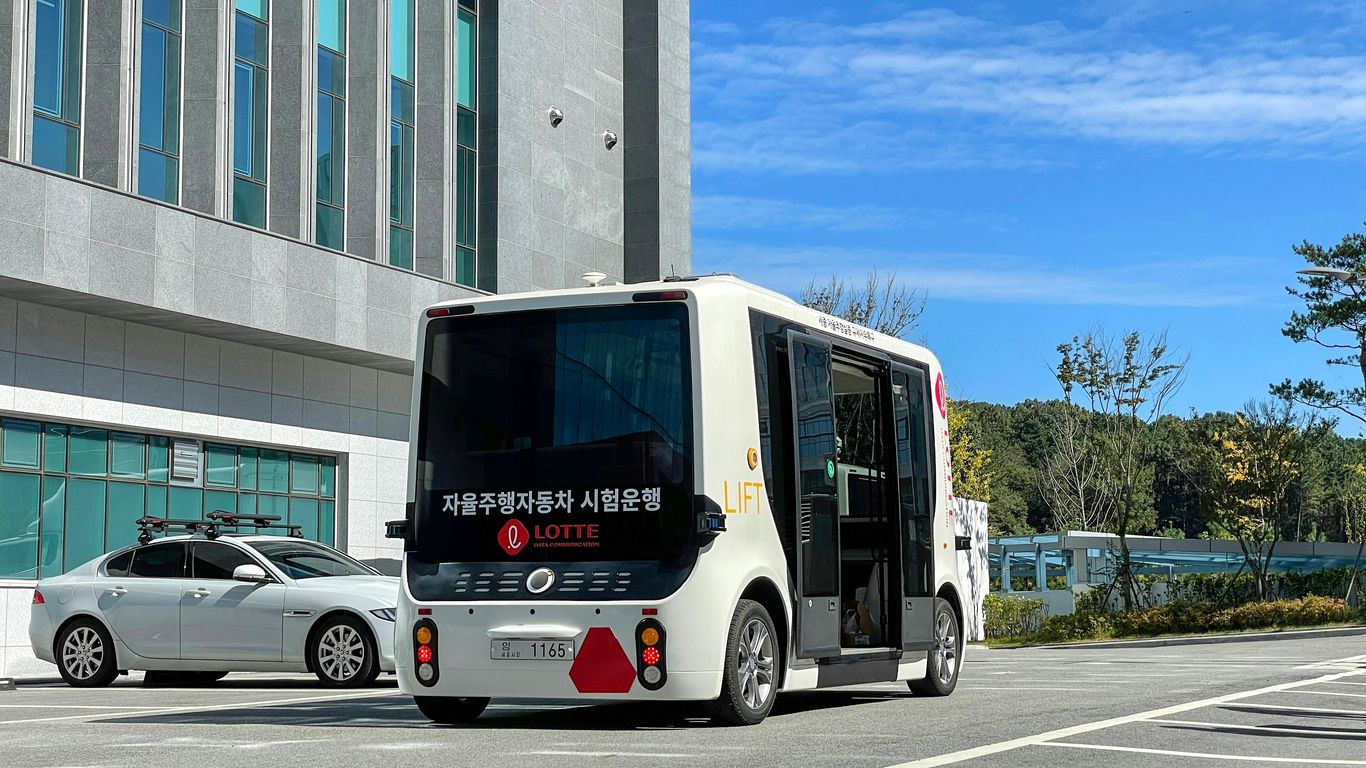
It feels like just yesterday we were talking about self-driving cars as something out of a sci-fi movie, but now, they’re actually starting to show up on our streets. A few companies have really been pushing the envelope, making these futuristic vehicles a reality. They’re not just building cars; they’re building the future of how we get around.
Waymo’s Data-Driven Approach to Autonomous Navigation
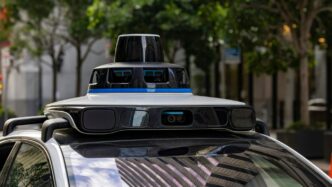
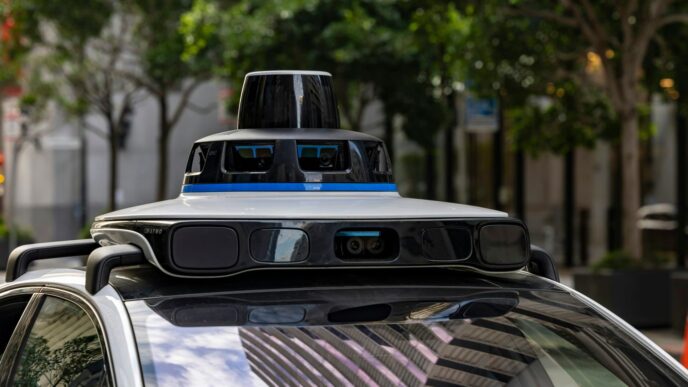
Waymo, which got its start as a Google project, is really serious about collecting data. They’ve been driving their cars around for ages, mapping out cities with super-detailed tech and using all the sensor information they gather to figure out how to drive safely. You can actually use their ride-hailing service, Waymo One, in places like Phoenix, San Francisco, Los Angeles, and Austin. It’s all about using that massive amount of data to make their self-driving system smarter and safer.
Cruise’s Bold Steps in Driverless Urban Mobility
Cruise is another big name, and they’ve been making some serious moves, especially in San Francisco. They’ve actually gotten approval to run fully driverless robotaxis there. This is a pretty big deal because it means their cars are out there, picking up passengers without anyone behind the wheel, in a really busy city. It’s not just a test anymore; it’s a real service. They use a tool called Web Viz to help their cars see what’s around them and record their drives, which helps them learn. Though, they did have a hiccup with their license in California after an accident in late 2023, which shows how tricky this all still is.
Tesla’s Scaled Advantage in Self-Driving AI
Tesla is doing things a bit differently. Their Autopilot software uses a type of AI called a deep learning neural network. It helps with steering and parking, and it’s backed up by cameras and sensors that can see pretty far ahead. While they’re still working towards full self-driving, the idea is that eventually, their cars will handle both short trips and long journeys without needing the driver to do anything. Their big advantage seems to be how many cars they’re already putting on the road, which means a lot of real-world data is being collected.
Innovations Driving the Autonomous Vehicle Landscape
It feels like every week there’s some new development in the world of self-driving cars. While Waymo and Tesla often grab the headlines, a lot of the real progress is happening thanks to some other key players. These companies are building the brains and the hardware that make autonomous driving possible, and their work is pretty fascinating.
Mobileye’s Visionary Chip Technology
Mobileye might not be a household name for most drivers, but their technology is probably in your car right now. They make the AI-powered vision chips that are the brains behind many advanced driver-assistance systems (ADAS) and full self-driving platforms. Think of it as the eyes and the quick thinking for the car. They’ve shipped over 100 million of these chips, which means their tech is already a huge part of the automotive world. These chips help cars see what’s around them, stay in their lanes, and make split-second decisions. It’s a big reason why so many cars today have features like automatic emergency braking and lane keeping assist.
General Motors’ Commitment to Autonomous Development
General Motors is putting a serious stake in the ground for self-driving tech. Beyond just developing their own advanced driver assistance systems, GM is a major backer of Cruise. Cruise has been making big moves, even getting approval to operate fully driverless robotaxis in busy cities like San Francisco. This isn’t just a small test program; it’s a real-world deployment of vehicles with no human safety driver. It shows that the technology is getting to a point where it can handle complex urban environments. For the industry, this kind of regulatory approval is a huge signal that driverless tech is moving from the lab to the street.
Toyota’s Strategic Investments in Woven Planet
Toyota, a giant in the traditional car world, isn’t sitting on the sidelines. Through its division called Woven Planet, the company is investing heavily in autonomous vehicle research. We’re talking over $1 billion poured into R&D. Their focus isn’t just on the cars themselves, but on a broader picture of mobility that includes AI, connectivity, and automation working together. This kind of broad investment strategy is smart. It means they’re not just betting on one piece of the puzzle, but looking at how self-driving tech can work with things like smart city infrastructure and traffic management systems. It’s a more holistic approach to the future of getting around.
Emerging Players in the Self Driving Cars Market

While the big names often grab the headlines, there’s a whole crew of innovative companies quietly building the future of self-driving tech. These folks are tackling different parts of the puzzle, from driving in tricky spots to making deliveries and just making sure everyone can get around.
AutoX’s Expansion Across Challenging Terrains
AutoX is really focused on making self-driving work, even when the roads get tough. They’re building a system that can handle some of the most difficult driving conditions, especially in China. Their technology isn’t just for one type of car; it can work with different vehicle sizes. You can find their self-driving vehicles operating in several major cities, including Shenzhen, Guangzhou, and even out in Silicon Valley. It’s pretty impressive how they’re pushing the boundaries of where autonomous vehicles can go.
Nuro’s Focus on Autonomous Delivery Services
Nuro has a pretty clear mission: use self-driving vehicles for deliveries. Forget about passengers for a moment; Nuro’s custom-built vehicles are designed to haul goods. Their system, called the Nuro Driver, uses AI and machine learning to learn from driving data, keeping safety a top priority and adapting to all sorts of situations. They’ve already put their delivery bots to work in places like California and Texas, teaming up with big names you probably know, like Domino’s, Kroger, and Walmart. It’s a smart way to use this tech for everyday needs.
May Mobility’s Mission for Accessible Transportation
May Mobility is all about making transportation more accessible and, of course, safer and greener. They’re developing self-driving technology with a big goal in mind. They’ve already launched several services, including a cool setup at the University of Texas at Arlington, where their autonomous shuttles help students get around campus and the downtown area. Their tech uses a drive-by-wire system, which means it can be fitted into many different types of vehicles. It’s a practical approach to bringing autonomous rides to more people.
Advancements in Semi-Autonomous Driving Systems
While the dream of fully driverless cars is still a ways off for most of us, the progress in semi-autonomous systems is already changing how we drive. These aren’t just fancy cruise control systems anymore; they’re sophisticated tools that help drivers out in many situations. Think of it as having a really good co-pilot who can handle some of the driving tasks, but you’re still ultimately in charge.
Ford’s BlueCruise Milestone in Hands-Free Driving
Ford has been making some serious headway with its BlueCruise system. They’ve managed to rack up over 80 million miles of hands-free driving. That’s a huge number and shows that people are actually using and trusting these systems on real roads. It’s a big deal because it proves that driver-assist tech is moving beyond just a novelty and becoming a practical feature for everyday drivers. This success is a good sign for other companies looking to scale up their own semi-autonomous features, showing that a balance between safety, regulation, and driver confidence is achievable.
BMW’s Planned Level 3 Autonomous Software Release
BMW is getting ready to roll out its Level 3 autonomous driving software, aiming for a 2025 release. This means their cars will be able to handle driving in certain conditions without the driver needing to pay constant attention. It’s a step up from current systems where you still need to keep your hands on the wheel. Expect to see these advanced features showing up first in the luxury car market, which makes sense. For folks in the AV industry, this opens doors to work with high-end car makers, perhaps by providing the smart software or the advanced sensors needed for these systems.
Mercedes-Benz Secures Landmark Level 3 Approval
Mercedes-Benz has actually gone and done it – they’ve become the first automaker to get official approval for Level 3 autonomous driving in the U.S. This is a pretty big moment. It means their vehicles can legally drive themselves under specific conditions, like on highways, without the driver needing to be fully engaged. This approval is a clear signal that the industry is moving forward and that regulatory bodies are starting to sign off on more advanced self-driving capabilities. It sets a precedent for other manufacturers and shows that the path to more automated driving is becoming clearer.
Global Strategies for Autonomous Vehicle Adoption
Getting self-driving cars out there isn’t just about building cool tech; it’s a whole global effort. Different countries and companies are tackling this in their own ways, and it’s pretty interesting to see how it’s all shaking out.
China’s Ambitious Targets for Level 2 Automation
China is really pushing hard for self-driving tech. They’ve set a goal for half of all new cars sold by 2025 to have at least Level 2 automation. That’s a big deal because it tells everyone – car makers, tech folks, investors – that this isn’t just a maybe, it’s a definite future. For businesses, this means if you want to play in the biggest car market out there, you better get on board with their AV plans. It’s a huge opportunity, but you also have to keep up with the fast changes and what people want.
WeRide’s Diverse Autonomous Vehicle Fleet
WeRide is doing things a bit differently. Instead of just focusing on one type of self-driving car, they’re building a whole range of vehicles. Think robotaxis, but also self-driving vans and even larger trucks. This approach helps them test their technology in all sorts of situations and figure out what works best for different jobs. It’s like having a whole toolbox of autonomous options, ready for whatever the road throws at them. This variety is key to figuring out how self-driving tech can actually be used in the real world, beyond just picking people up.
Zoox’s Vision for Integrated Mobility Solutions
Zoox has a pretty unique idea. They’re not just making a self-driving car; they’re thinking about the whole transportation experience. Imagine a car designed from the ground up to be fully autonomous, with no steering wheel or pedals, and built for ride-sharing. It’s about creating a complete service where the vehicle and the way you use it are all connected. Their goal is to make getting around cities easier and more efficient for everyone. This kind of thinking could change how we think about owning cars and using transportation in the future, making it more like a service than a possession.
Key Technologies Powering Self Driving Cars
Magna International’s Integrated Sensor Solutions
Magna International is doing some interesting work with sensors for self-driving cars. They’ve developed a way to add their advanced driver-assistance systems (ADAS) to pretty much any car without needing to change how the car looks. They manage this by cleverly placing cameras, radar, lidar, and ultrasonic sensors right into parts like the vehicle’s bumpers. This makes integration much simpler for automakers. Magna is even testing out its own electric, self-driving delivery service, showing they’re serious about putting their tech to the test in real-world scenarios.
Arity’s Data Analytics for Risk Reduction
Arity, a company that started with Allstate, is all about using big data to figure out traffic patterns. The goal here is to get better at predicting and then reducing risks on the road. They collect a lot of data and then use it to advise insurance companies, shared mobility services, and car manufacturers on how to lower risks. This kind of data analysis is pretty important when you think about making self-driving cars safe and reliable.
WiTricity’s Wireless Charging for EVs
WiTricity is tackling a different, but equally important, piece of the puzzle: charging electric vehicles. They’re developing wireless charging stations. The idea is simple: you just park your car over a special spot, and it starts charging. This magnetic resonance technology could make owning and using electric cars a lot easier. For self-driving electric cars, this means they could potentially be deployed more efficiently and travel longer distances without needing manual plug-ins, which is a big deal for keeping fleets running smoothly.
The Road Ahead
So, what does all this mean for the future? It’s pretty clear that self-driving cars aren’t just a far-off dream anymore. Companies like Waymo, Cruise, and Tesla are already putting their tech on the road, and others are right behind them. We’re seeing big investments and steady progress, even if there are still bumps along the way, like with Cruise’s recent pause. The technology is getting better, and more people are starting to trust it. It feels like we’re on the cusp of a big change in how we get around, and it’s going to be interesting to see how it all plays out over the next few years.