Building successful IoT services isn’t just about connecting devices; it’s about creating something people actually want and can use. We’re talking about making sure the tech works smoothly, stays safe, and grows with demand. It’s a whole process, from the first idea to keeping things running after launch. Getting the iot service design right means thinking about everything from how easy it is to use to how secure it is. It’s a bit like building a house – you need a solid plan, good materials, and a team that knows what they’re doing.
Key Takeaways
- Think about the whole picture when developing IoT products, including security, how well it scales, and if people will like using it. Doing this helps make your IoT solutions better and more valuable.
- Keep security a top priority from the start. Use strong security measures and data protection methods to keep devices and information safe from online threats.
- Design your IoT solutions so they can grow easily as more people use them. Use flexible designs and standard ways of connecting things so they can work with other systems and adapt to new tech.
- Make sure your IoT services are simple and easy for people to use. Listen to what users say and use that information to make things better and more personal for them.
- Work together as a team and keep talking. Use quick, repeating development cycles to make changes and improvements based on feedback and how things are performing.
Foundational Principles Of Iot Service Design
Getting started with IoT isn’t just about slapping some sensors on a gadget and hoping for the best. It’s about building something that actually works, lasts, and makes sense for people. Think of it like building a house – you need a solid plan before you even pick up a hammer.
Understanding The Core Of Iot Product Development
At its heart, IoT product development is about connecting physical things to the digital world. This means your product isn’t just a standalone item anymore; it’s part of a bigger system. You’re not just making a smart thermostat; you’re creating a device that talks to your phone, maybe your energy provider, and potentially other home devices. This connection is where the real value comes in, allowing for data collection, remote control, and automation.
- Data is King: Connected devices generate a ton of information. Figuring out what data is useful and how to collect it efficiently is key. This data can help you improve the product, offer new services, or even predict when something might break.
- It’s a System: Remember that your device is just one piece. You need to think about the software on the device, the cloud services it connects to, and the app users interact with. All these parts have to play nicely together.
- User Needs First: Why are you making this connected product? What problem does it solve for people? If you don’t have a clear answer, the project is likely to stumble.
The Pivotal Role Of Connectivity In Product Development
Connectivity is the lifeblood of any IoT product. Without it, your ‘smart’ device is just a dumb one. Choosing the right way for your device to connect is a big decision that impacts cost, performance, and how complex the whole setup will be.
Here’s a quick look at some common ways devices connect:
| Connection Type | Typical Use Cases | Pros | Cons |
|---|---|---|---|
| Wi-Fi | Smart home devices, local networks | High bandwidth, common | Power hungry, limited range |
| Bluetooth/BLE | Wearables, short-range communication | Low power, inexpensive | Short range, lower bandwidth |
| Cellular (LTE/5G) | Remote assets, wide area coverage | Wide coverage, high bandwidth | Higher cost, power consumption |
| LoRaWAN/Sigfox | Low-power, long-range sensors | Very low power, long range | Low bandwidth, requires gateway |
Think about where your device will be used and what kind of data it needs to send. A simple temperature sensor in a remote field might only need LoRaWAN, while a security camera will need Wi-Fi or cellular for its video stream.
Driving Innovation Through Connected Products
Once you’ve got the basics down – understanding the product’s purpose and how it will connect – you can start thinking about how to make it truly innovative. Connected products open doors to new business models and ways of interacting with customers that weren’t possible before.
- New Service Opportunities: Instead of just selling a product, you can sell a service based on that product. Think about predictive maintenance for industrial equipment or personalized health insights from a wearable. This shift from product sales to service revenue is a major driver in IoT.
- Better Customer Relationships: By collecting data on how people use your product, you can understand their needs better. This allows for more targeted updates, better customer support, and a stronger connection with your user base.
- Efficiency Gains: For businesses, connected products can automate processes, reduce waste, and improve operational efficiency. This could be anything from smart inventory management to optimizing energy usage in a building.
Navigating The Iot Service Design Lifecycle
Building an IoT service isn’t a one-and-done deal. It’s a journey with distinct phases, each needing careful attention. Think of it like building a house – you wouldn’t just start hammering nails without a plan, right? The same goes for IoT. Getting these stages right from the start makes everything else much smoother.
Initial Conceptualization And Market Research
This is where the whole idea gets born. You’re looking around, trying to figure out what problems people actually have that a connected device could solve. It’s not just about having a cool gadget; it’s about making something useful. You’ll spend time looking at what’s already out there, who your potential customers are, and if your idea even makes sense from a business standpoint. Basically, you’re trying to answer: "Is this worth building?"
- Identify real user needs: What pain points can your IoT product address?
- Analyze the competition: What are others doing, and how can you be different or better?
- Assess technical and financial feasibility: Can it actually be built with current tech, and does it make financial sense?
Design And Prototyping For User Validation
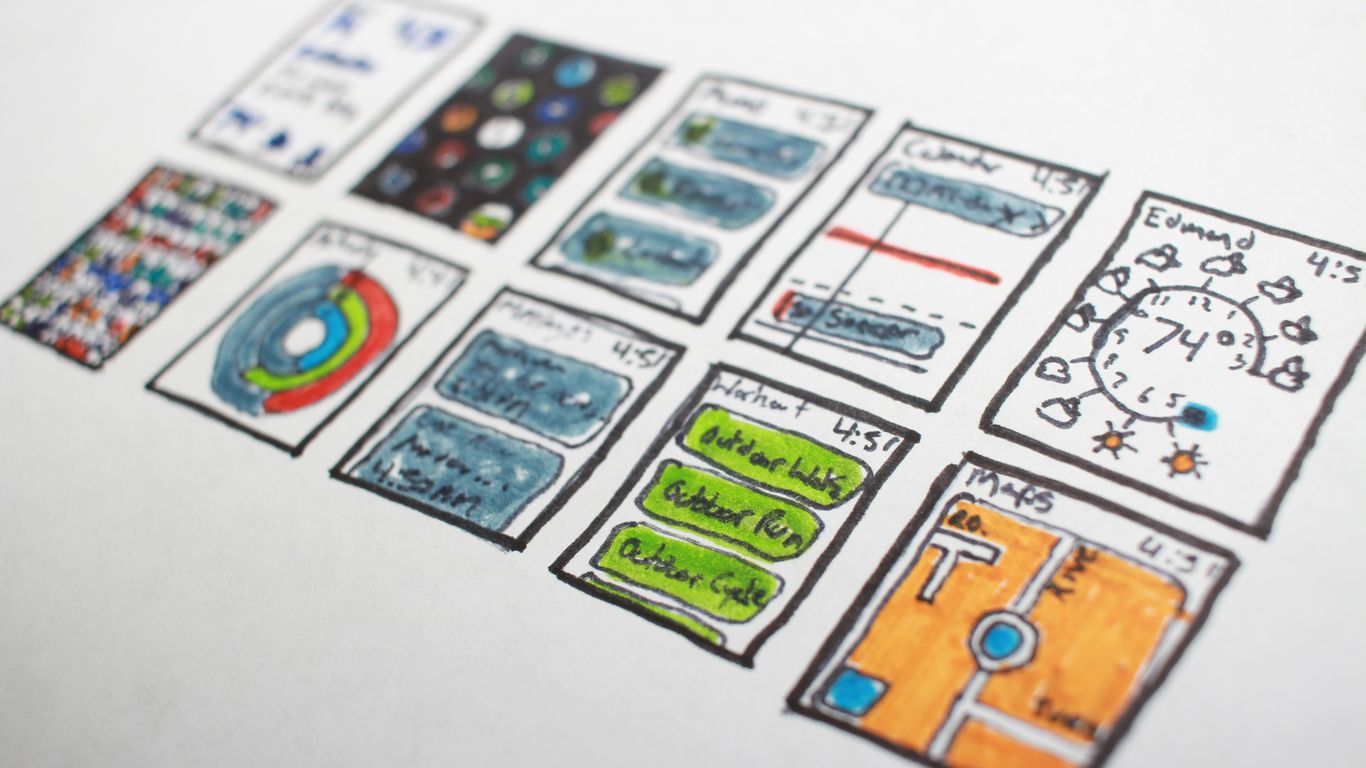
Once you have a solid concept, it’s time to start sketching things out. This phase is all about turning that idea into something tangible, even if it’s just a basic model. You’ll create detailed plans for how the device will work, what it will look like, and how people will interact with it. Then comes the prototyping – building a working version, or at least a representation, to test out your ideas. Getting feedback from real users at this stage is super important. It helps you catch design flaws or usability issues before you’ve invested too much time and money.
Development, Manufacturing, And Integration
This is the heavy lifting part. You’ve got your designs, you’ve tested your prototypes, and now it’s time to actually build the thing. This involves writing all the software that makes the device smart, developing the hardware components like sensors and circuit boards, and then putting it all together. Manufacturing is a whole other beast, dealing with production lines and quality control. Finally, you need to make sure all the different parts – the device, the cloud services, the mobile app – work together without a hitch. It’s a complex puzzle, and getting all the pieces to fit is key.
Prioritizing Security And Privacy In Iot Design

When you’re building anything connected, especially with the Internet of Things, security and privacy can’t just be an afterthought. It’s like building a house without thinking about locks on the doors – it just doesn’t make sense. Devices collect all sorts of information, and if that gets into the wrong hands, it can cause real problems, from identity theft to messing with critical systems.
Implementing Robust Security Measures
So, how do we actually make these things secure? It starts with the basics. Think about how devices talk to each other and to the cloud. Are those conversations protected? We need strong ways to make sure only the right devices and people can access things. This means using things like secure passwords, or even better, multi-factor authentication where you need more than one way to prove who you are. Also, keeping the software on these devices up-to-date is a big deal. Old software often has known weaknesses that hackers can exploit. It’s a bit like leaving your front door unlocked because you haven’t bothered to fix the broken lock.
- Strong Authentication: Make sure only authorized users and devices can connect. This could involve unique device IDs and secure login processes.
- Secure Communication: Encrypt the data that travels between devices, gateways, and the cloud. Using protocols like TLS/SSL is standard practice.
- Regular Updates: Have a plan for pushing out software and firmware updates to fix bugs and security holes. This needs to be done securely, too.
- Access Control: Define who can do what. Not everyone needs access to everything. Role-based access control helps limit potential damage.
Safeguarding Sensitive Data With Encryption
Once you’ve got the access sorted, you need to think about the data itself. A lot of IoT devices gather personal information, or data that could be used to figure out personal habits. Encrypting this data, both when it’s stored and when it’s being sent, is non-negotiable. Even if someone manages to intercept the data, if it’s encrypted properly, it’ll just look like gibberish to them. It’s like putting your important documents in a safe deposit box instead of leaving them on your desk.
Adhering To Emerging Security Standards
The world of security is always changing. New threats pop up, and new ways to defend against them are developed. It’s important to keep an eye on what the industry is recommending and what regulations are coming into play. Sticking to established guidelines, like those from NIST or ISO, can give you a solid foundation. It also helps if you can participate in industry groups that are working on setting these standards. This way, you’re not just guessing; you’re building on collective knowledge and best practices. It’s a bit like following a recipe when you’re baking – you’re more likely to get a good result if you use proven steps.
Ensuring Scalability And Flexibility In Iot Solutions
Building an IoT system that can grow and change is super important. You don’t want to create something that works great today but breaks when more people start using it or when new tech comes out. Think about it like building a house – you want to make sure there’s room to add another bedroom later if you need it, right? That’s kind of what we’re talking about here.
Designing For Seamless Growth
When you’re designing your IoT service, you’ve got to picture it getting bigger. This means thinking about how many devices will connect, how much data they’ll send, and how many users will be interacting with it. A system that can handle a few hundred devices might choke if suddenly thousands want to join. So, you need to plan for that. It’s about making sure the backend systems, like servers and databases, can keep up without slowing down to a crawl. We’re talking about architecture that doesn’t just work for now, but for years down the line.
Adopting Modular Architectures And Protocols
One of the best ways to make sure your system can grow and adapt is to build it in pieces, or modules. Instead of one giant, complicated program, you have smaller, independent parts that talk to each other. This makes it easier to update or replace one part without messing up the whole thing. It’s also really helpful to use standard ways for devices to talk to each other, like common communication rules or protocols. This way, you’re not locked into one specific type of hardware or software, and it’s easier to connect with other systems later on. Think of it like using standard electrical plugs – you can plug in different appliances without needing a special adapter for each one.
Anticipating Future Technological Needs
Technology moves fast, and what’s cutting-edge today might be old news tomorrow. When you’re designing your IoT solution, try to think ahead. What new sensors might come out? What new ways of communicating might become popular? Building flexibility into your system means you can more easily add support for these new things later. This could mean designing your software so it’s easy to update, or choosing hardware that has some room for expansion. It’s about future-proofing your investment so you don’t have to rebuild everything when a new gadget hits the market.
Elevating The User Experience In Iot Services
When we talk about IoT, it’s easy to get caught up in the tech – the sensors, the cloud, the data. But honestly, if people can’t figure out how to use it, or if it’s just plain annoying, then what’s the point? Making things easy and pleasant for the person on the other end is a big deal.
Designing For Simplicity And Intuition
Think about the last time you tried to set up a new gadget. Was it a breeze, or did you end up staring at instructions that might as well have been in ancient Greek? For IoT, this is where things can really go sideways. We need interfaces that just make sense. No one wants to spend an hour figuring out how to turn on their smart light. It means clear buttons, logical steps, and maybe even a little animation to show what’s happening. The goal is for someone to pick up a device or open an app and just know what to do, without needing a manual.
- Clear Visual Cues: Use icons and labels that are universally understood. If a button looks like it should turn something on, it should turn something on.
- Logical Flow: Guide the user through tasks step-by-step. Don’t make them jump between screens unnecessarily.
- Minimal Jargon: Avoid technical terms. Instead of ‘provisioning’, say ‘setting up’.
Leveraging User Feedback For Improvement
So, you’ve built something. Great! Now, what do actual people think? This is where the rubber meets the road. We can’t just assume we know what’s best. We need to actively listen. This means watching people use the product, asking them questions, and really paying attention to what they say, even the little complaints.
- Usability Testing: Watch real users try to complete tasks. Note where they get stuck or confused.
- Surveys and Interviews: Ask direct questions about their experience. What did they like? What was frustrating?
- In-App Feedback: Make it easy for users to report issues or suggest ideas directly within the app or device interface.
Personalizing Experiences Through Data Analytics
IoT devices collect a ton of data. That’s the whole idea, right? But just collecting it isn’t enough. We can use that data to make the experience better for each individual. Imagine a smart thermostat that learns your schedule and adjusts the temperature automatically, or a fitness tracker that gives you tips based on your activity. It’s about making the technology work for the user, not the other way around. This makes the product feel more helpful and less like just another piece of tech cluttering up their lives.
Fostering Collaboration For Effective Iot Design
Building successful IoT products isn’t a solo mission. It really takes a village, or at least a well-coordinated team. When you’ve got hardware folks, software developers, data people, and designers all working in silos, things get messy. You end up with products that don’t quite talk to each other, or worse, don’t make sense to the people who are supposed to use them.
Cross-Functional Team Synergy
Think about it: the hardware engineer knows the physical limits of the device, the software developer understands what’s possible on the digital side, and the UX designer is the voice of the user. When these groups actually talk and work together from the start, you avoid a lot of headaches down the line. It means everyone understands the overall goals and how their piece fits into the bigger picture. This kind of teamwork helps catch potential problems early, like realizing a cool feature you designed in software just won’t fit on the circuit board. Getting everyone on the same page early on is key to avoiding costly rework. It’s about building a shared understanding, not just handing off tasks.
Establishing Clear Communication Channels
So, how do you make sure everyone’s talking? It’s not just about having meetings. You need actual systems in place. This could be using shared project management tools, setting up regular stand-ups (even if they’re brief), or having a central place where documentation and decisions are stored. When information flows freely, people can ask questions, share updates, and resolve issues without waiting days for a reply. It’s about making it easy for people to find the information they need and to share what they know. This open communication is vital for keeping the project moving and for building trust among team members. It also helps when you’re trying to integrate different parts of the system, which is a big part of IoT. Global IoT collaboration is really changing how we approach these integrations, making connections between device behavior and network needs much smoother.
Embracing Agile And Iterative Development
IoT projects can be complex, and honestly, things change. Requirements might shift, new technologies pop up, or user feedback might point you in a different direction. That’s where agile and iterative development come in. Instead of trying to plan everything perfectly upfront (which is pretty much impossible with IoT), you work in short cycles. You build a little, test it, get feedback, and then adjust. This approach allows teams to be flexible and adapt to changes without derailing the entire project. It also means you’re constantly getting input and making improvements, rather than waiting until the very end to find out something isn’t working. This cycle of building, testing, and refining is how you end up with a product that actually meets user needs and performs well in the real world.
Continuous Improvement And Post-Launch Success
So, you’ve gotten your IoT product out the door. That’s a huge win, right? But honestly, the work isn’t over. Think of it like adopting a pet; you don’t just bring it home and forget about it. Your IoT service needs ongoing care to really thrive. The real magic happens after launch, through consistent attention and smart adjustments.
Embracing Feedback Loops And Iteration
This is where you really listen to what people are saying. Users will find ways to use your product you never even thought of, and sometimes, they’ll run into snags. It’s important to have systems in place to catch this feedback. This could be through in-app surveys, support tickets, or even just monitoring social media chatter. Once you have that information, you need to act on it. Don’t just file it away. Small, regular updates based on user input can make a big difference in how people feel about your product. It shows you’re paying attention and that you care about making their experience better.
Monitoring Performance And User Insights
Beyond just listening, you need to watch how your product is actually being used. This is where data comes in handy. You can track things like how often certain features are used, where users might be getting stuck, or if there are any performance dips. Think of it like a doctor checking vital signs. This kind of monitoring helps you spot potential problems before they become big issues. It also gives you ideas for new features or improvements that users might not even know they want yet. Getting a handle on quality engineering practices early on can really help here.
Providing Ongoing Support And Maintenance
Finally, there’s the practical side of keeping things running smoothly. This means regular software updates to fix bugs and patch security holes. It also involves having a solid support system in place so users can get help when they need it. Whether it’s a detailed FAQ, a responsive customer service team, or clear documentation, making it easy for users to find answers is key. Think about it: if your smart thermostat stops connecting to Wi-Fi, you want a quick fix, not a week-long headache. Good support builds trust and keeps people using your product long-term.
Wrapping It Up
So, building great IoT stuff isn’t just about slapping some tech together. It really comes down to thinking about the whole picture – making sure it’s safe, can grow with demand, and is actually easy for people to use. Plus, keeping things secure and being ready to tweak and improve as you go is super important. If you keep these ideas in mind, you’ll be way ahead in making IoT solutions that people like and that actually work well. It’s a journey, for sure, but focusing on these points helps make it a successful one.
Frequently Asked Questions
What exactly is IoT product development?
Think of IoT product development as the process of creating smart gadgets that can connect to the internet and talk to each other. It’s about taking regular items and making them ‘smart’ by adding technology so they can collect information and do cool things automatically.
Why is security so important when making IoT products?
Security is super important because these smart devices collect and send a lot of information, sometimes personal information. We need to make sure hackers can’t get into them or steal that data, just like you lock your house to keep it safe.
What does ‘scalability’ mean for an IoT product?
Scalability means designing the product so it can handle a lot more users or data later on without breaking. Imagine a small shop that can easily grow into a big supermarket – that’s scalability for an IoT product.
How do you make sure people actually like using IoT products?
Making products easy and fun to use is key! This means making the controls simple, the instructions clear, and listening to what users say they like or don’t like. It’s like making sure a video game is enjoyable for everyone.
What’s the point of working together when designing IoT stuff?
IoT products involve many different parts, like hardware, software, and design. When different teams work together and talk openly, they can solve problems faster and create a much better product than if they worked alone.
Does the work stop after the IoT product is released?
Nope! Just like a phone gets updates, IoT products need ongoing care. This means fixing any issues that pop up, adding new features, and making sure the product keeps working well for a long time based on what users need.