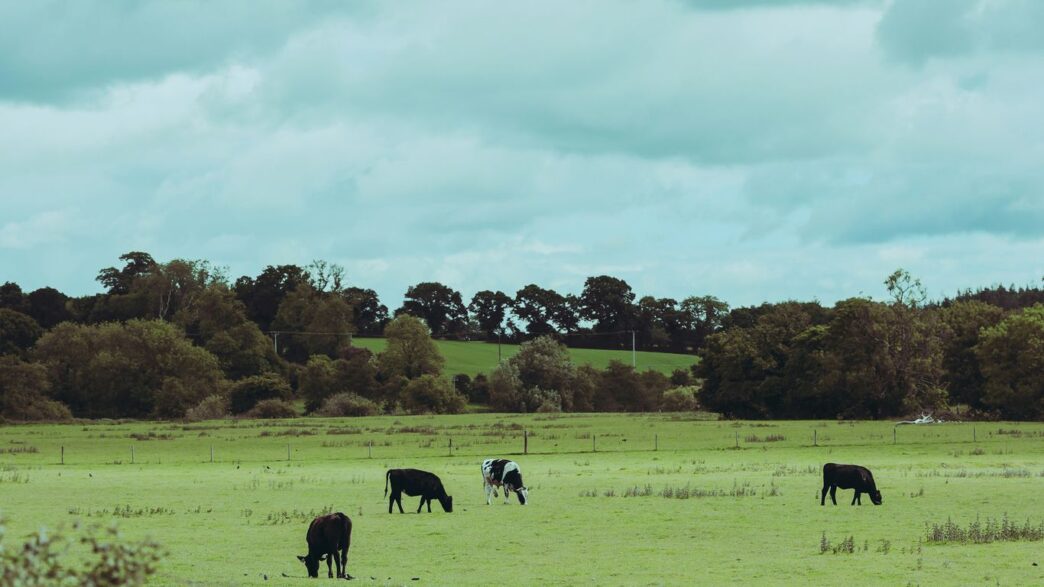
Farming has changed a lot over the years. We used to see farms where crops and animals lived together, but then things got more specialized. Now, some farmers are looking back at those older ways, bringing livestock and crops back together. This idea, called livestock crop integration, isn’t just about going back in time; it’s about finding smarter ways to farm today. It can help the soil, save money, and make the whole farm work better. Let’s explore how combining livestock and crops can really help a farm thrive.
Key Takeaways
- Integrating livestock with crops can seriously improve soil health by adding organic matter and natural nutrients, making the soil better for growing plants.
- Combining livestock and crops can save farmers money by cutting down on the need for purchased feed and fertilizers, and even let them make money from crops that might otherwise go to waste.
- Grazing animals can help manage pests and weeds naturally. They can eat up pest habitats during off-seasons and clear out weeds in fields that aren’t being used for crops.
- Livestock can be used to make the most of farm resources, like eating leftover crop parts or acting as natural harvesters and fertilizer spreaders in places like orchards.
- Bringing livestock back to crop farms offers a way to diversify income, reduce financial risks, and create a more self-sufficient and resilient farming operation.
Enhancing Soil Health Through Livestock Integration
Bringing animals back onto fields that have been solely for crops can really make a difference in how healthy your soil is. It’s not just about adding manure, though that’s a big part of it. When livestock graze, they do more than just eat. They trample down plant material, which then breaks down and becomes part of the soil. This process helps build up organic matter, which is like the soil’s pantry, storing nutrients and water.
Boosting Soil Organic Matter and Water Retention
Think of soil organic matter as a sponge. The more you have, the more water your soil can hold. When animals graze and leave behind manure and trampled plant bits, this organic matter increases. This means your soil can soak up more rain, which is great during dry spells, and it also helps prevent water runoff when it does rain heavily. Studies have shown that land managed with grazing animals can accumulate a good amount of carbon each year, which is a key component of organic matter. This improved structure also means less soil gets washed or blown away.
Improving Soil Fertility with Natural Nutrients
Livestock are essentially nutrient recyclers. They eat plants, and their manure is packed with nitrogen, phosphorus, and other elements that plants need to grow. Instead of buying synthetic fertilizers, you can use manure to feed your soil. This natural fertilization process is gentler on the soil ecosystem and can lead to a more balanced nutrient profile over time. It’s a way to close the loop on your farm, using what the animals produce to grow your crops better.
Increasing Soil Life and Biodiversity
Healthy soil is teeming with life – earthworms, microbes, fungi, and more. These tiny organisms are vital for breaking down organic matter, making nutrients available to plants, and improving soil structure. Grazing animals, through their manure and the disturbance of their hooves, create varied environments that support a wider range of these beneficial soil dwellers. This increased biodiversity in the soil means a more resilient and productive farming system overall.
Economic Advantages of Livestock Crop Synergy
Diversifying Income Streams and Reducing Risk
Adding livestock to your farm isn’t just about manure for the fields; it’s a smart way to spread out your income. Think about it: if your main crop has a bad year due to weather or market prices, having animals means you still have something to sell. This can make a huge difference in keeping the farm afloat. Livestock can produce meat, milk, or wool, and even using waste products from crops can turn a loss into a profit. It’s like having multiple safety nets.
- Meat, Milk, and Fiber: Direct sales from animal products provide a steady income.
- Waste Utilization: Hogs can eat spoiled vegetables, and poultry can peck through grain stubble, turning what would be lost into marketable goods.
- Cover Crop Cash: Instead of just planting cover crops to improve soil, you can graze them, getting soil benefits and producing an animal product.
Reducing Input Costs for Feed and Fertilizers
This is where the synergy really shines. Instead of buying expensive feed, your livestock can graze on crop residues or cover crops. That’s feed you don’t have to purchase. Plus, the manure from your animals is a fantastic natural fertilizer. This means you’ll likely need less synthetic fertilizer, saving you a good chunk of money each season. Some studies have shown farms can save significantly on these inputs by integrating animals.
| Input Type | Potential Savings with Integration | Example |
|---|---|---|
| Feed | Significant | Grazing cover crops instead of buying hay or grain. |
| Fertilizer | Moderate to High | Using animal manure to enrich soil, reducing the need for chemical NPK. |
| Herbicides/Pesticides | Moderate | Livestock can help manage weeds and some pests, reducing chemical use. |
Salvaging Unsalable Crops for Additional Revenue
We’ve all had those crops that just don’t meet market standards – maybe they’re misshapen, slightly damaged, or there’s just too much of it. Instead of letting them rot, livestock can step in. Dropped fruit in orchards can be eaten by animals, reducing pest problems like plum curculio. Fields of grain or vegetables that didn’t quite make the grade can be grazed by animals. This ability to salvage crops turns potential losses into a source of income, making a difficult year much more manageable. It’s a practical way to get more value out of every harvest, no matter the circumstances.
Pest and Weed Management with Grazing Animals
You know, sometimes the best way to deal with a problem is to let nature handle it. When it comes to pests and weeds on the farm, bringing in some four-legged helpers can make a big difference. It’s not just about getting rid of them, but also about breaking their life cycles so they don’t come back as strong next season.
Reducing Pest Habitat Through Dormant Season Grazing
Think about pests like the alfalfa weevil or the wheat sawfly. They like to hang out in crop residues or in the plants themselves during the off-season. If you let sheep or other animals graze these areas when the crops are dormant, they can actually eat up the habitat where these pests and their larvae are hiding. It’s like cleaning house before the party even starts. This can really cut down on the pest population before the growing season even kicks into high gear.
Controlling Weeds in Fallow Ground
Fallow fields can quickly become a weed nursery. Instead of letting them go wild, you can use grazing animals to keep them in check. Animals will eat a lot of the weeds, preventing them from going to seed. This is especially useful for managing tough grasses or broadleaf weeds that might otherwise take over. Plus, their grazing can actually stimulate the growth of certain cover crops you might have planted, which then outcompete the weeds.
Managing Orchard Pests with Livestock
Orchards can have their own set of pest problems, like fallen fruit that attracts insects. Letting animals like pigs or even chickens into the orchard after harvest can help. They’ll eat fallen fruit, which might be carrying pests like the plum curculio, before those pests can overwinter or reproduce. It’s a neat way to clean up the orchard floor and reduce the pest load for the next year, all while the animals get a tasty snack.
Maximizing Resource Utilization with Livestock
Utilizing Inedible Plant Material for Production
Think about all the plant stuff left over after harvest – stalks, leaves, maybe even some cover crops. For humans, it’s mostly waste. But for livestock, especially ruminants like cattle or sheep, it’s a food source. They can break down tough plant fibers that we can’t eat and turn them into valuable products like meat, milk, or wool. This means you can get more out of your fields, not just from the main crop, but from what’s left behind. It’s like having a second harvest, but one that doesn’t require a combine.
Leveraging Grazing Livestock as Harvesting Equipment
Instead of paying for machinery and fuel to till or manage certain areas, why not let the animals do the work? Grazing animals are essentially self-propelled harvesting machines. They can graze down cover crops, eat leftover crop residue, or even clear out weeds in fallow fields. This not only reduces your labor and equipment costs but also spreads manure naturally, fertilizing the soil as they go. It’s a way to use the cheapest, most efficient equipment available – the animals themselves – to manage your land and prepare it for the next growing season.
Integrating Livestock into Orchard and Buffer Zones
Many farms have areas that aren’t typically used for row crops, like orchards, pastures between fields, or the edges of the property. Livestock can be put to work in these spaces. Sheep or cattle can graze under trees, eating fallen fruit that might otherwise attract pests or diseases. They can also graze buffer strips or fence lines, keeping vegetation down and turning these often-neglected areas into productive parts of the farm. This approach helps maintain the landscape while also generating income or reducing management costs for those specific zones.
The Historical Context of Integrated Farming
Revisiting Traditional Nutrient Cycling Practices
For a long time, farms just worked differently. It wasn’t that long ago, really, when most farms looked more like a whole little ecosystem. You had your crops growing, and you had your animals, and they were all connected. The animals ate the leftover bits from the crops, or grazed on pastures, and then their manure went back onto the fields to help the next crops grow. It was a closed loop, you know? Farmers back then were pretty good at managing their land so that the soil stayed healthy and could keep producing food for both the plants and the animals. This natural recycling of nutrients was the backbone of farming for centuries. It meant less need for outside stuff, like manufactured fertilizers.
Modern Examples of Successful Ley Farming
Now, some places are bringing that old way of thinking back, but with modern twists. Take places like New Zealand or Australia. They’ve gotten really good at something called ‘ley farming’. Basically, they’ll grow crops for a few years, then plant grass and clover pastures for a few years, and let the animals graze on that. This rotation does wonders for the soil, keeping it fertile and healthy. It also helps them be more self-sufficient with their feed and energy. It’s a smart way to balance things out, making sure the land can keep giving year after year.
The Shift Towards Specialization and Its Reversal
Somewhere along the line, maybe in the last century or so, farming started to get really specialized. Farmers began focusing on just one thing – either growing a lot of one crop, or raising a lot of one type of animal. This meant that the connection between crops and animals got broken. Farms that used to do both became less common. In the US, by the mid-90s, only a small percentage of farms were still mixing crops and livestock. But we’re seeing a change now. People are realizing that going back to a more integrated system makes a lot of sense, not just for the soil and the environment, but for the farm’s bottom line too. It’s like we’re remembering an old, good idea and figuring out how to make it work for today.
Practical Implementation of Livestock Crop Systems
So, you’re thinking about bringing livestock and crops together on your farm? That’s a big step, and honestly, it can feel a bit overwhelming at first. Most of us grew up doing things one way or the other – just crops or just animals. Mixing them up means learning new tricks and maybe investing a bit upfront. But stick with me, because getting this right can really pay off.
Investing in Essential Fencing Infrastructure
First things first, you can’t just let the cows wander wherever they please. You’ll need good fences. This isn’t just about keeping animals in; it’s also about keeping them out of areas you don’t want them in, like young crops or sensitive buffer zones. Think about different types of fencing for different needs. For temporary paddocks, electric fencing is often a good choice – it’s cheaper and easier to move around. For more permanent boundaries or areas where you need to keep animals securely contained, you might look at woven wire or even high-tensile wire.
- Permanent Fencing: Good for property lines and long-term pasture areas. Often uses posts set deep in the ground with strong wire.
- Electric Fencing: Great for rotational grazing and temporary divisions. Requires a power source (solar or mains) and regular checking to ensure it’s working.
- Temporary Fencing: Think portable panels or step-in posts with polywire. Useful for strip grazing or moving animals quickly.
The cost of fencing can add up, so plan your layout carefully before you buy anything.
Understanding the Demands of Animal Production
This is where things get real. Animals need care, every single day. They need food, water, shelter, and protection from predators and the weather. You’ll need to figure out:
- Daily Care Routines: This includes feeding, watering, and checking on their general health. Don’t underestimate how much time this takes, especially if you’re used to just managing fields.
- Nutritional Needs: Different animals, and even different stages of life for the same animal, have different dietary requirements. You can’t just assume they’ll eat anything. This ties back into using crop byproducts, but you still need to balance their diet.
- Health Management: This means knowing when an animal is sick, having a plan for treatment, and potentially working with a veterinarian. Vaccinations, parasite control – it’s a whole different ballgame than growing corn.
It’s easy to look at the benefits of manure and grazing, but you have to be prepared for the daily commitment that comes with livestock.
Exploring Contracting Grazing Services
Not everyone wants to own livestock outright, and that’s okay. There’s a growing trend of farmers hiring out their land for grazing or hiring services to manage livestock on their fields. This can be a good way to get some of the benefits of integration without the full commitment.
- Custom Grazing: You might pay someone to bring their animals to graze your cover crops or fallow fields. This helps manage weeds and fertilize the soil for your next crop.
- Leasing Land for Grazing: You could lease a portion of your land to a livestock producer. They get pasture, and you get income, plus the added soil benefits from the animals.
- Hiring Livestock Management: Some companies specialize in managing livestock for crop farmers. They handle the daily care, fencing, and health, allowing you to focus on the cropping side while still getting the integration benefits.
This approach lets you dip your toes in the water, so to speak, and see if integrated systems are a good fit for your operation before making a huge investment.
Wrapping It Up
So, bringing livestock and crops together on your farm isn’t just some old-fashioned idea; it’s a smart move for today’s farming. It helps make your soil healthier, opens up new ways to make money, and generally makes your farm tougher against bad weather or tough markets. Of course, it’s not a switch you flip overnight. You’ve got to think about the costs, what you’ll need to build or change, and how you’ll sell whatever the animals produce. Maybe start small, like hiring out grazing services, to see how it fits. It’s about making your whole farm work better, together.
Frequently Asked Questions
What exactly is livestock-crop integration?
It’s like having your farm animals and crops work together as a team. Instead of growing crops and raising animals separately, you combine them. For example, animals might eat leftover crop bits, or their manure can help fertilize the soil for your crops. It’s about making everything on the farm work together more smoothly.
How does having animals help the soil?
Animals are great for the soil! When they poop, it’s natural fertilizer that gives plants the nutrients they need to grow strong. Plus, when animals graze, they can help break up hard soil, and their presence encourages more tiny living things in the soil, which makes it healthier and better at holding water.
Can integrating animals save a farmer money?
Yes, it often does! Animals can eat crop leftovers or even weeds, which means you might need fewer fertilizers and weed killers. Also, if a crop doesn’t sell well, animals can sometimes eat it, turning what would be a loss into food for them, which can still bring some value to the farm.
Do animals help with farm pests and weeds?
They sure can! Some animals, like chickens or sheep, can eat insects and weeds. Letting animals graze at certain times of the year can also get rid of places where pests like to hide. In orchards, animals can eat fallen fruit, which helps stop bugs from spreading.
Is this a new idea, or have farmers always done this?
Farming used to be very much like this a long time ago! Before farms became super specialized, it was common for animals and crops to be grown together. This system helps make sure that nutrients from the animals go back into the soil, creating a natural cycle that keeps the farm healthy.
What’s the first step if a farmer wants to try this?
A good starting point is to think about fencing. Good fences are key to safely moving animals around your farm to where the food is. You don’t have to build a giant, expensive fence right away. Sometimes, working with other farmers who already have livestock or using services that let animals graze on your land for a fee can be a good way to begin.