Keeping up with the electronics manufacturing world can feel like a full-time job. Things change so fast, it’s hard to know what’s new and what’s just noise. This article looks at some of the big shifts happening right now, from how we make things smarter to making them greener. We’ll also touch on where manufacturing is headed and some cool new tech that’s popping up. It’s all about staying informed in this fast-paced industry.
Key Takeaways
- Smart devices and the Internet of Things (IoT) are changing how electronics are made, making production more connected and efficient, though managing all the data can be a hurdle.
- Medical device manufacturing is seeing more small, patient-focused gadgets, pushing companies to consolidate and adapt to consumer healthcare needs.
- There’s a bigger push for electronics manufacturing to be eco-friendly, driven by consumer demand for recyclable parts and stricter environmental rules, even if it means higher initial costs.
- Manufacturing is shifting, with more companies looking at bringing production back home, partly due to automation advancements and consumer preference for ‘Made in USA’ products.
- New technologies like Li-Fi and advancements in embedded computing are shaping the future of electronics, requiring manufacturers to stay adaptable and partner with skilled providers.
The Rise Of Smart Devices In Electronics Manufacturing
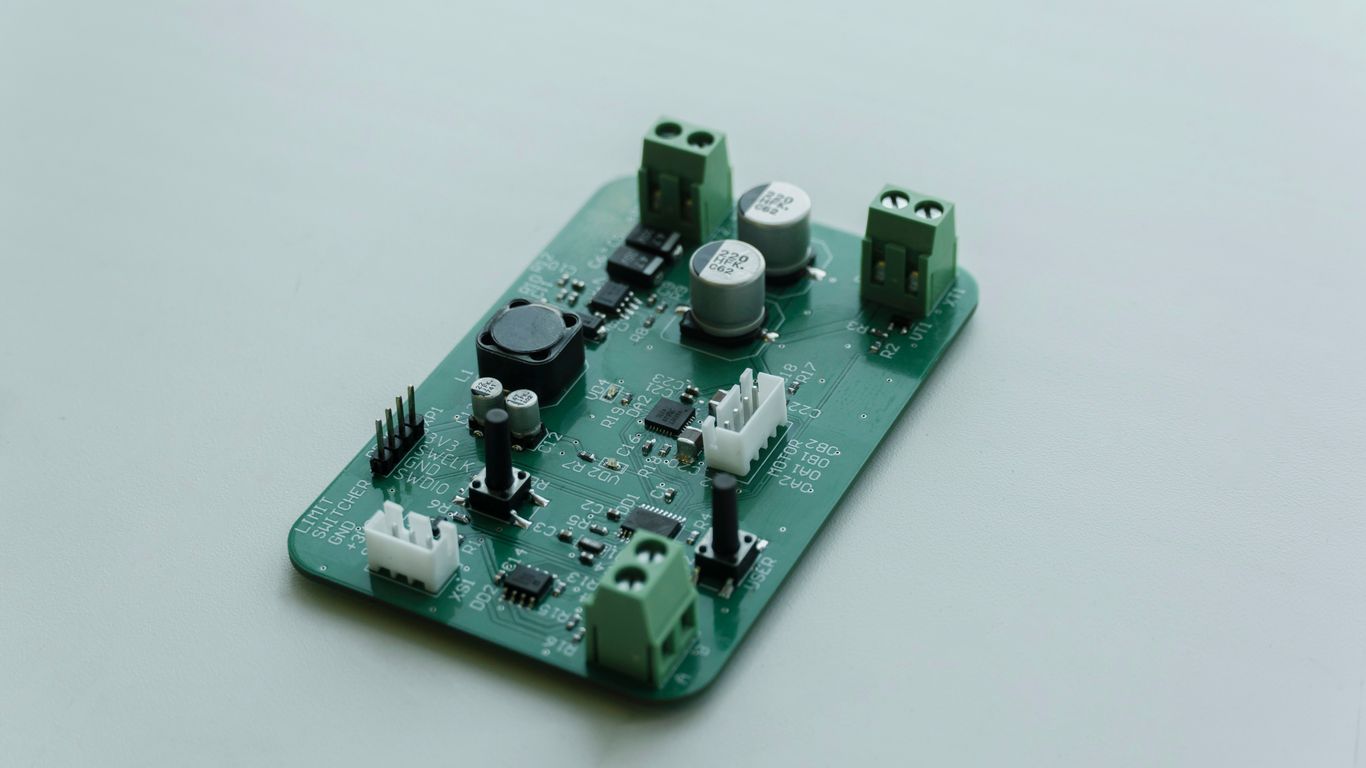
It feels like everything is getting smarter these days, right? Our homes, our cars, and definitely the way things are made. In electronics manufacturing, this means a big push towards "smart" devices and systems. Think about the Internet of Things (IoT) – it’s not just for your smart thermostat anymore. Factories are starting to use IoT solutions to keep a much closer eye on everything happening on the production floor. This helps track assets better and keeps data flowing smoothly through the whole process. This constant stream of information is key to understanding and improving how things get made.
Leveraging IoT For Streamlined Production
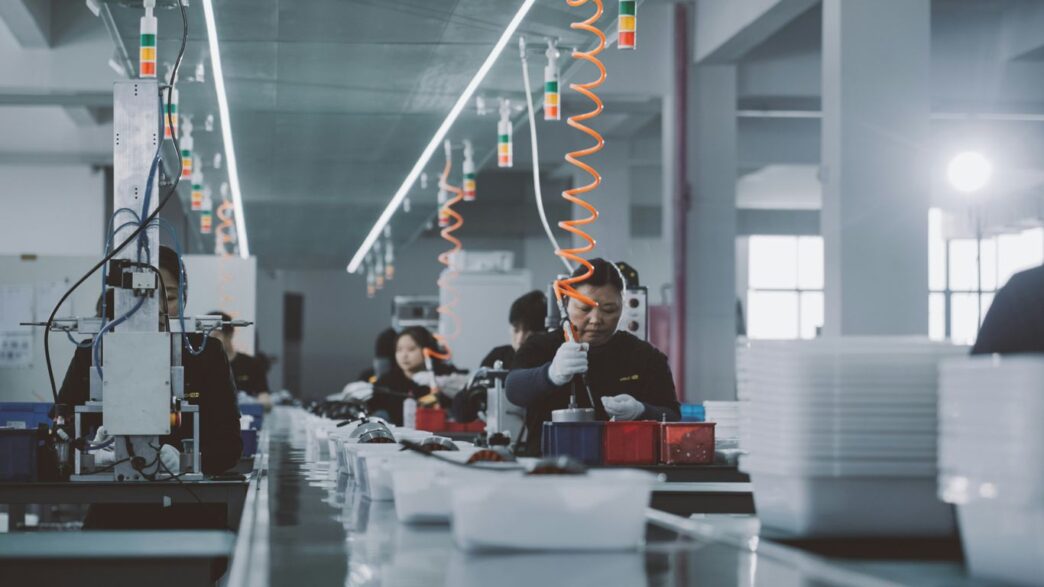
So, how does this "smart" stuff actually help? Well, for starters, it makes things way more efficient. Instead of relying on manual checks or outdated systems, IoT devices can monitor machines, track materials, and even predict when a piece of equipment might need maintenance. This means less downtime and fewer unexpected problems. It’s all about connecting different parts of the manufacturing line so they can talk to each other and work together better. This kind of connectivity can really speed up how quickly a product goes from the drawing board to being ready to ship.
Addressing Data Overload Challenges
Now, all this "smart" tech generates a ton of data. And that’s where things can get a bit tricky. It’s one thing to collect data, but it’s another thing entirely to actually use it effectively. Companies are facing a big challenge in figuring out how to sort through all this information, decide what’s important, and then act on it. You need the right software to make sense of it all, and you need people who know how to interpret the numbers and make smart decisions based on them. It’s a learning curve, for sure, and requires some investment in both technology and training. Finding the right balance is something many are still working on. You can see some of the automation driving these changes at Automate 2026 [f63e].
Improving Efficiency Through Real-Time Analytics
When you get past the data overload hurdle, the benefits of real-time analytics are pretty significant. Imagine being able to see exactly what’s happening on the factory floor, right now. If a machine starts acting up, you know immediately and can fix it before it causes a major delay. Or if a particular production step is taking longer than it should, you can pinpoint why and make adjustments. This kind of immediate feedback loop allows manufacturers to constantly fine-tune their processes, reduce errors, and ultimately produce higher quality products faster. It’s about making smarter, data-driven decisions on the fly, which is a big deal in today’s fast-paced market. Staying compliant with regulations is also a big part of this, as mentioned in discussions about the consumer electronics market [a754].
Advancements In Medical Device Manufacturing

The medical device sector is really heating up, and it’s not just about new gadgets. We’re seeing a big push towards smaller, smarter devices, which naturally leads to more consolidation in how they’re made. Think about it: tiny sensors, complex electronics packed into something you can hold in your hand. This miniaturization means manufacturers have to get really good at integrating everything efficiently. This trend is driven by a growing demand for patient-centric healthcare solutions.
Consolidation Driven By Miniaturization
Because devices are getting so small and packed with sensors, companies are finding it makes sense to combine different manufacturing steps. This consolidation helps cut down on costs and speeds up the process. It’s all about getting these advanced devices out to people faster. The Q1 2026 Manufacturing Pulse Study shows optimism in this area, with medical manufacturing being a bright spot.
Patient-Centric Device Demand
People are more interested in managing their own health these days. Instead of just doctors using devices, we’re seeing more products designed for everyday use by individuals. This means devices need to be user-friendly and reliable, even as the technology inside them changes rapidly. It’s a shift from hospital-focused tools to personal health monitors.
Navigating The Shift To Consumer-Focused Healthcare
This move towards consumer use means manufacturers need to be flexible. They have to adapt designs for the general public while still making sure the devices are built to last. It’s a balancing act, but the demand for personal health tech is a big motivator for companies to expand into this market. Understanding these key MedTech trends for 2026 is important for staying competitive.
The Growing Importance Of Sustainable Electronics Manufacturing
It feels like everywhere you look these days, people are talking about being "green." And honestly, it’s about time. The electronics industry, in particular, has a big role to play here. We’re making more gadgets than ever, and that means more waste if we’re not careful. Manufacturers are starting to realize that sustainability isn’t just a nice-to-have; it’s becoming a necessity.
Meeting Consumer Demand For Recyclable Components
Think about it: when you buy something, especially electronics, do you ever wonder what happens to it when you’re done? More and more, consumers are asking that question. They want products that don’t just work well but also don’t trash the planet. This means a big push for components that can be easily recycled or repurposed. It’s a shift from the old way of just tossing things out. The global electronics recycling market is growing, but many companies aren’t quite ready for the scale of it yet.
- Design for Disassembly: Making products so they can be taken apart easily at the end of their life. This helps recover valuable materials.
- Material Selection: Choosing materials that are less harmful and easier to recycle, like certain types of plastics and metals.
- Extended Producer Responsibility: Companies taking more ownership of their products even after they’re sold, including how they’re disposed of.
Navigating Stricter Environmental Regulations
Governments are catching on too. You’ll see more rules coming down the pipeline about what materials can be used and how waste has to be handled. This isn’t just about avoiding fines; it’s about pushing the whole industry to be better. Companies are looking at using more recycled plastics and lead-free solders, for example, to cut down on their environmental impact. It’s a complex dance, trying to keep up with rules that keep changing.
The Initial Costs Of Green Practices
Now, let’s be real. Making these changes isn’t always cheap upfront. You might need new equipment, different materials, or even retraining for your staff. It can feel like a big hurdle. However, many companies find that in the long run, these green practices actually save money. Less energy used, less waste produced – it all adds up. Plus, being known as an environmentally friendly company can really boost your reputation with customers. It’s a trade-off, but one that’s increasingly making sense for the future of electronics manufacturing.
Shifting Dynamics Of Global Electronics Manufacturing
The global electronics manufacturing scene is definitely not what it used to be. For a long time, it felt like everything was just heading overseas, right? But things are changing, and it’s getting pretty interesting.
Reshoring Trends And Automation Benefits
We’re seeing a noticeable trend where companies are bringing manufacturing back home, especially in places like the U.S. Why? Well, a big part of it is automation. Advances in factory tech mean that the cost savings from cheaper labor overseas aren’t as significant as they once were. Plus, having production closer to home means better control over quality and quicker turnaround times. It’s not just about making things cheaper; it’s about making them smarter and faster. This shift is also helped by the fact that the U.S. is a huge market for these products, so why not make them here?
The Impact Of Consumer Confidence On Domestic Production
Speaking of consumers, they’re playing a bigger role too. People are starting to notice where their products come from. That
Key Trends Shaping Electronics Manufacturing News
The electronics manufacturing world is always buzzing, and keeping up can feel like a full-time job. It’s a fast-paced industry, no doubt about it. New ideas pop up constantly, and companies that can actually use them are the ones that get ahead. It’s a mix of chances and tough spots, and figuring out how to handle both is key.
The Role Of Innovation In A Rapidly Advancing Industry
Innovation isn’t just a buzzword here; it’s the engine driving everything forward. Think about how quickly devices are getting smaller and smarter. This constant push for new and better products means manufacturers have to be on their toes. They’re not just building things; they’re figuring out how to build them more efficiently, more sustainably, and with better performance. This relentless pursuit of advancement is what keeps the industry exciting and competitive. It means investing in new tools, training people on new techniques, and being ready to pivot when a new technology emerges.
Partnering With World-Class EMS Providers
Because things move so fast, many companies are realizing they can’t do it all themselves. That’s where Electronics Manufacturing Services (EMS) providers come in. These specialized companies handle the actual production, letting the original equipment manufacturers (OEMs) focus on what they do best, like design and marketing. The electronics manufacturing services market is growing because this outsourcing strategy makes a lot of sense for efficiency and cost savings. When you team up with a top-tier EMS provider, you get access to their expertise, their advanced facilities, and their ability to scale up production quickly. This partnership is vital for staying competitive.
Adapting To Technological Breakthroughs
Staying current means being ready to adopt new technologies as they appear. It’s not always easy, though. There are challenges, like figuring out the best way to integrate new systems or dealing with the initial costs. For example, the push for greener manufacturing practices means investing in new equipment and processes. While there are upfront expenses, these changes can lead to long-term savings on energy and resources, plus a better company image. Similarly, increased investment in areas like the defense sector means new demands and opportunities for the supply chain, requiring manufacturers to adapt their production lines and capabilities to meet these evolving needs.
Emerging Technologies In Electronics Manufacturing
The electronics manufacturing world is always buzzing with new ideas, and some of the latest tech is really changing the game. It feels like every week there’s something new popping up that could make production faster, smarter, or just plain better. We’re seeing some pretty cool stuff that’s moving beyond just incremental improvements.
Li-Fi Data Transmission Innovations
Remember Wi-Fi? Well, get ready for Li-Fi, which uses light to send data. Think about it – instead of radio waves, you’re using LED lights. This could mean super-fast, secure connections right on the factory floor. Imagine machines talking to each other instantly without worrying about interference. It’s still early days, but the potential for really quick data transfer is huge. This could be a big deal for real-time monitoring and control systems. The speed and security benefits of Li-Fi are particularly attractive for sensitive manufacturing environments.
AI-Focused Optical Transceiver Market Growth
Optical transceivers are the bits that let light signals travel through fiber optics. Now, add Artificial Intelligence (AI) into the mix, and things get really interesting. AI is helping to make these transceivers smarter, allowing them to adapt to changing network conditions and even predict potential issues before they happen. This means more reliable communication networks, which are the backbone of any modern factory. The market for these AI-enhanced optical transceivers is growing fast, showing that companies are investing in this smarter communication infrastructure. This is key for handling the massive amounts of data generated by smart factories and advanced electronics manufacturing processes.
Advancements In Embedded Computing Solutions
Embedded computing is basically putting computer power into everyday devices and machines. In manufacturing, this means more intelligent machines that can do more on their own. We’re seeing specialized processors and boards getting smaller, more powerful, and more energy-efficient. This allows for more complex tasks to be handled directly by the equipment on the factory floor, reducing the need for constant external processing. Companies like Tria Technologies are pushing the boundaries with new operating system support on their Qualcomm-based boards, showing the direction this field is heading. These advancements are critical for the continued development of smart factories and the overall evolution of manufacturing.
Wrapping It Up
So, that’s a quick look at what’s happening in electronics manufacturing. It’s a busy field, with new tech popping up all the time. Things like smarter devices and making electronics that are better for the planet are big deals right now. Plus, it looks like more companies are bringing manufacturing back home, which is interesting. Keeping up with all these changes can feel like a lot, but staying informed is key if you want to stay competitive. Working with a good manufacturing partner can really help you handle these shifts and keep making solid products.
Frequently Asked Questions
What does ‘smart devices’ mean in electronics manufacturing?
Smart devices in manufacturing means using connected tools and systems, like those with the Internet of Things (IoT), to make production smoother. These devices help track things better and send information constantly, making the whole process easier to watch and manage.
What are the main challenges with using a lot of data in manufacturing?
When factories collect tons of information from smart devices, it can be hard to sort through it all. Companies need special software and trained people to understand this data and use it to make good choices. It’s a challenge to handle so much information effectively.
Why are medical devices getting smaller and why is that important?
Medical devices are shrinking and using more sensors. This means companies need to combine different steps to make them. People want to use these smaller, smarter devices themselves to keep track of their health, so manufacturers are making them more user-friendly.
What does ‘greener electronics manufacturing’ involve?
Making electronics ‘greener’ means using parts that can be recycled and reducing harmful waste. People want products that are better for the Earth, so companies are trying to use more renewable materials and make their products easier to reuse or recycle.
Is it still cheaper to make electronics overseas?
Making electronics overseas used to be much cheaper, but now it’s not always the case. Advances in technology and automation in countries like the U.S. help balance the costs. Plus, some people prefer products made domestically.
How do new technologies affect the electronics industry?
The electronics industry changes very fast because of new ideas and inventions. Staying up-to-date with these breakthroughs is key. Working with experienced manufacturing partners helps companies keep up with the latest tech and make good products efficiently.