Understanding The Robotics Technician Role
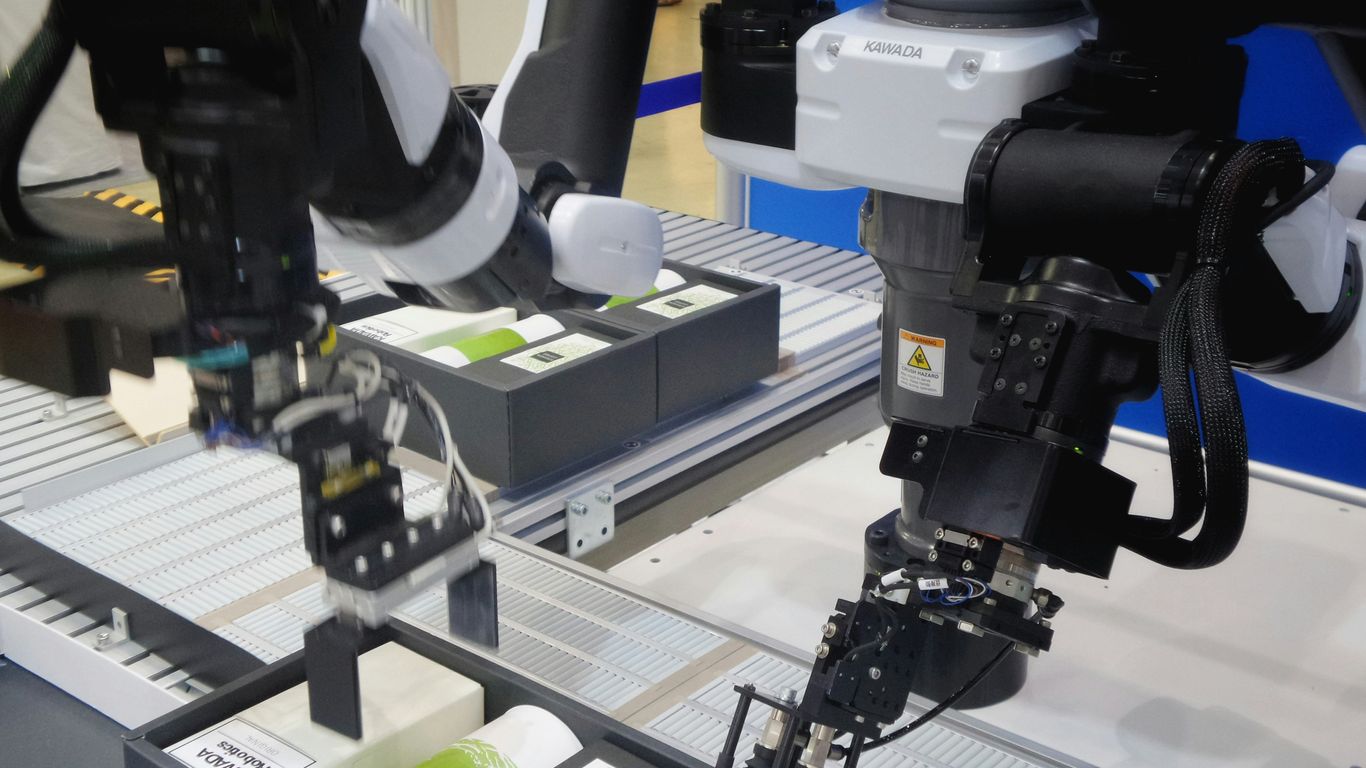
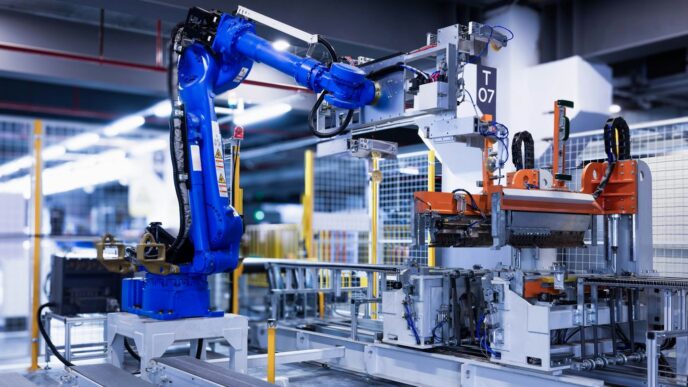
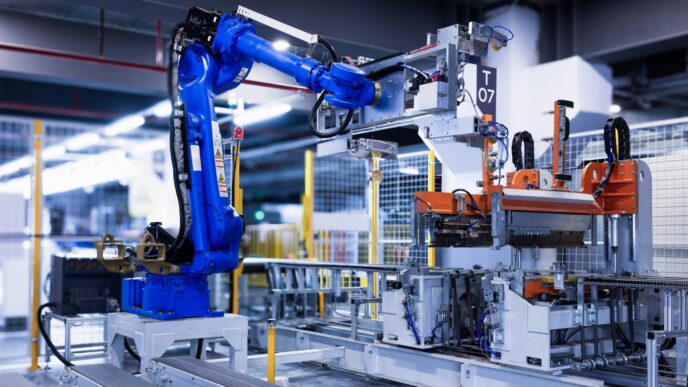
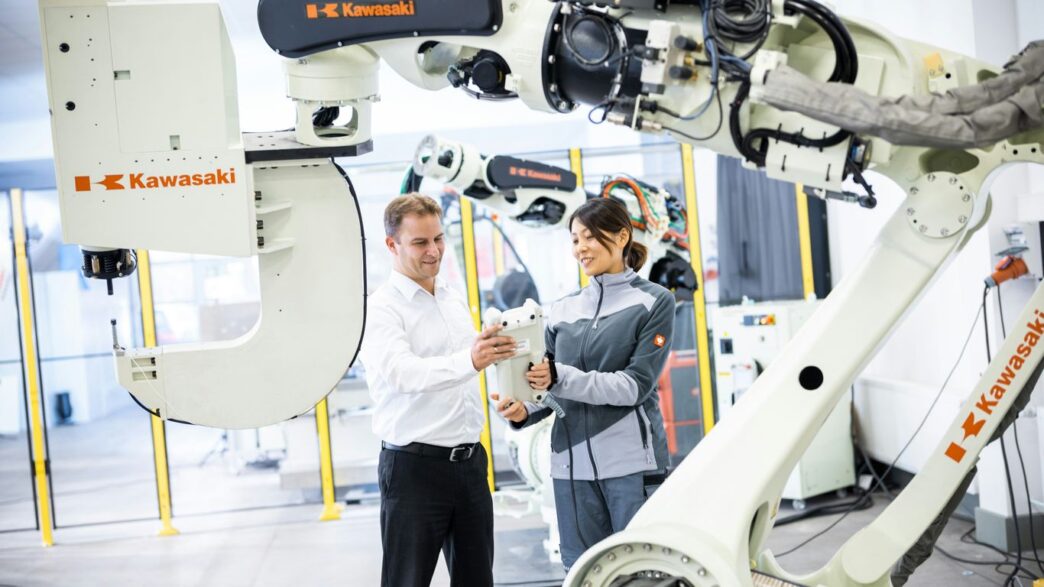
So, what exactly does a robotics technician do? It’s a bit different from what you might imagine if you’re thinking about the folks who design the robots from scratch. Think of a robotics technician as the hands-on expert who keeps these complex machines running smoothly. They’re the ones you call when a robot is acting up, or when it’s time for its regular check-up.
Defining The Robotics Technician Position
At its core, a robotics technician is responsible for the installation, maintenance, and repair of robotic systems. This isn’t about dreaming up new robot designs; it’s about making sure the robots we have today are working as they should. They deal with the nuts and bolts, the wires, the sensors, and the software that makes a robot move and perform its tasks. Their main goal is to minimize downtime and ensure the robotic systems operate safely and efficiently. They are the troubleshooters, the fixers, and the preventative maintenance pros of the automation world.
Key Responsibilities In Robot Maintenance
Keeping robots in top shape involves a variety of tasks. It’s not just about fixing things when they break, though that’s a big part of it. Here’s a look at some of the day-to-day duties:
- Routine Inspections: Performing regular checks on robotic arms, grippers, sensors, and control systems to catch potential issues before they become major problems.
- Troubleshooting and Repair: Diagnosing malfunctions using diagnostic tools and technical manuals, then making the necessary repairs, which could involve replacing parts, recalibrating sensors, or fixing wiring issues.
- Preventative Maintenance: Following schedules for lubrication, cleaning, and part replacement to extend the life of the robot and prevent unexpected breakdowns.
- System Calibration: Ensuring robots are accurately calibrated for precise movements and tasks, especially after repairs or part replacements.
- Documentation: Keeping detailed records of maintenance activities, repairs, and any modifications made to the robotic systems.
Distinguishing From Robotics Engineers
It’s easy to get robotics technicians and robotics engineers mixed up, but their roles are quite different. Engineers are typically involved in the design, development, and conceptualization of robots. They might write the code that tells a robot what to do, design its mechanical structure, or develop new robotic technologies. Technicians, on the other hand, work with the existing robots. They’re the ones on the factory floor or in the lab making sure those engineered systems are operational. While an engineer might design a new type of sensor, a technician would install and maintain that sensor on a robot. Think of it like this: engineers build the car, and technicians keep it running on the road.
| Role | Primary Focus | Typical Tasks |
|---|---|---|
| Robotics Engineer | Design, development, research, programming | Creating new robot designs, writing complex software, testing prototypes |
| Robotics Technician | Installation, maintenance, repair, operation | Installing robots, diagnosing faults, performing routine upkeep, fixing parts |
Essential Skills For A Robotics Technician
So, you want to be a robotics technician in 2026? That’s awesome! It’s a field that’s really taking off. But what do you actually need to know to get the job done? It’s not just about knowing how to push buttons; you’ve got to have a solid mix of practical know-how.
Mastering The Robotics Trinity: Hardware, Software, And AI
Think of robotics like a three-legged stool: hardware, software, and artificial intelligence. If one leg is wobbly, the whole thing can fall over. You need to be comfortable with all three.
- Hardware: This is the physical stuff – the robot’s body, its motors, sensors, wires, and all the bits and pieces that make it move and sense the world. You’ll be doing a lot of hands-on work, so understanding how these components fit together and how they fail is key. It’s like knowing your way around a car engine, but for robots.
- Software: Robots don’t do anything without instructions. That means understanding the code that tells them what to do. You won’t necessarily be writing complex new programs from scratch, but you’ll need to be able to read, understand, and sometimes tweak existing code. Think of it as being able to follow a recipe and make minor adjustments if needed.
- AI (Artificial Intelligence): This is where things get really interesting. AI is what allows robots to learn, make decisions, and adapt. As a technician, you’ll be working with robots that have AI built-in. You need to grasp the basics of how AI helps a robot perceive its surroundings, plan its actions, and interact with its environment. It’s not about being an AI researcher, but about understanding how the AI affects the robot’s behavior and how to troubleshoot when it doesn’t act as expected.
Proficiency In Robot Operating System 2 (ROS 2)
If you’re going to be working with modern robots, chances are you’ll run into ROS 2. It’s like the standard operating system for a lot of robotic projects. Knowing your way around ROS 2 is becoming a big deal. It helps different parts of the robot communicate with each other and makes it easier to develop and deploy robotic applications. You’ll want to get familiar with its tools and how it manages data flow. It’s a bit like learning to use Windows or macOS, but specifically for robots.
Understanding Mechatronics And Automation Systems
Mechatronics is basically the combination of mechanical engineering, electrical engineering, computer science, and control engineering. It’s the science behind how smart machines work. Automation systems are the bigger picture – how robots and other machines work together to perform tasks automatically.
- Mechanical Aspects: Understanding gears, motors, actuators, and how they translate electrical signals into physical movement.
- Electrical Aspects: Knowing about circuits, sensors, power supplies, and how to safely handle electrical components.
- Control Systems: Grasping how feedback loops work to keep a robot performing a task accurately, like a thermostat controlling room temperature.
- Integration: Seeing how all these different parts come together in a larger automation system, like a factory assembly line. You’ll be the one making sure these complex systems run smoothly and fixing them when they don’t.
Educational Pathways To Becoming A Robotics Technician
So, you want to get into robotics, huh? It’s a pretty cool field, and becoming a technician is a solid way to get your hands dirty with the actual machines. You don’t always need a four-year degree for this, which is good news for a lot of people. There are a few main routes you can take, and they all involve learning some pretty specific stuff.
Trade School Certifications And Associate Degrees
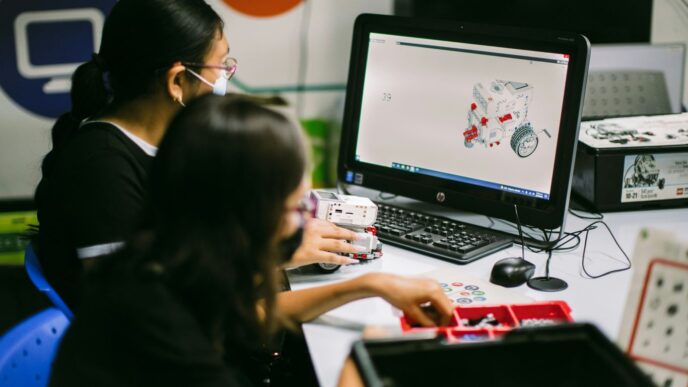
This is probably the most direct path for many aspiring robotics techs. Trade schools and community colleges offer programs specifically designed to get you job-ready. These programs usually run for one to two years. They’re great because they focus on the practical skills you’ll need day-to-day. You’ll likely spend time in classrooms learning the theory behind how robots work, but a big chunk of it is hands-on lab work. Think of it as learning by doing – you’ll be assembling, testing, and troubleshooting actual robots.
Many of these programs also prep you for industry certifications. Getting certified can really make your resume stand out. For example, FANUC, a big name in industrial robots, offers certifications like:
- Certified Robot Operator: Covers basic robot programming and how to run them.
- Certified Applied Robot Operator: Focuses on actually operating the robot.
- Certified Robot Technician: Includes basic programming and understanding the robot’s vision system.
- Certified Applied Robot Technician: This one is all about hands-on maintenance and repair.
An associate degree in a related field, like mechatronics or industrial automation, can also set you up nicely. It gives you a broader base of knowledge, which can be helpful as robots get more complex.
The Role Of Continuous Learning And Upskilling
Robotics isn’t a field where you can just learn something once and be done. Technology moves fast, and robots are getting smarter and more capable all the time. Staying current is not optional; it’s part of the job. This means you’ll need to commit to ongoing learning throughout your career. Think of it like this: today’s cutting-edge robot might be standard equipment in five years, and you’ll need to know how to fix and maintain it.
Upskilling means picking up new skills or improving the ones you already have. This could involve learning a new programming language that’s becoming popular for robot control, getting familiar with a different brand of industrial robot, or understanding new types of sensors. Employers often look for technicians who are adaptable and willing to learn. It shows you’re serious about your career and can keep up with the industry’s pace.
Leveraging Online Courses And Specializations
Beyond formal schooling, the internet is a goldmine for learning about robotics. Platforms like Coursera, edX, and even YouTube offer a ton of courses, many of which are free or low-cost. You can find specialized courses on topics like:
- Specific Robot Programming Languages: Like Python or C++ for robotics.
- ROS (Robot Operating System): This is a big one in the robotics world, and there are many courses dedicated to it.
- Mechatronics Principles: If you want to brush up on the blend of mechanical and electrical systems.
- AI Fundamentals for Robotics: Understanding how artificial intelligence is used in robots.
These online resources are fantastic for filling in knowledge gaps or exploring a new area of robotics without committing to a full degree program. You can learn at your own pace, fitting it around your work or other commitments. It’s a flexible way to gain specific skills that might be mentioned in a job description, making you a more attractive candidate. Plus, completing online courses can sometimes earn you certificates that you can add to your resume, showing potential employers you’re actively working on your development.
Navigating The Robotics Job Market
Alright, so you’ve got the skills, you’ve done the schooling, and now it’s time to actually land a job as a robotics technician. This part can feel a bit like trying to solve a Rubik’s cube blindfolded, but don’t worry, we’ll break it down. The job market for robotics folks is pretty wild right now, with companies scrambling to find people who actually know how to keep these complex machines humming.
Identifying In-Demand Robotics Skills
First off, what are companies actually looking for? It’s not just about knowing how to turn a wrench anymore. They need people who get the whole picture. Think about it:
- The "Robotics Trinity": This is the big one. Employers want folks who are comfortable with hardware (the physical robot parts), software (the code that makes it run), and increasingly, AI (the smarts that let it learn and adapt). If you can talk the talk and walk the walk in all three, you’re golden.
- ROS 2 Proficiency: The Robot Operating System 2 is basically the industry standard for getting different robot parts to talk to each other. If you can show you know your way around ROS 2, that’s a huge plus.
- Mechatronics and Automation: This is the blend of mechanical, electrical, and computer engineering. Understanding how these systems work together is key for troubleshooting and maintenance.
- Simulation Skills: Many companies are using "digital twins" – virtual copies of their robots – to test and fix problems before they happen in the real world. Knowing how to work with these simulation environments is becoming super important.
The average specialized robotics role can stay open for over 100 days, so having the right skills makes you stand out.
Crafting a Targeted Job Search Strategy
So, you know what skills are hot. Now, how do you actually find the jobs? Forget just blasting your resume everywhere. You need a plan.
- Look Beyond the Big Job Boards: The really specialized roles often aren’t advertised on the usual sites. Check out:
- Company career pages for robotics manufacturers and integrators.
- Industry-specific job boards (like those for automation or manufacturing).
- Professional networking sites where companies might post niche openings.
- Network, Network, Network: Seriously, talk to people. Go to industry events if you can, join online forums related to robotics or ROS 2, and connect with people on LinkedIn. You never know who knows someone who’s hiring.
- Tailor Your Resume and Cover Letter: Don’t send the same generic application to every job. Read the job description carefully and highlight the skills and experiences you have that match what they’re looking for. Use keywords from the job posting.
Understanding Industry Standards and Certifications
While not always mandatory, having certain certifications can really make your application shine. Think of them as proof that you know your stuff.
- Safety Standards: Familiarity with standards like ISO 10218 (for industrial robots) and ISO/TS 15066 (for collaborative robots) shows you understand safe operation, which is non-negotiable.
- Specific Vendor Certifications: If you’re working with robots from a particular manufacturer (like FANUC, KUKA, or ABB), getting certified by them can be a big deal.
- ROS Certifications: As ROS 2 becomes more common, dedicated ROS certifications are starting to pop up. Keep an eye out for these.
Getting these certifications shows employers you’re serious about the field and have a baseline level of competence they can trust. It’s a way to prove your skills beyond just what’s on your resume.
The Future Of Robotics Technicians
So, what’s next for folks who keep robots running? It’s a pretty exciting time, honestly. The machines are getting smarter, faster, and showing up in more places than ever before. Think about it – robots aren’t just on big factory floors anymore. They’re helping out in warehouses, assisting in hospitals, and even doing tasks that used to be too dangerous for people.
Adapting To Evolving Automation Technologies
This means the job of a robotics technician is changing too. We’re seeing more complex systems, like robots that can learn and adapt on the fly. This isn’t like the old days where a robot just did the same thing over and over. Now, they’re expected to handle unexpected situations. Staying current with new tech is the name of the game.
Here’s a look at what’s changing:
- More AI Integration: Robots are getting smarter thanks to artificial intelligence. This means technicians need to understand how AI works, at least enough to troubleshoot when things go sideways.
- Advanced Sensors: Newer robots have way more sophisticated sensors. Knowing how to calibrate, maintain, and interpret data from these sensors is becoming a big deal.
- Digital Twins: We’re using virtual copies of robots, called digital twins, to test and train them before they even hit the real world. Technicians might get involved in setting up and using these virtual environments.
The Impact Of AI On Robotics Maintenance
Artificial intelligence isn’t really replacing robotics technicians; it’s more like giving them superpowers. AI can help predict when a robot might break down, saving a lot of headaches and downtime. Instead of waiting for something to fail, technicians can use AI insights to perform maintenance proactively.
Think of it like this:
- Predictive Maintenance: AI analyzes performance data to flag potential issues before they cause a breakdown. Technicians then focus on fixing those specific parts.
- Automated Diagnostics: AI can help pinpoint the exact problem, speeding up the troubleshooting process. This means less time scratching your head and more time fixing.
- Enhanced Troubleshooting: AI tools can guide technicians through complex repair procedures, especially for newer, more complicated robots.
Career Growth Opportunities In The Field
Because the field is growing so fast, there are tons of opportunities for robotics technicians to move up. You might start out doing hands-on repairs, but with a bit of extra learning, you could move into roles like:
- Robotics System Integrator: Helping to set up and connect new robotic systems.
- Automation Specialist: Focusing on improving and optimizing automated processes.
- Technical Trainer: Teaching others how to work with and maintain robots.
- Field Service Engineer: Traveling to different sites to service and repair robots.
It’s a field that rewards people who are curious, good at problem-solving, and willing to keep learning. The robots aren’t going anywhere, and neither are the people needed to keep them humming along.
Wrapping Up Your Robotics Journey
So, getting into robotics in 2026 is definitely a thing. It’s not just about building cool machines anymore; it’s about making them smart and useful across so many different jobs. We’ve talked about the skills you’ll need, like knowing your way around ROS 2 and understanding how to test things in a virtual world before you break them in real life. It’s a field that’s growing fast, and honestly, it’s pretty exciting. Keep learning, stay curious, and you’ll find your place in this ever-changing world of robots.