The Evolution of Industrial Automation Technology
It’s pretty wild to think about how much manufacturing has changed over the years. We’ve gone from people doing everything by hand to machines that can practically run themselves. This whole journey of automation didn’t just happen overnight; it’s been a slow build, with each step making things faster and more efficient.
Early Mechanization and Assembly Lines
Back in the day, during the first Industrial Revolution, things started getting mechanized. Think steam engines and those early automated looms. These were big deals because they showed how machines could take over jobs that people used to do. But the real game-changer for mass production came later, in the early 1900s, with the assembly line. Henry Ford really kicked this off in the car industry. By breaking down the process of building a car into smaller, repeatable tasks, they could make way more cars, way faster, and at a lower cost. It was a pretty simple idea, but it totally changed how things were made.
The Dawn of Computerized Control
Things really started getting interesting in the 1950s with something called numerical control, or NC, machines. These were early computers that used punched tape to tell machines exactly where to move and what to do. It was a huge step up from just mechanical controls. This laid the groundwork for all the computer-controlled stuff we see today. It meant that manufacturing could become more precise and repeatable than ever before.
Programmable Logic Controllers and Flexibility
Then, in the late 1960s, came the programmable logic controller, or PLC. This was another massive leap. PLCs allowed factory equipment to be controlled and, importantly, reprogrammed much more easily. Instead of having to rewire complex systems for a new task, you could just change the program. This brought a whole new level of flexibility to factories, letting them switch between different products or processes without a massive overhaul. This ability to adapt quickly is something that’s still super important in manufacturing today.
Key Trends Driving Modern Industrial Automation
So, what’s really making waves in industrial automation right now? It’s not just one thing, but a few big shifts that are changing how factories operate. Think smarter machines, better connections, and robots that actually work with people.
The Rise of Robotics and Collaborative Robots
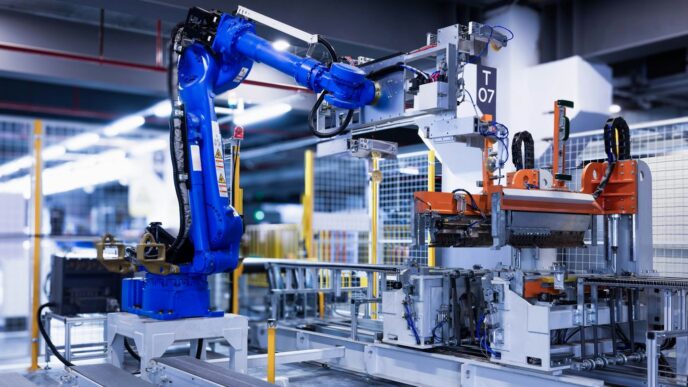
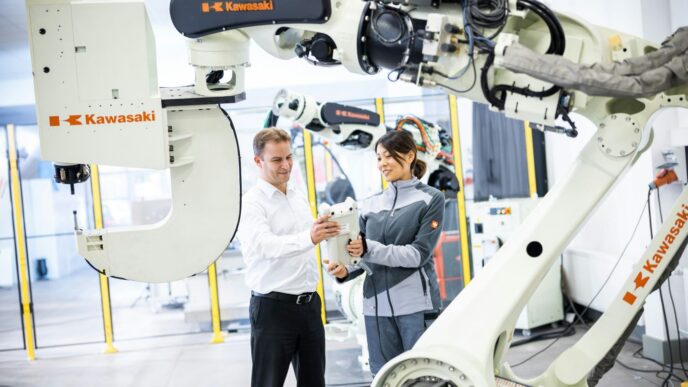
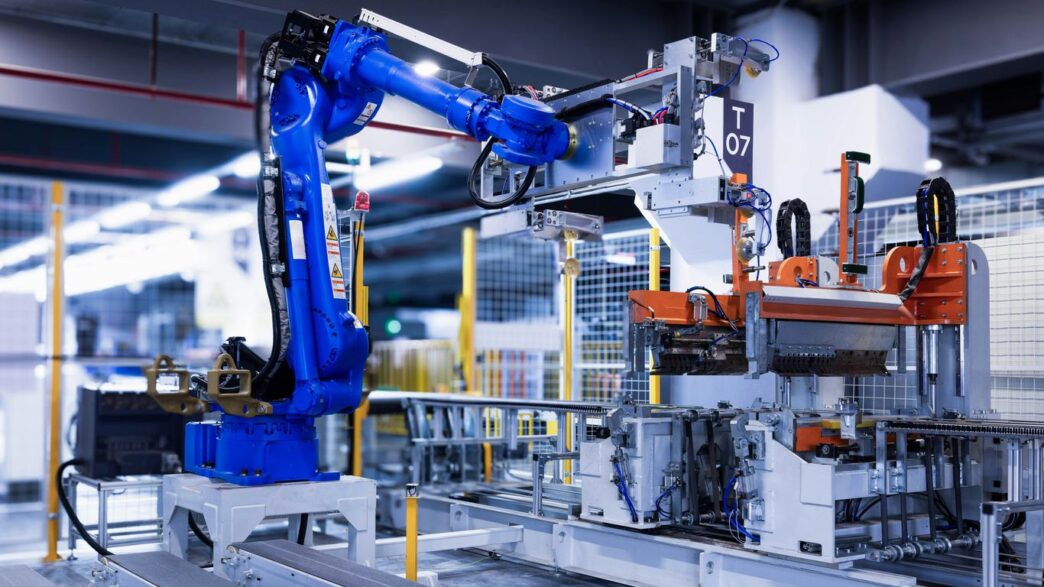
Robots have been around in factories for ages, doing the heavy lifting or repetitive jobs. But the new hotness is "cobots," or collaborative robots. These aren’t just hulking metal arms anymore. Cobots are designed to safely share space and tasks with human workers. They’re easier to program and can be moved around for different jobs, which is super handy. This means companies can get more done without needing a whole new setup for every little change.
- Increased Flexibility: Cobots can be quickly retrained for new tasks.
- Improved Safety: Designed to work alongside humans, reducing risks.
- Boosted Productivity: They handle repetitive or strenuous tasks, freeing up people for more complex work.
Artificial Intelligence and Machine Learning Integration
AI and machine learning are making machines way smarter. Instead of just following pre-programmed instructions, these systems can learn from data. This means they can figure out the best way to run a production line, predict when a machine is about to break down (saving a ton of hassle), and even spot tiny defects in products that a human might miss. It’s like giving the factory a brain.
Internet of Things and IIoT Connectivity
This is all about connecting everything. The Internet of Things (IoT), and its industrial version (IIoT), links machines, sensors, and systems together. This allows for real-time monitoring of what’s happening on the factory floor. You can see exactly how a machine is performing, track materials, and control processes from anywhere. This constant stream of data is what allows AI and machine learning to work so effectively. It’s the nervous system of the modern automated factory, making everything more efficient and reliable.
Advanced Technologies Shaping the Future
We’re seeing some really cool tech pop up that’s changing how factories work. It’s not just about faster machines anymore; it’s about smarter ones that can think and adapt.
Predictive Analytics for Proactive Maintenance
Think about your car. Wouldn’t it be great if it could tell you it needs an oil change before the warning light comes on? That’s kind of what predictive analytics does for factories. By looking at data from machines – like how much they’re vibrating, how hot they’re running, or how long they’ve been on – we can guess when something might break. This means we can fix it before it causes a big problem and stops the whole line. It saves a lot of headaches and money.
Here’s a quick look at how it works:
- Data Collection: Sensors on machines gather information constantly.
- Analysis: Software looks for patterns that usually happen before a breakdown.
- Alerts: When a pattern is spotted, the system warns the maintenance team.
- Action: Repairs are scheduled during planned downtime, not emergency stops.
Autonomous Systems and Real-Time Decision Making
These are the systems that can pretty much run themselves. They use sensors and smart software to understand what’s going on around them and make decisions on the fly. Imagine a robot arm that can adjust its grip based on the exact shape of the part it’s picking up, or a self-driving forklift that reroutes itself if it sees an obstacle. This ability to react instantly is a game-changer for efficiency and safety. It means fewer mistakes and faster operations, especially in complex environments.
Digital Twins for Process Simulation
This one sounds a bit sci-fi, but it’s super practical. A digital twin is basically a virtual copy of a real machine, a production line, or even an entire factory. We can then use this virtual model to test things out. Want to try a new way to arrange machines? Simulate it on the digital twin first. Worried about how a change might affect quality? Test it virtually. It’s like having a sandbox for your factory, letting you experiment without any real-world risk or cost. This helps us figure out the best way to do things before we even touch the actual equipment.
Navigating the Challenges of Automation Implementation
So, you’re thinking about bringing more automation into your factory? That’s great! It can really change how things get done for the better. But, let’s be real, it’s not always a walk in the park. There are definitely some bumps in the road you’ll want to be ready for.
Technical Integration and Legacy Systems
One of the first big hurdles is getting new tech to play nice with your old stuff. Most factories have machines that have been around for ages, and they weren’t built to talk to the fancy new digital systems. Trying to connect them can feel like trying to plug a USB-C into a floppy disk drive – it just doesn’t work without some help.
- Retrofitting older machines: This means updating your existing equipment with new parts or software so it can communicate with newer systems. It’s often cheaper than buying all new gear.
- Modular design: Building new automated systems in smaller, independent modules makes them easier to integrate and upgrade later.
- Phased implementation: Instead of trying to automate everything at once, tackle one area or process at a time. This lets you learn and adjust as you go.
The goal here is to make sure your new automation doesn’t get bogged down by outdated technology.
Investing in Workforce Development and Reskilling
When you automate, jobs change. Some tasks might disappear, but new ones pop up, like maintaining robots or analyzing data from automated processes. You can’t just expect your team to know how to do these new things overnight.
- Training programs: Set up internal training or partner with external providers to teach your employees new skills. Think about robotics, data analysis, and system maintenance.
- Apprenticeships: These are great for bringing in new talent and training them specifically for the roles you need in an automated environment.
- Cross-training: Encourage employees to learn skills outside their current job. This makes them more adaptable and valuable to the company.
It’s about helping your current team grow with the company, not replacing them. People are still the most important part of any operation.
Strengthening Cybersecurity in Automated Environments
With all these connected machines and systems, your factory becomes a bigger target for cyberattacks. If someone hacks into your automated production line, they could shut everything down, steal sensitive data, or even cause physical damage.
- Network segmentation: Keep your critical automation systems separate from your general office network. This limits the damage if one part gets compromised.
- Regular security audits: Have experts check your systems for weaknesses regularly.
- Employee training: Make sure your staff knows the basics of cybersecurity, like how to spot phishing emails and use strong passwords.
Protecting your automated systems isn’t just an IT problem; it’s a business continuity issue. You need to have solid defenses in place to keep things running smoothly and safely.
Ethical and Regulatory Considerations in Automation
As we bring more smart machines into factories, we’ve got to think about the rules and what’s right. It’s not just about making things faster or cheaper anymore. We need to make sure these systems are safe, fair, and don’t cause unintended problems.
Adhering to European Union Standards
The EU has been pretty proactive in setting guidelines for automation. They’re focused on making sure that as factories get more automated, people stay safe and their personal data is protected. This means companies working with or selling into Europe need to pay close attention to things like the Machinery Directive and GDPR. It’s about building trust and making sure technology serves people, not the other way around.
- Machine Safety: Equipment must be designed to prevent accidents, even when working alongside humans.
- Data Privacy: Any data collected by automated systems needs to be handled according to strict privacy rules.
- Risk Assessment: Companies must actively identify and reduce potential risks associated with automation.
Addressing Job Displacement and Societal Impact
This is a big one, and honestly, it’s a bit scary for a lot of people. When machines can do jobs that humans used to do, what happens to those workers? It’s a real concern. The goal isn’t to replace people, but to change how they work. This means we need programs to help workers learn new skills. Think of it like this:
- Identify Skills Gaps: Figure out what new skills are needed for automated environments.
- Provide Training: Offer courses and hands-on practice for these new skills.
- Support Transition: Help workers move into new roles, maybe even ones created by automation.
Companies that invest in their people will likely see better results.
Ensuring Ethical AI Deployment
Artificial intelligence is getting really smart, and that’s exciting, but it also brings up ethical questions. How do we make sure AI systems are fair and don’t have hidden biases? For example, if an AI is used to decide who gets a job interview, we need to be sure it’s not unfairly favoring or rejecting certain groups of people based on things it shouldn’t consider.
- Transparency: Understand how AI makes decisions.
- Fairness: Test AI for biases and correct them.
- Accountability: Know who is responsible if an AI makes a mistake.
The Future Outlook for Industrial Automation
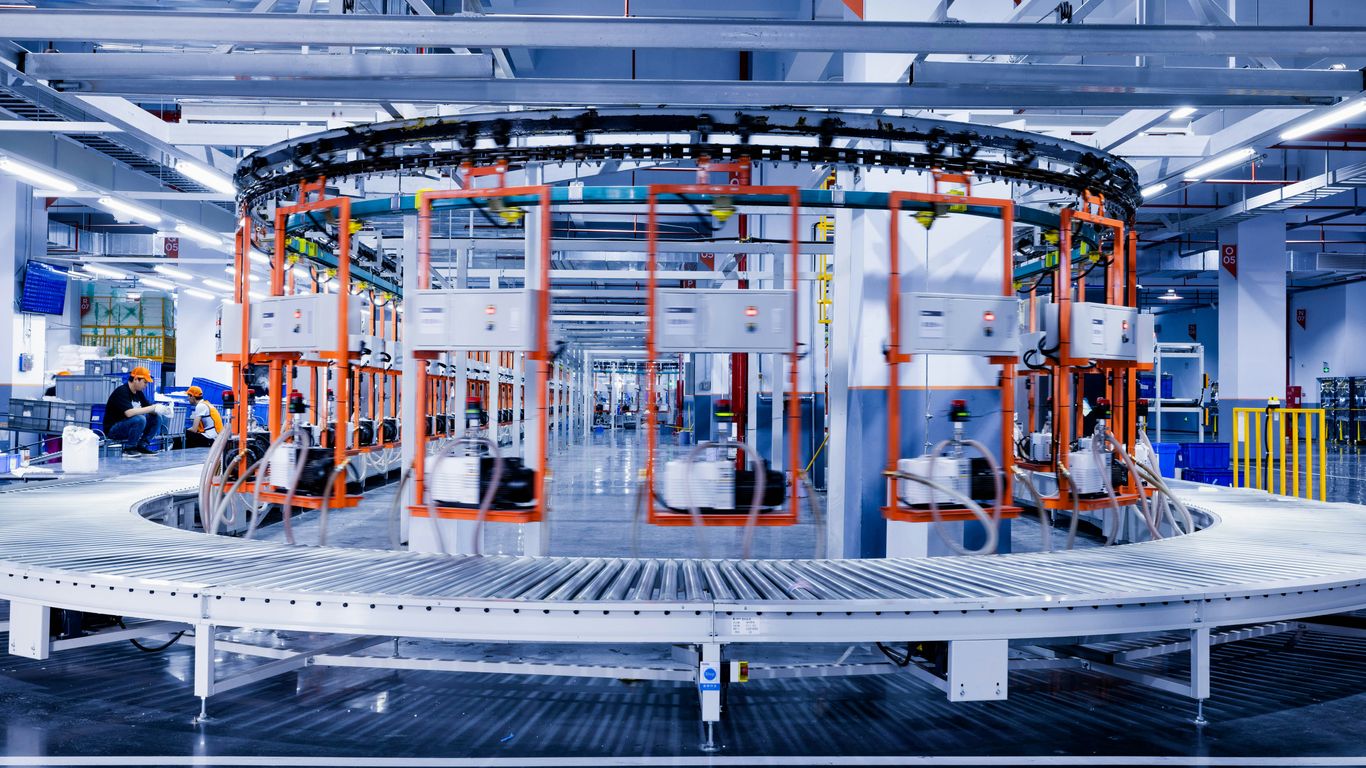
So, what’s next for factories and how things are made? It’s pretty exciting, honestly. We’re looking at a future where machines and people work together even more closely, making everything run smoother and smarter.
Human-Machine Collaboration Advancements
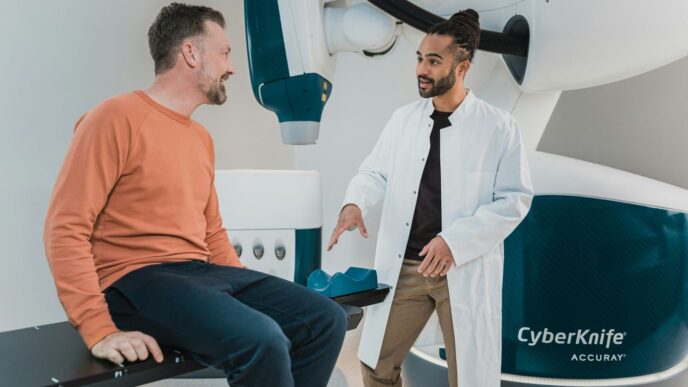
Think of robots not just as tools, but as partners. The next wave of automation is all about making robots and humans work side-by-side safely and effectively. These aren’t the clunky, dangerous robots of the past. We’re talking about collaborative robots, or ‘cobots,’ that can sense human presence and adjust their movements. This means humans can focus on the complex, creative parts of a job, while robots handle the repetitive, heavy, or precise tasks. It’s about augmenting human capabilities, not replacing them entirely. This partnership can lead to better quality control and faster production cycles.
Edge Computing for Enhanced Responsiveness
Right now, a lot of data from factory machines gets sent to the cloud for processing. That can take time. Edge computing changes that. It means processing data right there, on the factory floor, or even on the machine itself. Why does this matter? Because it makes systems react much faster. Imagine a machine detecting a problem and fixing it instantly, without waiting for a signal from a distant server. This speed is a game-changer for real-time adjustments, quality checks, and overall system efficiency. It also helps reduce the load on networks.
Sustainable Manufacturing Through Automation
Sustainability is no longer just a buzzword; it’s becoming a core part of how factories operate. Automation plays a big role here. Smarter systems can use energy and materials much more efficiently, cutting down on waste. Think about robots that can sort materials for recycling with incredible accuracy, or AI that optimizes energy use across the entire plant. As environmental rules get tighter and customers want greener products, automation will be key to achieving these goals. It’s about making manufacturing cleaner and more responsible, without sacrificing productivity.
Here’s a quick look at how automation helps sustainability:
- Resource Efficiency: Automated systems can precisely control material usage, reducing waste and scrap.
- Energy Management: AI can optimize power consumption for machinery and entire facilities.
- Waste Reduction: Robotics can improve sorting and recycling processes for industrial byproducts.
- Optimized Logistics: Automated systems can streamline supply chains, reducing transportation emissions.
The Road Ahead
So, we’ve looked at a lot of cool stuff happening in industrial automation. From robots working right alongside us to smart systems that can learn and fix themselves, it’s pretty wild. It’s not just about making things faster or cheaper, though that’s part of it. It’s also about making manufacturing smarter, safer, and maybe even a bit kinder to the planet. The companies that are really leaning into these new technologies are the ones that seem to be getting ahead. It’s a big shift, for sure, and there are definitely things to figure out, like making sure everyone has the right skills and keeping our systems secure. But honestly, the future of making things looks pretty exciting, and it’s happening right now.