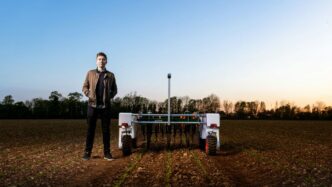
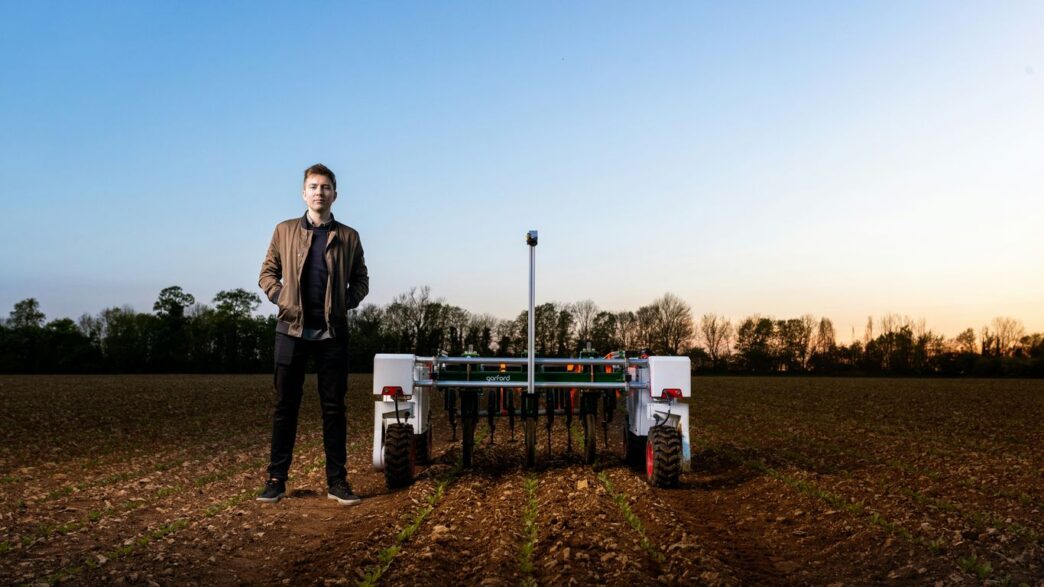
Farming is changing, and fast. If you’re involved in agriculture, you’ve probably noticed how much technology is popping up everywhere. It’s not just about bigger tractors anymore. We’re talking about smart systems, robots, and a lot of data helping farmers make better choices. This article looks at the agriculture tech that’s making a difference right now and what we can expect to see shaping farms in 2026 and beyond. It’s all about making farming more efficient, sustainable, and able to handle whatever comes its way.
Key Takeaways
- Smart farming tools are becoming standard, with farmers adopting technology that clearly shows benefits like better yields or lower costs.
- Artificial intelligence, including generative AI, is acting like a smart assistant, helping farmers understand data and make field-level decisions.
- Automation and robotics are becoming more available, even for smaller farms, helping with tasks while humans focus on strategy.
- Using digital tools to track resources and environmental impact is key for proving sustainable practices and managing risks.
- Connected systems and shared data are making supply chains more transparent and reliable, helping to get food from the farm to your table more smoothly.
The Rise Of Intelligent Agriculture Tech
It feels like just yesterday we were talking about how cool it was that tractors could have GPS. Now, farming is getting seriously smart, and honestly, it’s changing everything. We’re not just talking about fancy gadgets anymore; this is about making farms run better, smarter, and with less guesswork. It’s like the farm itself is getting a brain, and it’s helping farmers make better choices every single day.
Accelerated Adoption Of Smart Technology
Farms are really starting to embrace smart tech, but it’s not happening everywhere at once. The places where you can clearly see the benefit, like saving money or making reporting easier, are adopting it the fastest. Think about tools that help you use exactly the right amount of fertilizer or track your sustainability efforts – those are the ones flying off the shelves. It’s less about having the newest thing and more about having the thing that actually makes your job easier and your wallet fatter. When technology fits right into how you already work, that’s when farmers really start to pay attention.
AI And Generative AI As Field Partners
Artificial intelligence isn’t new to farming, but it’s gotten a whole lot more useful. Now, AI can act like a helpful assistant, looking at all sorts of data – weather, soil, crop health – and giving you advice that actually makes sense for your fields. Generative AI is making this even better, turning complex information into simple, actionable steps. It can help you figure out the best time to water, when to spray, or even just keep track of all the rules and regulations. It’s like having a super-smart advisor who’s always on call, helping you make the best decisions without taking over. The goal here isn’t to replace farmers, but to give them better tools to do their jobs.
Connectivity And Interoperability Advancements
One of the biggest headaches for smart farming has always been getting everything to talk to each other and having a reliable internet connection out in the field. Thankfully, that’s changing. We’re seeing more partnerships and better rural internet options popping up. This means different pieces of technology, from your planter to your weather station, can actually share information. It’s moving away from needing one company’s whole system and towards more open setups where you can mix and match what works best for you. This makes it easier to get a complete picture of what’s happening on your farm.
Automation And Robotics In Modern Farming
Farming’s always been tough work, right? And for a while there, it felt like we were stuck with the same old tools. But things are changing, fast. Automation and robotics are stepping out of the sci-fi movies and into the fields, making a real difference. It’s not just about big, fancy operations anymore; these technologies are becoming more practical for everyone.
Accessible Automation For Mid-Sized Farms
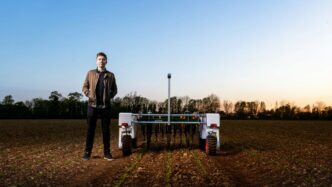
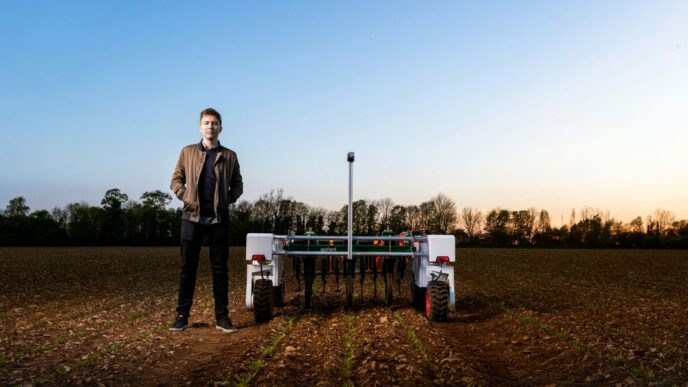
One of the biggest hurdles for smaller and mid-sized farms has always been the cost of automation. Buying a whole fleet of robots? Not really in the budget for most. But that’s shifting. We’re seeing more modular, task-specific tools pop up. Think of a specialized robot arm that can handle just the weeding, or a drone that’s built solely for precise spraying. These aren’t massive, all-in-one machines, but smaller, more affordable units that can be adopted without breaking the bank. This means more farms can start automating repetitive jobs, freeing up human workers for more complex tasks.
Human-In-The-Loop Automation Strategies
Now, this doesn’t mean farmers are going to be replaced by robots overnight. Far from it. The trend is more towards "human-in-the-loop" systems. Basically, robots and automated equipment handle the grunt work – the long hours of planting, the tedious monitoring, the precise application of treatments. But humans are still in charge of the big picture. They’re the ones making the strategic decisions, guiding the technology, and stepping in when something unexpected pops up. It’s a partnership, really. The tech does the heavy lifting, and the farmer provides the brains and the adaptability.
Robots And Drones For Precision Tasks
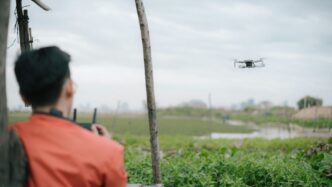
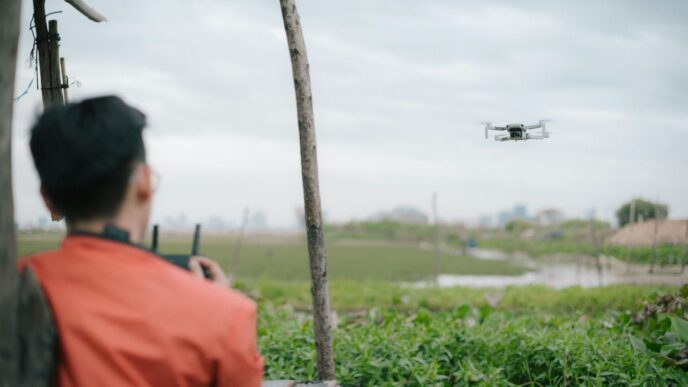
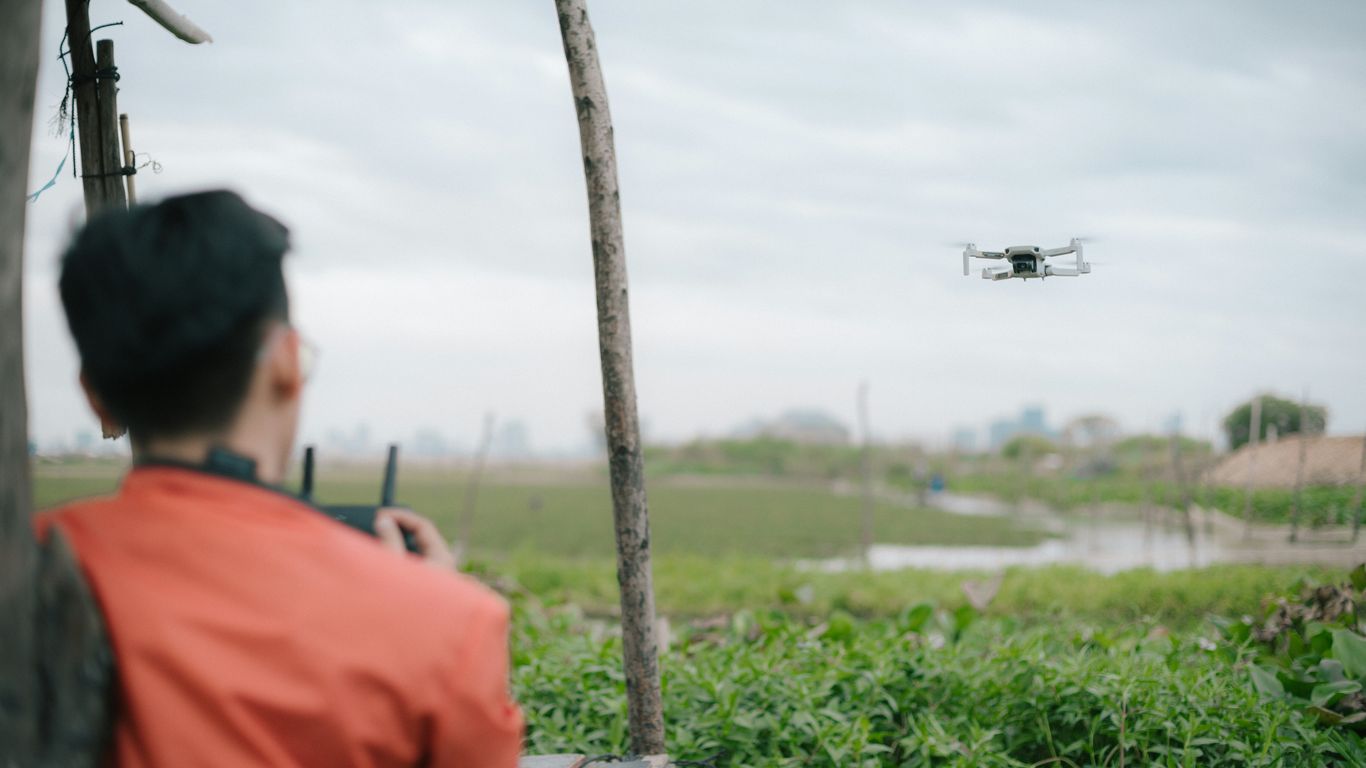
When we talk about precision, that’s where robots and drones really shine. They can get into tight spots, work at odd hours, and perform tasks with a level of accuracy that’s hard for humans to match consistently. Drones, for instance, can fly over fields and use sensors to detect early signs of disease or nutrient deficiencies in specific plants. Then, a ground robot can be dispatched to apply a targeted treatment, using just the exact amount needed, right where it’s needed. This isn’t just about efficiency; it’s about reducing waste and making farming more sustainable. We’re seeing these tools used for everything from planting seeds at the perfect depth to identifying and removing weeds one by one. The ability to perform these highly specific tasks with minimal human intervention is a game-changer for crop health and resource management.
Data-Driven Decision Making In Agriculture
Farming in 2026 is less about gut feelings and more about what the numbers tell you. We’re seeing a big shift from just collecting data to actually using it to make smarter choices, way before problems pop up. Think of it like having a super-informed advisor for your fields.
Predictive Analytics For Proactive Planning
This is where things get really interesting. Instead of reacting to a pest outbreak or a nutrient deficiency, farmers can now get a heads-up. Advanced analytics look at everything – soil moisture, weather forecasts, historical crop performance, even pest patterns from nearby farms – to predict potential issues. This allows for interventions before they become major problems, saving time, money, and resources. It’s about getting ahead of the curve, not just catching up.
Unified Data Systems For Holistic Management
One of the biggest headaches on the farm has always been having data scattered everywhere. You’ve got your planting records in one place, your soil test results in another, and your equipment maintenance logs somewhere else entirely. Unified systems are changing that. They bring all this information together into one dashboard. This means you can see the whole picture: how your input costs relate to yield, how different management practices affect soil health, and how your equipment usage impacts your bottom line. It simplifies things immensely, making it easier to manage labor, equipment, and supplies effectively.
Retailers Evolving Into Trusted Data Advisors
Your local ag retailer isn’t just selling you seeds and fertilizer anymore. Many are stepping up to become data partners. They’re combining their knowledge of agronomy and local conditions with the data you’re collecting. This means they can offer more than just product recommendations; they can provide actionable insights based on your specific farm data, helping you with everything from planning to compliance. It’s a natural evolution, building on the trust they already have with farmers.
Sustainability And Resource Management Through Agriculture Tech
Farming in 2026 is really starting to lean into tech for doing more with less. It’s not just about growing more food anymore; it’s about growing it smarter and with a lighter footprint on the planet. This shift is driven by both environmental concerns and the need for long-term economic viability. Farmers are finding that the same tools helping them boost yields can also help them cut down on waste and prove they’re being good stewards of the land.
Proving Sustainability Practices With Digital Tools
Remember when proving you were farming sustainably was mostly about word-of-mouth or maybe a few paper records? That’s changing fast. Digital tools, including some that use blockchain, are making it way easier to create solid proof of what you’re doing. Think of it like this:
- Tracking Inputs: Detailed records of water usage, fertilizer application rates, and pesticide use become automatically logged.
- Monitoring Outputs: Data on soil health improvements, reduced emissions, and biodiversity efforts can be collected and verified.
- Reporting: These digital trails simplify audits and make it straightforward to share your sustainability efforts with buyers, regulators, or even just curious consumers.
This transparency builds trust, which is becoming a big deal in the food industry. It means farms can show they’re meeting environmental standards, not just because they have to, but because they have the data to back it up.
Efficient Resource Utilization With Precision Agriculture
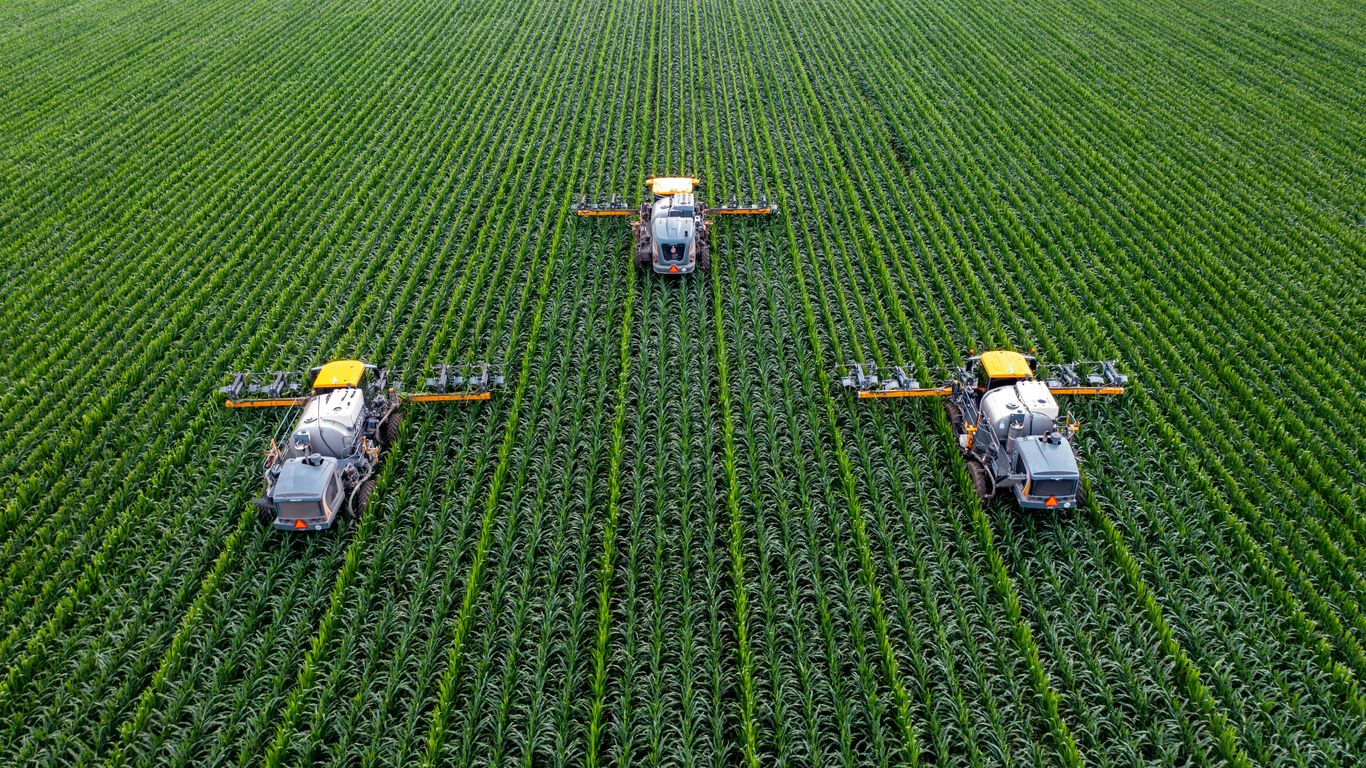
Precision agriculture has been around for a bit, but it’s getting more sophisticated. The idea is simple: apply what your crops need, exactly when and where they need it. This means less waste and lower costs.
- Variable Rate Application: Instead of spreading fertilizer or water evenly across an entire field, sensors and GPS data tell machines to apply more in some spots and less in others, based on soil type or crop needs.
- Smart Irrigation: Systems can detect soil moisture levels and only water when necessary, preventing overwatering and conserving a precious resource.
- Targeted Pest Control: Drones or ground-based robots can identify specific areas with pest issues, allowing for localized treatment instead of broad spraying.
This careful approach not only saves money on inputs but also reduces the environmental impact, like nutrient runoff into waterways.
Tracking Carbon Sequestration In Soil
This is a newer, but really exciting, area. Farmers are starting to get paid, or at least recognized, for the carbon they can store in their soil. Technology is key here. Advanced sensors and soil sampling techniques, combined with data analysis, can help measure how much carbon is actually being sequestered. This isn’t just guesswork anymore. By accurately measuring carbon in the soil, farmers can participate in carbon markets and demonstrate their role in climate change mitigation. It’s a way to turn a farming practice that benefits the environment into a tangible asset for the farm.
Resilience And Risk Management In Agriculture
Farming has always been a bit of a gamble, right? You’re always at the mercy of the weather, pests, and markets. But today, technology is giving farmers a much better hand to play. We’re talking about tools that help you see trouble coming from a mile away and do something about it before it ruins your season.
Predicting Climate Risks With Advanced Modeling
Remember when weather forecasts were just a guess? Well, things have changed. We’re now using super-smart computer models that crunch tons of data – think satellite images, historical weather patterns, and even soil moisture readings. These models can give us a heads-up about potential droughts, heavy rains, or unseasonable frosts weeks, sometimes months, in advance. This early warning system is a game-changer for planning. It means you can make smart choices, like adjusting planting schedules, preparing irrigation systems, or even choosing more resilient crop varieties suited for your area’s changing climate.
Mitigating Weather Event Impacts
Even with predictions, unexpected storms or heatwaves can hit hard. That’s where other tech comes in. For instance, automated irrigation systems can react quickly to changing conditions, providing water exactly when and where it’s needed most, or shutting off if too much rain is forecast. Drones equipped with sensors can quickly survey fields after a storm to assess damage, helping farmers prioritize repairs and recovery efforts. Some farms are even using advanced soil management techniques, like cover cropping, which tech helps monitor and optimize, to reduce erosion from heavy rains and improve water retention during dry spells.
Enhancing Food System Stability
It’s not just about protecting individual farms; it’s about keeping the whole food supply chain steady. When farms can better manage risks, it means more consistent production. This stability is vital. Think about it: if one region faces a crop failure due to extreme weather, having other regions that are more resilient, thanks to better tech, helps prevent widespread shortages and price spikes. Digital platforms that connect farmers directly to buyers also play a role. They can help reroute produce if one market is disrupted, ensuring food gets to where it’s needed and reducing waste. It’s all about building a more robust system that can handle the bumps in the road.
Connected Supply Chains And Global Food Systems
It feels like just yesterday that getting food from the farm to our plates was a bit of a mystery. Now, though, things are changing fast. Digital platforms are popping up that connect farms straight to where the food is sold, cutting out a lot of the middle steps. This means we can see where our food is coming from and how it’s getting to us much more clearly.
Direct Farm-To-Market Digital Platforms
These new online marketplaces are pretty neat. They let farmers sell their produce directly to consumers or local businesses without needing a big distributor. Think of it like an online farmers’ market, but available all the time and reaching way more people. This helps farmers get a better price for their hard work and gives us access to fresher food.
Real-Time Data Sharing Across Stakeholders
One of the biggest game-changers is how everyone involved in getting food from the farm to your table can now share information instantly. This includes the farmer, the transport company, the warehouse, and the store. They can all see things like how much product is available, where it is, and when it’s expected to arrive. This kind of instant communication helps prevent food from going to waste because everyone knows exactly what’s happening.
Here’s a quick look at what kind of info gets shared:
- Crop yields and availability
- Storage conditions and temperature logs
- Transportation routes and estimated arrival times
- Inventory levels at different points in the chain
Improving Logistics And Distribution Accuracy
With all this real-time data, planning out how to move food around becomes way easier and more accurate. Instead of guessing, companies can make smart decisions about which trucks to use, the best routes to take, and when to schedule deliveries. This not only saves time and money but also means the food gets to us faster and in better condition. It’s all about making the whole system work smoother, so there’s less hassle and more reliable food for everyone.
Looking Ahead
So, what does all this mean for farming in 2026 and beyond? Basically, technology isn’t just a fancy add-on anymore; it’s becoming a core part of how farms run. We’re seeing smarter tools that help farmers make better choices, use resources wisely, and deal with unpredictable weather. It’s all about making farming more efficient and sustainable. The farms that embrace these changes are the ones that will be ready for whatever comes next, helping to feed everyone without messing up the planet too much. It’s not just about having the latest gadgets; it’s about making sure everything works together to build a stronger future for agriculture.
Frequently Asked Questions
What is ‘smart farming’ and why is it becoming more popular?
Smart farming means using technology, like sensors and computers, to help farmers manage their fields better. It’s getting popular because it helps farmers grow more food, use fewer resources like water and fertilizer, and make smarter choices about how to run their farms. It’s like giving farmers high-tech tools to do their jobs more effectively.
How is Artificial Intelligence (AI) helping farmers?
AI is like a super-smart assistant for farmers. It can look at lots of information, like weather patterns and soil conditions, and give farmers advice on what to do. For example, AI can help decide the best time to water crops or when to plant. It’s also helping to make farming tasks easier by automating planning and making sure farmers follow all the rules.
Are robots and drones really being used on farms?
Yes, they are! Robots and drones are becoming common helpers on farms. They can do jobs like planting seeds, checking on crops, and spraying just the right amount of fertilizer or bug spray exactly where it’s needed. This helps save money and is better for the environment because it reduces waste and uses fewer chemicals.
How does technology help make farming more eco-friendly?
Technology helps farms be kinder to the planet in several ways. It allows farmers to use water, fertilizer, and pesticides much more precisely, meaning they only use what’s needed and where it’s needed. This cuts down on waste and pollution. Also, new tech helps farmers track how much carbon is stored in the soil, which is good for fighting climate change.
What does ‘connected supply chain’ mean for food?
A connected supply chain means all the people involved in getting food from the farm to your table can share information easily and in real-time. Think of it like a digital highway for food information. This helps make sure food gets delivered on time, stays fresh, and reduces problems in getting food to where it needs to go. It makes the whole system work more smoothly.
Can technology help farms deal with bad weather or climate change?
Absolutely. Advanced tools can help predict weather problems like droughts or floods much earlier. This gives farmers a heads-up so they can take steps to protect their crops and reduce losses. By using technology to plan better and manage resources wisely, farms can become more resilient and stable, even when facing tough weather or climate challenges.