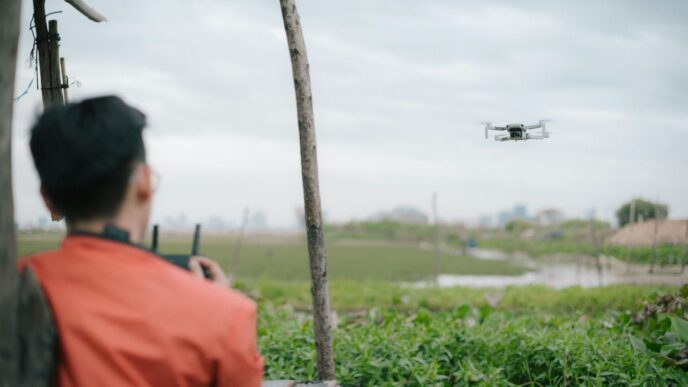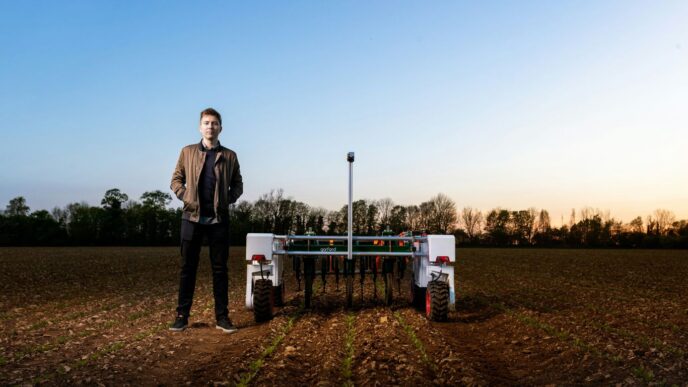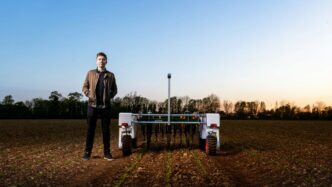
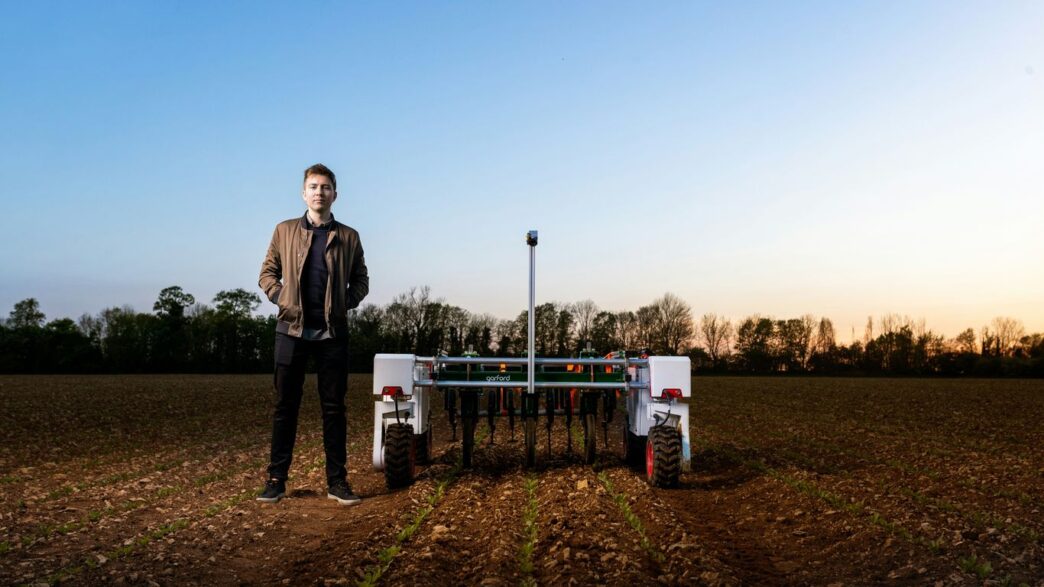
Farming is changing, and fast. It feels like every year there’s some new gadget or software promising to make growing food easier and more productive. As we look towards 2026, a bunch of agtech companies are really stepping up. They’re not just talking about the future; they’re building it, using smarter tech to help farmers get more done with less. We’re talking about everything from robots in the fields to apps that tell you exactly what your crops need. It’s pretty wild to see how far things have come, and these companies are leading the way.
Key Takeaways
- John Deere is a big name, focusing on connected machines and data tools to help farmers run things better.
- Trimble Inc. offers precision agriculture solutions, using tech to help farmers make smarter choices about their land.
- AGCO Corporation is putting IoT into its equipment, giving farmers data to make better decisions.
- Raven Industries provides a range of tech, like GPS and data management, for precision farming.
- Climate Corporation’s FieldView platform collects farm data to give farmers useful insights and tools.
1. John Deere
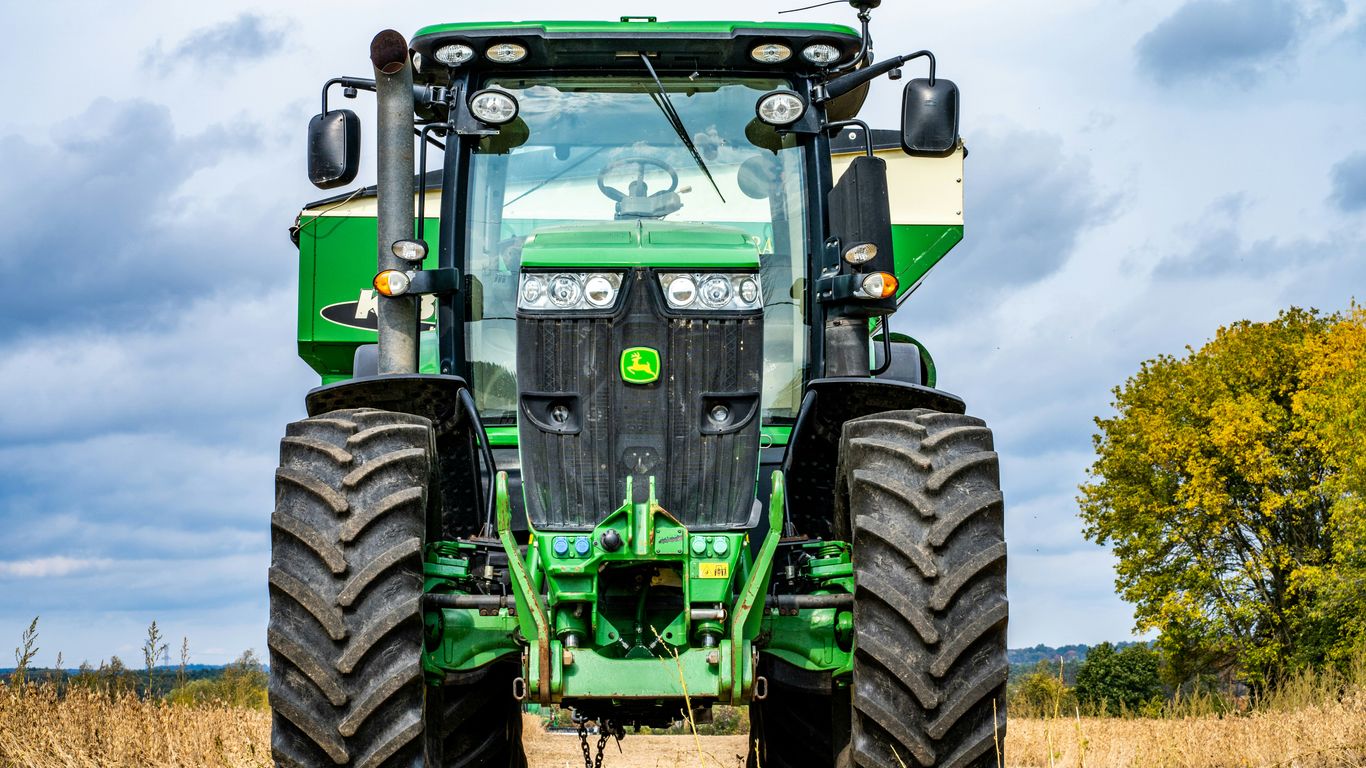
When you think of farming equipment, John Deere is probably one of the first names that pops into your head. They’ve been around forever, and in 2026, they’re still a huge player in the AgTech scene. It feels like they’re really pushing hard on making farms smarter and more efficient.
Their big thing is this John Deere Operations Center. Think of it as the command center for your whole farm. You can see all your machine data, field maps, and how much you’re harvesting, all in one spot. It’s pretty neat because it helps you figure out exactly where to put your seeds, fertilizer, or whatever else, so you’re not wasting stuff. Plus, with JDLink Connect, you get alerts if your tractor is acting up before it breaks down completely, which is a lifesaver when you’re in the middle of planting or harvesting.
They’re also big on automation. You know those self-driving tractors you see in movies? Well, John Deere has systems like AutoTrac that can steer your equipment with really precise accuracy. This means less overlap when you’re planting or spraying, saving you fuel and money on inputs. It also means less tired operators, which is a big deal these days with fewer people wanting to work on farms.
Here’s a quick look at some of the benefits:
- Reduced input waste: Precision application means you only use what you need, where you need it.
- Lower operating costs: Less fuel burned and fewer chemicals used add up.
- Increased productivity: Smarter operations mean getting more done with less.
- Better crop yields: Optimized conditions lead to healthier plants and bigger harvests.
They’re also making strides in things like See & Spray Ultimate, which uses cameras and AI to spot weeds and only spray them. Apparently, this can cut down on herbicide use by a massive amount, like up to 90%. That’s good for your wallet and the environment. It seems like John Deere is really focused on using data to help farmers make better decisions and get more out of their land.
2. Trimble Inc.
Trimble Inc. has been a significant player in the AgTech space for a while now, and by 2026, they’re really solidifying their position. They’re all about giving farmers the tools to make smarter decisions using data. Think of their Connected Farm and Farmer Core platforms – these aren’t just fancy names; they’re actually helping farmers pull in information from all over their operation.
What does this mean in practice? Well, it means you can get a much clearer picture of what’s happening in your fields and with your equipment. They offer a bunch of hardware and software that work together to keep an eye on things in real-time. This isn’t just about knowing what’s going on; it’s about being able to react quickly.
Here’s a look at some of the areas Trimble is focusing on:
- Precision Guidance and Steering: Helping equipment stay on the right path, reducing overlap and saving on inputs.
- Data Management and Analytics: Collecting all that field data and turning it into useful insights for planning and making adjustments.
- Fleet Management: Keeping track of your machinery, its performance, and maintenance needs.
Their goal is to make farming more efficient and less wasteful by putting actionable data right into the hands of the people running the farm. It’s about using technology to get more out of every acre, which is pretty important when you’re looking at the bottom line.
3. AGCO Corporation
AGCO Corporation is another big player in the farm equipment scene, and they’ve been busy integrating smart tech into their gear. Think tractors, combines, sprayers – all getting hooked up so farmers can actually use the data they collect. It’s all part of their Fuse® smart farming solutions, which aim to make farm management a bit more streamlined and, well, smarter.
They’re really pushing for this connected approach. It’s not just about having fancy machines; it’s about making those machines talk to each other and to the farmer in a way that helps make better choices. This means farmers can get a clearer picture of what’s happening on their land, from planting to harvest.
AGCO’s focus seems to be on providing the tools that allow for this data collection and analysis. It’s a pretty big shift from just selling a tractor to selling a whole system that helps manage the farm more effectively. They’re definitely one to watch as this digital farming wave continues to grow.
4. Raven Industries
Raven Industries, based in Sioux Falls, South Dakota, has been a player in the agtech scene since 1956. They’ve really focused on making farming more precise and efficient. Think about their field computers and GPS guidance systems – these help tractors stay on the right path, reducing overlap and saving on resources like fuel and seed. It’s not just about steering, though. Raven also offers ways to monitor how much crop you’re actually getting from different parts of your field, which is super useful for understanding what’s working and what’s not.
They’ve got a whole suite of tools that connect to the cloud, letting farmers manage all this data from pretty much anywhere. This kind of information helps make better decisions for the next planting season. It’s all about using technology to get more out of the land while being smarter about inputs. Raven’s commitment to developing these kinds of practical, data-driven solutions makes them a significant contributor to modern agriculture.
Here’s a look at some of their key product areas:
- Guidance and Steering: Systems that automate steering for tractors and other equipment, improving accuracy and reducing operator fatigue.
- Application Control: Technologies that precisely manage the application of fertilizers and crop protection products, ensuring they go exactly where needed.
- Data Management: Platforms that collect, store, and analyze farm data, providing insights for better decision-making.
- Yield Monitoring: Tools that measure and record crop yield as it’s harvested, helping farmers understand field performance.
5. Climate Corporation
Climate Corporation, now part of Bayer, has been a significant player in the digital agriculture space for a while. They’re best known for their Climate FieldView platform. Think of it as a central hub where farmers can bring together all sorts of data from their operations. It pulls information from tractors, combines, and other equipment, giving farmers a clearer picture of what’s happening across their fields.
This platform helps farmers make more informed decisions. For instance, it can show you how different seed varieties performed in specific parts of your fields last year, or how much fertilizer was applied where. This kind of detailed record-keeping and analysis is super helpful for planning the next season.
Here’s a look at what Climate FieldView offers:
- Data Integration: Connects with equipment from various manufacturers to gather field data.
- Field Health Monitoring: Uses satellite imagery and other data sources to track crop health.
- Agronomic Insights: Provides recommendations on things like planting density and nutrient application.
- Record Keeping: Helps maintain detailed records of field activities and inputs.
The goal is to help farmers be more efficient and, hopefully, more profitable by using data to guide their choices. It’s all about making farming smarter, not just harder. They’ve been around since 2006, so they’ve had time to build out their system and gather a lot of user data, which is key for making those insights really useful.
6. Sentera LLC
Sentera LLC, based in Minneapolis, Minnesota, has been making waves in the agtech scene since its start in 2014. They’re all about giving farmers tools to get a closer look at their fields using drones. Think of it like giving farmers super-vision for their crops.
What Sentera really focuses on are the add-ons for agricultural drones. They’ve developed things like NDVI sensors and multispectral cameras. These aren’t just fancy gadgets; they actually capture specific light wavelengths that tell you a lot about plant health. It’s pretty neat how a drone flying overhead can give you data that helps with things like figuring out exactly where to put fertilizer or which seeds are performing best. They also provide software to manage all this data, which is a big deal because you can get overwhelmed with information pretty quickly.
Here’s a quick look at what they offer:
- High-resolution crop imagery: Get detailed pictures of your fields.
- NDVI and multispectral sensors: Understand plant health and stress levels.
- Data management software: Organize and analyze the information collected.
Their goal is to help farmers make smarter choices by providing clear, actionable data from above. It’s a practical approach to precision agriculture, aiming to boost efficiency and cut down on waste. By using Sentera’s tech, farmers can spot problems early, like nutrient deficiencies or pest infestations, before they become major issues. This kind of early detection can save a lot of headaches and money down the line.
7. Topcon Agriculture
Topcon Agriculture has been around for a while, starting way back in 1932, and they’ve really leaned into precision farming. They’re all about giving farmers the tools to be more accurate and collect better data right from the field. Think of their systems as the eyes and ears for your farm equipment.
They offer a pretty wide range of gear. This includes things like:
- Automated steering systems: These help keep your tractor or combine on the perfect line, reducing overlap and saving fuel.
- Yield monitoring tools: These track how much you’re harvesting from different parts of your fields, giving you a clear picture of what’s working.
- Cloud-based data analysis: This is where all the information gathered by their equipment gets crunched, turning raw numbers into useful advice for your next planting season.
Their focus is on making sure farmers can get the most out of every acre by using smart technology. It’s not just about having fancy gadgets; it’s about using the data they collect to make smarter choices, year after year. They’re definitely a company to watch if you’re looking to fine-tune your operation.
8. Agribotix LLC
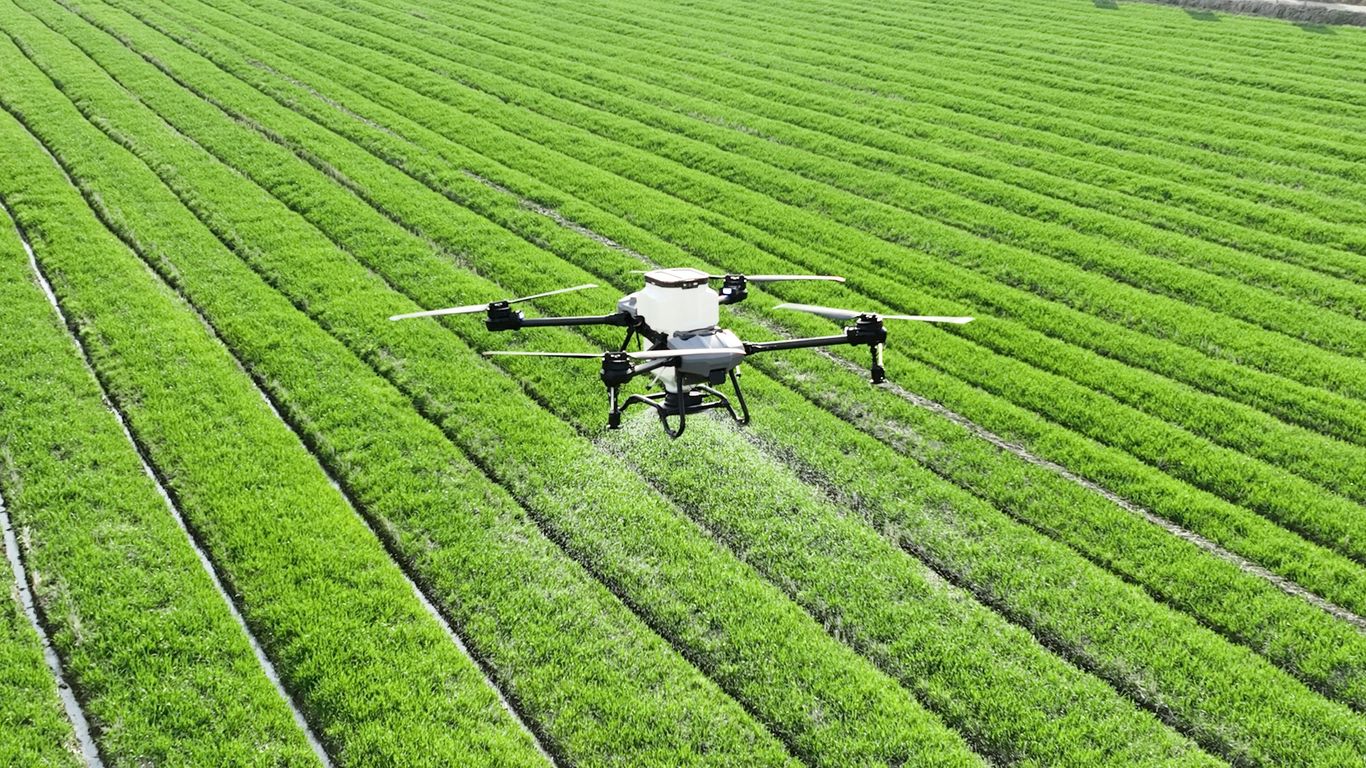
Agribotix, based in Boulder, Colorado, has been making waves in the agtech scene since its start in 2013. They’re all about using drones and smart software to give farmers a clearer picture of what’s happening in their fields. Think of it as giving farmers super-vision for their crops.
Their main tool is the FarmLens™ platform. It takes all the aerial photos captured by drones and runs them through some pretty clever computer programs, basically machine learning. This process helps figure out things like how healthy the crops are, how they’re growing, and other important stuff that farmers need to know to make good choices. This data-driven approach helps farmers manage their fields more precisely, potentially saving on resources and boosting yields.
Here’s a quick look at what Agribotix brings to the table:
- Drone Data Analysis: They specialize in turning raw drone imagery into useful information.
- Crop Health Monitoring: Helping farmers spot potential problems early on.
- Growth Pattern Tracking: Understanding how crops are developing over time.
- Resource Optimization: Providing insights that can lead to more efficient use of water, fertilizer, and other inputs.
9. AgJunction
AgJunction has been around for a while, starting up back in 1990. They focus on making farming more precise, which is a big deal these days. Their main thing is helping farmers steer their equipment really accurately and collect data while they’re out in the fields. Think of it like having a super-precise GPS for your tractor, but it does more than just keep you on the right line.
They also have these software platforms that run in the cloud. These let farmers look at all the information they’ve gathered and then make smarter choices about what to do next. It’s all about using that data to get more done and maybe save a bit of money too. They’re part of the push to make farming more efficient through technology.
10. Corteva Agriscience
Corteva Agriscience came about when DowDuPont decided to split into three separate companies. Corteva took over the agriculture division, focusing on a few key areas. They make crop protection products, like herbicides and insecticides, which are pretty important for keeping crops healthy. They also deal in seeds for major crops such as corn, soybeans, and wheat. Beyond the physical products, Corteva is also involved in digital tools and services. Think things like technology for planting and mapping out fields, plus services for checking soil health and scouting crops.
Looking back at 2025, Corteva had a pretty good year. Their operating earnings before interest, taxes, depreciation, and amortization (EBITDA) went up by 14%. This happened even though their sales only increased by 3%, reaching $17.4 billion. They saw a 5% jump in the amount of crop protection products they sold, though the prices for these products actually went down by 2%. A big reason for their success was their strong position in the market for corn and soybean seeds.
It’s worth noting that in October 2025, Corteva announced plans to split into two companies. One part will focus on advanced genetics and breeding, while the other will keep the crop protection business. This move is expected to reshape how they operate moving forward.
Like many companies in this sector, Corteva has faced some legal and regulatory challenges. For instance, the U.S. Environmental Protection Agency banned the pesticide chlorpyrifos in 2021, a product Corteva had pledged to stop using in 2020. These kinds of issues are always a risk in the agricultural chemical industry.
Looking Ahead: The Road Ahead for AgTech
So, as we wrap up our look at the top AgTech companies making waves in 2026, it’s clear that farming is changing fast. We’ve seen how companies are using smart tech, from AI to better data tools, to help farmers grow more food with fewer resources. It’s not just about getting more crops, either. A lot of this new technology is also about being kinder to the planet and making sure we can keep feeding everyone, even with a changing climate. The future of farming looks pretty exciting, and these companies are definitely leading the way. It’s going to be interesting to see what they come up with next.
Frequently Asked Questions
What is precision agriculture and why is it important for farmers?
Precision agriculture is like giving farmers superpowers! It means using technology and data to farm smarter, not harder. Instead of treating a whole field the same, farmers can give each part exactly what it needs, like water or fertilizer. This helps grow more food, use fewer resources, and save money.
How does John Deere help farmers with technology?
John Deere makes cool machines and also helps farmers use data from those machines. Their tools, like the Operations Center, let farmers see information about their fields and equipment all in one place. This helps them make better choices about planting, spraying, and harvesting to get the best results.
What is the role of data in modern farming?
Data is like the brain of modern farming. It helps farmers understand what’s happening in their fields, how their equipment is working, and what crops are producing the most. By looking at this information, farmers can make smart decisions to improve their farms year after year.
Are new farming technologies only for big farms?
Nope! While big farms can use advanced systems, companies are also creating solutions that work for smaller and medium-sized farms. The goal is to make these helpful technologies available to more farmers so everyone can benefit from farming more efficiently.
What does ‘sustainability’ mean in farming technology?
Sustainability in farming means growing food in a way that’s good for the planet and can continue for a long time. Technology helps with this by allowing farmers to use resources like water and fertilizer more precisely, which reduces waste and helps protect the environment.
What can farmers expect from farming technology in the next few years?
Get ready for even more cool stuff! We’ll likely see more robots helping with tasks like planting and harvesting, smarter computer programs that predict problems before they happen, and even better ways to track how farming affects the environment. It’s all about making farming more efficient, productive, and eco-friendly.