So, what exactly is agriculture technology, or AgTech? It’s basically all the new tools and methods farmers are using to grow food and raise animals more effectively. Think of it as upgrading the farm with modern gadgets and smart ideas. This isn’t just about tractors anymore; it’s about using computers, sensors, and even robots to make farming more efficient and productive. We’re going to break down what this means for farmers, consumers, and the future of how we get our food.
Key Takeaways
- Agriculture technology, or AgTech, involves using modern tools and methods to improve farming efficiency and output.
- Key components include precision farming, automation, and data analytics, transforming traditional practices.
- AgTech benefits farmers by boosting crop yields, cutting costs, and creating new job types.
- Consumers gain from improved food quality, safety, and greater availability.
- Future farming will likely see more AI integration and a focus on sustainable technology use.
Understanding What Is Agriculture Technology
Defining Agriculture Technology
So, what exactly is agriculture technology, or AgTech? Simply put, it’s the application of technology to farming and food production. Think of it as using new tools and methods to make growing food, raising animals, and managing farms more efficient and productive. It’s not just about tractors anymore; it’s a whole spectrum of innovations aimed at improving how we produce what we eat. The goal is to help farmers grow more food, better, with fewer resources. This can mean anything from using sensors to know exactly when your plants need water to employing robots to help with harvesting.
The Evolution of Farming Innovations
Farming hasn’t always been this high-tech, of course. For thousands of years, it was all about manual labor and basic tools. Then came the plow, irrigation, and eventually, mechanization with tractors and harvesters. Each step made farming easier and allowed for larger-scale production. The Green Revolution in the mid-20th century brought new crop varieties and fertilizers, significantly boosting yields. Now, we’re in another major shift, moving from mechanical improvements to digital and biological innovations. It’s a continuous process of finding smarter ways to farm.
Here’s a quick look at some major shifts:
- Early Innovations: Domestication of plants and animals, basic tools like plows.
- Mechanization Era: Tractors, harvesters, improved irrigation systems.
- Biotechnology: Development of higher-yield and pest-resistant crops.
- Digital Age (AgTech): Precision farming, data analytics, automation, AI.
Key Components of Modern AgTech
Modern AgTech is a broad field, but it generally includes several key areas:
- Precision Farming: Using GPS, sensors, and data to manage fields with great accuracy. This means applying water, fertilizer, or pesticides only where and when they are needed.
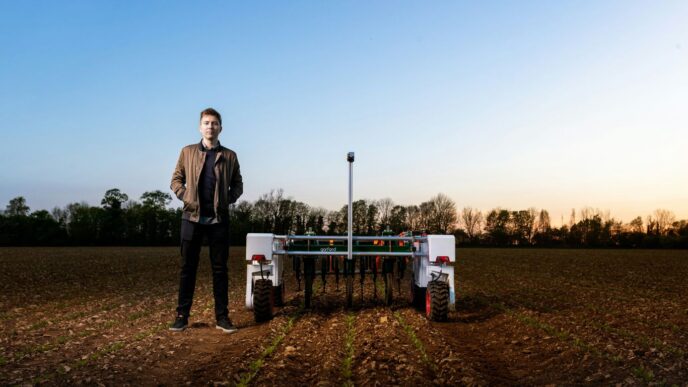
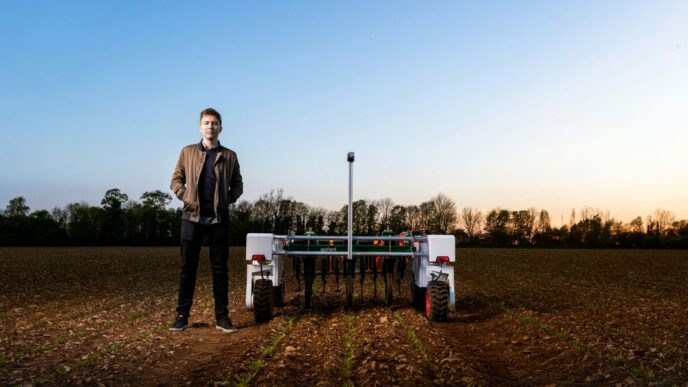
- Automation and Robotics: Machines that can perform tasks like planting, weeding, harvesting, or even milking cows, often with minimal human intervention.
- Data Analytics and Software: Collecting vast amounts of data from fields, weather, and equipment, then using software to analyze it for better decision-making.
- Biotechnology and Genetics: Developing improved seeds and livestock through advanced breeding techniques and genetic understanding.
- Controlled Environment Agriculture: Growing crops indoors using methods like hydroponics, aeroponics, or vertical farming, which allows for year-round production regardless of external conditions.
Transformative Technologies Shaping Modern Farming
Farming isn’t what it used to be, and a lot of that change comes down to the tech hitting the fields. We’re talking about tools and systems that are really changing how we grow food and raise animals. It’s not just about bigger tractors anymore; it’s about smarter ways of doing things.
Precision Farming Tools and Techniques
Precision farming is all about using data to make better decisions on the farm. Instead of treating a whole field the same, farmers can now get super specific. Think about using GPS to map out fields down to the inch. This lets farmers apply water, fertilizer, or pesticides exactly where they’re needed, and only in the amounts required. This cuts down on waste and can really boost how much you get from your crops.
Here are some key tools:
- Soil Sensors: These little gadgets go into the ground and tell you about moisture levels, temperature, and nutrient content. You get this info wirelessly, so you know exactly when and how to water or feed your plants.
- GPS Guidance Systems: These help tractors and other machinery drive in straight lines and avoid overlapping applications of seeds or treatments. It’s like having a super-accurate autopilot for your farm equipment.
- Variable Rate Technology (VRT): This tech works with GPS and soil data to automatically adjust the amount of seed, fertilizer, or other inputs being applied as the equipment moves across the field. It’s farming tailored to the exact spot you’re in.
Automation and Robotics in Agriculture
Automation is taking over a lot of the repetitive and labor-intensive tasks on the farm. Robots and automated systems can work around the clock, doing jobs that used to require a lot of people. This isn’t just about making things faster; it’s about improving accuracy and reducing the strain on farm workers.
Some examples include:
- Automated Planting and Harvesting: Machines can now plant seeds with incredible precision or harvest crops with minimal damage.
- Robotic Milking Systems: In dairy farming, robots can milk cows on their own schedule, which can be less stressful for the animals and more efficient for the farmer.
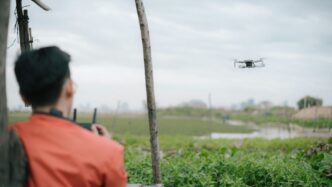
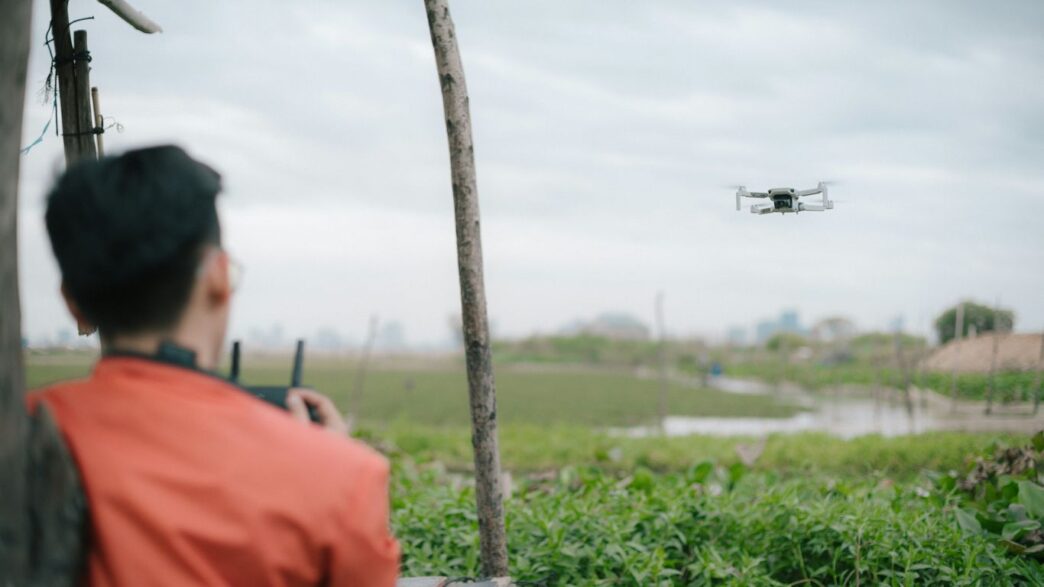
- Drones for Monitoring: Drones equipped with cameras can fly over fields to check crop health, identify problem areas, and even spray specific spots that need attention. This aerial view provides a level of detail previously impossible to achieve.
Data Analytics and Predictive Technologies
This is where things get really interesting. Farms are generating tons of data from sensors, drones, and machinery. Data analytics and predictive technologies help farmers make sense of all this information. By looking at patterns and trends, farmers can predict things like potential pest outbreaks, optimal harvest times, or even future market prices.
- Yield Prediction: Analyzing historical data, weather patterns, and current crop conditions can help estimate how much a crop will produce.
- Pest and Disease Forecasting: By monitoring environmental conditions and crop health, systems can alert farmers to the early signs of potential problems, allowing for quicker intervention.
- Market Trend Analysis: Some platforms can help farmers understand market demand and pricing, aiding in decisions about what to plant and when to sell.
Impact of Agriculture Technology on Farmers
So, what does all this fancy tech actually mean for the folks out in the fields? It’s a pretty big deal, honestly. Modern agriculture technology is changing how farmers work, making things more efficient and, in many cases, more profitable.
Enhancing Crop Yields and Livestock Production
Think about it: farmers can now get more out of their land and their animals than ever before. Tools like soil sensors give them a heads-up on exactly what their crops need, right down to the nutrient level. This means less guesswork and more targeted care. Drones can fly over fields, spotting problems like pests or diseases early on, so farmers can deal with them before they spread. For livestock, automated systems can monitor animal health and even help with milking. It’s all about getting the best possible outcome from every acre and every animal.
Reducing Operational Costs and Resource Use
While the initial investment in some tech can be high, it often pays off by cutting down on ongoing expenses. Precision farming, for example, uses GPS to make sure fertilizers and pesticides are applied only where and when they’re needed. This means using less of these products, which saves money and is better for the environment. Automation can also reduce the need for manual labor, which is a big cost for many farms. Less waste of water, chemicals, and time adds up to a healthier bottom line.
Creating New Employment Opportunities
It might seem like machines are taking over, but technology is also opening up new kinds of jobs on the farm. Instead of just driving a tractor, farmers and farmhands might now be managing complex software, operating drones, or analyzing data from sensors. There’s a growing need for people who can install, maintain, and repair these new systems. Plus, as farms become more efficient and productive, it can lead to growth in related industries, creating jobs in areas like food processing and distribution.
Benefits for Consumers and the Food Supply Chain
So, what does all this fancy tech in farming mean for us, the folks who actually eat the food? Turns out, quite a bit. Modern agriculture technology is changing how food gets from the farm to our plates, and for the most part, it’s good news.
Improving Food Quality and Safety
Think about it: when farmers can monitor their crops more closely, using sensors and data, they can catch problems early. This means fewer pesticides might be needed, and the food that reaches us is likely healthier. Plus, technologies like blockchain are starting to track food right from the farm. This gives us a clearer picture of where our food comes from and how it was handled. This transparency helps build trust and makes it easier to know if what we’re buying is safe and high quality.
Increasing Food Availability and Accessibility
Farming tech isn’t just about making farms more efficient; it’s also about producing more food, more reliably. Better crop yields mean more food is available overall. Technologies that help grow food in challenging environments or reduce spoilage during transport also play a big role. This means more food can reach more people, even in areas that might have struggled before. It’s about making sure there’s enough good food for everyone.
Driving Market Expansion and Distribution
When farms are more productive and food can be tracked easily, it opens up new possibilities for getting food to different markets. Technology helps streamline the whole process, from getting produce from the farm to the distribution center and then to the grocery store. This can mean fresher food for us and also opens up new markets for farmers, potentially helping them sell to a wider range of customers. It’s a win-win that keeps the food supply chain moving smoothly.
Challenges and Considerations in AgTech Adoption
So, we’ve talked a lot about how cool new farming tech can be, right? But it’s not all sunshine and perfectly watered fields. There are some real hurdles to jump over before everyone can get on board.
Addressing the Digital Divide in Agriculture
This is a big one. Not everyone has the same access to the internet or the latest gadgets. Think about farmers in really rural areas, or those who just don’t have the money to buy expensive new equipment. The gap between those who have access to digital tools and those who don’t is a major roadblock. It means some farmers might get left behind, unable to benefit from the same improvements as others. We need to figure out how to make sure this tech is available and usable for everyone, no matter where they are or how much they have.
Managing Dependence on Machines and Chemicals
When we rely heavily on technology, we also become dependent on it. What happens when the internet goes down, or a piece of complex machinery breaks? Farmers need to be able to keep things running. Plus, a lot of modern farming, even with tech, still involves chemicals. We need to think about how to use these tools and inputs wisely, so we’re not just swapping one problem for another. It’s about finding a balance that works for the farm and the environment.
Ensuring Environmental Sustainability with Technology
While AgTech promises to help with sustainability, it’s not automatic. We need to be smart about how we implement it. For example, using sensors to apply just the right amount of water or fertilizer is great, but we also need to consider the energy used by the technology itself, or the disposal of old equipment. It’s a complex puzzle. We have to ask ourselves:
- Are the new technologies actually reducing our environmental footprint?
- Are we creating new waste streams from electronic components?
- How can we design and use these tools to support biodiversity and soil health, not just boost yields?
Thinking through these questions is key to making sure AgTech truly helps us farm in a way that’s good for the planet in the long run.
The Future of Agriculture Technology
So, what’s next for farming tech? It’s pretty exciting, honestly. We’re looking at a future where farms are even smarter, more connected, and hopefully, more sustainable. Think about it: the way we grow food is constantly changing, and technology is right at the heart of it.
Emerging Innovations in Agri-Food Systems
Beyond the tools we see today, there are some really interesting ideas bubbling up. We’re talking about things like vertical farming becoming more common, even in urban areas. Imagine growing fresh produce right in the city, cutting down on transport miles. Then there’s the ongoing work with gene editing to create crops that are tougher, need less water, or are more nutritious. It’s not just about making more food, but making better food, more efficiently. We’re also seeing a push for closed-loop systems, where waste from one process becomes an input for another, really minimizing what goes to waste.
The Role of Artificial Intelligence in Farming
Artificial Intelligence, or AI, is set to play a much bigger part. It’s not just about crunching numbers anymore. AI can help predict disease outbreaks in crops or livestock before they become a big problem, based on subtle changes in data. It can optimize irrigation and fertilization down to the individual plant level, something that’s hard for humans to do consistently. AI-powered systems can learn and adapt, making farming more responsive to changing conditions. This could mean everything from robots that can identify and pick only ripe fruits to software that helps farmers make better business decisions.
Integrating Technology for Sustainable Agriculture
Ultimately, the goal is to make farming work better for the planet. This means using technology to reduce our environmental footprint. Think about sensors that tell you exactly how much water or fertilizer a specific patch of land needs, no more, no less. Drones can monitor fields for problems, allowing for targeted treatments instead of broad spraying. We’re also looking at ways to use technology to improve soil health and biodiversity. It’s all about finding that balance: producing enough food to feed everyone while taking care of the earth we depend on. It’s a big challenge, but the tech is starting to catch up.
Wrapping It Up
So, what’s the takeaway from all this tech talk in farming? Basically, agriculture has changed a ton, and technology is a big reason why. We’ve seen how new tools help farmers grow more food, often with less effort and at a lower cost. It’s not just about bigger harvests, though; it’s also about making farming smarter and more connected. While there are definitely challenges, like making sure everyone can access these tools and using them responsibly, the overall trend is clear: tech is reshaping how we grow our food. It’s an ongoing story, and it’ll be interesting to see what comes next.
Frequently Asked Questions
What exactly is farming technology?
Farming technology, or ag-tech, is all about using new tools and smart ideas to help grow food and raise animals. Think of it as making farming work better and smarter, not just harder. It includes everything from simple tools to super-advanced computers and robots that help farmers.
How has technology changed farming over time?
Farming used to be done mostly by hand or with simple tools. Then came tractors and better plows. Now, we have computers that tell farmers exactly what plants need, robots that can pick fruit, and drones that check on crops from the sky. It’s a huge leap from how farming was done even just a few decades ago!
What are some main types of modern farming tech?
Some big ones are ‘precision farming,’ which uses GPS and sensors to treat parts of a field differently based on what they need. Then there’s automation, like robots for milking cows or harvesting. Also, using data and computers to predict things like weather or when crops will be ready is a huge part of it.
Can technology really help farmers make more food?
Yes! By using tech like sensors and smart watering systems, farmers can give plants exactly what they need, leading to bigger harvests. Robots can help with tasks that are hard for people, and data helps farmers make better choices, all of which can boost how much food is grown.
Does new farming tech cost a lot for farmers?
Sometimes, getting started with new technology can be expensive. However, in the long run, many of these tools help farmers save money. They can use less water, fertilizer, and fuel. Plus, by getting more crops, they can earn more. It’s an investment that often pays off.
Is farming tech good for the environment?
It can be! Precision farming helps use fewer chemicals and less water. However, we also need to be careful. Relying too much on machines or certain chemicals can have downsides. The goal is to use technology in ways that are good for the planet, like reducing waste and protecting natural resources.