There is a strange and quiet shift happening in how we think about progress. If you spend any time looking at the headlines this week, you will see a lot of talk about how the future of everything is becoming invisible. We are told that the next great leap in medical research will come from decentralized trials, virtual checkups, and smartwatches that track our every move from the comfort of our living rooms. It sounds like a dream of efficiency and comfort. But if you look closer, there is a risk that in our rush to make everything digital, we are accidentally stripping away the very foundation that makes scientific discovery possible.
Clinical research is not just a collection of data points floating in a cloud server. It is a human story that requires a physical home. While the industry is busy chasing the latest software trends and remote monitoring tools, the most successful and safe breakthroughs are still happening in places where people can look each other in the eye. We are discovering that in a world of high tech noise, the real competitive advantage is actually a high touch physical presence.
The Myth of Remote Certainty
It is easy to fall in love with the idea of a virtual trial. On paper, it looks like a way to save time and reach more people. But anyone who has spent a day on the clinical floor knows that human biology is unpredictable. When you are testing a new treatment, you aren’t just looking for numbers on a spreadsheet. You are looking for the subtle signs of how a person is actually feeling. You are looking for the slight change in their energy or the non verbal cue that a computer sensor will always miss.
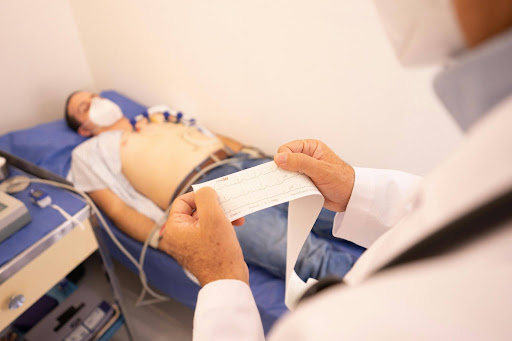
When we move everything to a remote setting, we are essentially trying to fly a plane while looking through a keyhole. We lose the context. This is why having a centralized, high capacity facility is becoming more important than ever. In a week where everyone is talking about moving away from traditional sites, there is a deep and quiet value in a place like AXIS Clinicals. Having over 200 beds and a massive Phase 1 infrastructure is not just about scale. It is about creating a controlled environment where safety is the baseline and human connection is the priority.
Why Proximity Is the Ultimate Safety Feature
One of the biggest quiet risks in modern research is the logistical lag that happens when you outsource your tools. In the current corporate climate, many companies have been taught to send their lab work and their data management to the lowest bidder, often thousands of miles away. But in a high stakes study where you are adjusting doses in real time, that distance is a danger.
Imagine you are waiting for critical safety data to decide if it is safe to move to the next group of volunteers. If your samples are on a truck headed to a central lab in another time zone, you have lost control of your timeline. This is why having everything under one roof is a strategic necessity. When a research unit has its own in house bioanalytical lab, the conversation changes. The data is ready when the scientists need it, not when a courier arrives.
This kind of localized control is what actually allows for agility. It is a philosophy that leaders like John Pottier have championed, not as a marketing gimmick, but as a logistical requirement for excellence. When the pharmacy, the safety lab, and the clinical unit are all operating in the same physical ecosystem, the friction of the process disappears. You aren’t just getting data faster; you are getting better data because the people analyzing it are the same ones who know the volunteers.
The Human Side of Data Integrity
We often talk about data as if it is something that happens automatically. We buy expensive eSource and EDC systems and expect them to be the guardians of our truth. But data integrity is a human achievement, not a software feature. It comes from a shared culture where every staff member is trained to the highest possible standard.
Whether you are working with healthy volunteers or people with complex conditions like diabetes, the quality of the data depends on the consistency of the human interaction. A digital platform is a wonderful tool, but it is only as good as the person holding the tablet. The real work happens in the training rooms and on the clinical floor, where teams learn to be meticulous and precise. By keeping the clinical research services integrated and onsite, a company ensures that the “scientific drive” is felt by everyone involved, from the nurse to the senior vice president.
Building a Community Ready to Act
Perhaps the most overlooked part of this industry is the relationship with the volunteers. We have started to treat recruitment like a marketing funnel, trying to grab people at the last minute for a specific study. But that approach is reactive and often leads to the very bottlenecks that stall research for months.
The better way is to be a constant, grounded presence in the community. By performing general health screens and maintaining a dialogue with the public year round, a company creates a “ready to act” community. You aren’t just looking for subjects; you are building a database of partners who trust your facility and your team. This is how you find the diverse groups needed for complex trials, by being there, being open, and being consistent.
Ultimately, the future of medicine is not going to be found in a virtual void. It is going to be found in the places where dedicated professionals and brave volunteers come together in a physical space designed for discovery. We need the technology to help us organize, but we need the bricks, mortar, and human heartbeat to make sure the science is sound. If we can keep the human element at the center of the machine, we might just find the answers we have been looking for all along. It is about a return to the basics: direct communication, integrated tools, and the undeniable power of being present.