Cosmic Events and Celestial Bodies
Well, space sure has been busy lately! We’ve had a couple of comets making their grand exits, and some pretty cool planetary alignments happening.
Farewell to Comet 3I/Atlas
It’s always a bit sad when a celestial visitor leaves us, and Comet 3I/Atlas is no exception. This comet recently made its closest pass by Earth. While it wasn’t close enough for us to see without a telescope, it was still a notable event for skywatchers. These icy wanderers give us a peek into the early solar system, so even though it’s heading out, the data we gathered is super interesting.
Comet MAPS Meets Its End
Speaking of comets, Comet MAPS, also known as C/2026 A1, had a much more dramatic finish. This sungrazer, discovered back in January 2026, got a little too close to the Sun during its recent solar approach on April 4th. Imagine flying just about 160,000 kilometers above the Sun’s surface – that’s incredibly close! The comet’s nucleus, estimated to be around 400 meters across, just couldn’t handle the heat and intense solar forces. We saw a brief dust tail in some images, but the comet itself broke apart. Now, all eyes are on Comet C/2025 R3 (PanSTARRS) as the next comet to keep an eye on.
The Lyrids Meteor Shower Peaks
If you’re looking for something to see right now, the Lyrids meteor shower peaked around April 21st-22nd. This annual event happens when Earth passes through debris left behind by the comet C/1861 G1 (Thatcher). While it’s not the most intense shower out there, it can put on a decent show, with some brighter fireballs mixed in. It’s always a good reminder of the constant stream of dust and ice particles zipping around our solar system. Plus, on top of that, we’ve had a neat little planet parade happening in the pre-dawn sky. Mercury, Mars, Saturn, and Neptune have been clustered together, making for a great viewing opportunity if you were up early enough and in the right spot, especially for those in the Southern Hemisphere.
Space Missions and Launches
It’s been a busy time in the world of space missions and launches lately. Lots of things are happening, from getting ready for big trips to the Moon to sending up important satellites.
NASA’s Blue Ghost Mission
NASA’s Blue Ghost mission recently sent back some really cool footage from the Moon. This mission used special cameras to capture some first-of-its-kind views of the lunar surface during its landing. It’s amazing what we can see now with the technology we have.
SpaceX GPS III SV10 Launch
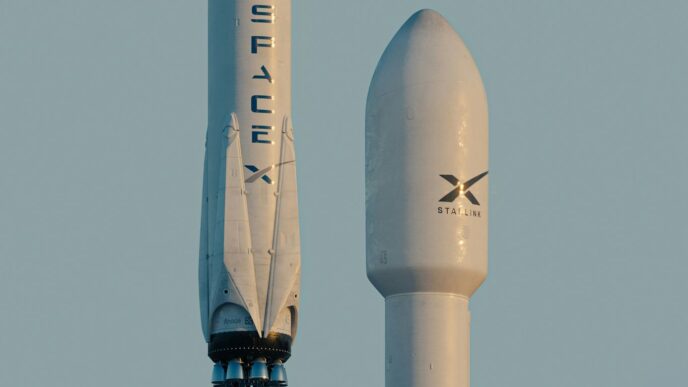
SpaceX had a successful launch for the US Space Force, sending up the GPS III SV10 satellite. This is part of a series of launches to update the Global Positioning System, which is pretty important for a lot of things we do every day, from navigation to timing.
Artemis II Flight Readiness Review
There’s been a lot of talk about the Artemis II mission, especially concerning the heat shield on the Orion capsule. After a lot of checks and reviews, it looks like the heat shield held up well during its test flight. This is good news as they get ready for future crewed missions.
Artemis III SLS Core Stage Rollout
Big news for the Artemis III mission: the main part of the rocket, the core stage, is getting ready to move. The biggest sections, including the fuel tanks, are being moved from a facility in New Orleans to the launch site at Kennedy Space Center. This is a huge step towards getting ready for the mission that aims to land astronauts on the Moon again.
Discoveries from the Depths of Space
Okay, so space is big. Really big. And we’re constantly finding new stuff out there, which is pretty wild when you think about it. This past week has been no exception, with some seriously cool finds coming our way.
Neutron Star Collision Mystery Solved
Remember that big cosmic smash-up we talked about a while back? The one involving two neutron stars? Well, scientists think they’ve figured out a big piece of the puzzle. It turns out these collisions are a lot messier than we first imagined. Instead of a clean, predictable event, it’s more like a cosmic explosion with debris flying everywhere. This helps explain some of the weird signals we’ve picked up from these kinds of events. It’s like finally understanding why your car makes that funny noise after hitting a pothole – it’s just how things get jostled around.
Ancient Martian Ocean Evidence
Mars has been a hot topic, and now there’s more fuel for the fire. New studies are pointing to evidence that Mars might have had a massive ocean way back when. We’re not talking about a puddle, but a real, deep body of water that could have covered a huge chunk of the planet. This is huge for the whole ‘was there life on Mars?’ question. If there was water, there’s a better chance life could have gotten a foothold. They’re looking at the way water might have collected over billions of years, not just one big splash.
Giant Spiral Galaxy Revealed by JWST
The James Webb Space Telescope (JWST) keeps blowing our minds. It’s spotted a truly enormous spiral galaxy that’s way older than we expected. This galaxy is so big and so developed for its age that it’s making astronomers rethink how galaxies formed in the early universe. It’s like finding a fully grown redwood tree in a sapling forest. This find challenges our current models and gives us a new target to study.
33,000 Hydrogen Halos Found
Speaking of the early universe, the Hobby-Eberly Telescope has found a staggering number of hydrogen gas halos. We’re talking over 33,000 of them! These are like giant clouds surrounding galaxies from about 10 to 12 billion years ago. Before this, we only knew of about 3,000. These ‘giant amoebas,’ as one researcher called them, are key to understanding what the universe was like when it was still pretty young. It’s like finding a whole new set of ancient ruins that tell us about a lost civilization.
Innovations in Space Technology
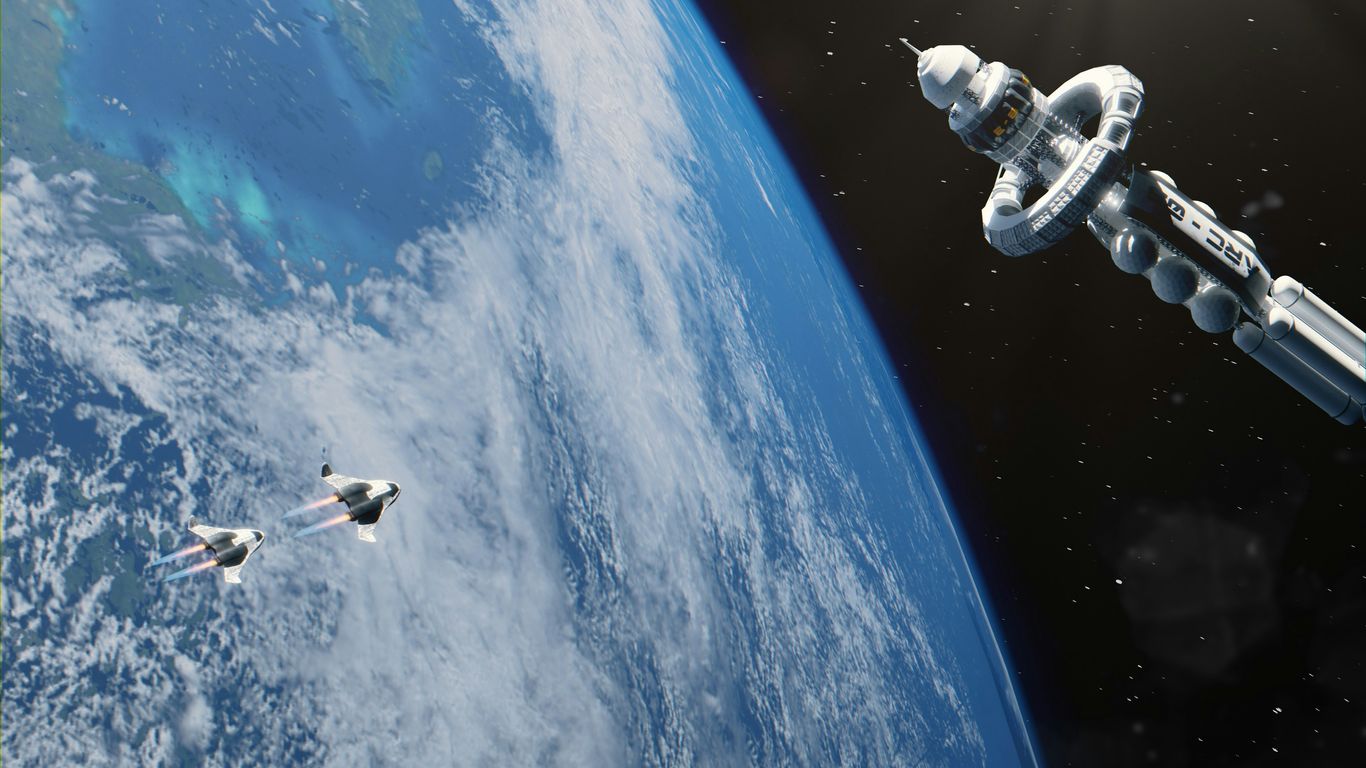
This section is all about the cool new stuff being developed to help us explore the cosmos. It’s not just about rockets anymore; we’re talking about entirely new ways to travel and build things in space.
Graphene Aerogel Propulsion Explored
Imagine using light to push spacecraft. That’s the idea behind using graphene aerogels for propulsion. These super-light materials are being tested for their ability to be propelled by photons, like a tiny solar sail but potentially much more efficient. This could lead to spacecraft that don’t need heavy fuel tanks, making long journeys more feasible. Early experiments show promise, but there’s still a long way to go before we see this on a real mission.
Starship V3 Era Approaching
SpaceX’s Starship program is always moving forward. While we’ve seen earlier versions fly, the focus is shifting towards what’s being called V3. This next iteration aims to improve reliability and payload capacity, getting us closer to regular trips to the Moon and Mars. Details are still emerging, but the goal is to make space travel more routine and affordable.
Giant Magellan Telescope Advances
The Giant Magellan Telescope (GMT) is another big project making strides. This massive telescope, when completed, will have a mirror over 20 times the size of the Hubble Space Telescope’s. It’s designed to give us incredibly detailed views of distant galaxies and help us understand the early universe. The project is moving into its final design stages, with a critical funding decision on the horizon. Its advanced optics will allow for observations that are currently impossible.
Astronauts and Space Stations
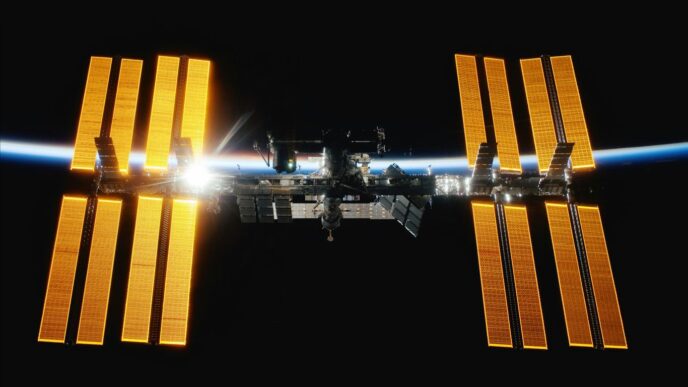
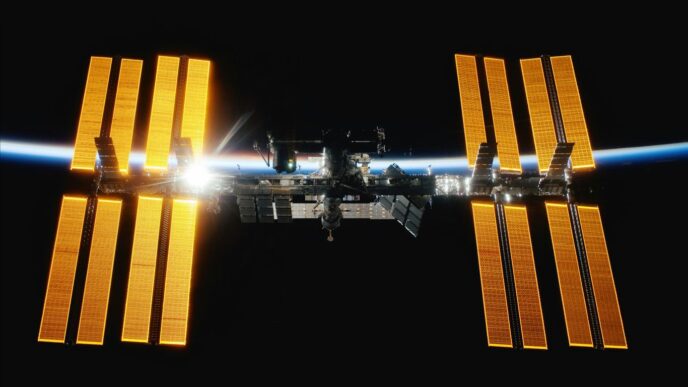
It’s been a busy time up in orbit and with our astronauts here on Earth. The Tiangong Space Station has seen some recent activity with astronauts conducting spacewalks. These excursions are always pretty intense, involving complex tasks outside the station.
Meanwhile, back on the ground, NASA has been busy with updates regarding its astronaut crews. There have been shifts and changes, which is pretty standard for keeping missions running smoothly. The impact of long-duration spaceflight on the human brain is also a hot topic of research. Scientists are looking closely at how microgravity and the general space environment affect astronauts’ cognitive functions and overall brain health. It’s not just about the physical toll; the mental aspect is a big part of keeping our space explorers safe and effective.
Here’s a quick look at some ongoing areas of focus:
- Spacewalks: These are critical for station maintenance and upgrades. Astronauts perform tasks that can’t be done from inside, often in challenging conditions.
- Crew Health Monitoring: Continuous research into how space affects the body, especially the brain, is ongoing. This includes studying everything from sleep patterns to cognitive performance.
- Mission Readiness: For upcoming missions like Artemis, ensuring the crew is fully prepared and that all systems are go is a massive undertaking involving extensive reviews and training.
Exoplanets and Habitable Worlds
Earth 2.0 Possibilities
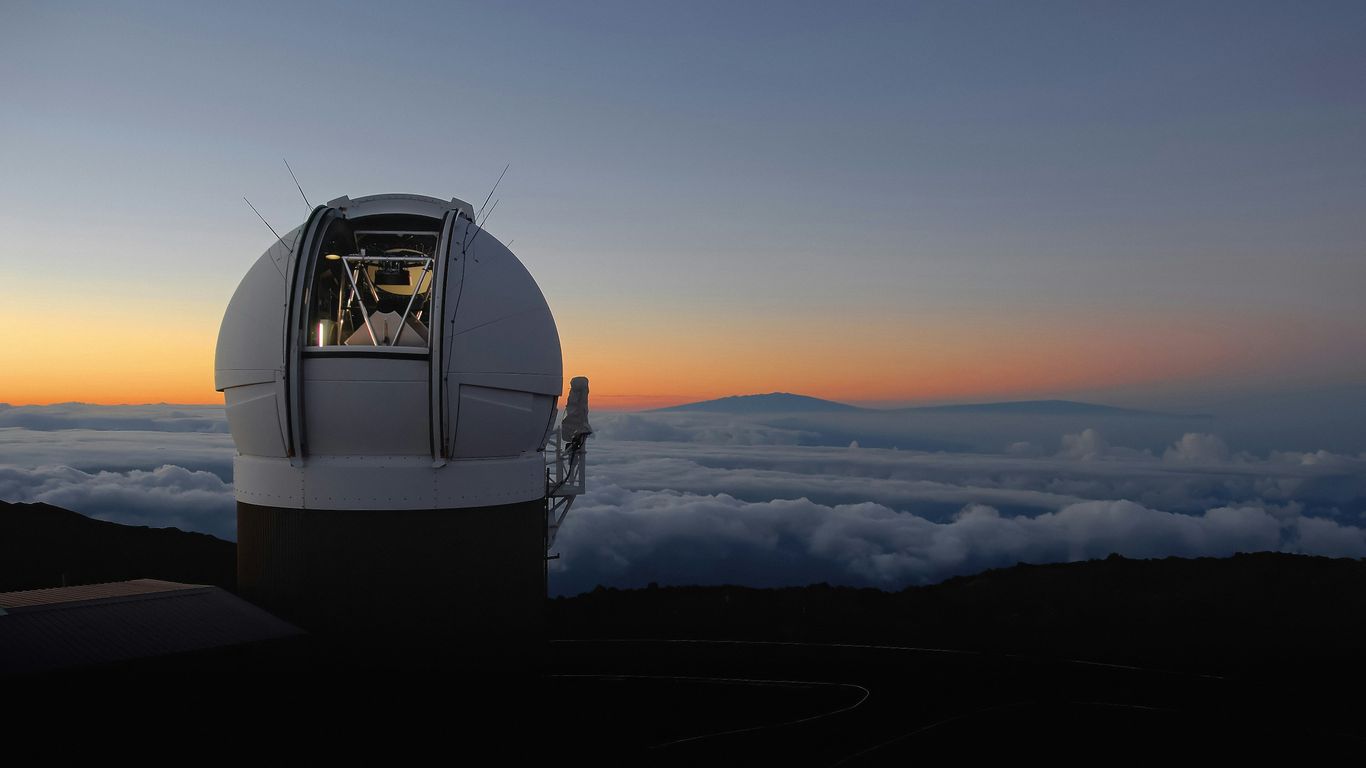
Finding another Earth out there is the big dream, right? Scientists are constantly looking for planets that might be similar to our own, especially those in the ‘habitable zone’ of their stars. This is the sweet spot where temperatures could allow liquid water to exist on the surface. While we haven’t found a perfect twin yet, the search is heating up. New telescopes and better analysis techniques are helping us spot smaller, rocky planets more easily. It’s not just about size and temperature, though. We’re also looking at things like atmospheric composition and the presence of a magnetic field, which would help protect any potential life from harmful radiation. The sheer number of stars in our galaxy suggests that Earth-like planets are likely out there, waiting to be discovered.
Exoplanets Lacking Sufficient Water
It turns out, not all potentially habitable planets are created equal. Recent studies are highlighting that even planets found in the right temperature zones might not have enough water to support life as we know it. Some models suggest that planets forming closer to their stars, or those that experienced a lot of early bombardment, might have lost most of their water. This is a big deal because water is so fundamental to life on Earth. It means that just being in the right place isn’t enough; a planet also needs to have retained or acquired a significant amount of water. This adds another layer of complexity to the search for life beyond our solar system.
Titan’s Hydrocarbon Seas and Waves
When we think about alien worlds, Saturn’s moon Titan often comes up. It’s unique because it has a thick atmosphere and liquid on its surface, but it’s not water. Instead, Titan has lakes and seas made of liquid methane and ethane. It’s like a super-cold, alien version of Earth’s water cycle. Scientists have even observed waves on these hydrocarbon seas, which is pretty wild to think about. Missions like the upcoming Dragonfly drone are planned to explore Titan up close, giving us a much better look at this strange and fascinating moon. It shows us that ‘habitable’ can mean a lot of different things depending on the environment.
Wrapping Up Our Cosmic Journey
And that’s a wrap on today’s space news! It’s pretty wild to think about everything happening out there, from new telescopes getting ready to launch to understanding how our own planet works a little better. We’ve seen comets say goodbye, rockets take off (and sometimes miss their mark), and even learned about how space travel messes with our brains. The universe is always up to something, and we’ll be here to tell you all about it. Keep looking up, and we’ll catch you next time for more updates from beyond Earth.