GE HealthCare is a big name in medical tech, but they’re not the only player out there. In 2026, the healthcare landscape is packed with companies vying for the top spot. We’re talking about the main competitors of GE HealthCare, the ones you’ll see popping up everywhere from big hospitals to smaller clinics. It’s a busy market, and knowing who’s who is pretty important if you’re involved in healthcare.
Key Takeaways
- Siemens Healthineers is a major competitor, strong in imaging, diagnostics, and oncology solutions.
- Philips Healthcare offers a wide range of medical devices and health informatics, focusing on connected care.
- Medtronic is a leader in life-saving technologies, including implants and surgical equipment.
- Mindray provides cost-effective diagnostic and imaging equipment suitable for various clinic sizes.
- McKesson Corporation combines pharmaceutical distribution with significant healthcare IT capabilities.
1. Siemens Healthineers
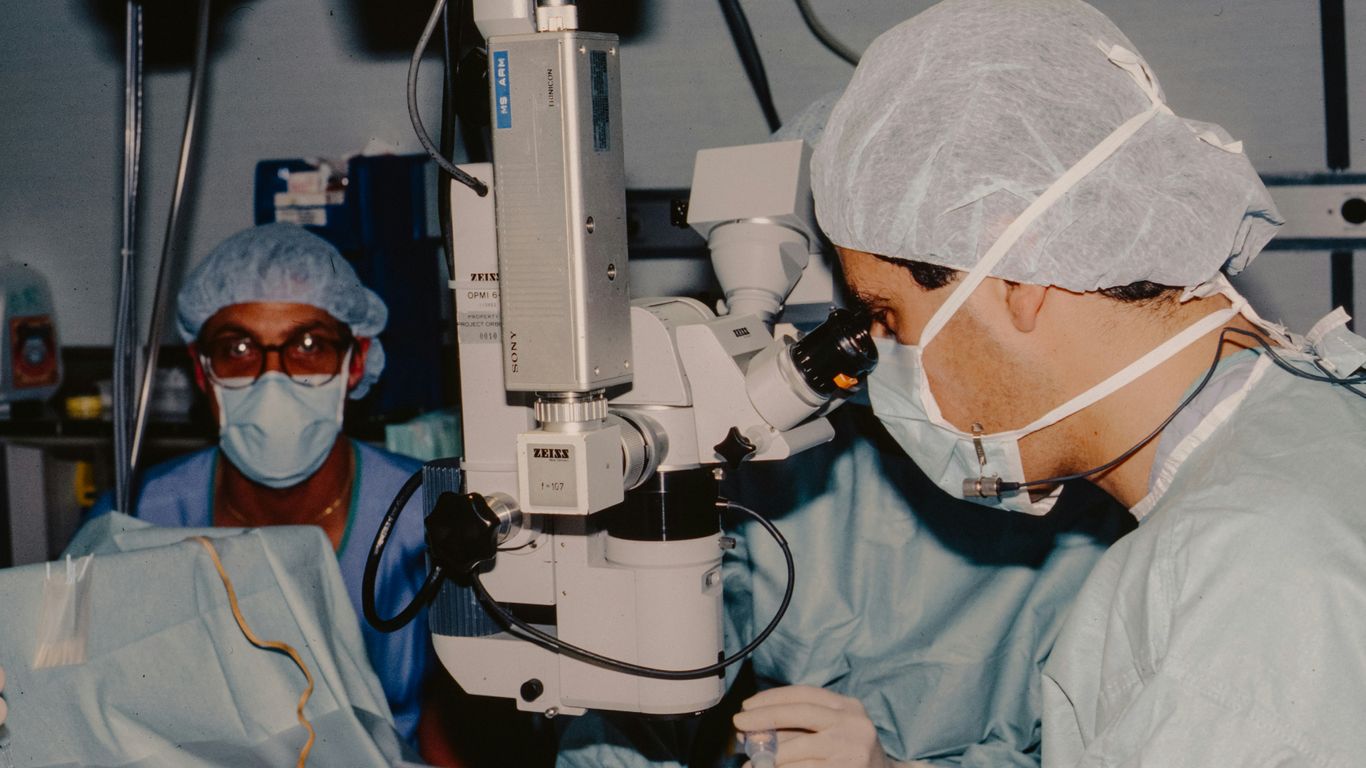
Siemens Healthineers is a big player in the medical tech world, and they’ve been around for a while, making a name for themselves in imaging and diagnostics. They’re based in Erlangen, Germany, and by 2026, they’re looking at revenues around $22 billion with a workforce of over 70,000 people. That’s a lot of folks working on keeping us healthy!
What really sets them apart is their broad range of products. They’re not just doing one thing; they’ve got their hands in a lot of different pots. Think MRI machines, CT scanners, X-ray equipment, and even lab systems. Plus, they’ve got a whole healthcare IT software side of things, especially for imaging and making workflows smoother. And don’t forget their oncology solutions through Varian – that’s a pretty significant area.
Here’s a quick look at what they bring to the table:
- Imaging & Diagnostics Innovation: This is where they really shine. They’re constantly pushing the boundaries on how we see inside the human body and analyze samples.
- Laboratory Diagnostics: Beyond just imaging, they provide systems for clinical labs, which are super important for diagnosing diseases.
- Oncology Solutions: Through their acquisition of Varian, they’ve become a major force in cancer treatment technology.
- Healthcare IT & Digital Health: They offer software to manage imaging data and improve how healthcare professionals work, including AI-driven tools.
Their focus on integrating these different areas is a key strategy as healthcare systems look for more connected and efficient solutions. It seems like they’re aiming to be a one-stop shop for a lot of a hospital’s technology needs, from the scanner in the radiology department to the software that manages patient data.
2. Philips Healthcare
Philips Healthcare, the health tech part of Royal Philips, is a big player in medical devices and health software. They’ve really zeroed in on healthcare and wellness lately. You’ll find their stuff in diagnostic imaging, patient monitoring, and health informatics, basically connecting all sorts of devices and patient data.
In 2026, Philips is pushing hard on AI for analyzing medical images and expanding telehealth options for remote care. They’ve got a lot of people working for them, around 68,000, and they brought in about €18 billion in sales recently. That makes them one of the largest health tech companies out there, investing a good chunk into research and development to keep pushing forward with more precise diagnostics and connected care.
Here’s a quick look at what they focus on:
- Diagnostic Imaging Systems: Think MRI, CT scanners, and X-ray machines, often with advanced features.
- Patient Monitoring & Life Support: Equipment used in hospitals to keep a close eye on patients and assist with critical functions.
- Healthcare Informatics: Software and platforms that help manage and interpret patient data.
- Telehealth and Remote Care: Tools that allow healthcare providers to connect with patients outside of traditional clinic settings.
- Consumer Health Devices: While not strictly hospital-focused, they also have a presence in devices for personal wellness.
They’re known for offering integrated digital solutions, and while they’re great for larger hospital networks and remote monitoring clinics, some find their systems can be a bit complex to set up and might come with a higher price tag. Still, their enterprise-level scalability and proven global presence make them a solid choice for big healthcare systems.
3. Medtronic
Medtronic is one of the most recognized names in health technology if you’re talking about medical devices that keep people alive, especially when it comes to heart problems and chronic disease. The company’s main edge is that its implantable and wearable devices are hardwired right into its remote patient monitoring (RPM) systems. It’s like if your pacemaker, insulin pump, or neurological device could check in with your doctor more or less automatically, without you leaving home—or honestly, even thinking much about it most of the time.
While Medtronic doesn’t make every type of health tool, it’s a giant where it matters: cardiac care, chronic illness, and surgery.
Some key points if you’re weighing Medtronic as a competitor or a partner:
- It’s best known for its heart devices—pacemakers, defibrillators, and continuous heart rhythm monitors.
- The company is trusted by surgeons and emergency teams for its infusion systems and ventilators.
- Medtronic’s strength is really in higher-risk cases: these devices support folks with the most serious and complex needs, not so much for the "walking well" crowd who just want a fitness wristband.
- Hospitals and clinics that already use a lot of Medtronic’s gear usually have an easier time layering in new devices or RPM features. It’s less plug-and-play if you’re starting from scratch or using different brands.
Let’s drop a super quick comparison table:
| Metric | Value (2026 Est.) |
|---|---|
| Global Revenue | ~$32 billion |
| Core Segments | Cardiac, diabetes, neuro, surgery |
| Devices Installed | Over 75 million worldwide |
| Avg. Support Rating | 4.6/5 |
At the end of the day, Medtronic isn’t the flashiest or cheapest, but for hospitals and health systems looking for steady, proven devices—especially for high-risk heart, neuro, and surgical patients—few names are bigger. If you’re already deep in their ecosystem, you’ll probably stick around. If not, integration could take work.
4. Mindray
Mindray isn’t as massive as some other medical tech corporations, but it’s earned a spot among GE HealthCare’s main competitors for solid reasons. Their focus has always been on making advanced medical devices affordable—it’s a pretty big deal for smaller clinics and hospitals that don’t have sky-high budgets.
Mindray’s top strengths include:
- Well-built imaging equipment that doesn’t break the bank.
- Anesthesia machines and patient monitoring devices found in thousands of mid-sized and private clinics.
- Flexibility in product choices, letting buyers match equipment to their workflow without unnecessary extras.
Mindray provides reliable precision without the premium price tag, making it very popular for clinics watching expenses. Instead of expensive bells and whistles, they keep things practical: clear imaging, easy-to-use interfaces, and good support. In fact, many private clinics in Asia, Europe, and growing markets choose Mindray when starting out or expanding, especially in fast-changing health systems.
Here’s a rough snapshot of where Mindray fits compared to a few others (support rating reflects user surveys):
| Company | Core Strength | Product Range | Support Rating | Typical User |
|---|---|---|---|---|
| Siemens Healthineers | Imaging innovation | MRI, CT, X-ray, Lab | 4.9/5 | Hospital networks |
| GE HealthCare | AI, monitoring | Ultrasound & critical | 4.8/5 | Cardiology clinics |
| Philips Healthcare | Digital integration | Imaging, patient mon. | 4.7/5 | Large clinics |
| Mindray | Affordability, precision | Anesthesia, imaging | 4.5/5 | Smaller clinics |
If you need something solid but not overcomplicated, Mindray’s machines are usually in the running. It’s a choice that often makes sense for private practices that still want reliability and tech support but aren’t out to outspend hospitals. That’s why Mindray sticks out in this field, offering practical value for the everyday clinic.
5. McKesson Corporation
McKesson Corporation isn’t just a pharmacy supplier—it’s one of the world’s biggest healthcare businesses, with roots that go all the way back to 1833. These days, McKesson stands out because they don’t just handle pharmaceutical distribution. They’re deep into healthcare IT now, too, making software that helps hospitals, clinics, and even corner drug stores run smoother.
What makes McKesson important in 2026 is how it’s doubling down on automation and data. You see those robots sorting out pill bottles behind the pharmacy counter? There’s a good chance McKesson had a hand in that technology. They’re big on automating pharmacy workflows to cut down errors and speed everything up.
Why healthcare providers partner with McKesson:
- Nationwide pharmaceutical distribution with consistent, reliable delivery
- Automation tools for pharmacies, reducing manual work and slip-ups
- Software to track inventory, handle billing, and manage electronic health records (EHRs)
- Data analytics to help clinics spot trends and save money
- Support for making different IT systems work together (which is rare and hard)
Here’s a quick look at their latest numbers:
| Metric | Value |
|---|---|
| 2024 Revenue | $308.9 billion |
| Employee Count | 45,000+ |
| Headquarters | Irving, Texas, USA |
For hospitals and clinics that are always squeezed for time and margins, working with McKesson can feel like giving yourself a fighting chance. You end up with less paperwork, more time for patients, and less risk of things going off the rails somewhere between a doctor’s order and the pills getting picked up. And as healthcare keeps getting more digital (and more complicated), McKesson is positioning itself as the go-to for both high-volume logistics and the tech that keeps it all running.
6. Epic Systems
When you talk about big players in healthcare software, Epic Systems is definitely one you can’t ignore. They’ve been around since 1979, and their main thing is electronic health records, or EHRs. Think of it as the digital brain for hospitals and clinics, keeping track of patient info, appointments, and all that jazz.
Epic’s software is used by a ton of major health systems, managing records for hundreds of millions of people. They’re a private company, which means they tend to pour a lot of their earnings back into developing new stuff, rather than paying out shareholders.
Here’s a quick look at what they’re up to:
- Epic Cosmos: This is basically a massive database where they store a huge amount of patient data. It’s used for research and understanding health trends on a large scale.
- Comet: This is their AI system. It’s designed to look at patient data and try to predict health risks before they become big problems.
- Integrated Solutions: Beyond just EHRs, Epic offers tools for billing, scheduling, and even patient portals like MyChart, which lets patients see their own health information and communicate with their doctors.
It’s pretty complex software, and because it’s so customizable, it can really become the central hub for how a whole hospital system runs its operations. They’re known for being able to handle really large, intricate healthcare networks.
7. Oracle Cerner
Oracle Cerner—now often called Oracle Health after Oracle’s big 2022 acquisition—has a huge presence in healthcare IT, especially when it comes to electronic health records (EHR) and data infrastructure. This company’s tech is everywhere in hospitals, with their software connecting everything from clinical docs to billing systems. Unlike some competitors, they’re big on cloud—Oracle’s software aims to pull together health data from different places, making it easier for hospitals to run things and for doctors to actually find the info they need.
Oracle Cerner’s biggest move in 2026 has been pushing hard on cloud analytics and interoperability. They want data to flow smoothly between all the different software systems a hospital uses—which, if you’ve ever watched nurses try to log into different systems for each department, you’ll know is a huge deal.
Here’s a quick look at where Oracle Cerner stands:
| Metric | Details |
|---|---|
| Headquarters | Kansas City, Missouri, USA |
| Employees (est. 2026) | 25,000+ |
| Main Focus Areas | EHR, cloud services, data analytics, revenue cycle management |
| Website | oracle.com/health |
These are some standout things Oracle Cerner is known for in 2026:
- Streamlined clinical data and workflows, cutting down on data entry headaches for staff
- Large-scale cloud platforms that let hospital networks manage patient info anywhere
- Population health solutions, helping systems spot care gaps and trends fast
- Revenue cycle management tools built into their clinical systems, so billing doesn’t trip up care
A lot of big health systems pick Oracle Cerner because it connects the dots between massive hospital networks, outside providers, and even wearable devices. They’re not perfect—no one is, in health IT—but in 2026, the company’s reputation for reliability and scale is still strong. If you work in a hospital and deal with a sea of electronic records, chances are good that Cerner software is part of your every day.
8. Varian
Varian is a big name when it comes to cancer care, specifically radiation therapy. They’ve been around for a while, building a reputation for their equipment and software that helps doctors treat cancer. Think of their systems as the high-tech tools used in hospitals to deliver radiation precisely where it needs to go, minimizing harm to healthy tissue.
In 2026, Varian continues to push the boundaries in oncology. They’re really focused on making treatments more personalized and efficient. This means developing smarter machines that can adapt during treatment and software that helps plan these complex therapies with greater accuracy. They also seem to be putting a lot of effort into connecting their systems, so information flows better between different parts of the cancer care process.
Here’s a look at what they’re known for:
- Advanced Linear Accelerators: These are the machines that deliver radiation. Varian’s are known for their precision and ability to treat tumors from many angles.
- Treatment Planning Software: Creating a radiation plan is super complicated. Varian’s software helps oncologists map out the best way to target cancer cells.
- Brachytherapy Solutions: This involves placing radioactive sources directly inside or near the tumor, and Varian offers systems for this too.
- Data and AI Integration: Like many in healthcare, they’re looking at how data and artificial intelligence can improve treatment outcomes and streamline workflows for clinicians.
9. TTMS
TTMS, headquartered in Poland, is a company that’s really making waves in the healthcare and pharma tech space. They’ve been around for over a decade, focusing on everything from managing quality and making sure software is validated to building custom apps and connecting different systems. What sets them apart is their knack for using AI to solve complex problems, like automating the analysis of huge tender documents for drug development, which speeds things up a lot.
They’re a certified partner with big names like Microsoft, Adobe, and Salesforce, which means they can combine those big platforms with their own specialized healthcare solutions. Think patient portals and customer relationship management tools built just for healthcare needs.
Here’s a quick look at some of their work:
- Chronic Disease Management: They developed a system that links up insulin pumps and glucose monitors to help patients manage conditions like diabetes better. It gives both patients and doctors real-time info.
- Business Analytics: TTMS built a platform for pharma companies to look at their data, find ways to cut costs, and make smarter decisions.
- Patient Portals: They’ve created secure portals where patients can access their health info and personalized content, making things easier and keeping data safe.
- Workforce Management: For a healthcare client, they replaced a manual scheduling system with an automated one, which improved how staff were assigned and cut down on admin work.
TTMS also works with IT and operational technology, especially in the energy sector, helping with things like cybersecurity for industrial control systems. They seem to have a good handle on integrating new tech while keeping critical systems running smoothly.
10. HHG Group
HHG Group is a bit of a different player in the medical equipment scene. Founded in 2010, it’s not really making the big machines themselves. Instead, HHG Group acts as a central marketplace for buying and selling new and used medical equipment. Think of it like a super-secure online store specifically for hospitals, clinics, and technicians. They focus on making sure transactions are safe and transparent, which is pretty important when you’re dealing with expensive gear.
What they do is connect people. If a hospital needs a specific piece of equipment, or if a supplier has surplus stock, HHG Group helps them find each other. They also aim to help professionals connect, which they say helps the industry grow in a sustainable way. It’s a platform that supports the global medical industry by making it easier to get the equipment needed, whether it’s brand new or pre-owned.
Here’s a quick look at what HHG Group focuses on:
- Transaction Security: They put a lot of effort into making sure both buyers and sellers feel safe during a deal.
- Marketplace for Used Equipment: This is a big part of their business, helping extend the life of medical devices and making them more accessible.
- Connecting Professionals: They facilitate networking and partnerships within the medical sector.
- Global Reach: Their platform is designed to serve the international medical community.
Wrapping It Up
So, looking at all these companies, it’s clear GE HealthCare isn’t the only player in the game. We’ve seen how giants like Siemens Healthineers and Philips Healthcare are really pushing the envelope with their imaging and digital tools. Then you have the software side with folks like Epic and Oracle Cerner, who are basically running the digital backbone of hospitals. Even McKesson, with its massive reach in distribution, has a big stake in healthcare tech. It’s a busy market, for sure. These companies are all trying to make healthcare better, faster, and maybe even cheaper, using all sorts of new tech. For GE HealthCare, staying ahead means keeping up with these trends and finding their own unique way to stand out in this really competitive space. It’s going to be interesting to see how things shake out over the next few years.