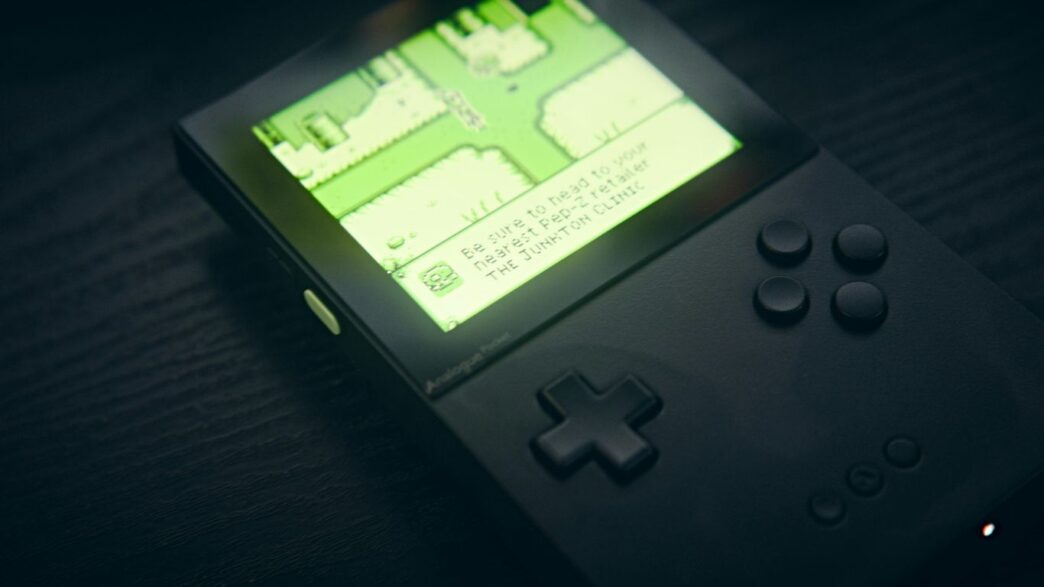
Remember when gaming meant lugging around a chunky grey brick? The Game Boy wasn’t just a console; it was a revolution in our pockets. It let us take our adventures anywhere, from long car rides to boring school days. While newer tech is great, there’s something special about those original top gameboy games. They weren’t just fun; they shaped how we play and what we expect from games even now. Let’s revisit some of the absolute best that defined a generation.
Key Takeaways
- The Legend of Zelda: Link’s Awakening offered a deep adventure on a portable device, with puzzles and a unique story.
- Pokémon Red and Blue started a global craze, letting players catch, train, and trade creatures.
- Super Mario Land 2: Six Golden Coins refined platforming for handhelds, introducing Wario.
- Metroid II: Return of Samus brought atmospheric exploration and challenge to the Game Boy.
- Tetris provided endless, addictive puzzle fun that was perfect for on-the-go play.
1. The Legend of Zelda: Link’s Awakening
Okay, so let’s talk about The Legend of Zelda: Link’s Awakening. This game really proved that you didn’t need a massive console to have a huge adventure. It dropped onto the Game Boy and just blew everyone away with how much it packed into that little cartridge. You wake up on Koholint Island, and right away, things feel a bit… off. It’s not Hyrule, and there’s no Princess Zelda to save. Instead, you’re dealing with this whole dream-like world and a mysterious Wind Fish. The story is what really sticks with you, even years later. It’s got this unique vibe, a bit melancholic, a bit whimsical, and it’s full of characters that are surprisingly memorable for a Game Boy title. You meet all sorts of folks, from the sweet Marin to a grumpy ghost, and their stories add so much to the island’s atmosphere.
Beyond the story, the gameplay itself was top-notch Zelda. You’ve got your dungeons, your puzzles, and your trusty sword and shield. The way you find new items and use them to overcome obstacles felt really smart, and it’s something that still holds up. It’s a game that really makes you explore and pay attention to your surroundings.
Here’s a quick look at some of the key elements:
- Exploration: Koholint Island is packed with secrets to uncover.
- Puzzles: Dungeons are filled with clever challenges that require item usage.
- Characters: A quirky cast that makes the island feel alive.
- Story: A unique narrative about dreams and reality.
It’s a game that really captured the imagination and showed what the Game Boy was capable of. If you ever get a chance to play it, especially the colorized DX version, do yourself a favor and jump in. It’s a classic for a reason.
2. Pokémon Red and Blue
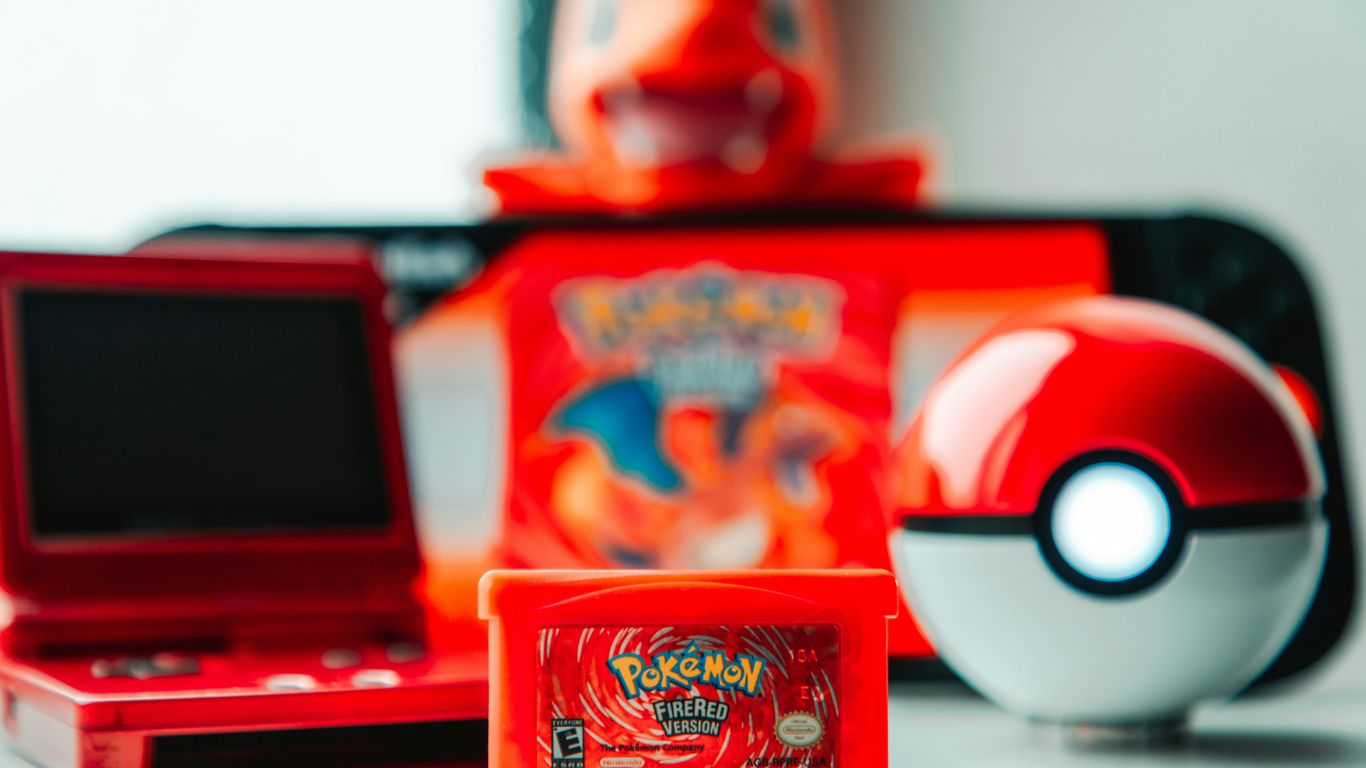
Okay, so, Pokémon. It’s hard to even talk about the Game Boy without mentioning this one, right? Red and Blue weren’t just games; they were a whole thing. Suddenly, everyone was talking about catching creatures, training them, and battling their friends. It was this massive craze that took over playgrounds and living rooms.
The core loop of catching ’em all, training your team, and challenging Gym Leaders was just incredibly addictive. You’d spend hours figuring out which Pokémon were strong against others, swapping out team members, and trying to find those rare ones. And the trading! Using that Link Cable to swap Pokémon with your buddies was a whole event. It felt like a real accomplishment when you finally completed your Pokédex or beat the Elite Four.
Here’s a quick look at what made it so special:
- Exploration: The world of Kanto felt huge for a Game Boy game. There were towns, caves, forests, and routes to discover, each with its own secrets.
- Collection: Finding and catching all 151 Pokémon was the ultimate goal for many. It encouraged repeat playthroughs and trading.
- Battles: The turn-based combat was simple to learn but had enough strategy to keep things interesting, especially as you faced tougher opponents.
- Social Aspect: Trading and battling with friends was a massive part of the experience. It turned a solo adventure into a shared phenomenon.
Honestly, it’s wild to think how much this game influenced everything that came after it. It really set the stage for what a portable RPG could be.
3. Pokémon Yellow
Okay, so after Red and Blue really blew up, Nintendo decided to drop Pokémon Yellow, and honestly, it was a pretty smart move. This version basically lets you live out the anime, which was super popular back then. You start with Pikachu, and it actually follows you around on the screen. How cool is that? It’s not just a little sprite; it’s your buddy.
This game also tweaked some of the Pokémon appearances and where you could find them, making it feel a bit different from its predecessors. Plus, you get to interact with characters like Jessie and James from Team Rocket, which adds a fun narrative layer. It felt like a more complete Pokémon experience, especially if you were already hooked on the show. It’s the version that really cemented Pokémon as a cross-media juggernaut.
Here’s a quick look at what made Yellow stand out:
- Starting Partner: Pikachu, who stays with you and reacts to you.
- Anime Integration: Encounters with Team Rocket and other plot points from the show.
- Visual Tweaks: Some Pokémon sprites were updated to look more like their anime counterparts.
- Improved Accessibility: Certain Pokémon that were exclusive to one version in Red/Blue are easier to get here, making it simpler to complete your Pokédex without needing to trade as much. This was a big deal for solo players.
It’s a great entry point for newcomers and a treat for existing fans who wanted to feel more immersed in the world of Pokémon. If you wanted to feel like Ash Ketchum, this was your chance. It really showed how games could tie into other media, a concept that would become huge. The third generation of Pokémon games would later build on this success with even more creatures and features.
4. Super Mario Land 2: Six Golden Coins
Okay, so if you thought Mario was done with the Game Boy after the first Super Mario Land, think again. Super Mario Land 2: Six Golden Coins really took things up a notch. This game felt bigger, more open, and honestly, a lot more fun than its predecessor. It was the first time we got to meet Wario, Mario’s greedy rival, who had basically taken over Mario Land and turned it into his own personal playground. Mario had to go around and collect these six golden coins to kick Wario out and get his castle back.
What made this one stand out was the world map. Instead of just going from one level to the next in a straight line, you had a map where you could choose your path sometimes. It made the whole adventure feel more like a real quest. Plus, the levels themselves were way more varied. You’d go from a giant treehouse to a spooky haunted house, and even a level that took place inside a giant turtle. It kept things fresh, you know?
And the power-ups! We got some cool new ones here. The Carrot power-up turned Mario into a sort of rabbit-like creature that could float a bit, and the Fire Flower was back, of course. But the real game-changer was the ability to transform into different forms, like a carrot-headed Mario or even a bat Mario, which let you fly around for a bit. It added a whole new layer to how you approached the platforming challenges. It’s a solid entry in Mario’s Game Boy adventures.
Here’s a quick look at some of the worlds you could explore:
- Mario’s Castle (starting area)
- Tree Zone
- Macro Zone
- Marine Zone
- Space Zone
- Pumpkin Zone
- Wario’s Castle
It’s just a really well-made game that showed what the Game Boy was capable of. Definitely a must-play if you’re looking for some classic platforming fun.
5. Metroid II: Return of Samus
Bringing the Metroid series to the Game Boy was a big deal, and Metroid II: Return of Samus really nailed it. You play as Samus Aran, and your mission is to head down to planet SR388 to take care of the Metroid problem. The game throws you into these isolated, sometimes creepy environments. You have to explore without a clear path, relying on finding new power-ups to get further. This setup is basically what made the whole ‘Metroidvania’ style of game popular later on.
Finding new abilities, like the Spider Ball to crawl on walls or the Space Jump to leap across gaps, felt super rewarding. It opened up the alien world in ways you didn’t expect. The main challenge was tracking down all the different types of Metroids, and each one needed a different approach. It made for a really engaging hunt. Plus, the moody music and sound effects really made you feel alone and a bit on edge. It was a masterclass in atmosphere on a handheld.
Here’s a look at some of the key upgrades Samus gets:
- Spider Ball: Lets you stick to and move along walls and ceilings.
- Space Jump: Grants the ability to jump repeatedly in mid-air.
- Missiles: Essential for taking down tougher enemies and opening certain doors.
- Morph Ball Bombs: Used to destroy weak blocks and damage enemies.
6. Tetris
It’s almost impossible to talk about the Game Boy without mentioning Tetris. This game was bundled with the original Game Boy in a lot of places, and it just blew up. The whole idea of fitting falling blocks, called tetrominoes, into lines to clear them is super simple, but it’s also something you can play forever. Tetris was perfect for the Game Boy because you could just pick it up and play for a few minutes or a few hours. It had this hypnotic rhythm, and clearing lines felt really satisfying. It became a go-to game for handhelds.
What made Tetris so good on the Game Boy?
- Simple to learn, hard to master: The basic concept is easy for anyone to get, but getting really good takes a lot of practice.
- Quick play sessions: You can play a round in just a few minutes, making it ideal for commutes or waiting in line.
- Addictive loop: The constant challenge of fitting blocks and clearing lines keeps you coming back for more.
- Multiplayer fun: Connecting with a friend using the Link Cable for competitive matches was a big deal back then and led to some intense games.
7. Pokémon Gold and Silver
Following up on the massive success of Red and Blue, Pokémon Gold and Silver didn’t just add more Pokémon; they completely changed the game. This was the entry that introduced a whole new region, Johto, alongside the original Kanto, effectively doubling the adventure. It felt like getting two games in one! The addition of a real-time clock was a game-changer, making the world feel alive with day and night cycles that affected which Pokémon appeared and even when certain events happened. Plus, breeding Pokémon? That opened up a whole new layer of strategy and collection.
Here’s a look at some of the big additions:
- 100 New Pokémon: From the adorable Pichu to the legendary Lugia and Ho-Oh, the Pokédex grew significantly.
- Two Regions: Explore the brand-new Johto region and then travel back to the familiar Kanto from the first games.
- Day/Night Cycle: Certain Pokémon only appear at specific times, adding a new challenge to catching them all.
- Pokémon Breeding: Hatch eggs to get baby Pokémon and pass down moves.
- Held Items: Pokémon could now hold items that provided benefits in battle or elsewhere.
Gold and Silver took everything great about the original games and expanded on it in ways players hadn’t even imagined. It was a huge leap forward for the series and a massive reason why the Game Boy Color became such a powerhouse.
8. Link’s Awakening DX
So, Link’s Awakening DX. This isn’t just a rehash of the original Game Boy classic; it’s like getting the director’s cut, but for your Game Boy Color. They took the already amazing adventure on Koholint Island and slapped some color on it, which, honestly, makes a huge difference. Suddenly, the quirky characters and strange landscapes pop in a way you just couldn’t get on the monochrome original.
But it’s not just about pretty colors. They actually added a whole new dungeon, the Color Dungeon, which is a neat little challenge that fits right in with the rest of the game. Plus, if you were really into the Game Boy Printer back in the day, this version supported it, letting you print out little screenshots or character portraits. It was a bit of a novelty, sure, but it showed they were trying to do something new with the enhanced hardware.
Here’s a quick rundown of what made the DX version stand out:
- Full Color Graphics: Koholint Island never looked so vibrant.
- New Color Dungeon: An extra challenge with unique puzzles and rewards.
- Game Boy Printer Support: A fun, albeit niche, feature for the time.
This enhanced port is really the definitive way to experience one of the most unique Zelda titles ever made. It takes a game that was already special and just polishes it up, making it even more memorable. If you missed out on the original, or even if you played it to death, the DX version offers a fresh coat of paint and a little extra something to explore.
9. Super Mario Land
Okay, so before we got Super Mario Land 2, there was the original Super Mario Land. And honestly, it was a pretty big deal for the Game Boy back in the day. It wasn’t just a simple port of the NES games; Nintendo actually made something new here, and it felt different. You’re still Mario, of course, running and jumping, but the setting is totally new – the fantasy world of Sarasaland.
What really set it apart was the change in pace and some of the mechanics. Instead of Bowser, you’re dealing with an alien named Tatanga who kidnaps Princess Daisy. The levels themselves were a bit more varied than you might expect, mixing classic platforming with some surprisingly fun vehicle sections, like flying a plane or a submarine. It felt like a fresh take on the Mario formula, proving that the little handheld could handle its own unique adventures.
Here’s a quick look at what made it stand out:
- New Villain: Tatanga, the alien, was a departure from the usual Bowser threat.
- Unique Settings: Sarasaland offered a different vibe than the Mushroom Kingdom.
- Vehicle Sections: Piloting a plane or submarine added a cool twist to the gameplay.
- Power-ups: The Super Ball Flower was a neat alternative to the Fire Flower.
It was a bold move to create a Mario game that felt so distinct from its console siblings, and it really paid off. It showed that Nintendo wasn’t afraid to experiment on the Game Boy, and that’s why it’s remembered fondly.
10. Kirby’s Dream Land
Okay, so let’s talk about Kirby’s Dream Land. This was the first time we met that little pink puffball, Kirby, right? And he had this wild ability to just suck up enemies and then, like, steal their powers. Pretty neat, huh?
It’s a platformer, but it felt a bit easier than some others, which was nice. You could float around, which made getting around levels pretty fun. The game world was all bright and cheerful, and the music was super upbeat. It wasn’t super complicated, but it was definitely engaging.
Here’s what made it stand out:
- Kirby’s Copy Ability: This was the big one. Inhaling enemies and using their powers changed up the gameplay a lot.
- Accessible Platforming: It was a good starting point for people who maybe weren’t super into tough platform games.
- Whimsical Art Style: Everything looked so cute and happy, which was a nice change of pace.
It’s one of those games that just felt good to play. Simple, charming, and it introduced a character that’s still around today.
More Than Just Pixels
So, there you have it. The Game Boy wasn’t just a toy; it was a gateway. It let us carry entire worlds in our pockets, fitting adventures into commutes and downtime. These games, from epic quests to simple puzzles, weren’t just fun – they shaped how we play and what we expect from games even now. They proved that great design and pure gameplay could shine, even on a little gray screen. Revisiting these titles isn’t just about feeling that old nostalgia; it’s about remembering the cleverness, the challenge, and the sheer joy that made the Game Boy a legend. It’s a reminder that sometimes, the simplest things offer the most lasting fun.
Frequently Asked Questions
Why is the Game Boy still so popular today?
The Game Boy is still loved because it was super portable, letting you play games anywhere. Its tough design meant it could handle being bumped around, and the long battery life was amazing. Plus, the games were really fun and easy to get into, making it a device almost anyone could enjoy.
What made Game Boy games special?
Game Boy games were special because developers had to be really creative with the simple hardware. This led to games with super fun gameplay, clever designs, and controls that just felt right. They focused on making the games enjoyable to play, rather than just looking pretty.
Are these Game Boy games still fun to play now?
Absolutely! Even though they’re old, these games are classics for a reason. They offer great stories, challenging puzzles, and addictive gameplay that still holds up. Playing them is like a trip back in time, but the fun factor is definitely still there.
What does ‘portability’ mean for the Game Boy?
Portability means you could take the Game Boy with you anywhere. Unlike big game consoles that needed a TV, the Game Boy was small and light. You could play it on the bus, during lunch breaks, or just about anywhere you had some free time.
Why are Pokémon Red and Blue considered so important?
Pokémon Red and Blue started a massive craze! They let you catch, train, and battle cool creatures called Pokémon. The ability to trade Pokémon with friends using a special cable made it a social experience that everyone wanted to be a part of.
What’s the difference between Link’s Awakening and Link’s Awakening DX?
Link’s Awakening DX is an updated version of the original Link’s Awakening. It added color graphics, making the world look much brighter and more vibrant. It also included a new dungeon to explore, giving players even more to do in the game.